Air Shocks for Cars: How They Work and How to Choose
Air shocks are adjustable shock absorbers that use a sealed air chamber, instead of just a coil spring, to hold up your car’s weight. Add or release air through a valve fitting and you raise or lower ride height and firm up the suspension on demand — useful for towing, hauling heavy loads, or just leveling a car that sags in the rear.
They are a direct replacement for your existing shock absorbers, not an add-on part, so they bolt into the same mounting points your factory shocks used. Below is how they actually work, how they compare to air springs (a different, more common upgrade), what a real set costs, and what to check before you buy.
What Are Air Shocks and How Do They Work?
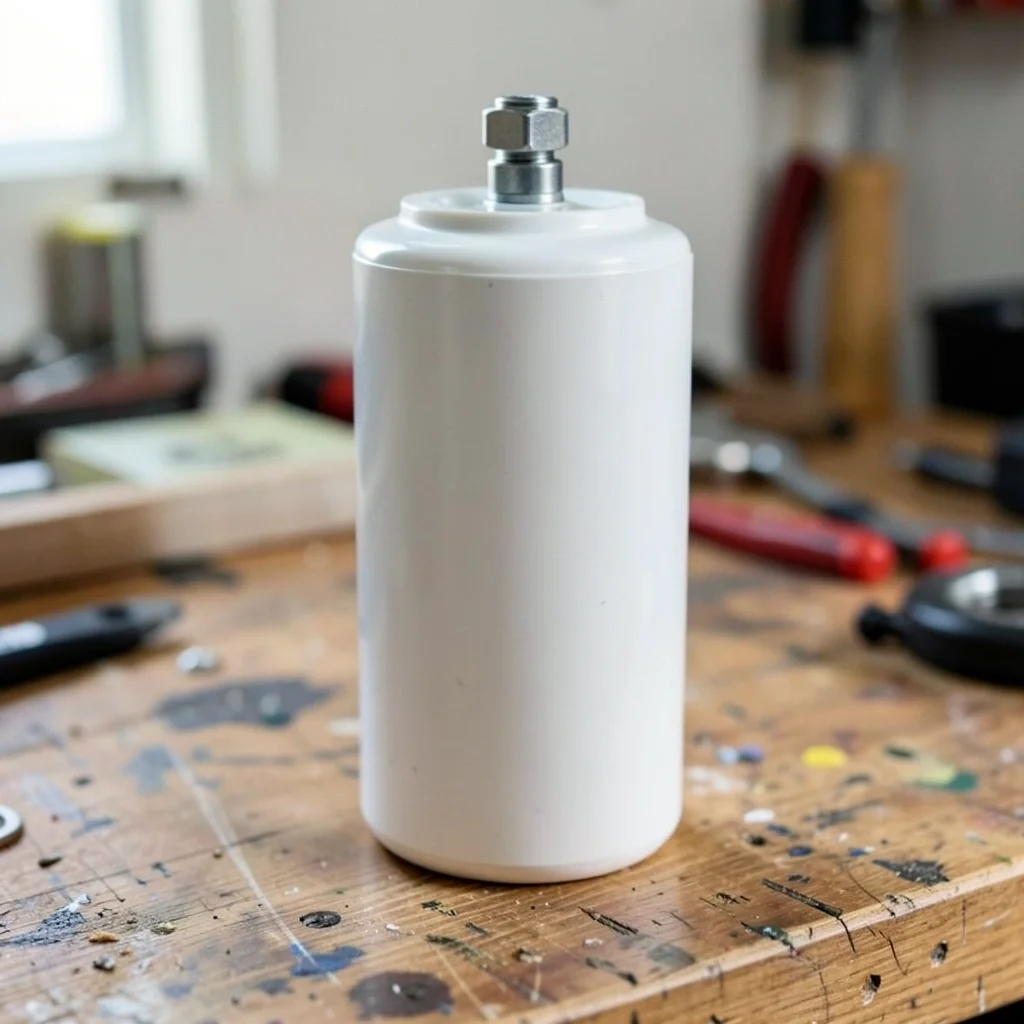
A standard shock absorber only damps motion — it does not support the car’s weight on its own. An air shock adds a sealed air chamber around (or built into) the shock body. Inflating that chamber with a hand pump, shop air line, or an onboard compressor increases pressure inside it, which stiffens the shock and can lift the rear of the vehicle back to its normal ride height. Letting air out softens the ride again.
Most air-adjustable shocks, including the Monroe Max-Air line, run anywhere from 0 up to about 150 PSI depending on the part, and they are rated to help carry a set amount of extra weight — commonly in the 1,000 to 1,200 lb range for a pair — without the rear end sagging. That capacity is limited by your vehicle’s own suspension, tires, and towing rating, so the shocks add support, they do not raise your vehicle’s actual payload limit.
DIRECT-FIT AIR SHOCK PICK
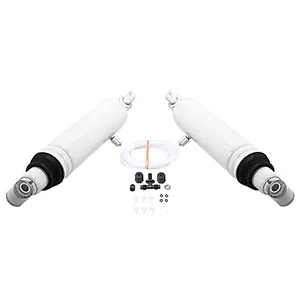 |
Monroe Max-Air MA759 Air-Adjustable Shock Absorbers (Pair) – $114.99 A genuine air-adjustable shock from the brand OEM programs use, not an add-on spring kit — it replaces the shock itself.
|
Air Shocks vs. Air Springs: What Is the Difference?
“Air suspension” upgrades usually mean one of two different things, and it is easy to buy the wrong one. Air shocks replace the shock absorber itself. Air springs (often called air bags, sold in kits like Air Lift 1000) are a separate rubber bellow that mounts around your existing coil or leaf spring — your original shocks stay in place. Both are inflated the same way, but they solve slightly different problems.
| Feature | Air Shocks | Air Springs (Air Bags) |
|---|---|---|
| What it replaces | Your factory shock absorber | Nothing — adds around your existing spring |
| Typical cost | Lower entry cost per pair | Usually a bit more per kit |
| Best for | Vehicles needing new shocks anyway, plus load leveling | Vehicles with good shocks that just sag under load |
| Vehicle fitment | Narrow — matches specific shock mounting points | Broader — many kits are marketed as universal |
If your shock absorbers are already worn out, an air shock replacement solves two problems at once. If your shocks are fine and you just need extra support for towing or hauling, an add-on air spring kit is usually the cheaper, less invasive fix.
Benefits of Air Shocks for Cars and Trucks
- Load leveling: Add air to keep the rear from sagging when you are towing a trailer or hauling cargo.
- Adjustable ride firmness: Run softer for daily comfort, then firm them up before a heavier trip.
- Better headlight aim and stability: A level rear end keeps your headlights aimed correctly and improves handling under load.
- One-part fix: Because they replace the shock itself, you are not adding a whole separate system on top of aging shocks.
How Long Do Air Shocks Last?
Most air-adjustable shocks last around 50,000 to 100,000 miles, or roughly 5 years of normal driving, which is in line with typical shock absorber lifespan. That range shifts based on how much weight you carry, how rough your roads are, and whether you check the air pressure and inspect the seals periodically. Towing heavy loads regularly or ignoring a slow air leak will shorten that window.
How to Choose the Right Air Shocks for Your Car
- Confirm fitment first. Air shocks only fit specific mounting points, so use the listing’s vehicle-fitment tool before you buy — do not assume a “universal” description means it fits every car.
- Match the PSI and load rating to your use. Check the shock’s pressure range and rated capacity against how much weight you actually carry when towing or hauling.
- Decide how you will inflate them. Basic air shocks work with a hand pump or a trip to a gas-station air pump. If you plan to adjust pressure often, pair them with an onboard compressor and gauge kit instead.
- Check whether your vehicle already has a factory air-assist system. A few trucks can accept a closer-to-direct swap; most vehicles need the shocks installed as a standalone manual system.
- Compare against an air spring kit. If your current shocks are still in good shape, an add-on air spring may solve your sagging problem for less money and less labor.
- Read reviews from your specific vehicle. Reviews that mention your exact make and model tell you more than the overall star rating does.
- Budget for installation. If you are not installing them yourself, factor in shop labor on top of the part price.
Installing and Maintaining Air Shocks
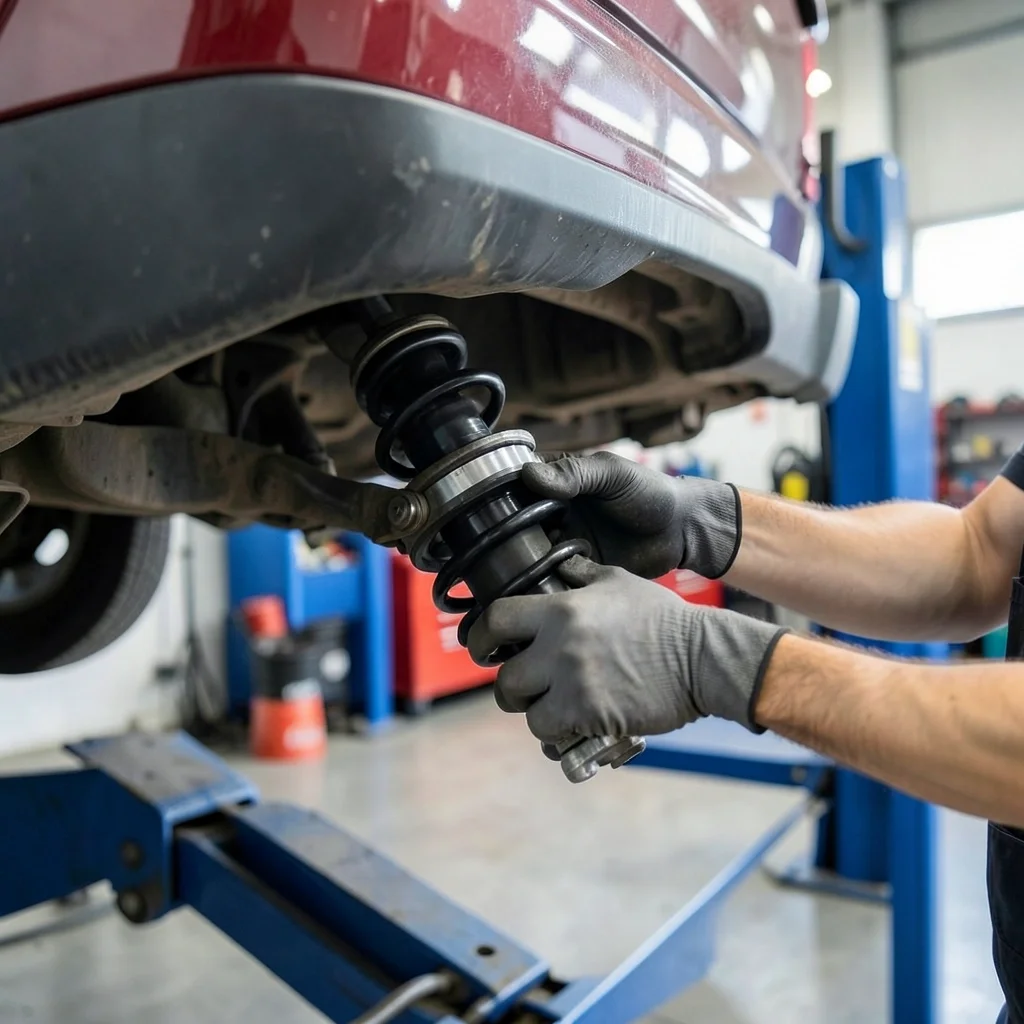
Swapping in air shocks follows the same basic steps as replacing regular shocks: support the vehicle, remove the old shock’s mounting hardware top and bottom, install the new air shock, and torque it to spec. The difference is the extra air line and fitting, which either routes to a factory air-suspension system (where equipped) or to a manual inflation point you will access with a hand pump or compressor. If you have not done shock work before, this is a reasonable job to hand to a shop — a botched mount is a safety issue, not just an inconvenience.
Once installed, check the air pressure periodically the same way you would check tire pressure, and inspect the rubber boot and fittings for cracking or slow leaks. A shock that will not hold air usually means a bad seal or a leaking fitting, not that the whole unit needs replacing right away.
Frequently Asked Questions
What Are Air Shocks for Cars?
Air shocks are shock absorbers with a sealed air chamber built in. Adding or releasing air through a valve fitting adjusts ride height and firmness, and they install as a direct replacement for your existing shocks.
How Do Air Shocks Improve Ride Quality?
They let you adjust stiffness to match the load and road conditions, so you can run a softer setting for daily comfort and firm them up when carrying extra weight.
Are Air Shocks Good for Towing?
Yes. Adding air keeps the rear of the vehicle from sagging under a trailer or heavy cargo, which helps stability, handling, and headlight aim.
How Long Do Air Shocks Last?
Most air-adjustable shocks last about 50,000 to 100,000 miles, or roughly 5 years, depending on load, road conditions, and how well the seals and fittings are maintained.
Do I Need an Air Compressor to Use Air Shocks?
Not necessarily. Basic air shocks can be filled with a hand pump or a gas-station air pump. An onboard compressor and gauge kit is only needed if you want to adjust pressure often, such as before every towing trip.
What Is the Difference Between Air Shocks and Air Springs?
Air shocks replace the shock absorber itself. Air springs, also called air bags, are a separate part that wraps around your existing coil or leaf spring while your original shocks stay in place.
Conclusion
Air shocks are worth considering if your current shock absorbers are due for replacement anyway and you regularly tow or haul heavy loads. Confirm fitment for your exact vehicle first, decide how you will inflate them, and weigh them against an add-on air spring kit if your existing shocks are still in good shape. If you are curious how factory-installed systems compare, see which cars come with air suspension from the factory.
Products related to this article
Sponsored / affiliate links. As an Amazon Associate I earn from qualifying purchases. I may earn additional commission from eligible campaigns.