3 Best Leather Conditioners for Hot Climates (2026): We Compared
For hot climates, choose a leather conditioner with UV inhibitors, a low-residue finish, and a roughly 4- to 8-week reapply interval; skip greasy dressings that can leave seats slick and attract dust. Heat and sun can dry leather, fade color, and shorten seat life fast. This guide explains what to buy, what to avoid, and how often to recondition by climate.
Quick comparison
| Product | Badge | Best for | Price | ||
|---|---|---|---|---|---|
 |
3D Leather, Vinyl & Plastic Conditioner | Restores3D | Our pick | 16 oz · UV Protection · Non-Greasy | $20.99
Price as of 17 Nov 2026
|
View |
 |
Chemical Guys Leather CleanerChemical Guys | Upgrade pick | 16 oz bundle · Total Interior · Matte Finish | $40.99
Price as of 17 Nov 2026
|
View |
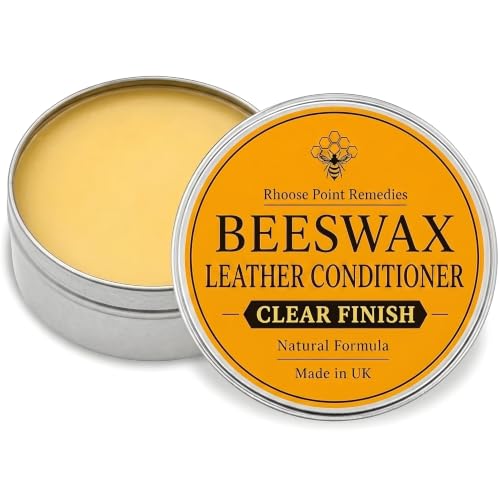 |
Premium Beeswax Leather Conditioner & BalmRhoose Point Remedies | Budget pick | 1.0 Fl Oz · Beeswax · Natural Restorer | $11.99
Price as of 17 Nov 2026
|
View |
This quick view is built for hot-weather seat care, where finish, wipe-off control, and reapplication timing matter more than gloss. The best choice changes with parking exposure, seat material, and whether you want one step or a deeper repair plan.
How we chose
We compared the products using manufacturer specs, listing details, and published buyer feedback. The main filters were UV protection, residue risk, how often a heat-prone seat may need attention, and whether the formula suits real leather, leatherette, vinyl, or perforated seats.
Good Housekeeping names Weiman Leather Conditioner as its best overall pick and Turtle Wax Hybrid Solutions Car Leather Cleaner & Conditioner Misting Spray as its budget pick; it also lists Furniture Clinic Leather Complete Restoration Kit as its restoration pick. Those labels fit hot-climate use because they cover routine upkeep, quick application, and heavier repair.
Spray mist conditioners: best for quick maintenance
Spray mist formulas are usually the easiest fit for hot-weather maintenance because they spread evenly, wipe clean with less drag, and are less likely to leave thick residue. That makes them useful on daily drivers that sit in the sun, especially if the seats have perforations or a matte factory finish.
A fine mist also helps you control where product lands. On a hot seat, that matters more than shine, because extra product can feel greasy and collect dust in seams, perforations, and around seat controls.
What to watch
Use light passes and wipe back promptly. A spray that looks convenient can still leave a slick film if the seat is overloaded, and heat can make that film feel worse after the cabin warms up.
Turtle Wax Hybrid Solutions Car Leather Cleaner & Conditioner Misting Spray is the clearest example in this group. Good Housekeeping describes it as a fine-mist spray for easy application, and the same review says it adds UV protection for car interiors. That combination suits fast upkeep, not heavy restoration.
Cream and lotion conditioners: best for neglected leather
Cream and lotion formulas are better when leather has gone dry, feels rough, or needs a slower, more deliberate application. They can provide a deeper conditioning feel, but they also demand more wipe-off control, which matters on matte OEM seats that should not look shiny.
In hot climates, thicker formulas can be a mixed fit. They may offer a more substantial treatment on tired leather, yet they can leave a heavier finish if too much is applied or if the seat is already warm from parking outside.
Finish risks on matte leather
Matte factory leather usually looks best with a low-luster formula. A cream that leaves sheen can make the surface look uneven, especially on seat bolsters that get touched more often than the seat back.
Beeswax-heavy products can also leave a noticeable film on some interiors. That may be fine for older, dry leather that needs more conditioning feel, but it is a poorer match for a modern cabin where the goal is a clean, factory-style finish.
2-in-1 cleaner-conditioners: best for simple upkeep
2-in-1 products are useful when the seats need light cleaning and routine conditioning in one pass. They fit garage-kept cars, lightly soiled interiors, and owners who want to reduce steps without jumping to a full restoration kit.
The tradeoff is depth. A one-step product is usually a maintenance tool, not a fix for cracked or badly faded leather. For heat-exposed seats, that is still valuable because it makes frequent upkeep more realistic.
When the microfiber towel matters
Some bundles include a microfiber towel, and that matters because wipe-off control changes the final finish. A soft towel helps remove extra product before it sits in seams or around stitching, which lowers the chance of a sticky feel after the cabin heats up.
That is especially useful on seats with perforations or cooling holes. Liquid that pools there can be hard to remove, and in hot weather any leftover film tends to feel more obvious.
Leather conditioner decision table
| Formula type | UV protection | Residue risk | Reapplication frequency in hot climates | Finish | Compatibility with perforated or heated seats | Best for |
|---|---|---|---|---|---|---|
| Spray mist conditioner | Often included in interior-focused formulas; check the listing for explicit UV inhibitors | Low to moderate, depending on how much you apply | About every 4 to 8 weeks; more often for outdoor parking | Usually matte to natural | Strong fit, because light application is easier to control | Daily drivers, quick upkeep, perforated seats, hot cabins |
| Cream or lotion conditioner | Can include UV protection, but the finish often matters more than the label | Moderate to higher if overapplied | About every 6 to 8 weeks; longer if garage-kept and shaded | Natural to slightly richer, with more sheen risk | Usable, but requires careful wipe-off around perforations and seat heaters | Neglected leather that needs more conditioning feel |
| 2-in-1 cleaner-conditioner | Sometimes included; verify the product details | Low if the cleaner is wiped fully and the coat stays light | About every 4 to 6 weeks for light soil and high heat | Usually factory-like and non-greasy | Good fit for routine care, including heated seats when applied lightly | Simple upkeep and garage-kept vehicles |
| Restoration kit | May include protective steps, but the goal is repair first | Higher process risk because the system has more steps | Use as needed, then return to a maintenance schedule | Can range from matte repair to color-matched restoration | Better for fixed repairs than fast maintenance on perforated seats | Heavy wear, stains, color loss, and tired leather |
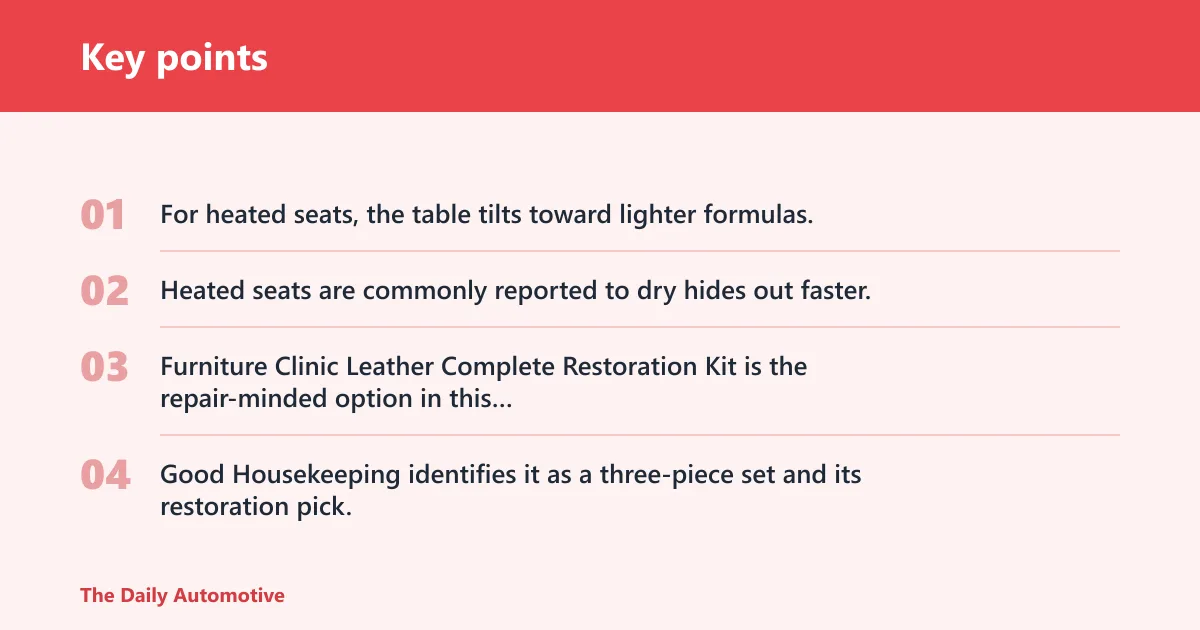
For heated seats, the table tilts toward lighter formulas. Heated seats are commonly reported to dry hides out faster, so a thick coat is not a good answer; a lighter application on a shorter schedule is the better approach.
Furniture Clinic Leather Complete Restoration Kit is the repair-minded option in this group. Good Housekeeping identifies it as a three-piece set and its restoration pick, which makes it better suited to worn or stained leather than to simple heat-season upkeep.
What is the best leather conditioner for car seats in hot weather?
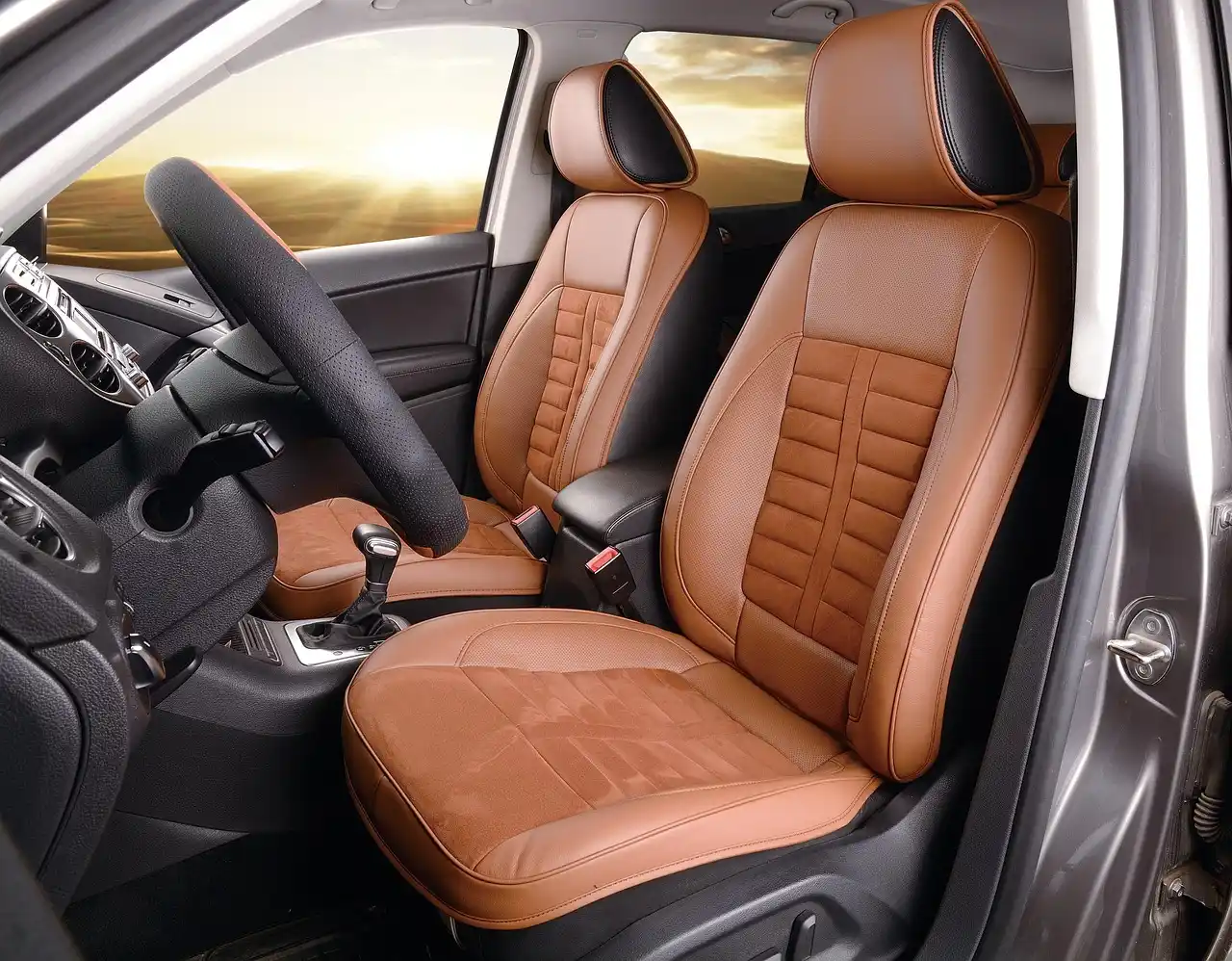
The best choice for hot weather is a low-residue conditioner with UV protection, preferably in a spray or other light-application format. That type is the easiest to use on sun-baked seats, and it is less likely to leave a greasy finish that feels worse as the cabin heats up.
For routine care, a spray mist often gives the best balance of protection and control. For neglected leather, a cream or restoration kit can help more, but it takes more time and more careful wipe-off.
Top product picks by use
Good Housekeeping names Weiman Leather Conditioner as the best overall pick, and that matters because it includes UV protection in its formula. On paper, that makes it a strong maintenance choice for cars parked outdoors, provided the finish stays within the owner’s preference.
Good Housekeeping’s budget pick is Turtle Wax Hybrid Solutions Car Leather Cleaner & Conditioner Misting Spray. Its fine-mist format and UV protection for car interiors make it a practical pick for frequent top-ups, especially where heat and sun are constant.
The restoration pick is Furniture Clinic Leather Complete Restoration Kit. That is the right lane when fading, staining, or color loss has moved beyond basic conditioning.
3D Leather, Vinyl & Plastic Conditioner: best for matte interior trim
This product fits drivers who want one formula for seats, steering wheels, trim, and other interior surfaces. The manufacturer says it provides UV protection and a non-greasy natural matte finish, which makes it a sensible choice for hot climates where shine is less important than a clean, factory-style look.
The main advantage is control. A matte finish is a better match for many OEM interiors, and the multi-surface angle helps when you want one bottle for real leather, vinyl, and plastic trim. That said, a single do-everything product is not the same as a heavy restoration system.
One honest drawback: if the seat already needs cleaning, this is not a cleaner-first product. It is also not the clearest pick for a full repair job on cracked or badly faded leather.
Chemical Guys leather Cleaner, conditioner & Total interior bundle: best for full-cabin upkeep
This bundle suits owners who want to clean the seats and handle the rest of the cabin in one purchase. The listing calls it a 16 oz bundle with Total Interior coverage and a matte finish, so it fits a maintenance routine rather than a glossy dressing approach.
It is the better fit for garage-kept or lightly used cars where the goal is efficient upkeep across seats, dashboards, and trim. The two-step leather care is also useful when the seats need cleaning before conditioning, which is the right order in hot-weather care.
One honest drawback: the bundle format raises the price, and buyers who only need seat care may not need the extra interior product. The published details here do not spell out a separate UV claim for the leather portion, so check the listing for your exact model and use case.
Rhoose Point Remedies Premium beeswax leather Conditioner & balm: best for heavier conditioning
This is the pick for seats that feel dry and need a more deliberate treatment. The listing describes it as a natural restorer that cleans, conditions, and protects leather surfaces, with a beeswax-based balm profile that can suit neglected material better than a very light spray.
It also says it is suitable for all leather colours, which helps when color matching is a concern. In a hot climate, that kind of product can make sense for older interiors that need more than routine wipe-down maintenance.
One honest drawback: the 1.0 Fl Oz size is small, so it is less convenient for large interiors or repeat maintenance on multiple vehicles. Beeswax-heavy balms can also leave a richer feel than a matte spray, which is not ideal on every modern seat.
Which one should you buy?
Choose by parking exposure first. If the car sits outdoors every day, start with the low-residue spray that includes UV protection and plan on more frequent reapplication. If the car is garage-kept, a cleaner-conditioner bundle or a cream may be enough, especially if the seats only need light upkeep.
Match the formula to the seat finish. Matte OEM leather usually looks better with a non-greasy spray or matte conditioner. Glossy aftermarket seats can hide a little more sheen, but they still should not feel slick.
Say your sedan lives in a Texas driveway, gets noon sun, and has perforated black leather. A spray mist is the practical pick, because it gives the best chance of light coverage, fast wipe-off, and lower residue in the holes and seams.
Suppose your SUV is garage-kept but the driver seat is dry and slightly dull. A cream or balm can make more sense there, because the leather is not fighting heat every day and the seat needs more conditioning feel than a quick maintenance pass.
When the leather is cracked, heavily stained, or faded in patches, skip the idea that a conditioner alone will solve it. That is the point where a restoration kit is the right call.
Daily drivers versus garage-kept cars
Daily drivers parked outside need a shorter cycle. A common hot-climate schedule is every 4 to 8 weeks, with the shorter end for vehicles that sit in full sun or have heated seats that dry the leather faster.
Garage-kept cars can usually stretch that interval if the seats are not drying out or losing color. Even then, the finish should stay light, because too much product can still leave a sticky feel in warm weather.
How to use leather conditioner on car seats
Clean first, then condition. Dirt and body oils can block even coverage, and they make residue more likely when the product warms up in the sun.
- Vacuum seams and perforations first.
- Wipe the seat with a leather-safe cleaner or a 2-in-1 product.
- Apply the conditioner in a thin, even coat.
- Use a microfiber towel to level the finish and remove extra product.
- Let the seat dry fully before driving, then recheck for slick spots.
Do not flood perforated leather, and do not let product pool near stitching. Heat can turn a minor excess into a sticky patch after the cabin warms up.
What ingredients matter most in heat
Look for UV inhibitors, light oils, and a formula that does not rely on a heavy wax feel. UV inhibitors help with sun exposure, while a low-residue base is what keeps the seat from feeling tacky after it bakes in the sun.
Beeswax-heavy balms can be useful on dry leather, but they are more likely to leave a richer film. That can be acceptable for older material, yet it is less ideal for a clean OEM finish in hot weather.
Frequently asked questions
Which leather conditioners protect against UV damage?
Look for products that explicitly list UV protection or UV inhibitors in the formula details. The same source says Weiman Leather Conditioner includes UV protection, and it says Turtle Wax Hybrid Solutions Car Leather Cleaner & Conditioner Misting Spray adds UV protection for car interiors.
Should I use a spray, cream, or wipes on leather seats?
Use a spray when you want the easiest wipe-off and the least residue risk, especially on perforated or heated seats. Use a cream or lotion when the leather is dry and needs a slower, heavier treatment. Wipes are convenient, but they usually suit light upkeep rather than deeper conditioning.
How often should leather seats be conditioned in a hot climate?
A practical hot-weather schedule is every 4 to 8 weeks. Parked-outdoors vehicles usually need the shorter end of that range, while garage-kept cars can often stretch longer if the seats still look and feel stable. Heated seats usually need closer attention.
Will leather conditioner darken my car seats?
It can, especially if the formula is heavy, waxy, or overapplied. A thin coat and a matte or low-residue product reduce that risk. Test any new product on a small, hidden area first if the seat is light-colored or has a delicate factory finish.
Can I use leather conditioner on leatherette or faux leather?
Sometimes, but check the vehicle and product manuals first. Real leather, leatherette, faux leather, and vinyl do not all respond the same way, and some conditioners are made for leather-like surfaces while others are not. A multi-surface interior formula is usually the safer bet.
Do I need a cleaner before conditioning leather seats?
Yes, in most cases. Cleaning first removes grime, body oils, and dust that can block even absorption and make the finish feel sticky in heat. A 2-in-1 cleaner-conditioner can work for light soil, but dirty or neglected seats usually need a separate cleaning step first.
Products related to this article
Sponsored / affiliate links. As an Amazon Associate I earn from qualifying purchases. I may earn additional commission from eligible campaigns.
 Leather Cleaner for Car Interior - 2 Pack Leather Seat Cleaner & Conditions Car Seats, Dashboard, Furniture & More, Restores Shine, About 120g per Bottle
 Ethos Leather Conditioner Complete Kit – Leather Seat Cleaner & Conditioner with UV Protection for Car Interior, Couch, Jacket, Boots – Cleans and Conditions Vinyl & Plastic Surfaces