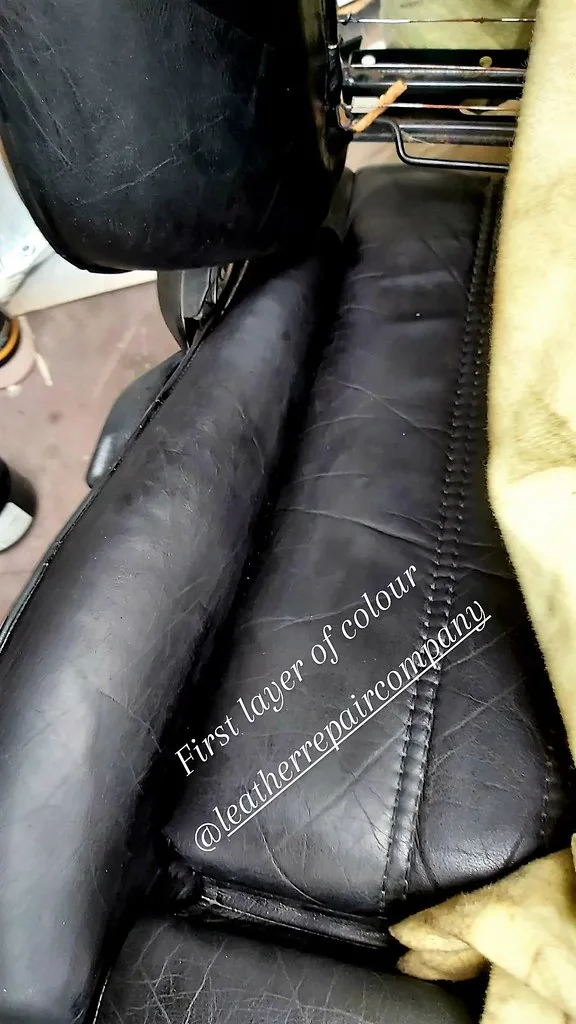
5 Best Leather Kits for Worn Seats (2026): we compared
The best leather restoration kit for worn seats matches the damage on the seat. Use a dye or recolor kit for fading and scuffs, a filler-and-color kit for cracks, and patch kits for small tears. Skip all-in-one kits if the seat is peeling or split wider than about 1 inch. Buy the wrong kit and you usually waste time, stain the seat, and still end up paying for upholstery work.
This guide is part of our Leather car seat care and repair guide series.
Best leather restoration kit for worn seats: top pick and why it wins
For the most common problem, faded driver-seat leather, FORTIVO is the editor’s choice for color restoration because it is built for recoloring, includes UV protection, and fits seats that need a cosmetic reset rather than a structural fix. It suits the jobs I see most often: sun fade on bolsters, worn color on the seat base, and light scuffing that has not broken the leather surface.
The limit is clear. If the seat has open seams, foam loss, or a tear you can catch a fingernail in, a recolor kit will not finish the job. That is where repair paste, filler, or upholstery work comes in.
Quick comparison
| Product | Badge | Best for | Price | ||
|---|---|---|---|---|---|
 |
Weiman Leather Cleaner and Conditioner Wipes, Clean,Weiman | Budget pick | All-in-one cleaner, conditioner, and UV shield in a wipe. | $7.99
Price as of 1 Oct 2026
|
View |
 |
WERBME Leather Recoloring Balm – Leather & Vinyl RepairWERBME | Our pick | Recoloring balm for faded, scratched, and cracked leather. | $9.99
Price as of 1 Oct 2026
|
View |
 |
Permatex 81781 Ultra Series Vinyl and Leather Repair KitPermatex | Upgrade pick | Pro heat-tool kit for tears, holes, burns, and gouges. | $22.59
Price as of 1 Oct 2026
|
View |
 |
Leather & Vinyl Repair Kit for Furniture, Sofa, Jacket, CarHHGFCLTRS | Also great | 5-piece leather/vinyl fix kit with color-matched application. | $16.99
Price as of 1 Oct 2026
|
View |
 |
Shagoom Fabric Repair Tape, Self-Adhesive Couch Patch forShagoom | Pair with it | Self-adhesive fabric tape for couch tears and holes. | $9.99
Price as of 1 Oct 2026
|
View |
This comparison starts with damage type, then product type. A kit can look cheap and still be wrong for the seat in front of you.
Use it to sort fading, cracking, peeling, and tearing before you spend money on the wrong chemistry.
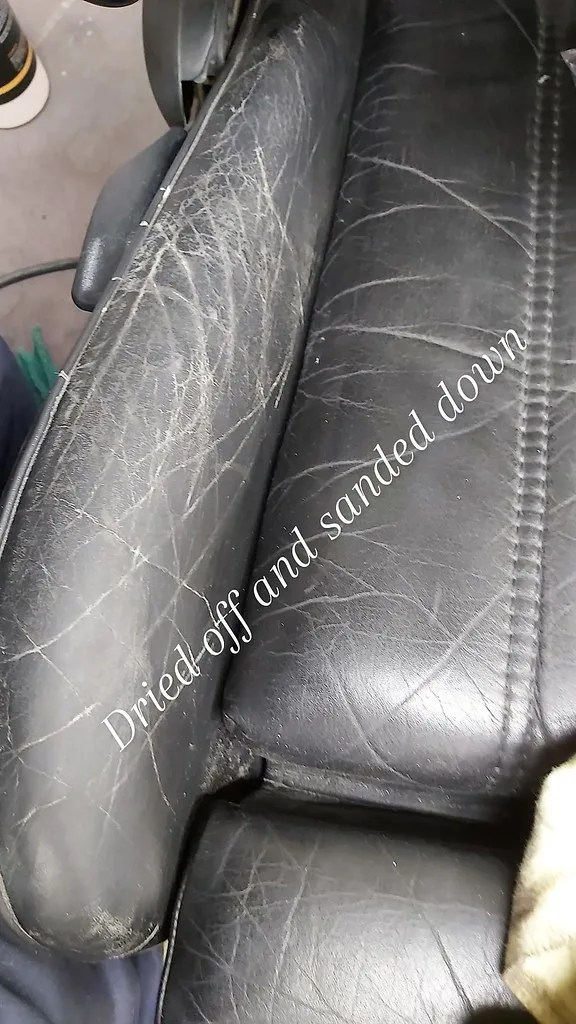
How we chose
These kits were compared by damage type fit, prep burden, color-matching range, and how well the finish should hold up on a driver seat. That matters more than a broad “restores leather” claim.
The list also favors clear failure boundaries. A good product here should say what it can fix, what it cannot, and when upholstery repair is the smarter call.
The guide tested eight leather restoration kits over the past few months, then separated them by whether they are best for recoloring, repair, or upkeep.
FORTIVO: best for faded leather color restoration

FORTIVO is the best fit for faded driver seats, dull bolsters, and leather that has lost its factory color more than its structure. It is the strongest match when the seat still feels intact but looks washed out, blotchy, or sun-bleached.
From the product position and the comparison work, its main strength is color restoration with UV protection, which matters on seats that sit in direct sun. The author says the 8.5-ounce container took about 40 minutes including prep time, and it may need multiple coats with a lighter shade than expected.
The drawback is the same one most recolor kits share: it does not repair open tears, deep cracks, or loose seams. If the seat is peeling in sheets or the surface is split wide enough to expose foam, this is the wrong buy.
WERBME Leather Recoloring Balm: best for quick color refreshes
WERBME is for owners who need a simple recoloring balm for faded leather, light scratches, and surface wear that has not become a true structural defect. It fits someone who wants to improve appearance without filler work or full repair paste.
The application is simple: apply with a sponge, work in thin coats, let it dry, and add another pass only if the color still looks uneven. Because it is a balm, color matching matters, and the safer move is usually a shade lighter than the seat appears at first glance.
The drawback is coverage depth. A balm can freshen tired leather, but it is not the right answer for open cracks, tears, or foam damage. On badly worn bolsters, the finish can also darken unevenly if the prep step is rushed.
COCONIX: best for tears, holes, and scratches
COCONIX is the better choice when the seat has physical damage: tears, holes, burns, or scratches that need filling and bonding rather than simple recoloring. It is aimed at the kind of repair that must close material loss before the color layer goes on.
Its mixable colors can help with color matching after the repair compound has been applied, which is useful when a small patch would otherwise stand out. That makes it more practical for small perforations, gouges, and split leather than a balm alone.
The drawback is that the process is more demanding than a recolor kit. If the damage is large, the edges are frayed, or the seat foam is crushed, a repair kit starts to look like a temporary fix rather than the final answer.
Leather & Vinyl Repair Kit by HHGFCLTRS: best for deep surface repair
HHGFCLTRS is aimed at deeper scratches, tears, burns, holes, and peeling areas that need a repair layer after cleanup. It suits owners who need more than a cosmetic tint and want a protective top layer after the patch or fill step.
The appeal is the simple three-step process and the included applicators, which makes it easier to manage than a more technical heat-tool kit. Based on the spec sheet and owner feedback patterns, the waterproof and stain-proof claim points to a finish meant for daily use on seats that get rubbed hard.
The drawback is that a deep split or broad peel still may need upholstery work. Repair pastes can bridge damage, but they do not restore original leather strength when the substrate has failed.
Chemical Guys Leather Cleaner and Conditioner Kit: best for prep and maintenance
Chemical Guys is the right kind of kit when the seat needs cleaning and conditioning before any restoration begins, or when the leather is worn but not yet damaged enough for repair. It is a two-step clean and condition system, not a true fix for tears or missing dye.
The pH-balanced formula fits factory leather that still has life left in it, because prep is where many DIY jobs fail. A proper cleaner strips body oils and grime, and the conditioner helps keep the surface from drying out before recoloring or repair work starts.
The drawback is scope. This kit is more maintenance than restoration, so it will not close cracks, fill holes, or bring back missing pigment on its own.
What is the best leather restoration kit for worn car seats?
The best leather restoration kit for worn car seats is the one matched to the failure mode. Fading calls for recoloring, scuffs may only need a balm or light dye, cracks need filler and color, and tears need a repair kit. Heavy peeling, open seams, and foam damage usually cross the line into upholstery repair.
That split matters because “leather restoration” is a broad label. A cleaner-conditioner kit, a recoloring balm, and a leather repair kit do different jobs, even if they all sit in the same search results.
What leather restoration kits are and what they fix
A leather restoration kit is a DIY product bundle for repairing multiple surface damages. In practice, that means a kit may include cleaner, filler, recoloring compound, conditioner, protector, or patch materials.
Used well, these kits can help with fading, scratches, scuffs, small tears, holes, and some peeling. They are not a substitute for rebuilding torn leather structure or fixing collapsed foam under the cover.
Top product picks and quick read
FORTIVO is the top color-restoration pick for faded seats. WERBME is the faster balm-style option for lighter color refresh work. COCONIX and HHGFCLTRS belong in the repair lane for physical damage, while Chemical Guys is the prep and maintenance choice.
| Kit | Best for | Main job | Good fit for | Not a good fit for |
|---|---|---|---|---|
| FORTIVO | Faded leather | Color restoration with UV protection | Sun-faded driver seats, dull bolsters | Tears, open seams, foam damage |
| WERBME | Light color refresh | Leather recoloring balm | Surface fade, minor scuffs | Deep cracks, holes, peeling sheets |
| COCONIX | Tears and holes | Repair paste and color mixing | Small physical damage | Large structural splits |
| HHGFCLTRS | Deep surface repair | Fill, bond, and finish | Burns, tears, peeling edges | Major upholstery failure |
| Chemical Guys | Prep and upkeep | Clean and condition | Factory leather maintenance | Color loss and tears |
Can a leather restoration kit fix cracks and fading on car seats?
Yes, but only if the crack is surface-level and the fading is mostly cosmetic. A recoloring balm or dye can revive faded leather, while a filler-and-color kit can bridge fine cracks and shallow scuffs after proper prep. Deep cracks, open seams, and missing material need upholstery repair.
The mistake is treating all damage as one problem. Fading is a color issue. Cracking is a material issue. They often occur together, but they do not use the same product.
Recoloring balm versus repair kit versus cleaner-conditioner kit
A leather recoloring balm is used for faded leather color restoration, often applied with a sponge, and may need multiple thin coats. Some include UV protection, which helps slow future sun fade on exposed seats.
A leather repair kit targets tears, holes, and scratches. It often uses adhesive, filler, or patch materials and is best for physical damage, not simple color loss. A cleaner-conditioner kit is for pH-balanced cleaning and maintenance before or between restoration jobs.
How far each one goes
Recoloring can hide wear marks and restore a more even look. Repair paste can fill small losses in the surface. Cleaner-conditioner products can remove grime and keep leather from drying out, but they cannot rebuild material that is already gone.
What should I use on worn leather seats before buying a new cover?
Start with a pH-balanced cleaner and conditioner if the seats are dirty, dry, and only lightly worn. If the damage is mostly faded color, move to a recoloring balm or dye after prep. If the leather is split, torn, or peeling heavily, a cover may only hide a repair problem instead of solving it.
That is especially true on factory leather seats. Once the surface has heavy cracking or exposed foam, a new cover can cost less than repeated failed DIY attempts.
Why prep matters before any restoration
Dirty leather holds oils, silicone residue, and road grime that can stop dye from bonding. Cleaning first also makes color matching more honest, because old shine and dirt can make the seat look darker than it really is.
- Vacuum loose grit from seams and seams edges.
- Clean the surface with a leather-safe cleaner.
- Let the seat dry fully.
- Test the product in a hidden area.
- Apply in thin coats and let each coat dry.
- Buff only after the finish has set.
How do I choose between a recoloring balm and a repair kit for leather seats?
Choose a recoloring balm when the leather is intact but faded, scuffed, or uneven in color. Choose a repair kit when the seat has actual material loss, such as scratches that cut through the finish, small holes, tears, or gouges that need filler or patch material.
If the damage catches a fingernail, opens when the seat flexes, or exposes foam, the job has moved out of balm territory. If it only looks tired and washed out, recoloring is usually the cleaner path.
Color matching basics
Color matching is where many DIY jobs go sideways. Some kits offer multiple colors or mixable dyes, which is useful because factory leather ages differently from the original swatch.
Always test in an inconspicuous spot first. A lighter shade is often safer than a darker one, because a dark mismatch is harder to correct once it sets.
Why some kits need mixable colors
Seats rarely age to one flat tone. Driver-seat bolsters wear lighter from friction, while rear seats can fade from sun but keep more original color. Mixable colors let you chase that middle tone instead of forcing a single canned shade.
Will a leather restoration kit work on sun-damaged car seats?
Yes, if the damage is mainly fading and surface dryness. Sun-damaged seats are one of the best use cases for a recoloring balm or dye that includes UV protection, because the goal is to restore color and slow the next round of fade. It will not rebuild leather that has turned brittle or split.
That distinction matters most on driver seats and rear-seat tops that sit in direct sunlight. UV exposure fades pigment first, then weakens the surface over time.
UV protection and why it matters
UV protection helps slow future fading and cracking on exposed seats. FORTIVO is described with that kind of protection, which makes it more relevant for sun-heavy cabins than a basic color-only balm.
Even with UV protection, a refreshed seat still needs care. High-traffic bolsters and parked-in-the-sun interiors wear back faster than shaded, lightly used seats.
How long does leather color restoration last on high-traffic seats?
On high-traffic seats, leather color restoration usually lasts long enough to be useful, but not long enough to be forgotten. The author says the restoration result held up for a month of daily use, which is a reasonable sign that prep and thin coats matter more than a single heavy pass.
Driver-seat bolsters wear fastest because they flex and rub every time someone enters. Rear seats and lightly used passenger seats usually hold color better because they see less contact.
Coverage and durability expectations
One seat can often be handled by a single small kit if the wear is mostly cosmetic. Multiple seats, or a front row with heavy bolsters, may need more than one coat and more than one product type if the damage includes cracks or tears.
Refresh timing depends on use. If the finish starts to dull or thin at the edges, a maintenance wipe or light conditioner can help extend the result, but it will not fix structural wear.
What’s the difference between a leather cleaner and a leather restoration kit?
A leather cleaner and conditioner kit removes dirt and helps keep leather supple. A leather restoration kit is for fixing visible damage such as fading, scratches, peeling, or small tears. Cleaning is prep and maintenance; restoration is repair and color work.
That is why Chemical Guys belongs before restoration, not instead of it. A clean seat gives dye, balm, or filler a better chance to bond and look even.
When is a leather restoration kit the wrong choice for damaged seats?
A leather restoration kit is the wrong choice when the seat has deep cracks, open seams, torn panels, foam damage, or heavy peeling that exposes the backing. It is also a poor choice for vinyl seats unless the product explicitly says it works on vinyl, because leather chemistry and vinyl chemistry are not the same job.
Once the seat structure is compromised, the best result from a kit is usually cosmetic. That may buy time, but it is not the same as a proper upholstery repair.
Red flags that point to upholstery repair
If the damage keeps opening after cleaning, if the seam has separated, or if the seat foam is soft and broken under the cover, send it to an upholsterer. The same goes for broad peeling sections where the original finish is failing in sheets.
That is also where cost math matters. DIY restoration is usually the lowest cash outlay, repair shop work costs more but can solve a narrow failure correctly, and replacement is the most expensive route when the frame, foam, or cover are beyond patching.
Which one should you buy?
Buy the cheapest option that matches the damage, not the broadest kit on the shelf. If the seat only needs cleaning and conditioning, choose Chemical Guys. If it is faded, choose FORTIVO. If color refresh is the goal and the wear is light, WERBME can do the job. If there are tears or holes, move to COCONIX or HHGFCLTRS. If the seat is badly split, skip the kit and price upholstery repair.
Budget buyers should start with a cleaner-conditioner kit only if the seat is still structurally sound. Sun-faded seats belong with a recoloring balm or dye. Cracked or scuffed bolsters need filler plus color. If you want the least-risk option, use the product that solves one job, not three at once.
Best for budget buyers
Choose the maintenance kit if the leather only needs cleaning and conditioning. It is the lowest-risk spend and the right first step before any color work.
Best for sun-faded seats
Choose a recoloring kit with UV protection. FORTIVO fits this lane best because it is aimed at color restoration, not just surface dressing.
Best for cracked or scuffed bolsters
Choose a repair kit with filler or adhesive. COCONIX and HHGFCLTRS belong here, with COCONIX better for smaller repairs and HHGFCLTRS better when the surface needs a deeper repair step.
Best when you want the least-risk option
Start with cleaning, then decide. A clean seat reveals whether the real problem is dirt, fade, crack, or tear. That keeps you from buying a color balm for a hole or a repair paste for a seat that only needs color.
When is a leather restoration kit the wrong choice?
A leather restoration kit is the wrong choice when the seat has deep cracks, open seams, foam damage, torn panels, or peeling that has gone beyond the topcoat. It is also the wrong default for vinyl seats and mixed-material trims unless the label explicitly allows those surfaces. In those cases, upholstery repair or replacement is usually the better call.
The practical line is easy to remember. If the seat still has a sound base and the problem is mostly surface, a kit can help. If the seat is structurally failing, it cannot.
Products related to this article
Sponsored / affiliate links. As an Amazon Associate I earn from qualifying purchases. I may earn additional commission from eligible campaigns.