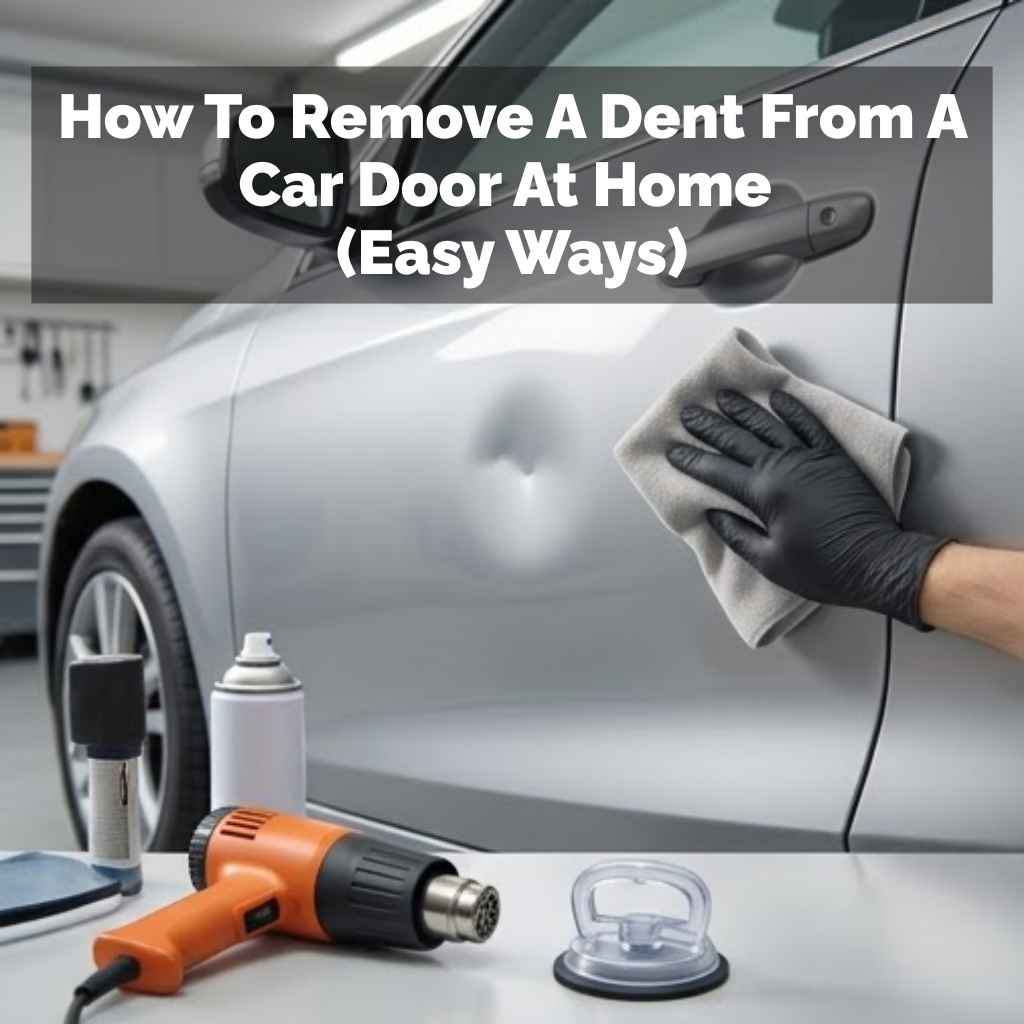
How To Remove A Dent From A Car Door At Home (Easy Ways)
Many car door dents can be safely removed at home using gentle heat, cold, or pressure. Simple DIY techniques often involve a hairdryer and compressed air, a plunger, or specialized dent puller kits. Success depends on the dent’s size, location, and metal type. Always start with the least invasive method and test in an inconspicuous area.
Understanding Car Door Dents
Car doors are common spots for dents. This is because they stick out and are often the first point of contact in minor accidents. The metal on car doors is usually thin. This makes it more prone to denting. When an object hits the door, it pushes the metal inward. This creates the visible dent. Sometimes, the paint can crack or chip. This makes the repair more complex. Other times, the paint stays intact. These are often called “paintless dents.” These are the ones we have the best chance of fixing at home.
The type of metal matters too. Aluminum doors might react differently than steel doors. Modern cars often use advanced steel alloys. These can be stronger but also more forgiving when heated or cooled. Understanding the basics of how a dent forms helps you choose the right method to try. It’s like knowing how something is broken before you try to fix it. You want to work with the metal, not against it.
My Own Dent Disaster
I remember it clearly. It was a rainy Tuesday evening. I had just pulled into my driveway after a long day at work. I was tired and not paying full attention. As I swung my car door open, I heard a horrible scraping sound. My heart sank. I looked down and saw it. A nasty, deep crease right on the edge of my driver’s side door. It looked like someone had taken a crowbar to it. Panic set in. My mind immediately went to the cost of a body shop. I pictured weeks without my car and a bill that would make my eyes water.
I spent the next few days staring at that dent. It felt like a giant, ugly scar. I Googled “car dent repair” and saw prices that confirmed my fears. Then, I stumbled across a forum where people were sharing DIY fixes. Some sounded too good to be true. Others were more realistic. I decided to try the hairdryer and compressed air method. It seemed low-risk. The first try didn’t do much. I was about to give up. But I tried again, focusing the heat and then the cold. Slowly, ever so slowly, the dent started to pop out. It wasn’t perfect, but it was a million times better. I felt a huge wave of relief and a sense of accomplishment. It taught me that sometimes, a little patience and the right approach can save you a lot of hassle and money.
Things to Consider Before You Start
- Dent Size & Shape: Small, shallow dents are easiest. Sharp creases or very large dents are harder.
- Paint Condition: If the paint is cracked, these methods might not work. They are best for dents without paint damage.
- Metal Type: Some metals are more flexible than others.
- Location: Dents on flat panels are easier than those on body lines or curves.
Method 1: The Hot and Cold Shock
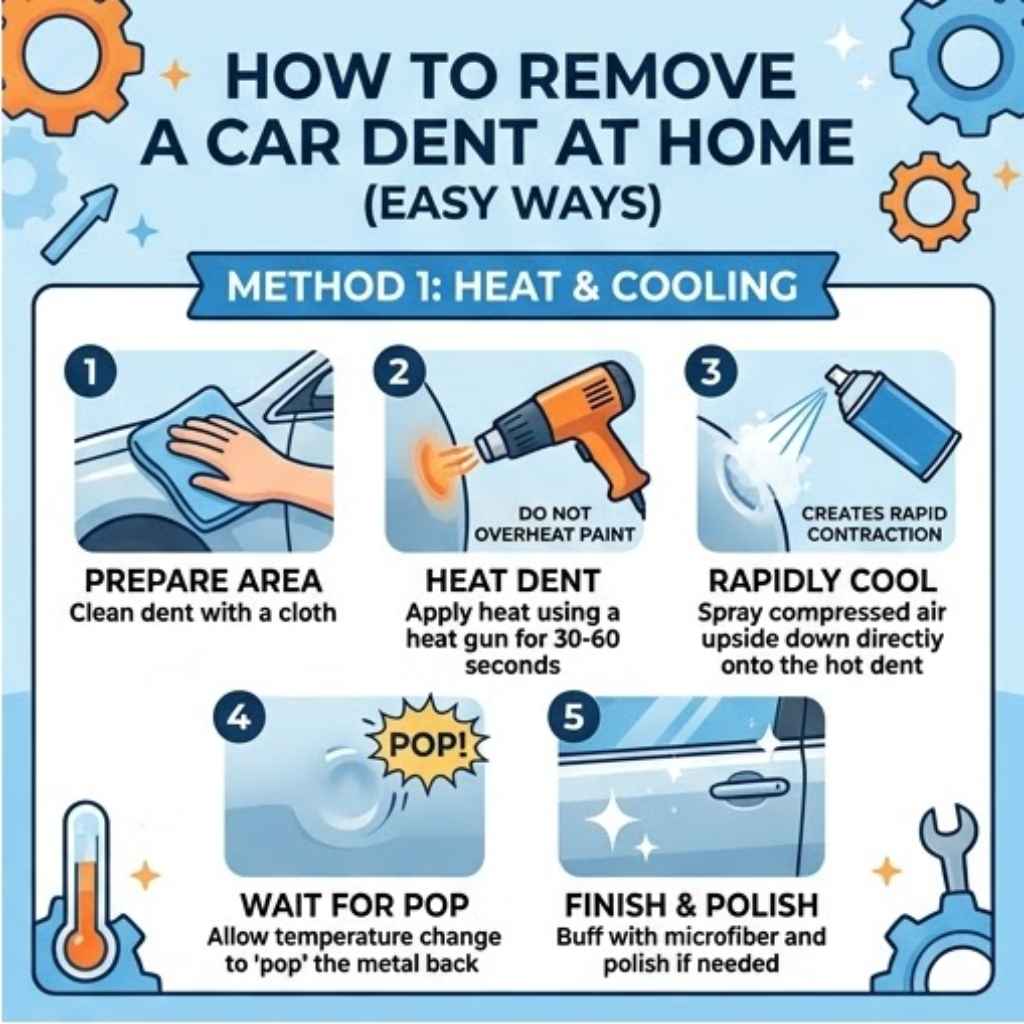
This is one of the most popular DIY methods. It uses temperature changes to make the metal expand and contract. This can sometimes pop the dent back into place. You’ll need a hairdryer and a can of compressed air. You can find these at most hardware or office supply stores. Make sure the compressed air can is one you can hold upside down.
First, clean the dented area really well. You want to remove any dirt or grime. Then, grab your hairdryer. Turn it on to the hottest setting. Hold it about 6 inches away from the dent. Heat the area for about 1 to 2 minutes. You want the metal to get warm, but not scorching hot. Be careful not to overheat one spot.
Once the area is warm, take your can of compressed air. Turn it upside down. Spray the cold air directly onto the center of the dent. You’ll see frost form. The sudden cold causes the metal to contract quickly. This rapid expansion and contraction is what can push the dent out. You might hear a popping sound. That’s a good sign!
You might need to repeat this process a few times. It’s often not a one-shot deal. Let the metal cool down a bit between attempts. Gently push on the edges of the dent from the inside if you can access it. This can help guide the metal back into place. This method works best on larger, shallower dents where the metal has some give.
Quick Steps: Hot & Cold
- Clean: Wash and dry the dented area.
- Heat: Use a hairdryer on high heat for 1-2 minutes.
- Cool: Spray inverted compressed air onto the dent for 10-15 seconds.
- Wait: Let the metal rest.
- Repeat: Do this up to 3-4 times if needed.
Method 2: The Plunger Trick
A simple sink plunger can be surprisingly effective for certain types of dents. This method uses suction to pull the dent outwards. It works best on relatively flat surfaces where you can get a good seal. You need a clean, flat plunger – not a fancy toilet plunger with a flange.
First, make sure the dented area is clean and slightly damp. A little bit of water can help create a better seal. Now, position the plunger directly over the center of the dent. Press down firmly. You want to push out as much air as possible from under the plunger. This creates suction.
Once you have a good seal, give the plunger a firm, steady pull. Yank it outwards. The suction should hopefully pull the dent with it. You might need to try this several times. Sometimes, a series of quick pulls works better than one big one. If it doesn’t work on the first try, reposition the plunger and try again.
This method is less about temperature and more about direct force. It’s a good option for dents that aren’t too deep or creased. Think of it like pulling a stubborn cork out of a bottle. You need grip and a good pull. If the dent has sharp edges or is on a curve, the plunger might not get a good seal. This limits its effectiveness.
Plunger Technique Tips
- Clean Surface: A clean, slightly wet surface helps suction.
- Good Seal: Ensure the plunger edge is flat against the car door.
- Steady Pull: Avoid jerky movements. A firm, consistent pull is best.
- Multiple Attempts: Don’t get discouraged if it takes several tries.
Method 3: Dent Puller Kits
There are many dent puller kits available online and at auto parts stores. These kits vary in design. Some use hot glue. Others use a suction cup system with a pulling arm. They are often designed specifically for car dents. They can be a good option if simpler methods don’t work.
The most common type involves a strong suction cup. You attach this cup to the center of the dent. Then, you use a lever or a screw mechanism to pull the cup outwards. This action pulls the dent with it. It’s like a more controlled version of the plunger trick.
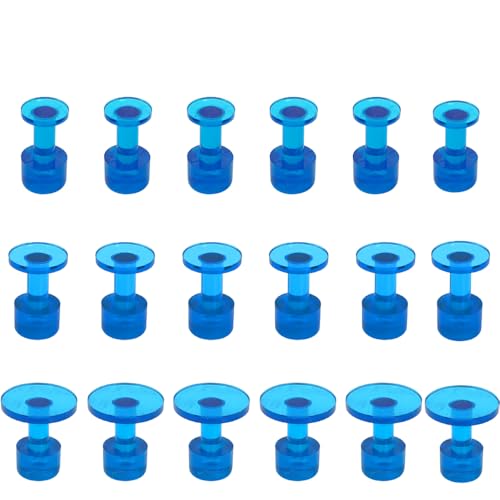
Another popular type uses hot glue. You apply special glue tabs to the dent. Then, you attach a pulling tool to these tabs. Once the glue cools and hardens, you use the tool to pull the tabs (and the dent) outwards. These kits often come with detailed instructions. Always follow them carefully.
When using a kit, always follow the manufacturer’s instructions. These kits are designed to apply force evenly. This helps avoid further damage. They can be very effective on moderate dents. Some professional detailers even use these kits for minor repairs. Just be patient. Sometimes it takes a few pulls to get the dent to pop out.
What’s in a Dent Puller Kit?
Common items include:
- Suction Cups: Various sizes for different dents.
- Pulling Tools: Levers, bridges, or slide hammers.
- Glue Tabs: For hot glue kits.
- Hot Glue Gun & Glue Sticks: Special formulations for car repair.
- Release Agent: To remove glue residue.
Method 4: Accessing the Back of the Dent
If you can access the back of the dented area, you have more options. This often involves removing the interior door panel. This might sound daunting, but it’s sometimes necessary for deeper dents. You’ll need some basic tools like screwdrivers and plastic trim removal tools. Check online for guides specific to your car model.
Once the panel is off, you can use your hands or a rubber mallet to gently push the dent out. Start by gently pushing the edges of the dent inward. Then, work your way towards the center. Use light, steady pressure. You don’t want to create new damage.
Another tool you can use is a specialized dent removal rod. These are long, thin metal rods with various tips. You slide them between the door and the inner structure. Then, you carefully use the tip to massage the metal back into its original shape. This takes a lot of skill and patience. It’s easy to overdo it. If you’re not comfortable with this, it’s best to leave it to professionals.
This method offers the most control. You can feel the metal as you work it. It allows for precise adjustments. However, it also carries the highest risk of causing more damage if done incorrectly. Always go slow and be gentle. It’s better to make small, repeated efforts than one big push.
Accessing the Dent: Key Steps
If you can get to the back:
- Remove Door Panel: Carefully detach the interior panel.
- Locate Dent: Identify the backside of the damaged area.
- Gentle Pushing: Use hands or a rubber mallet with light pressure.
- Use Tools: Dent rods can be used for careful manipulation.
When to Call a Professional
While DIY methods can save you money, they aren’t always the answer. There are times when you should definitely seek professional help. If the dent is very deep or has sharp creases, it might be too difficult to fix without specialized tools and knowledge.
If the paint is cracked, chipped, or severely scratched around the dent, a DIY repair won’t fix the paint. You’ll need a professional painter. Trying to pop out a dent with damaged paint can make it worse. It could lead to rust issues down the line.
Dents on body lines or curves can be very tricky. These areas have complex metal structures. Pushing or pulling them incorrectly can distort the shape permanently. It’s also wise to call a pro if you’ve tried a few DIY methods and they haven’t worked. Sometimes, the dent is just beyond what a beginner can fix safely.
The cost of a professional repair is an investment in your car’s appearance and value. For valuable cars or complex damage, it’s often the safest bet. They have the experience and equipment to do the job right the first time. This prevents more costly repairs later.
Signs You Need a Pro
- Deep Creases: Sharp, folded metal.
- Paint Damage: Cracks, chips, or deep scratches.
- Complex Areas: Dents on body lines or edges.
- Large Dents: Bigger than a handprint.
- Failed DIY Attempts: If your efforts didn’t work.
Preventing Future Dents
The best way to deal with dents is to avoid them. While not always possible, some simple habits can help. Be mindful when parking your car. Choose spots with more space around them. Avoid parking next to large vehicles like trucks or SUVs if possible. Also, avoid parking near cart returns.
When opening your car doors, especially in tight spaces, check your surroundings. Look for other cars, walls, or objects. If you have children, teach them to be careful when opening doors. Car door edge guards can also help protect your doors from minor bumps. These are inexpensive and can save a lot of heartache.
Consider investing in paint protection film. This clear film can protect your paint from minor scratches and chips. While it won’t prevent a major dent, it can add a layer of defense. Regular car washes and waxing can also help maintain your paint’s condition. This makes it more resilient.
Finally, be aware of your surroundings. When driving, maintain a safe distance from other vehicles. Watch out for debris on the road. Taking these small precautions can significantly reduce the chances of getting a dent. Prevention is always better than cure, especially when it comes to car body damage.
Frequently Asked Questions
Can I really fix any dent at home?
No, not all dents can be fixed at home. Small to medium-sized dents without paint damage are the best candidates. Deep creases, sharp dents, or dents with paint cracks usually require professional attention. It’s important to assess the damage realistically.
Will the hot and cold method damage my car’s paint?
When done correctly, the hot and cold method is generally safe for car paint. Avoid holding the hairdryer too close or for too long, as this could damage the paint. The goal is to warm the metal, not to cook the paint. Also, be gentle with the compressed air.
How do I know if I can access the back of the dent?
You can usually tell if you can access the back by looking at the door panel. If there are visible screws or seams where the panel meets the door frame, you might be able to remove it. Checking your car’s manual or looking up videos online for your specific model is the best way to find out.
Are DIY dent repair kits worth the money?
Yes, many DIY dent repair kits can be worth the money if you have a suitable dent. They are much cheaper than professional repairs. However, their effectiveness depends on the dent and your skill. For simple dents, they can be very successful.
What is “paintless dent repair” (PDR)?
Paintless Dent Repair (PDR) is a method used by professionals. They use special tools to push dents out from the back of the panel. This process doesn’t involve filling or repainting. It keeps the original factory finish intact. DIY methods like the ones discussed aim to achieve a similar result on a smaller scale.
How long does a DIY dent repair take?
The time it takes varies greatly. Simple methods like the hot and cold trick might take 15-30 minutes, including repetitions. Using a dent puller kit might take an hour or more, depending on your familiarity with it. Accessing the back of the dent and carefully pushing it out can take several hours.
Final Thoughts
Dealing with a car door dent can be a stressful experience. But as we’ve explored, many minor dents don’t have to mean a costly repair. By understanding the different methods and being patient, you can often fix them yourself. Remember to start with the gentlest approach. Always assess the dent and your car’s paint before you begin. With a little effort and the right technique, you might just surprise yourself with what you can achieve.
Products related to this article
Sponsored / affiliate links. As an Amazon Associate I earn from qualifying purchases. I may earn additional commission from eligible campaigns.