3 Best Leather Conditioners for Cars: Based on Specs and Reviews
The best leather conditioner for car seats is a pH-balanced, water-based product with UV blockers for finished automotive leather; choose a cleaner-conditioner, not an oily cream, if the seats are dry, matte, or used in hot climates. Wrong products can leave seats slippery, shiny, stained, or prematurely cracked. This guide matches conditioner type to leather finish, climate, and driving pattern, so you can buy the right one.
Quick comparison
| Product | Badge | Best for | Price | ||
|---|---|---|---|---|---|
 |
Lexol All Leather Conditioner for Car Seats, Furniture,Lexol | Our pick | 16.9 oz · conditioner · multipurpose | $11.99
Price as of 24 Oct 2026
|
View |
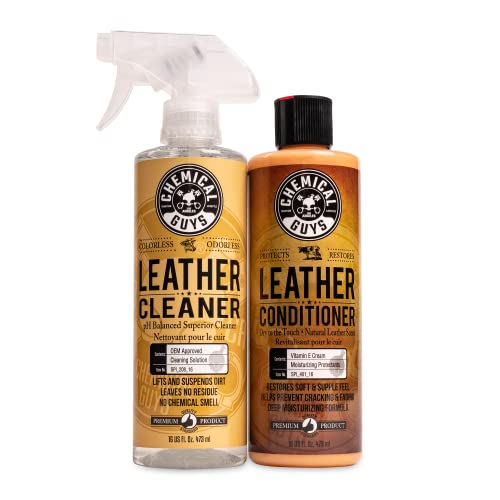 |
Chemical Guys, Leather Cleaner & Conditioner Kit for Cars &Chemical Guys | Also great | 2 x 16 oz · kit · two-step | $27.99
Price as of 24 Oct 2026
|
View |
 |
Leather Honey Leather Conditioner – Non-Toxic & Made in theLeather Honey | Upgrade pick | Leather conditioner · all leather · non-sticky | $19.99
Price as of 24 Oct 2026
|
View |
 |
Meguiar’s Gold Class Rich Leather Cleaner & Conditioner –Meguiar’s | Budget pick | 6 pack · 15.2 oz · spray | $54.99
Price as of 24 Oct 2026
|
View |
 |
Bick 4 Leather Conditioner & Cleaner, Won’t Darken Boots,Bickmore | Pair with it | 8 oz · conditioner · wax-free | $12.99
Price as of 24 Oct 2026
|
View |
The safest pick depends on the seat surface, not a universal “best” bottle. Factory-coated leather in a daily driver needs a different formula than aniline or unfinished leather, and black seats bring different color-risk concerns than tan, gray, brown, or white interiors.
If you want one clean rule: cleaner-only for dirty seats, conditioner-only for already-clean seats, and a cleaner-plus-conditioner kit for normal maintenance on coated factory leather.
How we chose
We compared the listed products on four practical points: automotive-safe chemistry, residue risk, color-change risk, and fit for daily drivers and parked-in-sun vehicles.
We also weighed whether each formula was better for coated factory leather, color-sensitive leather, or seats that need a simple one-step maintenance product.
Finally, we looked at application burden. A product that wipes off cleanly and leaves little film ranks higher for most car seats than a heavier dressing that can darken trim or feel slick.
Leather conditioner decision table
| Seat / use case | Coated factory leather | Light-colored leather | Black leather | Cracked seats | Daily drivers | Sun-exposed cars | Cleaner-only | Conditioner-only | Cleaner + conditioner |
|---|---|---|---|---|---|---|---|---|---|
| Safest product category | Yes | No, use non-color-altering care | Yes, with black-specific or color-safe care | No, conditioner can help the feel but will not fix damage | Yes | Yes, with UV-minded care | Yes when dirt is the main issue | Yes when seats are already clean | Yes for normal maintenance |
| Use with pH-neutral leather cleaner first | Yes | Yes | Yes | Yes, before any conditioner | Yes | Yes | Yes | No, if the seat is already clean | Yes |
| Thin-layer application only | Yes | Yes | Yes, to avoid sheen | Yes, often two light coats | Yes | Yes | No | Yes | Yes |
| Best for residue-sensitive interiors | Yes | Yes | Yes, if it stays non-sticky | No, use careful spot care only | Yes | Yes, if applied lightly | Yes | Yes | Only if wiped completely dry |
Cleaner-plus-conditioner: best for daily drivers

A cleaner-plus-conditioner kit fits normal wear because factory automotive leather collects skin oils, dust, and road grime at the same time. A pH-neutral leather cleaner should come first, because it lifts dirt without stripping the finish, then a thin conditioner layer can help keep the leather from drying out and stiffening.
JustAnswer notes that Lexol is sold as two separate bottles, one cleaner and one protectant, which is the right format when you want control over each step. That matters more than a one-step promise for seats that are used every day.
Best fit and limits
This format works best on coated factory leather in daily drivers, especially when the bolsters, seat bottoms, and door-contact areas show dulling before the rest of the cabin. Doc Bailey’s advises paying extra attention to seat bolsters, which is where wear often shows first.
The limit is residue control. Too much conditioner can leave a greasy film, darken some finishes, sling onto clothing, or make the seat feel slick. Avoid soaking the leather, and do not chase shine.
Conditioner-only: best for maintained seats
Conditioner-only makes sense when the seats are already clean and you mainly want to slow drying and keep the finish supple. Leather conditioner adds moisture and should be used in a thin layer; it is not a substitute for cleaning dirt off first, but it can be the right maintenance step for lightly worn interiors.
Bick 4 stands out here because it is wax-free and marketed as a non-darkening option, which is useful when you want minimal change to the seat’s appearance. Leather Honey is also positioned as safe for all leather colors, which helps when the main concern is avoiding visible color shift.
Best fit and limits: this option suits garage-kept vehicles
This option suits garage-kept vehicles, lightly used weekend cars, and seats that already look clean but feel dry. It is also the safer path for tan, gray, brown, and other colored leather when you want a formula that does not alter the finish tone.
The limit is that conditioner-only will not remove embedded grime. If the surface feels tacky, looks gray in stitching, or shows body-oil build-up on the bolsters, clean first.
Cleaner-only: best for dirty seats
Cleaner-only is the right first move when the seat looks dirty, not dry. A pH-neutral leather cleaner is designed for automotive leather, and a soft-bristled detailing brush can agitate cleaner in seams and textured grain without scratching the leather surface.
Use a clean, lint-free microfiber cloth to wipe loosened dirt away. That keeps the finish from holding onto residue, and it reduces the risk of pushing grime deeper into the grain.
Best fit and limits: this is the safest choice
This is the safest choice when the leather is coated, the finish is intact, and the main issue is dust, body oils, or a dull film. Autogearadvisor recommends a pH-neutral leather cleaner and a soft-bristled leather brush, and it also says to avoid soaking leather.
The limit is obvious: cleaning alone does not add conditioning benefits. If the seat still looks dry after cleaning, follow with a thin conditioner layer once the surface is fully dry.
What is the best leather conditioner for car seats?
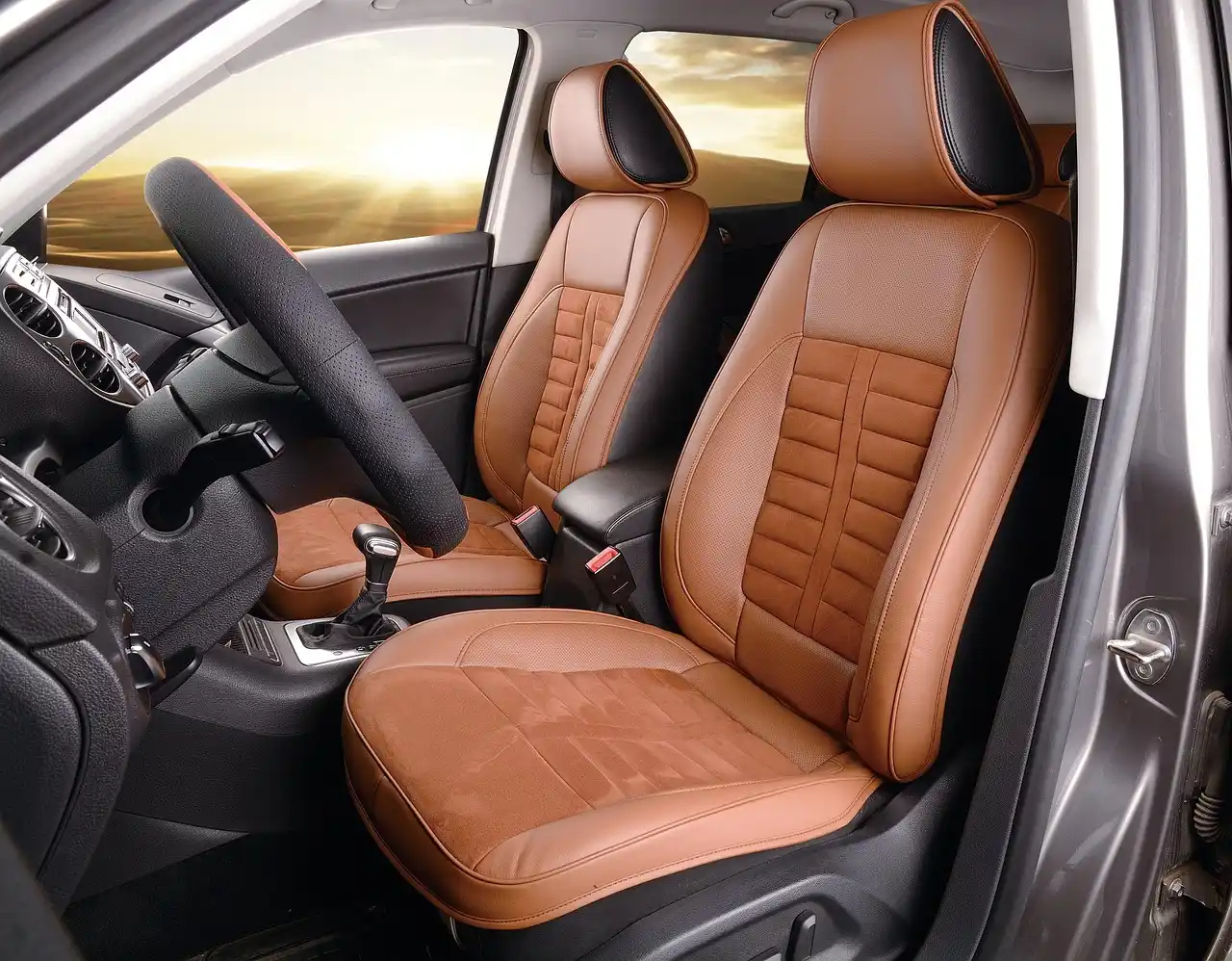
The best leather conditioner for car seats is a pH-balanced, water-based product that matches the seat finish and climate. For finished automotive leather, look for a non-greasy formula that conditions without making the seat shiny or slippery. If your car sits in hot sun, choose one that is designed to fit UV exposure, not replace shade or parking habits.
For black seats, Leather Black is the better fit when color-restoring care is needed. For tan, gray, brown, or other colors, Leather Clear is the safer choice because it is meant to avoid color change. That split matters because the wrong formula can leave visible darkening on lighter interiors.
Hold off on oily creams if the seats are already soft, or if you hate residue on clothing. A common first-timer mistake is applying too much product at once; that often leaves a glossy patch that attracts dust and feels slick after a short drive.
Top pick by seat type and climate
Coated factory leather in a daily driver: choose a cleaner-plus-conditioner kit such as Chemical Guys or Lexol, because the seats need regular cleaning before any conditioning step.
Light-colored leather: choose a color-safe, non-darkening conditioner such as Leather Honey or Bick 4, then apply it sparingly so residue does not show up on pale surfaces.
Black leather in hot sun: choose a black-specific or color-safe product and keep the layer thin, since black trim often shows shine before it shows dryness.
What is the best leather cleaner and conditioner for car seats?
The best cleaner and conditioner for car seats is a two-step kit if the leather is coated and used often, because it lets you remove dirt first and then feed the surface with a controlled conditioner layer. The same source notes that Lexol makes a cleaner and a protectant solution, and it describes the system as two separate bottles.
Chemical Guys also fits this category because it is sold as a pH-balanced cleaner-and-conditioner kit for natural and sealed leather. That makes it a practical all-in-one purchase for people who want one box rather than separate bottles.
The drawback of combo products is that they tempt heavy use. A one-step spray can be convenient, but if you leave too much behind, you can get a slick seat or a faint film on stitching and trim.
When a two-step kit is smarter
Choose a kit when the seats are used daily, the bolsters are dirty, or you do not know when they were last serviced. It is also the better pick if you want one routine for both family cars and work vehicles.
If the seats are already clean and only feel dry, a conditioner-only product is easier to manage and less likely to over-clean the finish.
What does leather conditioner do for car seats?
Leather conditioner helps restore moisture to finished leather, slows the drying process, and can help reduce the chance of cracking when used correctly. It is not a repair product, and it will not rebuild torn leather, but it can keep a neglected seat from feeling stiff and brittle.
UV exposure is a major driver of fading and cracking, especially for cars parked where windshield sun hits the cabin. UV radiation can break down tanning agents in leather, so conditioning helps, but parking habits and shade matter just as much.
Doc Bailey’s recommends applying in shade or a garage and allowing 20-30 minutes before sitting on treated seats. That wait matters because fresh residue can transfer to clothes or feel slippery if you rush back in right away.
Failure modes to avoid
Greasy residue is the most common mistake. It can attract dust, look patchy in bright light, and make the seat feel slick. Darkening is another risk, especially on light interiors where even a small color shift stands out.
Sling onto clothing is less common with thin, water-based formulas, but it still happens when product is overapplied. Keep the layer light, and buff off anything that remains visible after a short dwell time.
How to condition leather car seats
Start with a clean seat, apply conditioner in a thin layer, and let it absorb before anyone sits down. For coated factory automotive leather, a pH-neutral cleaner should come first because it removes dirt without stripping the finish. Conditioner goes on after the surface is dry.
Use a soft-bristled detailing brush only where the grain or stitching holds dirt. Then wipe with a clean microfiber cloth. Do not soak the leather, and do not leave the surface glossy or wet-looking.
- Vacuum loose grit from seams and bolsters.
- Apply a pH-neutral leather cleaner to a microfiber cloth or applicator.
- Gently agitate textured areas with a soft-bristled detailing brush.
- Wipe away loosened dirt with a clean, lint-free microfiber cloth.
- Let the seat dry fully.
- Apply conditioner in a thin layer, then buff off excess.
- Wait 20-30 minutes before sitting on the seat.
Say your daily driver has 60,000 miles and the driver’s bolster looks dull but not torn. Clean first, then add a light conditioner layer only to the cleaned panels. That approach protects the finish without leaving the whole seat slick.
Which one should you buy?
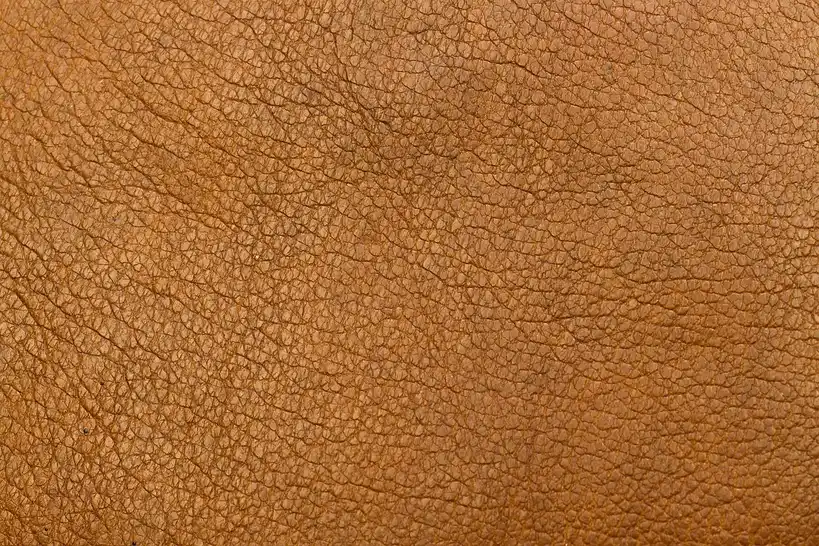
Buy based on seat type, not brand name. If you want the safest all-around maintenance pair for coated factory leather, start with a cleaner-plus-conditioner kit such as Lexol or Chemical Guys. If you want a simpler conditioner for already-clean seats, Bick 4 is the most conservative color-safe choice, while Leather Honey is the better fit when you want a conditioner that is marketed for all colors, including white.
For black seats, Leather Black is the best match when you need color-restoring care. For tan, gray, brown, or other colors, choose Leather Clear or a non-darkening formula, because visible color change matters more on those interiors. That is where black-specific care and clear conditioner need to stay separate.
By climate, hot-sun cars benefit most from regular cleaning plus light conditioning, because UV exposure from windshield sun is a constant stress. In colder garages, the seats may need less frequent conditioning, but they still need a cleaner when dirt builds up.
Suppose your car sits outside five days a week and the seats are starting to feel stiff. Choose a two-step kit, clean first, and condition lightly every few months. If the car is garaged and the leather still looks supple, a conditioner-only product used less often is usually enough.
Decision rules
Best budget pick: Bick 4 if you want a wax-free, non-darkening conditioner for already-clean leather.
Best simple kit: Lexol if you want a cleaner and protectant in separate bottles.
Best one-box maintenance set: Chemical Guys if you want a two-step kit for regular interior care.
Best for color-sensitive interiors: Leather Honey or Bick 4 if the seat is tan, gray, brown, white, or another light color.
Best for black seats: Leather Black if the seat needs black-specific care.
Best for frequent use: Meguiar’s if you want a spray format for quick maintenance, though the six-pack format is more product than many owners need at once.
How often should you condition leather car seats?
Most daily drivers do well with conditioning every 3 to 6 months, but that is not a hard rule. Hot-weather cars, parked-in-sun cars, and heavy-use family vehicles often need attention sooner because UV exposure and frequent contact dry the finish faster.
Garaged vehicles with light use can go longer if the leather still feels supple and looks uniform. If the surface starts to look matte, stiff, or chalky at the edges, it is time to clean and condition again.
Use seat condition to override the calendar. Cracking, rough texture, faded bolsters, and visible dryness all mean the leather wants care sooner than the normal schedule.
Use pattern guide
Daily drivers: inspect every month and condition about every 3 to 6 months if the seats are finished leather and the climate is moderate.
Sun-exposed cars: check more often, since windshield sun can dry the seat surface faster than garage storage.
Garaged or lightly used cars: clean when needed and condition less often, as long as the leather stays soft and the color remains even.
A common first-timer mistake is waiting for visible cracks before acting. By then, conditioner can help with the feel, but it cannot reverse structural damage.
Frequently asked questions
Do I need to condition my leather car seats?
Yes, if the leather is finished automotive leather and it is showing dryness, dullness, or stiffness. You do not need to condition after every wash, though. Cleaners and conditioners solve different problems, so use conditioner when the seat looks dry, not when it only has dust on it.
Products related to this article
Sponsored / affiliate links. As an Amazon Associate I earn from qualifying purchases. I may earn additional commission from eligible campaigns.