Best Racing Seats for Track Days (2026): Research Shows
Choose a FIA-homologated fixed-back seat if you run multi-point restraints and want real side support; for mixed street use, keep the OEM seat or use a reclining seat only with approved mounting hardware. Poor fit lets you slide, strains your back, and can make the restraint setup unsafe. This guide compares seat types, fit checks, certification, and mounting choices so you can buy the right track-day seat.
Top 5 track-ready seats for 2026
Quick comparison
| Product | Badge | Best for | Price | ||
|---|---|---|---|---|---|
 |
Sparco Seat, EVO X-Large QRt, Non-Reclining, FIA ApprovedSparco | Our pick | X-Large · Non-Reclining · FIA Approved | $844.57
Price as of 17 Nov 2026
|
View |
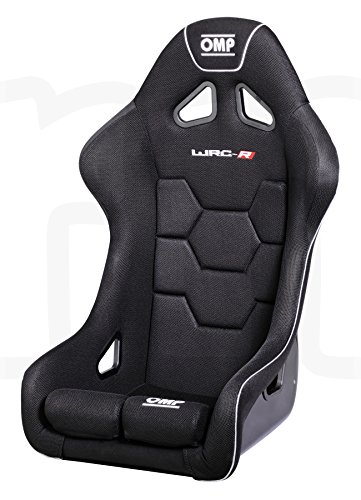 |
OMP (HA/778E/N WRC-R XL Racing Seat, BlackOMP | Also great | XL · Universal · WRC-R Racing Seat | $975.54
Price as of 17 Nov 2026
|
View |
 |
Drag Racing Carbon Fiber Seat (17" wide)Unlimited Products | Upgrade pick | 17-inch · Carbon Fiber · Drag Racing Seat | $484.00
Price as of 17 Nov 2026
|
View |
This quick view separates track-only fit, mixed-use comfort, and weight-focused builds. The right seat depends less on brand hype than on whether the shell fits your shoulders, clears your helmet, and matches your mounting and restraint layout.
How we chose
These picks are based on the manufacturer specs, listing details, and published buyer feedback. The comparison weighs certification, shell shape, mounting style, restraint compatibility, and whether the seat makes sense for a track-only car or a street-driven car.
One hard filter matters most: if the seat does not fit the driver and the restraint layout, light weight does not make it a good choice.
Sparco EVO X-Large QRt: best for track focus
This is the safest fit for an amateur who wants a fixed-back seat with real track-day support and FIA approval. The fiberglass composite shell, fire-retardant non-slip fabric, side bolsters, and belt openings point toward a purpose-built seat for cornering hold and multi-point restraint use.
The main drawback is simple: it is non-reclining, so it is a poor match for anyone who needs easy shared-driver adjustment or a seat that still feels civil on the street. Its X-Large sizing also means you should verify shoulder width, waist clearance, and helmet room before ordering.
For track use, fixed-back racing seats work best because they keep the torso steadier under cornering and braking. That matters more than shaving a little weight if the shell is too narrow or the belt path is wrong.
OMP WRC-R XL Racing Seat: best for wide-fit buyers
This seat suits a driver who needs an XL fit and wants a race-style shell without guessing at whether the opening will be too tight at the shoulders. The universal fit design makes it a practical starting point for buyers who are already planning brackets, sliders, and a careful install.
The drawback is that “universal” fit still does not mean universal comfort or universal installation. You still need to confirm the car’s mounting points, the shell’s side clearance, and whether your restraint geometry and head restraint setup will line up correctly.
If the seat fits the car but pinches the shoulders, the install can still fail the most important test: you will not sit still in the shell. That is how a seat becomes tiring instead of protective.
Drag Racing Carbon Fiber Seat: best for weight-sensitive builds
This is the pick for a lighter drag or oval-track style build where carbon fiber construction is a priority and the seat width matters. The 17-inch width and carbon fiber shell make it the most focused lightweight option in this group.
The drawback is that drag-focused seats are not automatically the best choice for circuit track days. You still need to confirm bolstering, helmet clearance, and whether the seat and your restraint setup work together with the car’s restraint geometry.
Carbon fiber bucket seats are typically described as lightweight performance seats, and the listing claims a 17-inch width. That does not replace certification, fit, or correct mounting.
What are the best racing car seats for amateur track days?
The best racing car seat for amateur track days is usually a FIA-homologated fixed-back seat that fits your body and your car’s mounting layout. If you want real cornering support, clear shoulder room, and restraint compatibility, a fixed-back shell is the strongest default choice for a track-focused build.
For mixed street use, a reclining seat can be acceptable if the seat is approved for the application and mounted correctly, but it is still a compromise. The best seat is the one that holds your torso, clears your helmet, and matches the restraint hardware you plan to run.
Why fit comes before brand
Seat width, shoulder width, waist width, and helmet clearance matter more than logo choice. A shell that looks race-ready can still be wrong if it pushes your shoulders inward, forces your helmet against the headrest, or leaves too much side play at the hips.
Common first-timer mistake: a driver buys the narrowest shell because it sounds more “racy,” then discovers the seat is tiring because the bolsters press into the ribs and the belt routing no longer works cleanly with the restraints.
Do I need a fixed-back racing seat for track days?
If your car runs a proper track-day restraint setup and you want the most consistent lateral support, yes, a fixed-back racing seat is usually the better choice. It keeps the driver planted under braking and cornering, which helps you focus on steering and braking instead of bracing against the seat.
A reclining seat can work for mixed street and track use when you need more adjustment, but it is less ideal than a fixed-back seat for pure track focus. The seat back angle may help on long drives, yet it also adds compromise if the build is centered on hard cornering support.
When a reclining seat makes sense
Choose a reclining seat when the car is still a daily driver, when different people share the car, or when comfort on long highway runs matters more than maximum side support. Endurance-style use can benefit from adjustable seat back angle, especially when the same car sees both road miles and track sessions.
Do not treat every reclining seat as track-safe by default. You still need to verify whether the shell, sliders, mounts, and restraint setup are approved for the way you intend to use the car.
What seat certifications should I look for for track use?
Look for a certification that matches the kind of motorsport you actually do. FIA 8862-2009 is a motorsport safety standard with crash-testing requirements, while FIA 8855-1999 is an older FIA seat approval still seen in some club-racing contexts. SFI 39.2 is used for drag racing and oval-track applications.
Do not assume one label covers every discipline. A seat that suits a club race car may not be the right answer for drag use, and a drag-oriented shell may not be the best fit for circuit racing.
What the labels mean in practice
Certification matters because it tells you the seat was built and approved for a defined motorsport use, not just styled to look race-inspired. For amateur track days, the safest move is to match the certification to the sanctioning body or track rules you actually face.
Check the manufacturer’s listing for your model, then confirm the event rules before buying. If the seat is going into a street car, also verify local laws and the vehicle manual before changing the restraint system.
How much does a good racing seat weigh?
A typical steel racing seat is said to weigh 25 pounds or more, while carbon fiber bucket seats are described as weighing 7 to 12 pounds. That can amount to a 60% weight reduction, but the number only matters after the seat fits the driver and meets the required certification.
Weight savings help most when the rest of the setup is correct. A lighter shell that forces bad posture, poor belt routing, or a compromised install is not a win.
Carbon fiber construction basics
Carbon fiber bucket seats are commonly described as using 3K and 12K carbon fiber weave with epoxy resin. Some seats also include Kevlar hybrid layers. The goal is a light shell with enough stiffness for motorsport use, not a magic fix for a poor fit.
The table data also lists heat resistance up to 300°F. Even so, heat resistance does not change the need to verify mounts, restraint routing, and whether the seat works with your helmet and head restraint setup.
Can I use a carbon fiber racing seat on the street?
You can use a carbon fiber racing seat on the street only if the seat, mounts, and restraint setup are appropriate for street use and allowed by local rules. The seat may be marketed for track and street use, but that does not remove the need to verify the vehicle manual and your local laws.
Keep in mind that a carbon shell is not automatically more comfortable or more practical. If the shell is too stiff, too narrow, or too aggressive for daily driving, it can become tiring fast.
Street-use cautions
If you keep a car on the street, think through ingress, exit, visibility, and whether the seat position still works with the steering wheel, pedals, and airbags. Keep items out of airbag zones and the driver’s view, and check local laws before changing factory seating or restraints.
For any seat install, follow the vehicle and product manual. Never work under a vehicle supported only by a jack; use jack stands on level ground when the job requires lifting.
What harnesses work with racing seats?
Restraint choice must match the seat openings, shoulder-belt routing, and anchor layout. A 6-point setup is common where anti-submarine straps are required, and the seat must be designed to accept that layout cleanly. A HANS-compatible seat also needs enough clearance for shoulder belts and neck restraint geometry.
Never buy the restraint system first and assume the seat will work later. If the belt path is wrong, the restraint can sit at a bad angle or load the body the wrong way in a crash.
Geometry matters more than strap count
A 6-point setup is only useful when the car has the proper anchor geometry and the seat allows correct routing. The shell should hold you in place without twisting the belts over the shoulder wings or forcing the submarine straps into an awkward angle.
A common failure case is a seat that fits the cabin but not the restraint layout. The belts may look usable in the garage and still be wrong once you sit in the car with helmet and HANS gear on.
What seat width or fit should I choose for my body?
Choose seat width by shoulder width, waist width, helmet clearance, and how much side support you need in corners. If the shell is too narrow, it will pinch and fatigue you. If it is too wide, you will slide inside it and lose the support you wanted in the first place.
Fit should also account for the car itself. A tall driver in a small cockpit may need a different mounting height or shell shape than a shorter driver in a larger cabin.
Track-day seat fit checklist
| Driver shoulder width | Waist width | Helmet clearance | Mounting style | Restraint type | FIA/SFI need | Street-use need | Estimated installed cost range |
|---|---|---|---|---|---|---|---|
| Narrow to medium shoulders | Trim or medium waist | Check crown and headrest clearance before buying | Side-mount seat for the firmest race-seat position | 6-point setup if the car’s anchor layout supports it | FIA seat for circuit use; verify event rules | Low, if the car is track-focused and not daily-driven | Often varies by brackets, sliders, and restraints; check the manufacturer’s listing for your model |
| Medium shoulders | Medium waist | Confirm the helmet does not hit the shell or roofline | Bottom-mount seat only if chassis clearance works | Multi-point setup with correct shoulder-belt routing | FIA or SFI based on discipline | Medium, if the seat still needs street comfort | Often varies by brackets, sliders, and restraints; check the manufacturer’s listing for your model |
| Broad shoulders | Broader waist | Check for helmet contact at the upper bolsters | Side-mount seat if you need more secure placement | 6-point setup only if geometry and anchors are correct | FIA seat usually preferred for serious track use | Higher, if the car still needs easy access and comfort | Often varies by brackets, sliders, and restraints; check the manufacturer’s listing for your model |
| Any size, but long torso | Any waist size | Pay extra attention to shoulder-belt height and HANS clearance | Mounting height matters as much as mount type | HANS-compatible belt setup | FIA if the event requires homologation | Mixed-use builds should stay conservative | Often varies by brackets, sliders, and restraints; check the manufacturer’s listing for your model |
Two common fit examples
Suppose a driver with broad shoulders buys a narrow fixed-back shell because it looks more aggressive. The result is tight rib pressure and poor shoulder room, which makes the seat tiring and can push the restraint out of the right position.
Picture a smaller driver in a wide carbon shell with no proper side support. The car may feel easy to enter, but the driver slides in the seat during cornering and ends up using the wheel to brace the torso.
Are reclining racing seats safe for track days?
Reclining racing seats can be acceptable for mixed street and track use, but they are usually not the best choice for a pure track build. A fixed-back seat gives better lateral support and a more predictable driving position when cornering loads rise.
If you choose a reclining seat, make sure the hardware, shell, and restraints are approved for the intended use. The adjustment range helps endurance and street comfort, but it does not erase the need for correct fit and certification.
Mounting style: side-mount vs bottom-mount
Side-mount seats are the most common race-seat installation option because they allow more precise position control and are often better for a low, firm driving position. Bottom-mount seats are an alternative, but fitment depends heavily on brackets and chassis clearance.
Bracket choice changes seat height, steering-wheel reach, and helmet clearance. A seat that looks correct on paper can sit too high or too far back once the brackets are in place.
Which one should you buy?
If you want the best all-around track-day choice, start with the Sparco EVO X-Large QRt. It is the clearest fit for a driver who wants a fixed-back FIA-approved seat with real lateral support and belt openings.
If your shoulders need more room, the OMP WRC-R XL is the better fit-first choice, but you still need to confirm the installation details. If your build is weight-sensitive and drag-leaning, the Drag Racing Carbon Fiber Seat is the lightest-oriented option here, but it needs extra scrutiny on restraint geometry and discipline fit.
Pick by budget
Budget is not just the sticker price. Add brackets, side mounts or sliders, and the restraint hardware you need, then compare that total against the seat’s certification and fit. A cheaper seat that needs replacement later is often the more expensive mistake.
Pick by car type
Track-only coupes and purpose-built weekend cars usually suit a fixed-back seat best. Street-driven cars need a higher standard of restraint and mounting scrutiny, especially if you plan to keep airbags, OEM belts, or regular passenger use in the car.
Pick by intended use
For track days and circuit driving, favor fixed-back support and certification. For mixed street use, stay conservative and verify the seat, mounts, and restraint setup against the car manual, the seat manual, and local rules before you buy or install anything.
Products related to this article
Sponsored / affiliate links. As an Amazon Associate I earn from qualifying purchases. I may earn additional commission from eligible campaigns.