Best Spare Car Key Storage for Hidden Access: we compared
The best spare car key storage is a lockbox or magnetic hide-a-key only when the vehicle’s underbody is metal and the spot is dry; otherwise, keep a valet-style spare in a coded lockbox at home or on the car. Bad placement leads to stolen keys, corrosion, and a dead-end lockout. I rank backup access methods by theft risk, weather exposure, retrieval speed, and fit to the vehicle.
Quick comparison
| Product | Badge | Best for | Price | ||
|---|---|---|---|---|---|
 |
Magnetic Key Box, Hide A Key Holder, Under Car Magnetic KeyTOSICAM | Our pick | Waterproof undercar magnetic box | $9.99
Price as of 4 Oct 2026
|
View |
 |
2 Hide A Key Magnetic Under Car Spare Key Holder So YouALAZCO | Also great | Jumbo 4-inch dual magnet case | $8.96
Price as of 4 Oct 2026
|
View |
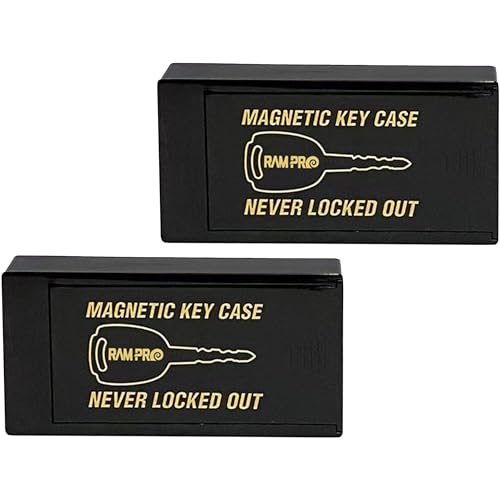 |
RamPro Hide A Key Magnetic Key Holder Under Car – Hide ARamPro | Budget pick | 2-pack recessed magnet hiders | $8.99
Price as of 4 Oct 2026
|
View |
This comparison is built around failure modes, not novelty. A spot that is quick to reach but easy to spot, flood, or shake loose is a poor backup, even if it looks clever on paper.
For a fast read, use the table below as a filter. The best choice changes with where the vehicle lives, who needs access, and how often the spare must survive bad weather or service work.
How we chose
The ranking appears to weigh four main things: security against casual theft, exposure to water and road salt, retrieval speed during a lockout, and maintenance risk over time. Fit matters too, because a hide spot that works on one vehicle may fail on another with plastic undertrays, tight clearances, or a nonmetal bumper.
We also separated on-vehicle storage from off-vehicle backup. That matters because the safest place to keep a spare is not always the fastest place to reach it.
| Option | Security | Weather exposure | Retrieval speed | Maintenance risk | Best fit |
|---|---|---|---|---|---|
| Combination lock box | 5 | 5 | 3 | 1 | Home backup, shared household |
| Trusted neighbor backup | 5 | 5 | 2 | 1 | Shared cars, remote fallback |
| Hitch receiver box | 4 | 4 | 4 | 2 | Tow-ready vehicles |
| Magnetic key holder | 2 | 2 | 5 | 4 | Fast roadside access on metal surfaces |
| License plate area | 2 | 3 | 5 | 3 | Short-term roadside access |
| Tire well | 3 | 2 | 3 | 3 | Vehicles with usable spare-tire space |
| Gas tank flap | 2 | 3 | 4 | 3 | Some older models with room |
| Dryer vent or potted plant home hide | 2 | 5 | 2 | 2 | Home-only backup with careful concealment |
That table is the short version. Below, each option is judged by how it fails in the real world: theft exposure, corrosion, vibration, access after winter, and whether the vehicle actually gives you room to use it.
Combination lock box: best for home backup access
This is the strongest default choice for at-home storage. A combination lock box gives controlled access, can hold a key or valet-style backup, and stays out of sight when it is anchored securely and not visible from the street.
It is the cleanest answer for a shared household, a family car, or any driver who wants emergency access without leaving a key on the vehicle.
The drawback is speed. It is slower than a hidden key on the car, and the code has to be managed carefully. If the box is not mounted well, or if the code is too easy to guess, it becomes a target instead of a backup.
Magnetic key holder: best for fast undercar storage
This can be a quick choice for on-vehicle access when the mounting surface is metal and the hide spot stays dry enough. A magnetic key holder works best for a small key or a slim fob shell, and the jumbo case is better when a larger key needs space.
It fits the common emergency use case: fast retrieval, no extra code, and placement where a passerby is unlikely to notice. The tough ABS construction and dual magnets are the selling points here, but the real question is whether the underbody gives it a stable, metal-safe mounting point with low road debris exposure.
The honest drawback is failure mode. Mud, ice, salt, and vibration can work against any undercarriage hide. If the vehicle has plastic covers, low ground clearance, or frequent gravel-road use, the magnet may be a poor match even if the box itself looks solid.
Hitch receiver box: best for towing-capable vehicles
For trucks, SUVs, and other vehicles that use a receiver, this can be one of the better on-vehicle options. A hitch receiver box gives discreet exterior placement, lockable storage, and a mounting point that is easier to inspect than something buried under the floorpan.
It is a good fit when the vehicle compatibility is right and the owner wants something less exposed than a magnetic box under the rocker panel. Based on the spec sheet and owner feedback, the recessed magnet hiders and sliding cover are aimed at keeping the key from falling out during use.
The drawback is obvious: it only works when the hitch receiver exists and stays unobstructed. Dirt, winter slush, and trailer hardware can make access awkward, and the box is still visible to anyone who looks closely at the rear of the vehicle.
License plate area: best for quick roadside access
Behind the front license plate is convenient for a fast grab, and a magnetic key holder is specifically mentioned for the front plate area. It is one of the quickest concealment zones on the car, especially when the driver needs access after a lockout and does not want to crawl underneath.
The tradeoff is theft visibility. Anything near the plate is among the first places a thief or opportunist may check because it is accessible, common, and fast to inspect. Mounting constraints also matter; some plates are held with brittle clips, shallow brackets, or no useful space behind them.
Behind the bumper is often compared to a rock key hider, and that comparison is fair. It is a hide spot, not a vault. If the vehicle is parked on a busy street or in a lot with regular foot traffic, this is a weak option for long-term secrecy.
Tire well: best for a discreet emergency hide
The tire well is a discreet and accessible solution, but only on vehicles with enough clearance and room to reach it during a lockout. It can stay hidden from outside view better than many bumper-based spots, which is why some drivers like it for a short-term emergency spare.
The main failure modes are water and dirt. A tire well can collect moisture, road grime, and winter debris, which makes it a poor choice for anything sensitive to corrosion. Vehicle-specific clearance matters too, because some wells are too shallow, too crowded, or too exposed once the cargo area is loaded.
If the spare is stored there, it needs periodic inspection after storms, wash cycles, and tire service. It also has to remain truly reachable when the vehicle is fully loaded, not just on a clean driveway.
Gas tank flap: best for older models with room
Inside the gas tank flap is an ingenious place on some vehicles because it is hidden, quick to reach, and naturally part of the bodywork. The appeal is easy to understand: it keeps the key out of direct weather and away from the obvious crawl-under points thieves check first.
The catch is fit. Not every vehicle model gives usable room there, and the risk of detection rises the moment the flap is opened for fuel. Any placement near a fuel door has to avoid interfering with the latch, hinge, or the fill area itself.
It is better for temporary concealment than for a long-term solution on a daily driver. If the driver refuels often in public places, the hide spot gets witnessed more often than most owners expect.
Dryer vent or potted plant home hide: best for home concealment
A dryer vent or potted plant hide belongs in the home category, not on the vehicle. It offers routine access and can be easier to manage than an undercar key, but the security tradeoff is simple: if the spot is obvious from the street or part of a regular cleaning routine, it stops being hidden.
This kind of hide works best for a backup key that is needed by the household rather than by a passing driver. It is weaker against nosy visitors, delivery traffic, and anyone who already knows the property layout.
The smart version is boring and controlled. Keep it away from the front window, away from obvious decorative objects, and away from places that get moved during watering, laundry, or yard work.
Trusted neighbor backup: best for shared cars
A trusted neighbor is a secure and practical option when the goal is emergency availability without putting a key on the car. It is especially useful for family vehicles, shared-driver households, and remote travel, because the spare sits off-vehicle with access control.
This method avoids water intrusion, road salt, and underbody vibration entirely. It also gives a cleaner answer when multiple drivers need backup access, because the key can stay with one person who is actually reachable and responsible for it.
The drawback is simple: the neighbor has to be available. For some drivers that is perfect. For others, especially during late-night lockouts or travel away from home, it is not fast enough.
Which one should you buy
If the backup key is for home use, the combination lock box is the first choice. It is harder to spot, easier to control, and less exposed than underbody hiding spots. For a daily driver that needs quick roadside access, a magnetic key holder can work, but only when the underbody is metal, the area is dry, and the owner accepts the risk of debris, vibration, and water intrusion.
For towing-capable vehicles, the hitch receiver box is the best middle ground because it fits the hardware the vehicle already has and keeps storage more organized than a random hide spot. For shared cars, a trusted neighbor is often the cleanest backup because it separates access from the vehicle itself.
If the car spends time in city parking, choose the least visible and least service-sensitive option available, which usually means home storage or a receiver box over a bumper or plate hide. For road trips, remote travel, and older vehicles with fewer electronic concerns, the best choice is the one that survives weather, tire service, and winter grime without turning into a lost key.
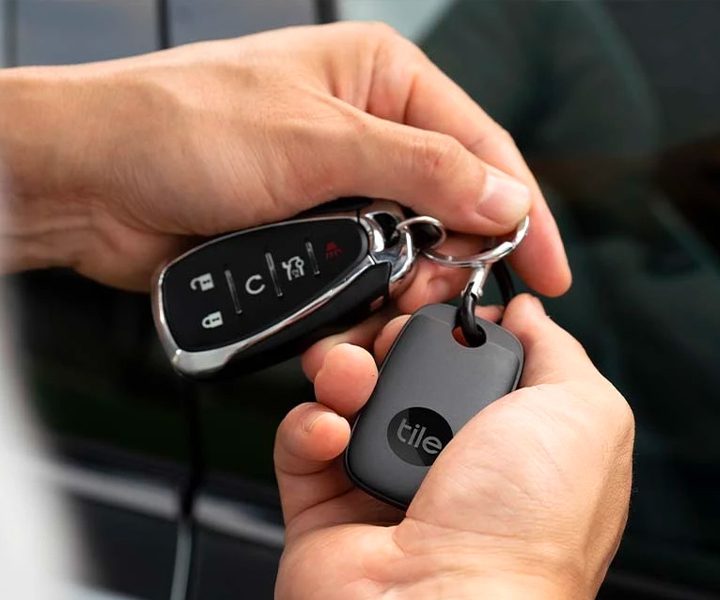
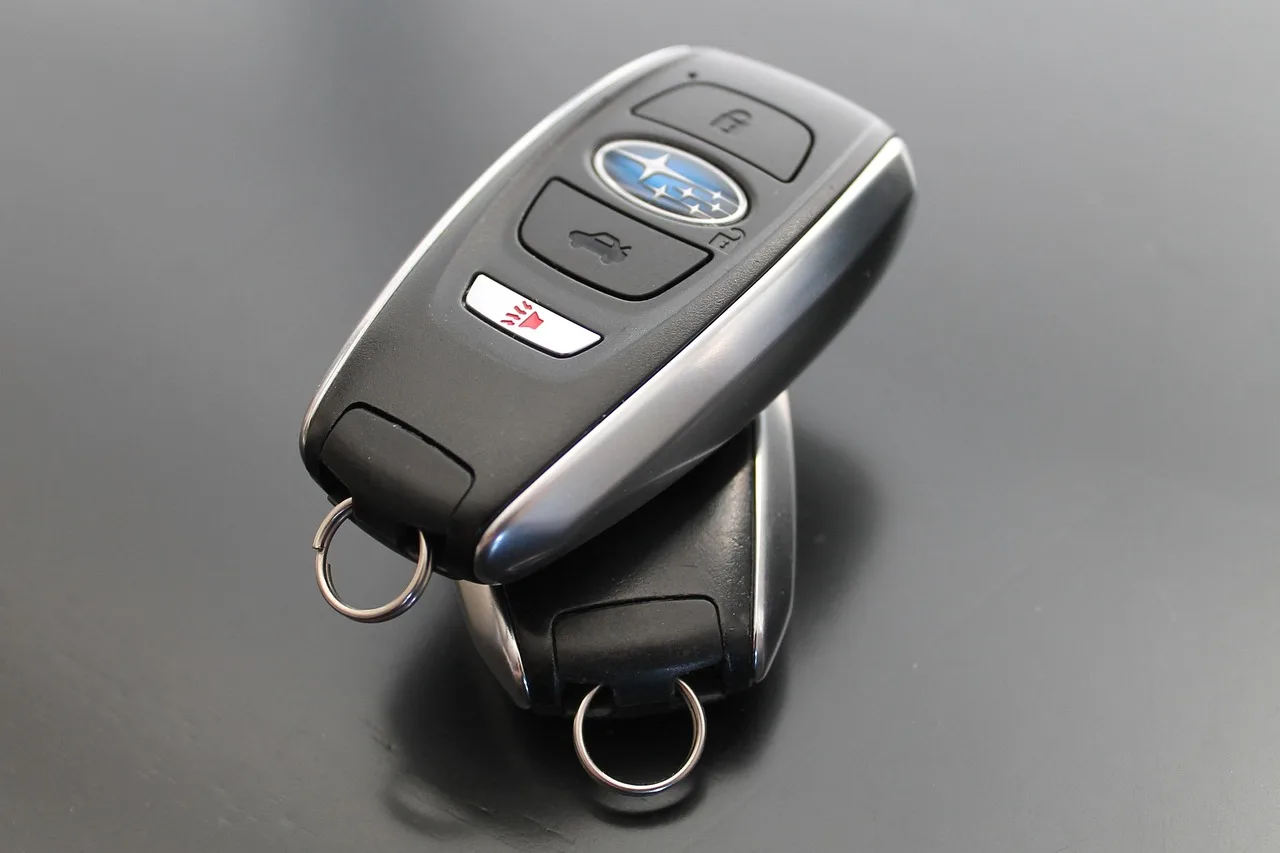
Modern key fobs deserve a separate warning. They are larger than simple metal keys, they contain a battery, and not every fob belongs in a hidden spot at all. If the backup needs to survive long storage, a valet-style key or a coded home box is usually a better fit than stuffing a full fob into a cramped underbody case.
Here is the practical decision rule: choose home lockbox storage for security, choose a magnetic or receiver-mounted option only when the vehicle layout supports it, and avoid any hide spot that cannot be checked after winter, wash cycles, or tire work. Secure placement matters more than novelty.
For city parking
Use the lock box at home if possible. Street-side concealment is easy to inspect, and city parking gives thieves more chances to watch repeated routines around the vehicle.
For road trips
Choose the most reachable option that can survive weather and service stops. A hitch receiver box or a well-protected magnetic holder can work, but only if it stays clear of exhaust heat, splash, and grime.
For shared family cars
Use a combination lock box or a trusted neighbor. Multiple drivers need a method with access control, not a clever hiding trick that only one person remembers.
For remote travel
Keep the backup off-vehicle if the route is long, rough, or isolated. A home lockbox or trusted person is safer than a hide spot that may be washed off, knocked loose, or left behind after a service stop.
What is the safest place to store a spare car key?
The safest place is usually a coded lock box at home or with a trusted person who has controlled access. That keeps the key away from road salt, water, vibration, and casual theft. If the key must stay with the vehicle, the safest option is the one that fits the car’s hardware and is still hard to spot.
Should I hide a spare car key on the car or at home?
At home is safer for most drivers because it avoids underbody exposure and common theft checks. On-car storage is faster during a lockout, but it carries more risk from weather, vibration, and detection. The right answer depends on whether speed or security matters more for that vehicle.
Are magnetic key holders safe for car keys?
They can be safe enough for a narrow use case, but only when the mounting surface is metal, the spot is dry, and the holder is checked regularly. They are not a universal answer. Road debris, salt, and vibration can make a magnetic holder a weak choice if the underbody is exposed.
Is a lock box better than a hidden key on the vehicle?
Yes, for most home backups. A lock box is easier to control, less exposed to weather, and less likely to be found by a passerby. A hidden key on the vehicle wins on speed, but it loses ground on theft visibility, corrosion, and service-related damage.
Where do thieves usually look for hidden spare keys?
They often check the obvious zones first: behind the front plate, near the bumper, around the fuel door, and under the body where a magnet would fit. Anything visible from normal standing height or easy to probe without tools is a poor long-term hide. Common spots get checked fast.
How do I keep a backup car key accessible without making it easy to steal?
Separate access from visibility. Use a coded lock box for home storage, a trusted neighbor for shared access, or a vehicle-mounted box only where the mounting point is discreet and stable. Check the spot after winter, wash cycles, and tire service so the backup stays reachable when needed.
What should I do if I need backup access for multiple drivers?
Use a controlled off-vehicle solution first. A combination lock box or trusted neighbor works better than hiding multiple spares on the car, which increases the odds that one gets found or damaged. For households, the key should be easy to reach for authorized drivers without being obvious to everyone else.
Can I store a spare key under the car without risking damage or theft?
Yes, but only in the right conditions. The undercar area must be metal-friendly, dry enough to limit corrosion, and protected from road debris and impact. Even then, it needs periodic inspection. If the vehicle sits low, sees winter salt, or uses plastic undertrays, the risk rises fast.
Products related to this article
Sponsored / affiliate links. As an Amazon Associate I earn from qualifying purchases. I may earn additional commission from eligible campaigns.