OEM Car Key vs Aftermarket Key: What Matters Most Now
Choose OEM if your key needs a transponder chip, remote pairing, or dealer-only programming; choose aftermarket only when the blade, chip, and remote match your vehicle exactly. Pick wrong, and you can pay twice for cutting, programming, towing, or a non-starting car. This guide breaks down blade, transponder, and remote programming costs, fit, and when each option makes sense.
OEM car key vs aftermarket key: the real trade-off


| Decision factor | OEM Car Key | Aftermarket Key | Winner |
|---|---|---|---|
| Fit to vehicle spec | Vehicle-specific, factory-spec replacement | Variable fit; depends on the brand and listing | OEM Car Key |
| Up-front price | Usually higher through dealer or OEM parts channels | Usually lower, especially for blank shells and basic remotes | Aftermarket Key |
| Immobilizer and remote compatibility | More likely to match when sourced by VIN and trim | Can fail if chip or protocol does not match | OEM Car Key |
| Need for extra labor | May still need cutting and programming | May need cutting, programming, or both; mismatch risk is higher | Tie |
| Best use case | Higher-security vehicles and dealer-coded systems | Older vehicles, simple blades, budget repairs | Depends on vehicle |
OEM parts are the parts installed during new vehicle construction, and some OEM products are sold through dealership parts departments. Aftermarket parts are made by companies other than the OEM, and that includes many car keys, fobs, shells, and replacement blanks. The key trade-off is not only price; it is whether the blade, transponder chip, and remote protocol all match the vehicle. (en.wikipedia.org)
That last point matters because a cheap listing can be only partly aftermarket. A key shell may be third-party while the chip is OEM, or an OEM blank may still need cutting and programming before it starts the car. The label on the box does not tell you which layer failed.
What OEM means for a replacement key
An OEM car key is a vehicle-specific replacement made to the original manufacturer’s specifications and is often sold through a dealership parts department or another OEM parts channel. IBM describes OEMs as companies that make products, parts, and components for another company’s finished product. In key buying, that usually means better odds of matching the immobilizer and remote logic tied to the VIN.
OEM Parts Online offers multi-brand OEM parts and accessories, lists Acura and Toyota among its select vehicle brands, and says you can search by VIN. That is the model many buyers need: the right part, tied to the right vehicle record, rather than a generic blank that only looks similar.
What aftermarket means for a replacement key
An aftermarket key is made by a third party after the vehicle leaves the factory. MyBasis says aftermarket parts are produced by third-party manufacturers, and generally cost less than OEM parts. That lower price is the attraction, but compatibility and build quality vary a lot by brand, chip type, and remote protocol.
Aftermarket keys can work well for simple replacement jobs. They can also fail fast if the immobilizer expects a different transponder family or the remote frequency and button map do not match the car’s electronics.
Why the cheapest key is often only partially aftermarket
Many replacement keys mix sources. A buyer may get an aftermarket shell with an OEM chip, or an OEM blank that still needs cutting and programming. That mix is common because the blade, chip, and remote are separate layers, and each layer can come from a different channel.
That is why “OEM-style” or “OEM-compatible” is not the same as true OEM. A compatible shell can still fail if the immobilizer sees the wrong chip, and a true OEM blank can still be useless until it is cut and registered.
How the replacement key breaks into three parts
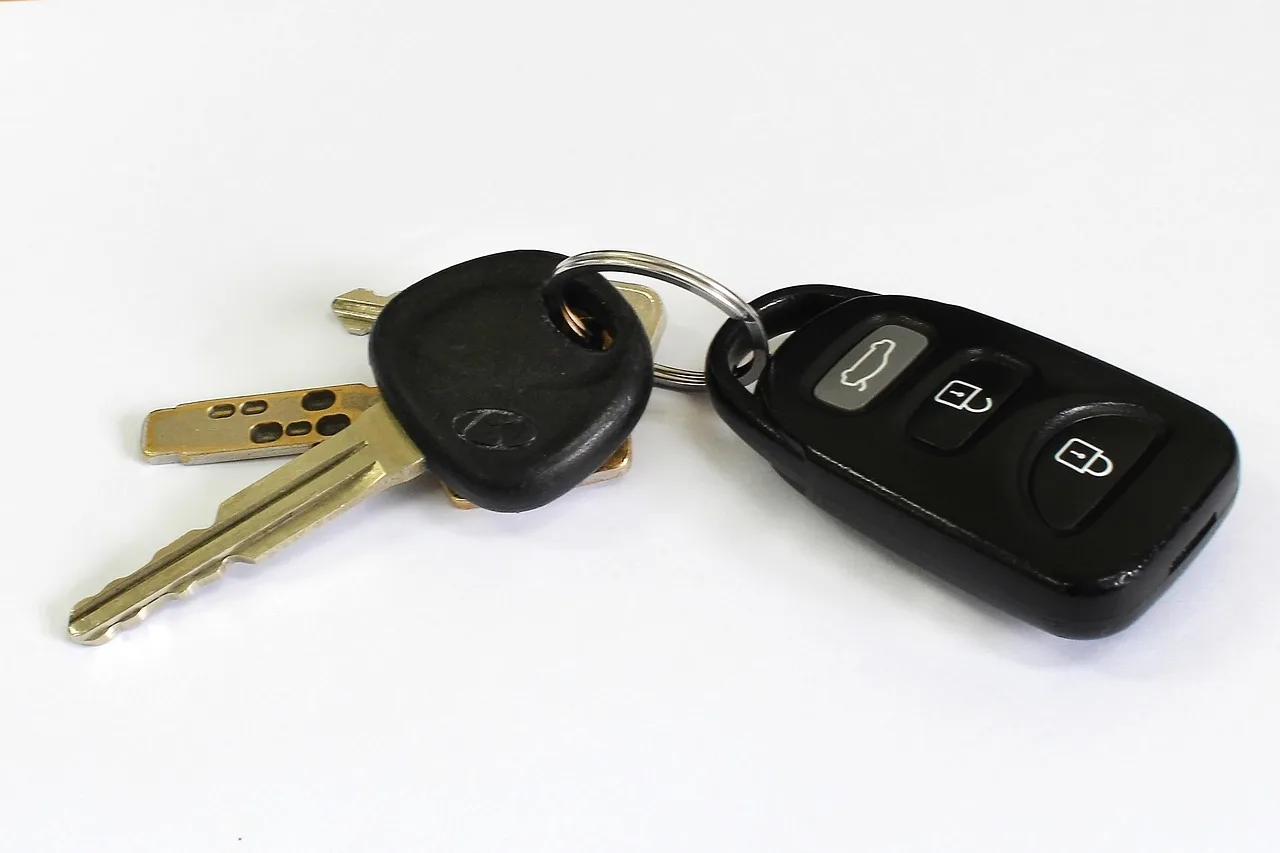
A car key is often more than one component. It is usually a mechanical blade or emergency insert, a transponder chip for start authorization, and a remote section for lock, unlock, panic, and sometimes smart-key functions. Treating those as one part is how buyers get surprised by cost and failure.
Blade or emergency key cut
The blade is the mechanical portion that turns the lock or works as the emergency insert. Some vehicles still rely on a traditional cut blade, while others hide a backup blade inside a key fob or smart key. Cutting is separate from programming, so a perfect cut does not mean the car will start.
Transponder chip and start authorization
The transponder chip is the anti-theft piece that talks to the immobilizer system. If the chip is wrong, missing, or not registered, the engine may crank and stall, refuse to start, or show a security light. The car is looking for a matched handshake, not just a physical key shape.
Remote buttons, battery, and smart-key functions
The remote side typically handles lock, unlock, panic, and alarm functions, and it generally depends on a working battery and the correct remote protocol. A basic fob may only control door functions, while a smart key may also support passive entry and push-button start. Those are different systems, even when the case looks similar.
Will an aftermarket key work with your immobilizer and remote functions?
Sometimes yes, but only if the transponder chip and remote protocol match your vehicle exactly. The immobilizer does not care that the key is cheap or new; it only cares whether the chip is the right one and whether the pairing procedure is accepted. If either layer fails, the car may still not start.
How the immobilizer handshake works
The immobilizer is the theft-prevention system that checks for an approved chip before start authorization. On many vehicles, the key must be registered to the car, which can involve a VIN-based lookup, a PIN or seed code, or dealer-level coding access. The match is specific enough that trim and model-year differences can matter.
Common failure symptoms after installation
A failed match often looks like a dashboard security light, no-start behavior, or remote buttons that work while the engine stays disabled. Another common sign is intermittent function: the door buttons respond one day and fail the next because the battery, chip, or protocol is not consistent. That is not a “bad battery” problem if the start authorization layer is wrong.
When cloning works and when programming is required
Cloning copies an existing transponder identity onto another chip. That can work for some older systems or simpler immobilizers, but many vehicles require programming instead of copying. If the original key is lost, cloning is often impossible, and the replacement must be added through the vehicle’s accepted registration process.
Say your sedan has one working key and a separate remote. A cheap replacement shell may let you move the electronics over, but the engine will still refuse to start if the transponder is not paired. The outside looks finished; the immobilizer says otherwise.
What does car key programming change?
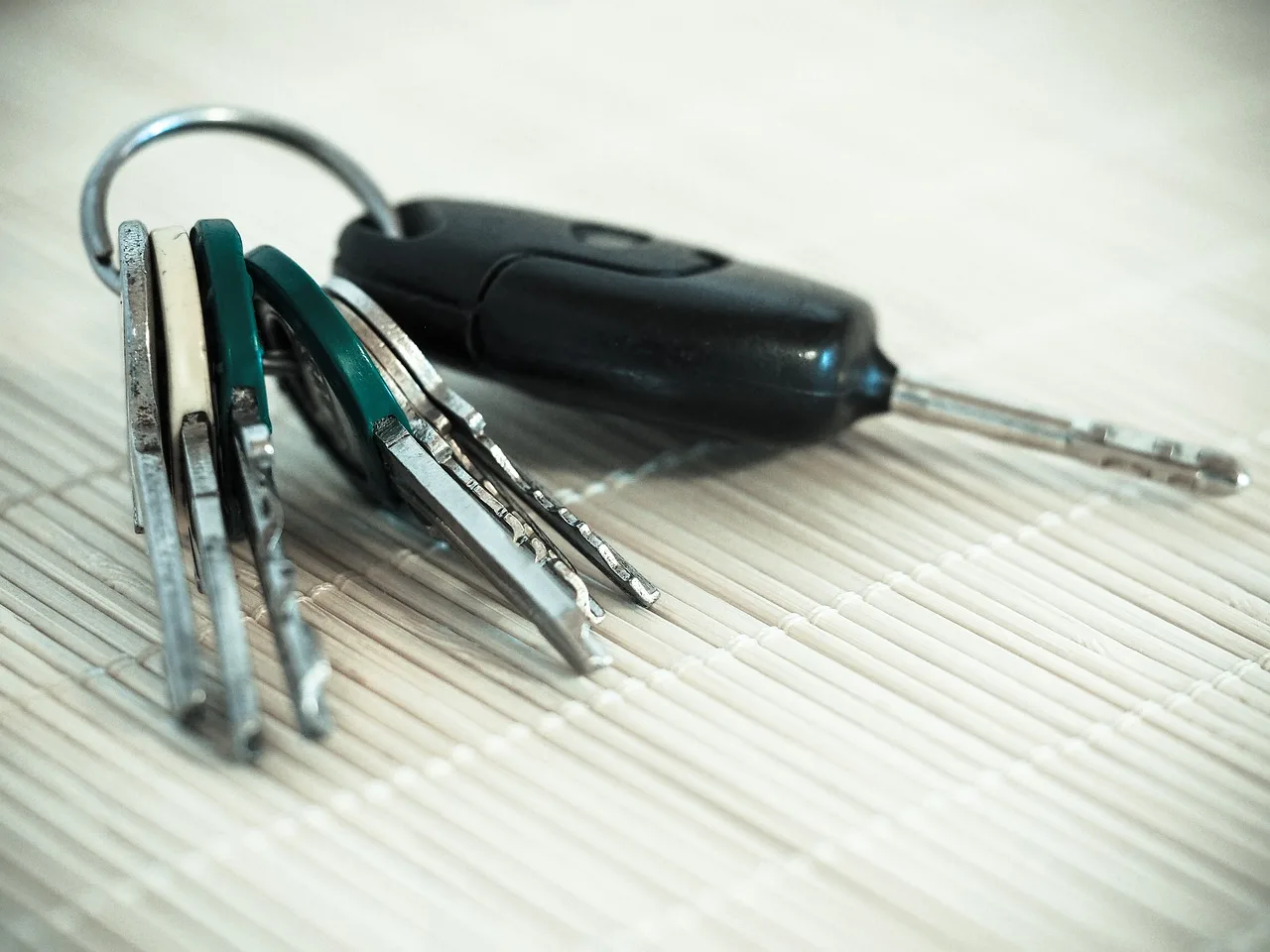
Programming determines whether the vehicle accepts the key’s electronic identity. Cutting shapes the blade. Cloning copies data. Programming registers the key to the immobilizer or remote system, and those are different steps with different failure points and different labor charges.
Cutting vs cloning vs programming
Cutting is a mechanical job. Cloning is an electronic copy of an existing transponder. Programming is the vehicle-specific registration step. A buyer can pay for one, two, or all three, which is why a “cheap key” can become an expensive replacement fast.
VIN-based ordering and key code lookup
VIN-based ordering helps a parts department or locksmith match the correct blank, chip family, and remote version to the vehicle. That matters because year, trim, and security package can change the part number. A listing that only says the make and model is often too vague for modern immobilizer systems.
Why dealer access matters for some vehicles
Some vehicles may require dealer-level or other restricted access to add a key, especially when all keys are lost or the system needs secure online registration. A dealership parts department can source OEM hardware and often has the access path for coding. That convenience can cost more, but it may be the only path that avoids a tow and repeated programming attempts.
- Confirm whether you need a blade, a transponder, a remote, or all three.
- Check whether the vehicle uses a traditional key, flip key, or smart key.
- Use the VIN to match the part number and security system.
- Separate cutting cost from programming cost before buying.
- Verify whether the seller offers the exact chip family and remote protocol.
Buyer decision matrix: cost, compatibility, and failure modes

This matrix separates the parts of the job that are often bundled together in product listings. It also shows where OEM and aftermarket keys tend to break: a good blade with a bad chip, a matching chip with the wrong remote, or a correct blank that still needs secure programming.
| Part or service | OEM Car Key | Aftermarket Key | Common failure mode | Winner |
|---|---|---|---|---|
| Blade | Factory-spec blank matched to VIN or part number | Third-party blank may fit, but keyway variation is possible | Wrong blade profile or poor cut tolerance | OEM Car Key |
| Transponder chip | Usually matched to the vehicle’s immobilizer family | Compatibility varies by chip type and vehicle | Car starts then stalls, or never enters start mode | OEM Car Key |
| Remote | More likely to match button layout and protocol | May need frequency and protocol checks | Buttons work but the car does not recognize the remote | OEM Car Key |
| Cutting | Still required on many blanks | Still required on many blanks | Order arrives uncut | Tie |
| Programming | May require dealer or locksmith coding | May require the same, plus extra compatibility checks | Unregistered key or failed immobilizer handshake | OEM Car Key |
In this framework, OEM wins on compatibility and aftermarket wins on price. The hard cost is not only the part itself; it is also the risk of paying for cutting, programming, and a second replacement if the first one will not communicate with the vehicle.
Suppose an older compact car needs a basic flip key. An aftermarket blank may be the sensible choice if the chip family is confirmed and a local locksmith can cut and program it in one visit. A newer SUV with a smart key is a different story; the cheaper part can become the pricier mistake.
Blade cost
Blade cost is usually the easiest place to save money, especially on older vehicles with simple metal keys. But a low blade price does not matter if the wrong profile arrives or the key cannot be cut cleanly. The blade is cheap only when the cut matches the lock.
Chip cost
The chip is where many “almost right” keys fail. A transponder mismatch can stop the car from starting even if the blade turns the cylinder and the buttons light up. This is why chip family matters more than the case color or the seller’s “works with your model” wording.
Remote cost
Remote pricing depends on button count, battery type, and whether the car uses a simple radio fob or a smart key. A remote that looks correct may still use the wrong frequency or coding scheme. The button labels are less important than the protocol behind them.
Cutting and programming cost
These labor costs are often where the budget changes. An uncut blank needs cutting, and a blank with the wrong transponder still needs programming work or replacement. Lost-key recovery can add more cost because the vehicle may need secure access before any new key is accepted.
How do you know if a key is truly OEM?
A truly OEM key comes through the vehicle maker’s parts path or a dealer parts department and matches the original specification for that car. OEM, OEM-style, and OEM-compatible are not the same thing. If the seller cannot tie the part to a VIN, part number, or known OEM channel, treat the claim carefully.
OEM, OEM-style, and OEM-compatible are not the same
OEM means original equipment manufacturer, the company that fabricates parts used in another company’s finished product. IBM says OEMs make products, parts, and components for another company’s finished product, while Syncotek notes that OEM can mean a maker that produces a part or product another company sells. That broad usage is why the label can be slippery.
Signs a listing is actually a third-party key
Third-party listings often use terms like “compatible,” “replacement,” or “style” instead of a direct OEM part number. The seller may also show a generic shell photo instead of the exact blade groove, chip family, or remote model. If the listing avoids VIN matching and secure programming details, that is a warning sign.
What to verify with the VIN and parts channel
Check the VIN, model year, trim, and whether the vehicle uses a traditional key, flip key, or smart key. Then confirm the exact part number with the dealership parts department or another OEM parts source. If the seller cannot match those details, the part may be a substitute, not true OEM.
Choose OEM Car Key if… / choose Aftermarket Key if…
Choose OEM Car Key if the vehicle has a high-security immobilizer, a smart key system, or a dealer-coded setup that is hard to match. Choose it when you need the best chance of getting the blade, chip, and remote right on the first try. That is the safer path when towing, downtime, or a second programming attempt would cost more than the part.
Choose Aftermarket Key if the vehicle is older, the security system is simple, and you can verify the chip and remote protocol before you buy. It also makes sense when the budget matters more than dealer sourcing and a locksmith can confirm the cut and coding path first. For mixed-source repairs, verify each layer separately: shell, chip, and remote.
When should I choose OEM instead of aftermarket for a car key?
Choose OEM when the car uses a high-security immobilizer, a smart key, or a dealer-linked coding process. OEM is also the better pick when you are down to one key and cannot risk a second failure. In those cases, the higher price is often cheaper than a tow or repeated programming.
Are aftermarket car keys as good as OEM keys?
Sometimes, but only when the blade, chip, and remote all match the vehicle’s requirements. Aftermarket quality varies by brand and by part layer, so a good shell can still be paired with a poor chip or wrong protocol. That is why “good as OEM” depends on the exact vehicle and part number.
Will an aftermarket key work with my car’s immobilizer and remote functions?
It can, if the transponder chip matches the immobilizer family and the remote uses the correct frequency and coding. The key may still need cutting and programming. If either the chip or remote protocol is off, the car may unlock but refuse to start, or it may start but lose remote functions.
Is it cheaper to buy an OEM key or aftermarket key?
Aftermarket is usually cheaper up front, and MyBasis says aftermarket parts are generally less expensive than OEM parts. But the total cost can flip if the key needs extra cutting, a second programming attempt, or replacement after a failed immobilizer match. Compare price, fit, and reliability before buying.
Do I need car key programming for OEM and aftermarket keys?
Very often, yes. An OEM blank may still need cutting and programming, and an aftermarket key may need the same steps plus extra compatibility checks. Programming is the electronic registration step, which is separate from cutting the blade or cloning an existing transponder.
Can an aftermarket car key affect warranty or insurance?
It can, if the wrong key causes damage, lockout, or a failed immobilizer repair that leads to more service work. Warranty and insurance rules vary, so the safer approach is to keep records of the part number, seller description, and any programming invoice. That helps if the key itself becomes part of a claim.
How do I know if a key is truly OEM and not just advertised that way?
Ask for the OEM part number, match it to the VIN, and verify the source through a dealership parts department or another OEM parts channel. Be cautious with “OEM-style” and “OEM-compatible,” because those phrases can describe third-party products. If the seller cannot identify the exact vehicle match, it is not a clean OEM claim.
Products related to this article
Sponsored / affiliate links. As an Amazon Associate I earn from qualifying purchases. I may earn additional commission from eligible campaigns.