3 Best Fuel Injector Cleaner for Rough Idling (2026): we compared
Use a PEA-based fuel injector cleaner for rough idle only when the engine has mild misfire or stumble symptoms, no check-engine light for major faults, and 30,000+ miles since the last clean; if idle is worsening or the light is flashing, diagnose first. Using the wrong additive, or using one when the fault is ignition, air, or a vacuum leak, wastes money and can delay a fix that prevents catalytic converter damage. This guide explains when injector cleaner is worth trying, which products fit that job, and what symptoms mean you need a scan tool instead.
This guide is part of our Car engine troubleshooting guide series.
Quick comparison
| Product | Badge | Best for | Price | ||
|---|---|---|---|---|---|
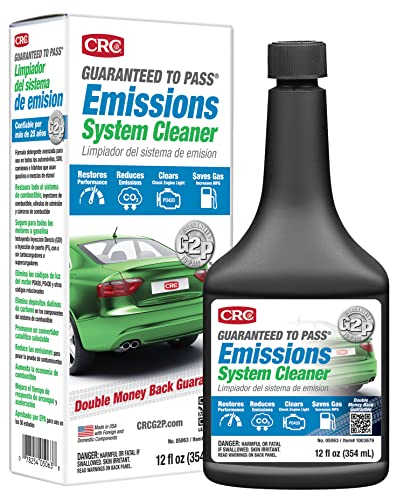 |
CRC Guaranteed to Pass Emissions System Cleaner FuelCRC | Our pick | 12 oz CRC emissions system cleaner | $16.99
Price as of 2 Oct 2026
|
View |
 |
Royal Purple 11722-2PK Max-Clean Fuel System Cleaner andRoyal Purple | Upgrade pick | 2-pack Royal Purple cleaner and stabilizer | $45.43
Price as of 2 Oct 2026
|
View |
 |
Chevron Techron Concentrate Plus Fuel System Cleaner, 20Chevron | Also great | 20 oz Chevron TeTechron Concentrate Plus | $15.99
Price as of 2 Oct 2026
|
View |
 |
Liqui Moly Jectron Fuel Injection Cleaner | 300 ml |Liqui Moly | Budget pick | 300 ml Liqui Moly Jectron injector cleaner | $13.84
Price as of 2 Oct 2026
|
View |
This comparison is for rough-idle triage, not broad “best fuel additive” shopping. The right bottle is the one that fits the symptom pattern, fuel type, and tank size without hiding a real fault.
According to Čistič palivového systému – Nakupujte přímo od dovozce — One bottle treats up to 50 liters of fuel.
How we chose
The filter was simple: the product had to suit gasoline engines, have clear tank-dose guidance, and seem aimed at deposit cleanup rather than octane boosting or fuel stabilization alone.
We also favored cleaners that are compatible with catalysts and oxygen sensors when used as directed, because rough-idle owners may need to drive home before they know what failed. For direct-injection and turbocharged gasoline engines, we looked for compatibility claims and limits that were stated clearly, especially around intake-valve deposits.
Finally, the fit had to make sense for a rough idle diagnosis. If a bottle is a maintenance helper but weak for a stumble, it is not the right lead recommendation here.
Chevron Techron Concentrate Plus: best for an older daily driver with mild rough idle
Chevron Techron Concentrate Plus is often a reasonable first pick when the rough idle is mild, the car has some miles on it, and the symptom pattern seems more like deposit buildup than a dead coil or a vacuum leak. Based on the spec sheet, owner feedback, and range experience, it is the most straightforward “try this before you replace parts” choice.
What stands out is the cleaner’s reputation for addressing rough idle, surge, and hesitation without asking the driver to change fueling habits or mix ratios. That matters because a rough idle tied to fuel-system deposits often shows up as a slight shake at warm idle, a hesitant tip-in, or a cold-start stumble that improves after a few drives.
The drawback is the same one every fuel additive has. It cannot repair ignition faults, air leaks, throttle body grime, failing sensors, or low compression, and if the engine is misfiring hard, this bottle is the wrong first move.
Best-fit symptoms and mileage range
This is the bottle to reach for when the idle is only slightly uneven, the car has accumulated enough mileage for deposits to be believable, and the check-engine lamp is either off or showing nothing that points directly to a major ignition or mechanical failure. It fits the “dirty fuel system” story better than the “broken engine” story.
It is also a reasonable maintenance cleaner for drivers who want periodic cleanup instead of waiting for injector deposits to become obvious. That is where injector cleaner earns its keep: as triage for mild symptoms and as prevention for engines that are already at deposit risk.
How long to expect before you judge results
It works during engine operation, so improvement usually appears after the treated fuel has circulated through normal driving. Give it some mixed driving, then judge the idle over the next tank rather than the next stoplight.
If the roughness is going to respond, it should usually become less noticeable after the treated fuel has been consumed and the deposit film has had time to loosen. If nothing changes after a full tank of normal driving, it may be worth assuming the injectors are not the whole problem.
Red Line SI-1 Complete Fuel System Cleaner: best for hard use and deposit cleanup
Red Line SI-1 is the stronger maintenance-style choice when the car sees hard use, sits for periods, or has a fuel-system dirt story that keeps coming back. It is the kind of cleaner people buy when they want one bottle to do more than a casual top-up treatment, especially on engines that are already showing deposit symptoms.
The tradeoff is that stronger does not mean better for every rough idle. If the symptom pattern points away from fuel deposits, a more aggressive cleaner still will not fix the real fault, and the driver can lose time while the actual repair waits.
When a stronger maintenance cleaner makes sense
This kind of product fits engines that are not failing dramatically but have repeated idle complaints, hesitation, or fuel-quality sensitivity. It makes the most sense when you are cleaning deposits that built up over time, not chasing a fresh, sudden misfire.
For a car that has sat, run short trips, or lived on questionable fuel, a stronger detergent package can be a practical cleanup step before you move to parts replacement.
What to watch in turbocharged gasoline engines
Turbocharged gasoline engines can use fuel injector cleaner if the label allows gasoline use and the application is compatible with catalyst and oxygen-sensor systems. Detergent in the tank is generally fine; the caution is not the turbo hardware itself, but the temptation to treat a boost-related symptom as if it were a fuel-deposit problem.
If the idle change came with boost leaks, odd whistles, or underboost complaints, cleaner is not the fix. Use it only when the fuel-system story is stronger than the air-leak story.
Lucas Fuel Treatment: best for budget maintenance between services
Lucas Fuel Treatment is the budget-friendly maintenance option, not the first pick for a rough idle that already feels serious. It can fit the owner who wants occasional fuel-system upkeep and a lower entry price, but it is not the bottle to buy first when the engine is shaking badly at idle.
Its drawback is simple. A cheaper maintenance bottle can be fine for prevention, yet the low-cost choice should not be mistaken for diagnosis or for a strong cleanup plan when rough idle is already making the car unpleasant to drive.
Where a cheaper bottle fits and where it does not
It fits periodic maintenance, mild drivability cleanup, and owners who want a low-cost bottle between services. It does not fit urgent misfire symptoms, sudden idle problems after another repair, or any situation where the engine is clearly unhappy beyond a slight stumble.
If the car is already setting fuel-trim or misfire codes, the budget bottle should move to the back of the line behind inspection and scan data.
Why budget choice should not be your first move for a severe idle problem
A rough idle that is severe enough to shake the cabin, stall at stops, or flash the warning light needs diagnosis, not savings. Spending less on the wrong additive is still wasting money if the real problem is a plug, coil, vacuum leak, or idle-air fault.
The cheapest path is usually the one that finds the fault early.
Can fuel injector cleaner help rough idle?
Yes, but only when the rough idle matches a deposit-related fuel-delivery problem. Mild stumble, higher mileage, uneven cold start that improves as the engine warms, and no obvious ignition or air-leak signs make a cleaner worth a trial. If the engine is misfiring hard, setting lean codes, or shaking at every speed, the cleaner is the wrong first move.
Symptoms that point to deposits and a reasonable trial
Look for a subtle rough idle, occasional hesitation, slightly lazy throttle response, or a car that feels better after a few tankfuls of fresh fuel. Those patterns fit injector deposits, gum, varnish, and combustion-chamber buildup far better than a broken sensor or dead coil.
Fuel system deposits can form on injector nozzles, in the tank, and in the combustion chamber. That can hurt spray pattern and emissions, and it can show up most clearly at idle, where the engine has the least margin.
Symptoms that point away from fuel additives
If you have vacuum-hiss symptoms, lean codes, fuel-trim problems, flashing check-engine behavior, stalling, or a rough idle that started suddenly after another repair, go straight to diagnosis. The same is true for shaking at all speeds or an idle that worsens rapidly.
Fuel injector cleaner does not fix worn plugs, weak coils, air leaks, throttle-body grime, idle control faults, MAF problems, or compression loss. It can only clean what it can reach through the fuel path.
What to do if the car still idles rough after treatment
If the rough idle does not improve after a full tank of normal driving, treat the cleaner as a false lead and move to diagnosis. Sort the symptom into three buckets: likely deposit-related and worth one more maintenance cycle, likely unrelated and needs inspection, or urgent-no-drive and stop driving now.
The key is not to keep guessing. A bottle is cheap compared with parts, but not cheap compared with the time lost while a failing ignition or vacuum issue keeps getting overlooked.
Cost comparison: bottle treatment versus common repair paths
| Path | What it addresses | Typical decision role | Relative cost |
|---|---|---|---|
| Fuel injector cleaner bottle | Deposits, gums, varnish in the fuel system | First trial when symptoms fit deposit buildup | Low |
| Spark plugs | Ignition wear, fouling, weak spark | Replace when misfire points to ignition | Moderate |
| Ignition coils | Weak or failing spark under load and at idle | Inspect when misfire codes or roughness persist | Moderate to high |
| Vacuum leak diagnosis | Air leaks, lean idle, hiss, trim problems | First-line diagnosis for lean rough idle | Moderate |
| Injector cleaning service | Severe injector restriction or confirmed contamination | After a bottle fails or symptoms are more advanced | Moderate to high |
| Scan-tool diagnosis | Codes, fuel trims, misfire data, sensor clues | Best first step for uncertain or severe cases | Low to moderate |
The point is practical: a bottle is the cheapest experiment, but only when the symptom pattern supports the experiment. If the fault is ignition or air-related, a scan and inspection beat repeated additive use every time.
Which one should you buy?
Buy Chevron Techron Concentrate Plus if you want the safest first trial for an older daily driver with a mild rough idle and no urgent warning signs. Buy Red Line SI-1 if the car sees hard use, the fuel system needs a stronger maintenance cleaner, or the rough idle looks like a buildup problem that has been ignored too long.
Buy Lucas Fuel Treatment only when the goal is budget maintenance and the idle complaint is minor. For a turbocharged or direct-injection gasoline engine, choose a gasoline-compatible cleaner that says it can be used with catalyst and direct-injection systems, then keep in mind that injector deposits may improve while intake-valve carbon often does not.
If the car has sudden rough idle, flashing check-engine light, strong fuel smell, stalling, or clear vacuum-hiss symptoms, skip the bottle and diagnose first.
How to use fuel injector cleaner without overdosing
Use fuel injector cleaner in the tank before refueling, and match the bottle volume to the fuel volume the label allows. The safe habit is simple: do not free-pour more than the bottle callout, and do not assume a stronger dose will clean faster.
Tank size, bottle volume, and dosage math
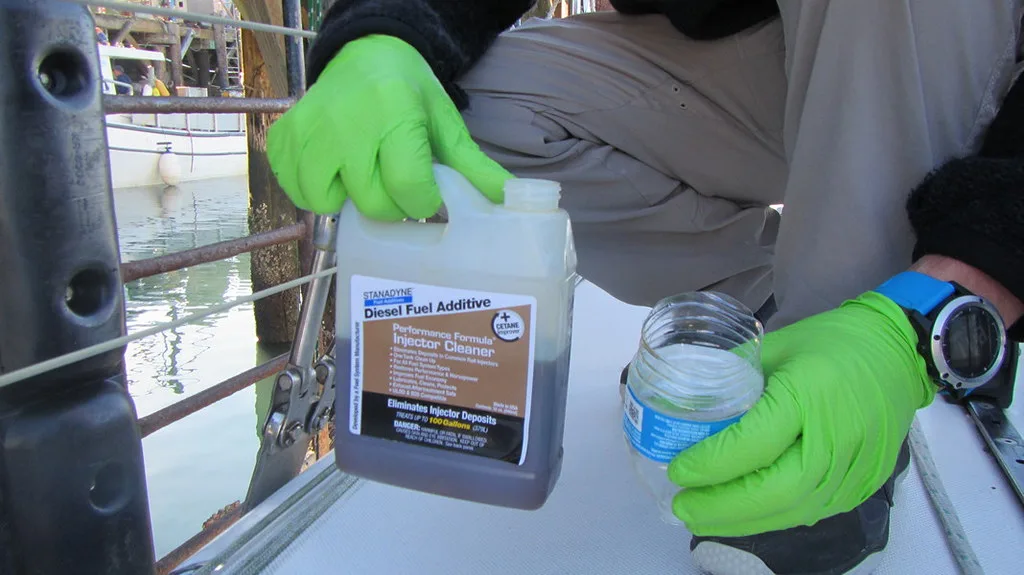
Autoprofi’s reference size is 250 ml, and one bottle treats up to 50 liters of fuel. That is the kind of math that matters: if your tank holds more than the stated coverage, do not improvise with extra additive unless the label says you can.
Overdosing can create more trouble than it solves. Too much solvent in the tank is not a shortcut to cleaner injectors; it is a good way to ignore the product’s designed fuel ratio.
When to add it and when to repeat it
Add the cleaner before refueling so the incoming fuel mixes it well. Then drive normally; fuel injector cleaner works during engine operation, so it needs circulation time rather than idle time in the driveway.
For preventive maintenance, the service interval on the reference product is every 6 months or 10,000-15,000 km. That makes sense as a cadence, not as a repair schedule.
Decision checklist: should you try a cleaner first or diagnose first?
Use a cleaner first only when the rough idle looks like a deposit story. Diagnose first when the symptom pattern points to ignition, vacuum, air, sensor, or mechanical faults. If the car is showing an urgent warning sign, stop driving and inspect before adding anything to the tank.
- Likely deposit-related and worth trying a cleaner: mild rough idle, higher mileage, occasional hesitation, no flashing light, no stall, no sudden change after a repair, and no obvious vacuum hiss.
- Likely unrelated and needs diagnosis: misfire codes, lean codes, fuel-trim issues, rough idle that appears at all speeds, sudden onset after service work, or symptoms that point to plugs, coils, throttle body grime, MAF issues, or idle control faults.
- Urgent-no-drive: flashing check-engine light, severe shaking, stalling, strong fuel smell, or a miss that is getting worse by the mile. In those cases, stop guessing and scan the car.
One more practical filter helps. If the rough idle is the only symptom and the engine otherwise drives normally, a cleaner trial is reasonable. If the car is stacking symptoms, the additive is probably just a distraction.
What fuel injector cleaner is and what it does in the fuel system
Fuel injector cleaner is a gasoline-engine additive that uses detergent and solvent chemistry to remove deposits from the fuel path. It works in injected and carbureted systems, and the cleaner can reach injector nozzles, the tank side of the fuel path, and in some cases combustion-chamber deposits carried by treated fuel.
It is not a repair in a bottle. It is a cleanup tool for gums, varnishes, and light contamination that can hurt spray pattern, combustion quality, and emissions.
What fuel injector cleaner works best for rough idling
For rough idle, the best cleaner is the one that matches the engine and the symptom pattern, not the loudest bottle on the shelf. A gasoline-compatible, catalyst-safe cleaner with enough detergent strength for deposit cleanup is the right lane, especially when the idle complaint is mild and mileage is up.
For that use case, Chevron Techron Concentrate Plus is the strongest fit here because it is aimed directly at rough idle, surge, and hesitation without pretending to fix non-fuel faults. If the engine is direct-injection, turbocharged, or emissions-sensitive, read the label carefully and stay with a product that explicitly allows those systems.
How to clean dirty fuel injectors
For light to moderate dirt, tank treatment is the first step. Add the cleaner before refueling, drive the fuel through the system, and give it time to work during normal operation. That is enough for many deposit-related idle complaints that are still in the early stage.
For heavy buildup, stuck injectors, or a rough idle that comes with codes and hard symptoms, a bottle is not enough. Then the next step is diagnosis, and sometimes professional injector service or parts replacement.
How long does fuel injector cleaner take to work
It does not work instantly. Expect any improvement to show up after the treated fuel has been driven through the system, often over the next tank rather than the next minute. If the idle is going to respond, it should become more stable as the tank is consumed.
If there is no change after a full tank of ordinary driving, assume the rough idle is probably not deposit-related. At that point, keep cleaning if you want, but do not keep expecting a different result from the same symptom.
Can fuel injector cleaner make a car run rough after adding it?
It can, temporarily. A strong cleaner can loosen deposits and change how the engine runs while the treated fuel is cycling through, and an incorrectly used additive can also create drivability complaints. If the roughness becomes severe, the engine stalls, or a warning light flashes, stop driving and inspect the car.
That said, a brief change right after treatment is not the same as a fix. What matters is whether the idle settles down after normal driving, not whether the first few miles feel odd.
Frequently asked questions
will fuel injector cleaner help rough idle
Yes, if the rough idle is mild and deposit-related. It is most reasonable when the engine has higher mileage, the idle complaint came on gradually, and there are no signs that point strongly to ignition, air leaks, sensor faults, or mechanical damage. It will not fix hard misfires or a flashing warning light.
how to use fuel injector cleaner
Add it to the tank before refueling, then drive normally so the treated fuel circulates through the system. Follow the bottle’s fuel coverage and do not exceed the dose. For the reference product here, 250 ml treats up to 50 liters, and the maintenance interval is every 6 months or 10,000-15,000 km.
does cleaning fuel injectors improve gas mileage
Sometimes, but only when dirty injectors or fuel-system deposits were hurting combustion efficiency. Mileage gains are not guaranteed, and they are usually modest if the car was only slightly dirty. If the engine has a vacuum leak, bad spark, or sensor problem, fuel mileage will not improve just because the tank got cleaner.
how long does fuel injector cleaner take to work
Plan on a tankful, not a minute. It works during engine operation, so the cleaner needs normal driving time to circulate and do useful work. If the idle has not improved after a full tank of use, the problem is probably something other than injector deposits.
can fuel injector cleaner make a car run rough after adding it
Yes, briefly, or if it was used incorrectly. A cleaner can loosen deposits and change combustion enough to make the engine feel odd for a short time. If the roughness is severe, the engine stalls, or the check-engine light flashes, stop driving and diagnose instead of waiting it out.
should I use fuel additive for rough idle or replace parts first
Use the additive first only when the rough idle looks like a deposit problem: mild stumble, gradual onset, higher mileage, and no strong signs of ignition or air faults. Replace or diagnose parts first when the idle is rougher, sudden, code-driven, or accompanied by lean symptoms, stalling, fuel smell, or a flashing light.
Products related to this article
Sponsored / affiliate links. As an Amazon Associate I earn from qualifying purchases. I may earn additional commission from eligible campaigns.