Mechanical Car Key vs Remote Key: Which One to Choose
A mechanical car key gets you moving fastest in a dead-battery or lockout, while a remote key is better for normal use and convenience; for backup, the right rule is one working metal spare per driver, plus one programmed fob. Ignore that, and a dead battery or lost fob can turn a five-minute fix into a tow and dealer bill. This guide compares both key types, replacement costs, and when each one is the faster recovery tool.
What is the difference between a mechanical car key and a remote key?


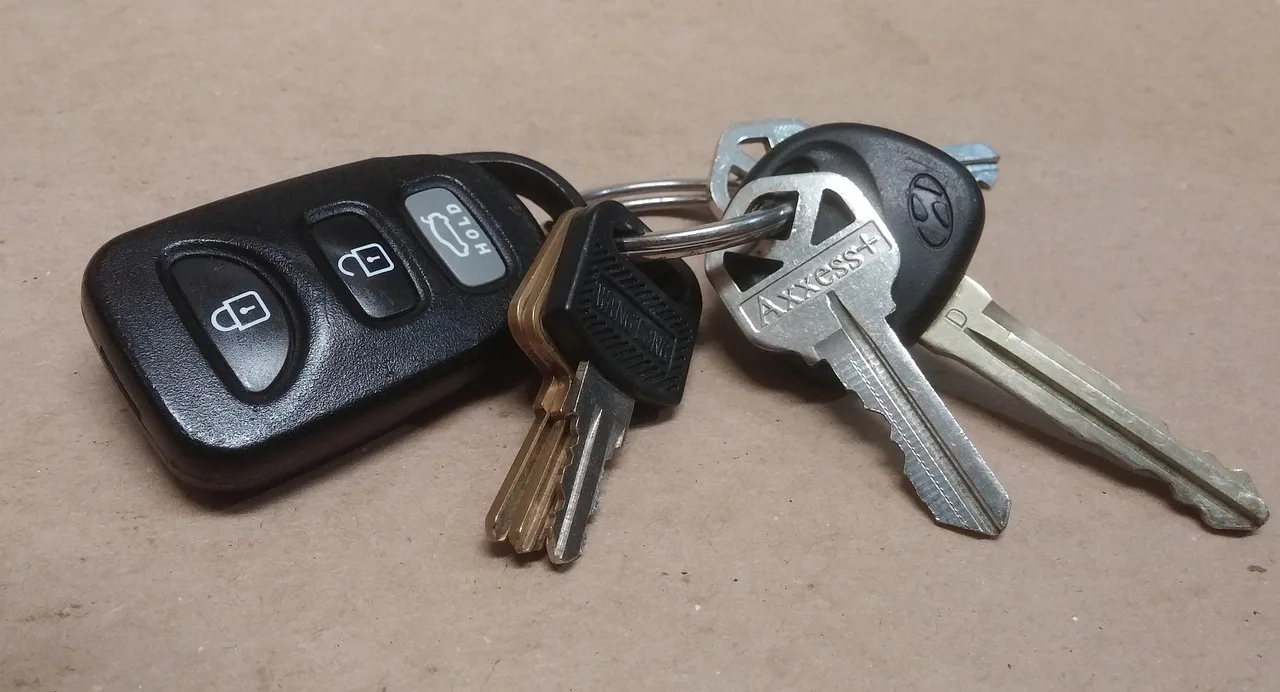
The short version: a mechanical car key is a traditional metal key that manually unlocks the door and turns the ignition cylinder, while a remote key talks to the car wirelessly and may open doors or start the engine without inserting a blade. The recovery difference matters most when power fails or the key goes missing.
Mechanical keys use a physical ignition tumbler mechanism. Remote keys depend on a battery and usually need the car’s electronics to cooperate before they do anything useful. If the goal is the fastest rescue from a lockout, the mechanical key usually wins. If the goal is everyday convenience, the remote key usually does.
How each key system works
A mechanical key works by matching the cut of the blade to the lock and the ignition cylinder. The blade enters the tumbler mechanism, the tumblers align, and the driver can unlock and start the car through a purely mechanical path.
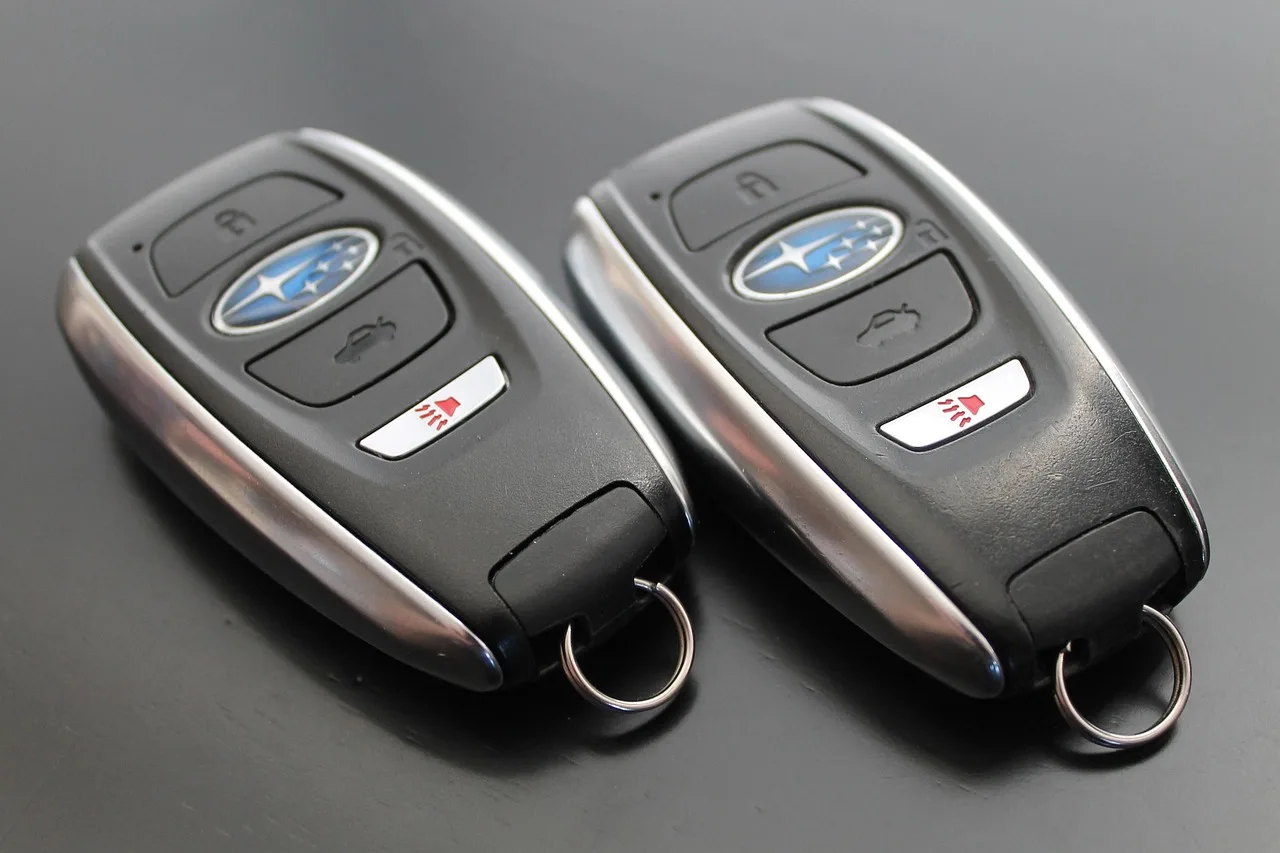
A remote key uses wireless communication with the vehicle. Many include keyless entry, and some include push-button ignition or remote start. In transponder-equipped versions, the blade or fob also carries a microchip that the immobilizer may check before it allows the engine to run.
That immobilizer layer is the key security step. The car immobilizer system may recognize the transponder signal and can prevent unauthorized starting, even if the blade shape looks correct.
Mechanical car key vs remote key: side-by-side decision matrix
| Decision factor | Mechanical Car Key | Remote Key | Winner |
|---|---|---|---|
| Emergency access | Works without battery power; can manually unlock and start, if the vehicle still accepts a mechanical ignition path | May fail when the battery dies; access depends on the vehicle and fob design | Mechanical Car Key |
| Replacement cost | Usually lower because cutting a plain blade is simple and shop time stays short | Usually higher because the fob, electronics, and programming add cost | Mechanical Car Key |
| Duplication ease | Easy and cost-effective to duplicate at many shops | Often needs special equipment, a programming step, or dealer support | Mechanical Car Key |
| Battery dependence | No battery dependence | Requires a battery for normal operation | Mechanical Car Key |
| Theft resistance | Lower on older cars without immobilizer support | Higher when paired with a transponder key or smart key system | Remote Key |
| Ownership risk | Low risk if a spare is available, but less protection against modern theft methods | Higher replacement risk if the fob is lost or battery-dependent entry fails | Tie |
Emergency access
Mechanical keys win here because they still provide a physical route in when electronics are dead. A remote key can be excellent on a normal day, but it can become a dead object when the battery fails or the car cannot detect the fob.
For a driver who wants the fastest recovery tool, the blade matters more than the buttons. That is why many owners keep a metal emergency key inside the fob or in the glove box as a backup plan.
Replacement cost and programming
Mechanical keys are generally cheaper to replace because key cutting is simple. A remote key costs more because the shell, circuit, transponder chip, and programming all affect the bill.
That difference gets bigger when the vehicle uses an immobilizer. A transponder key contains a microchip that communicates with the car’s immobilizer system, and replacement often needs programming rather than simple cutting.
Battery dependence
Mechanical keys do not depend on batteries or sophisticated technology. That makes them attractive for emergency use, winter storage, and older vehicles that still use an ignition cylinder and tumbler mechanism.
Remote keys need a battery, and when that battery weakens, entry and start functions can stop at the worst time. Some vehicles still allow a hidden blade to open the door, but the start process may still need a recognized chip or fob signal.
Security and theft resistance
Remote keys usually have the edge on security because many pair with transponder technology or a smart key system. The immobilizer is the real security layer; it stops the engine even if someone copies the blade shape.
A plain mechanical key can be perfectly adequate on older vehicles, but its protection is thinner. If the car has no chip-based immobilizer, a copied blade is easier to misuse.

Which car key is cheaper to replace?
A mechanical car key is usually cheaper to replace because cutting a plain metal key is straightforward. A remote key is usually more expensive because the replacement may include electronics, a transponder chip, and programming. The cheapest option is often a code-cut mechanical spare made before the original is lost.
Dealer replacement tends to be pricier than locksmith replacement, especially on remote keys. A locksmith may handle cutting and programming in one visit, while a dealer may require proof of ownership, ordering the correct fob, and a separate programming appointment.
Real-world cost ranges for replacement
For a plain mechanical key, cutting is often the least expensive path, especially when the owner already has a working original or a key code. For a remote key, the bill rises because programming can require specialized equipment and the car may need to accept the fob through a diagnostic procedure.
Code-cut keys matter because they can save time when the original blade is worn or missing. If the key code is available, a locksmith or dealer can cut a correct replacement without copying a damaged worn edge.
What happens if my remote key battery dies or the blade breaks?
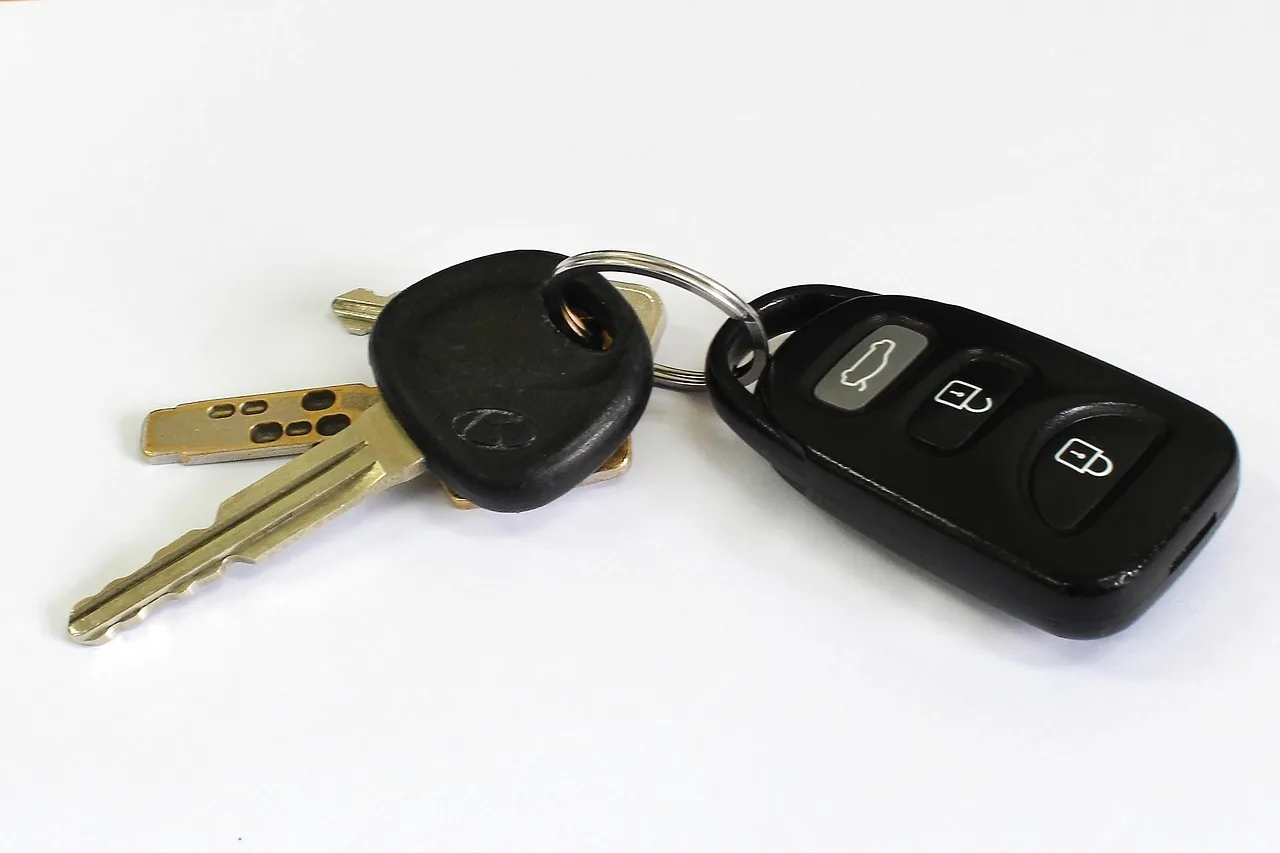
If the battery dies, a remote key may still open the door with a hidden blade, but its wireless features can stop working. If the blade breaks, the fob may still send signals, but the emergency mechanical path is gone until a replacement blade or new fob is made. Loss and lockout are separate problems, and the quickest fix depends on which part failed.
Failure-case checklist
- Dead battery: use the hidden mechanical blade if the fob has one; then replace the battery and confirm the car still recognizes the chip.
- Broken blade: keep the remaining fob and the vehicle VIN or key code; a locksmith or dealer may be able to cut and program a new blade or fob.
- Lost fob: check for a spare first; then order a replacement and have the missing unit removed from the vehicle’s memory if the system allows it.
- Locked out: use the emergency blade if available, or call a locksmith before choosing dealer towing and replacement.
Dead battery: what still works and what does not
On many remote keys, the hidden blade can still open the door. That can be enough to get inside, but it may not be enough to start the car if the vehicle expects a live fob signal or a valid transponder response.
If the vehicle uses push-button ignition, the start method can be more sensitive to battery failure. Some cars may have a backup recognition point near the steering column or button area, but owners should confirm that before they need it.
Lost fob: recovery steps before ordering a replacement
The first move is to find the spare, if one exists. After that, identify the exact key type and confirm whether the car uses a transponder key, a remote key, or a smart key, because the replacement path changes with each system.
If the lost unit may still be near the vehicle, act quickly to limit security risk. Some systems allow the missing fob to be erased during programming, which is worth asking about when ordering the replacement.
Locked out: the fastest route back in
The fastest route is usually the emergency blade, if the remote key includes one. If there is no blade or it no longer works, a locksmith is often the quickest recovery option because the job may require on-site entry plus programming.
Dealer support is useful when the vehicle needs a factory procedure or when the immobilizer system is picky. It is rarely the fastest path for a simple lockout.
Are mechanical car keys more reliable than remote keys?
Yes, in the narrow sense that a mechanical car key is less likely to fail from battery loss or electronic damage. It has fewer parts, no battery dependence, and a direct physical start path through the ignition cylinder. For basic entry and backup use, that simplicity is hard to beat.
Remote keys are still reliable for daily use when the battery is fresh and the electronics are healthy. Their weakness is not normal operation; it is recovery. When something fails, more parts can be involved, and that can slow replacement or repair.
Vehicle age, trim level, and platform generation
Older vehicles, especially base trims, are more likely to use a plain mechanical key or a simple transponder key. Many newer cars, higher trims, and later platform generations use remote keys or smart keys with keyless entry and push-button ignition.
Retrofits exist, but the original platform matters. A car built for a mechanical ignition cylinder often stays easier to duplicate and repair than a car designed around keyless access from the start.
How do I know which key type my car uses?
The quickest clue is the physical shape in your hand. A plain metal blade points to a mechanical car key, while buttons, a sealed plastic head, or keyless-entry features point toward a remote key or smart key. If the car starts by pushing a button, it almost certainly uses an electronic key system.
Another clue is the ignition hardware. A visible ignition cylinder usually means a mechanical start path is present. If there is no cylinder and the car wakes up with a button, the vehicle likely depends on a remote key, transponder, or smart key setup.
Compatibility clues: blade profile, immobilizer type, and key-cut code
Blade profile matters because the cut has to match the lock, not just the car brand. The wrong blank can slide into a locksmith tray and still fail in the door or ignition.
The immobilizer type matters because a duplicate blade alone may open the door but still fail to start the engine. The key-cut code matters because it can let a shop cut the correct blade even when the original is worn or missing.
Can I duplicate a mechanical car key at a hardware store?
Yes, many mechanical car keys can be copied at a hardware store if the blank is common and the key is not badly worn. That is one reason mechanical keys are generally easier and more cost-effective to duplicate than remote keys.
There are limits. Worn blades can copy poorly, high-security blanks may not be stocked, and some vehicles need a transponder chip in addition to the cut. In those cases, a locksmith is usually the better route.
Do remote keys need batteries?
Yes. Remote keys require a battery for normal wireless operation, including keyless entry and often the electronic side of start authorization. When the battery weakens, range shrinks first, then functions can stop altogether.
That battery dependence is the main trade-off for convenience. The car may still accept a hidden blade or a backup read point, but the driver should not assume the remote functions will work indefinitely without replacement.
Do remote keys use a transponder chip?
Many do, and that chip is a major reason remote keys are harder to replace than plain mechanical keys. The transponder key contains a microchip that communicates with the car’s immobilizer system, which helps prevent unauthorized starting.
Not every remote key is built the same way, though. Some are simple remote-entry fobs, some are transponder-equipped, and some smart keys add even more features. The owner has to identify the exact system before ordering parts.
Is a remote key the same as a smart key?
No. A smart key is a more advanced electronic key, usually with keyless entry and push-button ignition, and it may include remote engine start or vehicle tracking. A remote key can have some of those features, but it is not always the same thing.
In practice, people use the terms loosely, which causes bad replacement orders. The safe move is to match the existing fob shape, buttons, blade presence, and the vehicle’s start method before buying anything.
Choose Mechanical Car Key if… / Choose Remote Key if…
Choose a mechanical car key if you want the cheapest spare, the simplest duplication, and the fastest backup when power fails. It is the better fit for older vehicles, emergency door access, valet spares, and any car that still has a working ignition cylinder and tumbler mechanism.
Choose a remote key if your car depends on keyless entry or push-button ignition, or if the vehicle already expects a transponder or smart key. It is the better daily-use choice for newer platforms, higher trims, and drivers who value convenience more than the lowest replacement bill.
If the fob contains a hidden metal blade, treat that blade as the emergency plan, not the main identity of the key. That small piece of steel is often the difference between a quick recovery and a tow.
Frequently asked questions
What is the difference between a mechanical car key and a remote key?
A mechanical car key is a traditional metal key that physically unlocks doors and turns the ignition cylinder. A remote key uses wireless communication with the vehicle and may add keyless entry, push-button ignition, or remote start. The main difference is physical backup versus electronic convenience.
Which car key is cheaper to replace, mechanical or remote?
Mechanical keys are usually cheaper to replace because cutting is straightforward and affordable. Remote keys cost more because they often need electronics, a transponder chip, and programming. Dealer replacements are often pricier than locksmith replacements, especially when the original fob is lost.
Can a mechanical car key start a modern car?
Sometimes, but only if the vehicle still has a mechanical ignition cylinder and the anti-theft system accepts that key. Many modern cars use a transponder or smart key system, so a plain metal blade may unlock the door but not satisfy the immobilizer. The vehicle’s platform determines the answer.
Do remote keys need batteries?
Yes. Remote keys depend on a battery for wireless entry and other electronic functions. When the battery weakens, range and reliability drop first, and the key may eventually stop working until the battery is replaced. Some cars still allow emergency access with a hidden blade.
What happens if my remote key battery dies?
In many cars, the hidden mechanical blade can still open the door, but the remote functions may stop working. Starting the engine may also fail if the vehicle cannot detect the fob or transponder signal. The quickest fix is usually to replace the battery and confirm the car still recognizes the key.
How do I know which key type my car uses?
Look at the key itself and the way the car starts. A visible metal blade and ignition cylinder point to a mechanical key. Buttons, a sealed fob, and push-button start point to a remote key or smart key system, often with transponder-based immobilizer protection.
Products related to this article
Sponsored / affiliate links. As an Amazon Associate I earn from qualifying purchases. I may earn additional commission from eligible campaigns.