5 Best Trailer Hitch Picks (2026): based on specs and reviews
The best trailer hitch accessories for everyday drivers are a 2-inch receiver setup, a bike rack, a locking ball or cargo mount, and a wiring adapter, picked around the one or two jobs used most. Buy the wrong mix and money goes to waste, rattles start, the liftgate gets blocked, or the rack or ball mount simply does not fit the vehicle. This guide ranks the most useful hitch accessories by daily job, vehicle fit, towing needs, and long-term value.
Quick comparison
| Product | Badge | Best for | Price | ||
|---|---|---|---|---|---|
 |
CURT 13146 Class 3 Trailer Hitch for Acura MDX and HondaCURT | Our pick | Class 3 hitch for Acura MDX/Honda Pilot | $191.95
Price as of 28 Sep 2026
|
View |
 |
MaxxHaul 70107 53" x 19-1/2" Hitch Cargo Carrier – TrailerMAXXHAUL | Budget pick | 53-inch steel cargo carrier, 500-lb capacity | $61.99
Price as of 28 Sep 2026
|
View |
 |
Thule T2 Pro XTR 2 Hitch Bike Rack – E-Bike Compatible –Thule | Upgrade pick | 2-bike hitch rack with e-bike compatibility | $899.95
Price as of 28 Sep 2026
|
View |
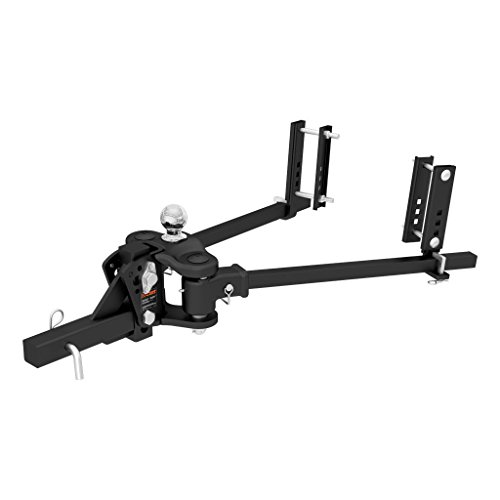 |
CURT 17500 TruTrack 4P Weight Distribution Hitch with SwayCURT | Pair with it | 10K weight distribution system with sway control | $609.95
Price as of 28 Sep 2026
|
View |
 |
DEEAGLE Hitch Tightener Anti Rattle Stabilizer for 2.5"DEEAGLE | Also great | Anti-rattle stabilizer for 2.5-inch hitches | $15.99
Price as of 28 Sep 2026
|
View |
The strongest all-around choice for many owners is a 2-inch receiver setup, because it fits the widest mix of cargo carriers, bike racks, locks, and ball mounts. If storage space is tight, one accessory that solves the most frequent job should come first.
According to Is Your Truck’s Hitch Being Wasted? These Accessories Unlock Its Full Potential — Car and Driver says a good tongue-weight rule of thumb is about 10 percent of towing capacity. (source)
How we chose
Fit came first. Receiver size, hitch class, and accessory shank compatibility matter more than brand names.
Real daily use came next. School runs, grocery hauling, weekend errands, and occasional towing all create different needs.
Price compared with ownership value mattered too. A useful accessory should earn its spot in the garage, not just on a product page.
Storage and installation were part of the decision as well. Bulky gear, awkward adapters, and noisy fit problems can turn a helpful add-on into clutter.
Which receiver size do you have?
The receiver size sets the whole shopping path. Most passenger vehicles use 1.25-inch or 2.0-inch receivers, and the accessory shank should match the receiver size or use an adapter. Class I–II are typically 1.25-inch, while Class III–V are often 2.0-inch, and some heavier setups use 2-1/2-inch receivers.
1.25-inch versus 2.0-inch receivers
Receiver hitches typically come in two sizes: 1.25-inch and 2.0-inch. Car and Driver says Class I–II are 1.25-inch and Class III–V are 2.0-inch, while RealTruck says Class III and Class IV are 2-inch receivers and Class V uses a 2-1/2-inch receiver. That is why a rack or mount can look right and still fail to fit.
When an adapter makes sense
An adapter makes sense when a 2.0-inch accessory must fit a 1.25-inch receiver, or when a smaller accessory needs to ride in a larger opening. It can also help with a limited accessory pool if the driver already owns a rack or ball mount in the wrong size.
When an extender creates problems
An extender is not a free fix. It adds length, which can create more leverage, more movement, and more rear clearance issues on vehicles with a steep bumper shape or a liftgate that swings close to the hitch. That extra depth can also worsen rattling on gap-prone accessories.
How fit failures usually happen
- The accessory shank is the wrong size for the receiver.
- The bumper or spare tire shape blocks the rack or carrier from sitting flush.
- The accessory is too deep for the vehicle and hits the liftgate.
- The setup is legal on paper but noisy in use because the fit is loose.
Everyday-driver hitch setup matrix
| Vehicle type | Common job | Receiver size | Accessory type | Typical price band | Common failure mode |
|---|---|---|---|---|---|
| Small car or compact crossover | Grocery runs, school pickup, light bike hauling | 1.25-inch, often Class I–II | Compact bike rack, small cargo carrier, simple ball mount | Budget to midrange | Liftgate contact, tongue-weight overload, and receiver rattle |
| Small SUV or midsize crossover | Weekend errands, family gear, occasional towing | 2.0-inch, often Class III | Folding cargo carrier, platform bike rack, lock, anti-rattle device | Midrange | Accessory depth mismatch and blocked rear hatch access |
| Truck or body-on-frame SUV | Heavier gear, trailers, tailgating, mixed use | 2.0-inch or larger, depending on hitch | Ball mount, cargo carrier, bike rack, lock, anti-rattle hardware | Midrange to higher-quality | Overbuying the wrong class, plus unused bulk in storage |
That matrix matters because everyday drivers usually need one accessory that does real work and stores easily. A compact crossover owner may get more value from a folding carrier than from a large rack that lives in the garage and rarely leaves it.
Hitch cargo carrier: best for cargo runs
The MaxxHaul 70107 cargo carrier is the best fit for drivers who need extra space for luggage, coolers, garden supplies, or school-event gear without moving up to a roof box. Car and Driver gave the Mockins Folding Trailer Hitch Cargo Carrier Best Value in its cargo carrier test, and that result points to the same everyday use case: simple hauling with straps, bags, and bungee cords doing the securing work.
Folding or fixed platforms both have a place. Folding models are easier to store and better for people who only need the carrier on trips or busy weekends. Fixed carriers can be simpler and sometimes sturdier-feeling, but they occupy more space when not in use.
Its drawback is obvious: cargo rides outside the cabin, so weather, road grime, and exposure are real concerns. Weight management also matters, because a carrier is only useful when the vehicle’s hitch limit and tongue weight limit are respected.
What to spend on a cargo carrier
Budget carriers are for light, occasional use. Midrange options usually make more sense for drivers who load and unload weekly, because better rails, folding hardware, and easier tie-down points save time. Higher-quality carriers are worth paying for when the load is heavy or the carrier stays on the vehicle often.
Tie-down and load notes
Use straps, bags, and bungee cords to keep cargo from shifting. Soft bags help with odd-shaped loads, and they also reduce the chance that a cooler or duffel rubs against the carrier rails. Keep weight low and centered. Tall stacks catch airflow and move more.
Hitch bike rack: best for bikes
The Thule T2 Pro XTR is the best pick for drivers who carry bikes often and want less fuss at the tailgate. Car and Driver named the Thule Verse Best Overall in its hitch bike-rack test, and the same logic favors a platform-style rack for people who care about loading ease, wheel security, and repeat use.
Platform racks and hanging racks solve different problems. Platform styles usually handle a wider range of frame shapes and can be easier with heavier bikes, including many e-bikes. Hanging styles can be lighter and cheaper, but frame contact and strap management become more important.
The drawback is size and cost. This kind of rack is expensive, takes storage space, and can still interfere with backup cameras or rear access if the tilt function is not used correctly.
Loading ease and security
Ratchet straps and wheel clamps matter because they hold the bike upright and reduce movement over rough roads. Loading should be simple enough that the rack gets used instead of left in the garage. That is where many cheaper racks fail in daily life.
What to spend on a bike rack
Budget racks can work for occasional riders, especially lighter bikes. Midrange racks are a better balance for weekly use. Higher-quality racks make sense for expensive bikes, heavier e-bikes, or families that will load and unload several bikes at once.
Clearance checks
Check rear hatch clearance, bumper shape, and how far the rack sits from the vehicle. A rack that looks fine on the showroom floor can still block the liftgate on a crossover or sit too close to the spare tire on a truck-based SUV.
Hitch trailer hitch lock and anti-rattle hardware: best for security and quiet

The DEEAGLE hitch tightener is the best buy for drivers whose biggest complaint is movement, noise, or a loose-feeling rear setup. RealTruck says Curt hitch locks include two keys and fit 2-inch and 2.5-inch receivers with a 5/8-inch pin, which makes lock choice easier when the main goal is theft protection for a ball mount or accessory.
An integrated lock cylinder with keys protects ball mounts and accessories from quick theft. An anti-rattle device reduces movement and noise, especially on accessories that leave extra room in the receiver or extend farther behind the vehicle. Those are different jobs, and they should be treated that way.
The drawback is that anti-rattle hardware cannot fix every fit problem. It will not cure a mismatched shank, a bad weight rating, or an extender that is too long for the bumper shape. It quiets movement; it does not make the wrong setup right.
When anti-rattle hardware matters
It matters most on cargo carriers, bike racks, and any hitch accessory that wiggles in the receiver. That movement is more than a noise issue. Over time, it can make the setup feel cheap and can loosen confidence in a load that should sit still.
What to spend on security and quiet
Budget locks and stabilizers are fine for occasional use and light-duty accessories. Midrange hardware is a better buy when the accessory stays on the vehicle for long stretches. Higher-quality systems are worth it if the rack, carrier, or mount costs enough that theft would hurt.
What it will not fix
It will not solve a receiver-size mismatch. It will not increase tongue weight capacity. It will not correct a carrier that hits the bumper. It simply takes slack out of a setup that already fits well enough to use.
Ball mount and towing hardware: best for occasional towing
A ball mount is the right tool when a driver tows only now and then and wants a simple, complete setup. RealTruck says Curt Ready Tow Ball Mounts accommodate hitch balls from 1-7/8-inch to 2-5/16-inch, which covers the common trailer ball sizes most drivers need for light utility towing.
Complete kits matter because they reduce the odds of missing a pin, clip, or correct ball size on the day the trailer needs to move. The drawback is storage clutter. A ball mount, pin, clip, and lock each take space, and the wrong rise or drop can create trailer-level issues that a cargo carrier never would.
For occasional towing, a complete kit is usually better value than buying parts one by one. It is easier to keep together, easier to store, and easier to grab when the trailer job appears unexpectedly.
What to spend on a ball mount
Budget kits can work if the trailer is light and the use is infrequent. Midrange kits are a better fit for drivers who tow a few times a season. Higher-quality mounts make more sense when the vehicle sees heavier loads or the trailer gets swapped often.
What is tongue weight and how much can my hitch carry?
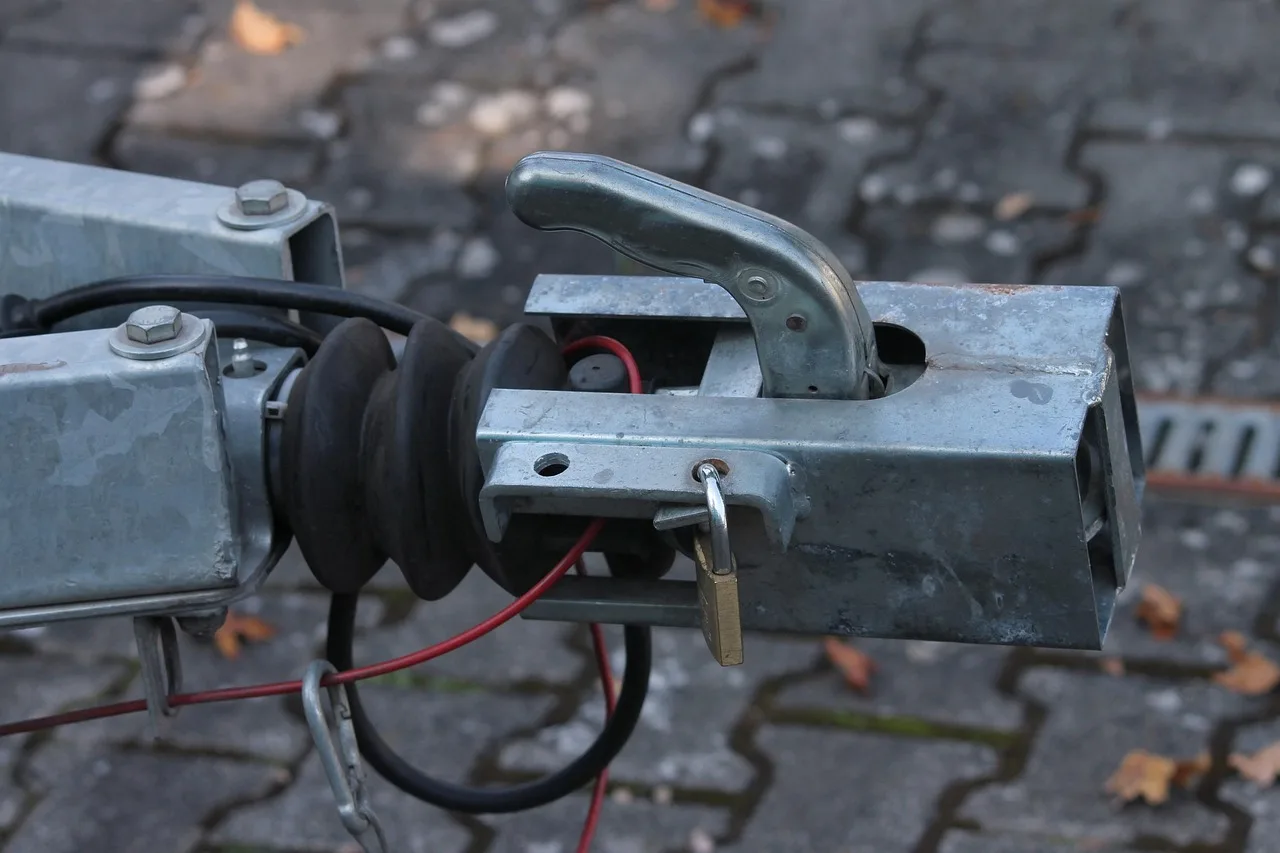
Tongue weight is the downward force on the hitch. Car and Driver says a good rule of thumb is about 10 percent of towing capacity, but the exact limit must come from the owner’s manual and the hitch label. That number matters before any carrier, rack, or trailer is loaded.
Why this limit matters beyond trailers
Cargo carriers count too. So do some bike racks and accessory combinations. A rear-mounted platform full of coolers and bags can overload the hitch faster than people expect, especially on smaller cars and crossovers with limited rating headroom.
Common failure mode: overloading
Overloading shows up as sagging rear suspension, poor steering feel, and extra strain on the hitch. It can also worsen clearance problems at driveways and steep ramps. The fix is not a stronger accessory; it is staying within the vehicle’s actual rating.
Which hitch accessories are useful if I only tow occasionally?
If towing is rare, the best accessories are the ones that do double duty. A cargo carrier, a bike rack, a lock, and a simple ball mount cover more real-life jobs than specialty towing gear. A full towing kit is only worth it when trailers show up often enough to justify the storage space.
Best first buy if storage space is limited
Start with the accessory that handles the most frequent non-towing job. For many families, that is a cargo carrier. For riders, it is a bike rack. For drivers who tow one weekend trailer a year, a ball mount and lock may be enough.
Best buy for families and road trips
A folding cargo carrier is usually the strongest first buy. It handles coolers, bags, and gear that otherwise crowd the cabin. It also stores more easily than a bulky hitch basket that stays fixed in place.
Best buy for cyclists
A platform hitch bike rack is the safer long-term value for frequent riders. Ratcheting straps and wheel clamps help with loading and security, and the rack is more likely to stay in use if it is easy to mount and remove.
Best buy if theft or noise is the main concern
A hitch lock and anti-rattle device should come first. Locks protect ball mounts and accessories from theft, while stabilizers quiet the setup and reduce the loose feel that many drivers notice most after installation.
Which one should you buy?
For most everyday drivers, the best first buy is a 2-inch receiver-compatible setup that matches the vehicle’s actual use, then a cargo carrier or bike rack based on the most common errand. If the vehicle only tows occasionally, a ball mount plus lock is usually more useful than a large towing package. If storage is tight, buy one accessory that gets used monthly, not one that only looks versatile.
Choose the cargo carrier if school runs, grocery hauling, and weekend overflow are the real problem. Choose the bike rack if bikes are loaded often enough that a roof rack would be a nuisance. Choose the lock and anti-rattle hardware if the accessory already fits but feels noisy or exposed to theft. Choose the hitch itself only when the vehicle needs the receiver in the first place, because every other accessory depends on that foundation.
Frequently asked questions
What trailer hitch accessories are worth buying for everyday driving?
The most useful accessories are the ones that match repeat jobs: a cargo carrier for overflow, a bike rack for cycling, a ball mount for occasional towing, plus a lock and anti-rattle hardware. Drivers who never tow much usually get more value from fit and storage convenience than from heavy-duty towing gear.
Which hitch accessories fit a 1.25-inch receiver versus a 2-inch receiver?
A 1.25-inch receiver generally fits lighter-duty accessories and smaller racks, while a 2-inch receiver accepts a broader range of carriers, bike racks, and ball mounts. The accessory shank must match the receiver size, or an adapter must be used. That fit check should come before price comparisons.
Do I need a hitch adapter or extender for my accessories?
An adapter helps when the accessory and receiver sizes do not match. An extender adds length for clearance, but it can also create more leverage, more movement, and more rattle. Use an adapter for fit; use an extender only when bumper or liftgate clearance really demands it.
How do I stop hitch-mounted accessories from rattling?
Use an anti-rattle device that matches the receiver size and accessory shank. It reduces movement and noise, especially on cargo carriers and bike racks. If the setup still rattles badly, the problem may be a poor fit, not just loose hardware.
What hitch lock or anti-theft accessory should I use?
Use a hitch lock with the correct pin size and receiver fit, and keep the keys stored separately from the vehicle. RealTruck says Curt hitch locks include two keys and fit 2-inch and 2.5-inch receivers with a 5/8-inch pin. Locks protect accessories, but they do not replace a correct fit.
Products related to this article
Sponsored / affiliate links. As an Amazon Associate I earn from qualifying purchases. I may earn additional commission from eligible campaigns.