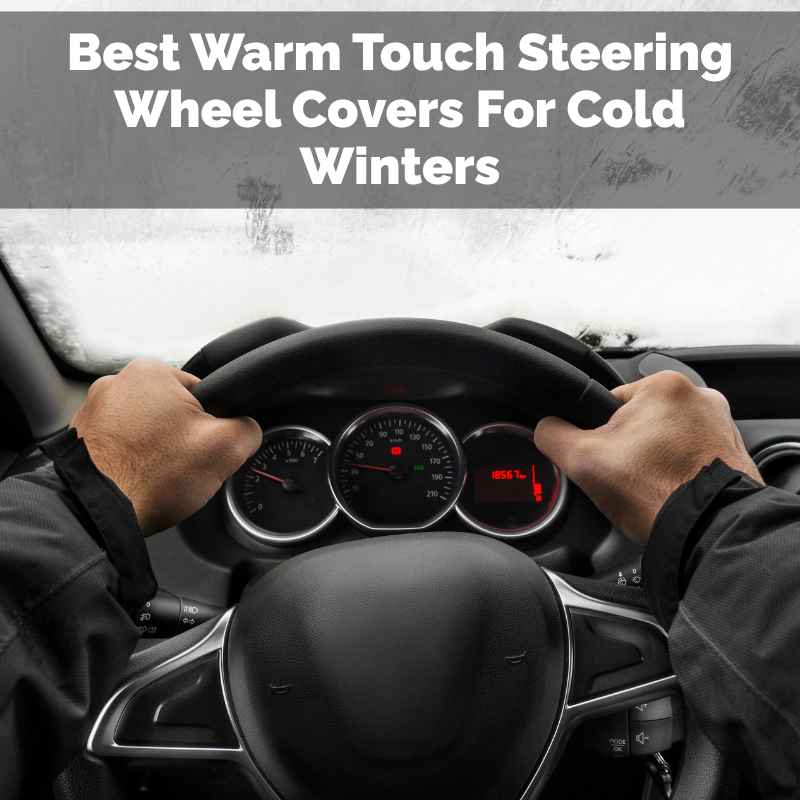
Best Warm Touch Steering Wheel Covers For Cold Winters
A warm touch steering wheel cover provides a more comfortable grip in cold weather by insulating your hands from the cold surface of the steering wheel. It adds a layer of warmth and can improve driving control when it’s chilly outside.
What is a Warm Touch Steering Wheel Cover?
A warm touch steering wheel cover is basically an accessory you put over your car’s steering wheel. Its main job is to keep the wheel from getting super cold in winter. It does this by adding a layer of material that doesn’t hold the cold as much as your car’s original wheel.
Think of it like wearing a cozy sweater for your steering wheel.
These covers come in different shapes and sizes. You need to pick one that fits your steering wheel snugly. This way, it won’t slip around when you’re driving.
They are made from various materials chosen for their warmth and grip. Some are soft and plush, while others might have a different texture but still offer that crucial warmth.
Why Do Steering Wheels Get So Cold?
Your car’s steering wheel is usually made of plastic or metal, sometimes with a leather wrap. These materials are great conductors of heat. This means they easily absorb the cold from the air inside your car, especially when your car has been sitting parked.
When the outside temperature is low, the inside of your car also gets cold.
Even when your car’s heater is on, it takes time for the air to warm up. The steering wheel is often one of the last parts of the car interior to feel the warmth. So, for the first few minutes of your drive, your hands are touching a surface that’s as cold as the outside air.
This can make your hands feel numb and uncomfortable.
Sometimes, condensation can also form on cold surfaces. This adds to the feeling of coldness. Metal parts of the steering wheel column can also feel extra cold.
It’s a common problem for many drivers when winter hits hard.
How Do Warm Touch Covers Work Their Magic?
The magic is simple science, really. These covers use insulating materials. Materials like fleece, faux fur, plush fabrics, or even thick rubber with insulating properties act as a barrier.
This barrier slows down heat transfer. Your hands are warm, and the cover traps some of that warmth.
It also stops the cold air from directly touching the steering wheel material. This prevents the wheel from becoming a super-cold conductor. Instead of feeling a harsh, cold surface, your hands meet a softer, warmer layer.
This makes a big difference in how comfortable you feel while driving.
The thickness of the material plays a role too. A thicker cover will generally provide more insulation. Some covers are designed with multiple layers to maximize this effect.
They aim to create a cozy micro-environment around your steering wheel.
My Own Winter Steering Wheel Saga
I remember one particularly brutal winter a few years back. The kind where the snow seemed to last forever and the temperatures barely climbed above freezing. My commute was usually around 30 minutes, and those first 10 minutes were always the worst.
My hands would get so cold on the steering wheel that I’d lose feeling in my fingertips.
I tried everything. I’d crank the heat up to maximum, but it felt like it was taking ages to warm up the car. I’d wear thin gloves, but they made it hard to get a good grip on the wheel.
It was frustrating and frankly, a little dangerous. I’d grip the wheel tighter, trying to warm my hands, but it just made my shoulders tense up.
One morning, after fumbling with my keys because my fingers were too stiff, I decided enough was enough. I’d seen steering wheel covers before, but I always thought they looked a bit clunky or too “car enthusiast-y.” But that day, the thought of a warm steering wheel was too appealing to ignore. I rushed to an auto parts store during my lunch break.
I grabbed the first plush-looking cover I found, hoping for the best. That evening, as I got into my car, I felt a little silly putting it on. But as soon as I started driving, it was a revelation.
My hands were warm. I could feel the road through the cover, but without the icy sting. It was a small change, but it made my whole commute so much more pleasant.
That plush cover became my winter essential.
Quick Scan: What Makes a Cover “Warm Touch”?
Material is Key: Look for plush fabrics like fleece, faux fur, or microfiber. These trap air and feel warmer.
Thickness Matters: A slightly thicker cover offers better insulation. Avoid overly thin ones.
Snug Fit: A cover that fits tightly prevents air pockets and slipping, ensuring consistent warmth.
Breathability: While warmth is key, some breathability helps avoid sweat build-up.
Types of Warm Touch Steering Wheel Covers
There are several types of warm touch steering wheel covers out there. Each offers a slightly different feel and level of warmth. Understanding these can help you choose the best one for your needs.
Plush and Faux Fur Covers
These are probably the most common and popular for warmth. They often look and feel like a soft blanket or a cozy stuffed animal. The material is thick and fluffy, creating a very warm and comfortable surface.
They provide excellent insulation. The downside can be that some people find them a bit too bulky. They might also shed a little at first.
Fleece Covers
Fleece is a fantastic material for warmth without being too heavy. It’s soft, lightweight, and a great insulator. Fleece covers feel pleasant to the touch and offer a good grip.
They are usually easy to clean too. Many people love fleece because it’s warm but not overly so, meaning they work well even when it’s not freezing.
Wool or Wool-Blend Covers
Natural wool is known for its excellent insulating properties. Wool can keep you warm even when damp. A wool or wool-blend cover offers natural warmth and a classic look.
These can sometimes be more expensive. They might also require special cleaning to maintain their quality and softness.
Silicone or Rubber with Insulating Properties
While not typically “plush,” some high-quality silicone or rubber covers are designed with heat retention in mind. They might have a textured surface that provides excellent grip. They can feel warmer than bare plastic or leather because they don’t conduct cold as readily.
These are often more durable and easier to wipe clean. They offer a sleeker, less fuzzy feel.
Heated Steering Wheel Covers (Battery Operated)
These are a more high-tech option. They plug into your car’s accessory port or use a rechargeable battery. They actively generate heat.
This means they can warm up your steering wheel very quickly, even in extreme cold. They offer the ultimate warmth solution. However, they are usually more expensive and require power.
You also need to make sure the wiring is safe and out of the way.
Contrast: Plush vs. Performance Grip
Myth: All warm covers are bulky and make steering hard.
Reality: While plush covers can feel thick, many are designed to maintain good steering feel. Performance grip covers made of specialized rubber or silicone offer warmth and excellent control without bulk.
Benefits of Using a Warm Touch Steering Wheel Cover
Beyond just the obvious comfort, these covers offer several advantages, especially during the colder months.
Improved Comfort and Warmth
This is the main reason people buy them. No more icy hands! You can drive comfortably without needing thick gloves all the time.
This makes your drive more enjoyable, especially on longer commutes. It can also reduce the stress and tension that comes from trying to warm your hands.
Better Grip and Control
Cold hands can be less sensitive and sometimes sweaty. This can lead to a weaker grip on the steering wheel. A good warm cover, especially one with a textured surface, can provide a more secure and confident grip.
This is important for safe driving. You can steer more precisely.
Protection for Your Steering Wheel
The original steering wheel can get worn out over time. Sunlight can fade it, and constant touching can cause the material to become shiny or cracked. A steering wheel cover acts as a protective layer.
It shields your wheel from daily wear and tear. This can help maintain the look and feel of your car’s interior for longer. It also protects it from extreme temperature changes.
Personalization and Style
Steering wheel covers come in a huge variety of colors, patterns, and textures. You can use one to add a touch of personal style to your car’s interior. Whether you want something sleek and understated or bright and bold, there’s a cover to match your taste.
It’s an easy way to give your car a quick interior update.
Easier to Clean
Many steering wheel covers are easier to clean than the original steering wheel. You can often wipe them down with a damp cloth or even remove them and wash them. This helps keep your car’s interior smelling fresh and looking tidy.
Spills or grime are less of a worry.
Key Benefits at a Glance
- Instant Warmth: Makes driving comfortable on cold days.
- Enhanced Grip: Provides a secure hold for safer driving.
- Wheel Protection: Shields your original steering wheel from damage.
- Style Upgrade: Adds a personal touch to your car’s interior.
- Easy Maintenance: Simplifies cleaning and upkeep.
What to Look For in a Warm Touch Steering Wheel Cover
When you’re shopping for the perfect warm touch steering wheel cover, keep a few key things in mind. These details can make a big difference in your satisfaction.
Material Quality
The material is the most important factor for warmth. Look for covers made from high-quality fleece, plush fabric, faux fur, or well-insulated synthetic materials. Check reviews to see if people mention how warm the cover actually is.
Some materials might look warm but not feel warm enough.
Size and Fit
Steering wheels come in standard sizes, but there can be slight variations. Most covers are designed to fit standard steering wheels, typically 14.5 to 15 inches in diameter. Always measure your steering wheel before buying to ensure a proper fit.
A cover that is too loose can be dangerous as it might slip. A cover that’s too tight might be difficult to install or stretch out your original wheel.
Ease of Installation
Most covers are designed to be slipped on. Some might be a bit snug, requiring a bit of effort. Look for covers that mention easy installation.
If you have a heated steering wheel, ensure the cover is compatible and won’t interfere with its function. Some materials might not transfer heat well if your wheel is heated.
Durability and Longevity
You want a cover that will last more than one winter. Check for sturdy stitching and durable materials. Reviews can often indicate how well a cover holds up over time, especially with regular use and cleaning.
Look for brands known for quality automotive accessories.
Grip and Texture
While warmth is the primary goal, you don’t want to sacrifice grip. Some plush materials can be a bit slippery. Look for covers that have a bit of texture or a non-slip lining on the inside where it contacts the steering wheel.
This ensures your hands stay firmly in place.
Odor
Some synthetic materials can have a strong chemical odor when new. This is called “off-gassing.” It’s a good idea to check reviews for comments on smell. Most odors dissipate after a few days of airing out, but it’s something to be aware of.
Natural materials like wool are less likely to have this issue.
Checklist for Buying
- Material: Plush, fleece, faux fur, or quality synthetic.
- Size: Fits your 14.5-15 inch wheel? Measure first!
- Fit: Snug and secure, no slipping.
- Durability: Sturdy construction, good reviews for longevity.
- Grip: Non-slip or textured for control.
- Odor: Look for low or no initial smell.
Real-World Scenarios Where a Warm Cover Shines
Think about the moments when a warm steering wheel cover truly makes a difference.
The Early Morning Commute
You stumble out of bed, grab your coffee, and head to your car. It’s still dark outside, and the temperature is below freezing. The car’s heater hasn’t had time to do its job yet.
Gripping that ice-cold steering wheel is the first unpleasant sensation of your day. A warm cover turns that shock into a gentle, comfortable start.
Long Road Trips in Winter
Driving for hours in cold weather can be draining. Your hands might get cold, even with the heater on high. A warm touch cover ensures consistent comfort throughout your journey.
It reduces fatigue and makes the overall driving experience much more pleasant. You can focus on the road, not on warming your hands.
Driving in Less Insulated Vehicles
Older cars or vehicles with manual windows might have less robust heating systems. They can take longer to warm up. If your car tends to run cold, a steering wheel cover is a simple, effective way to improve comfort without modifying your car’s HVAC system.
It’s a practical fix for common car issues.
Dealing with Cold Hands for Health Reasons
Some people experience poor circulation or conditions like Raynaud’s syndrome, which makes their hands particularly sensitive to cold. For them, a warm steering wheel cover isn’t just about comfort; it’s about being able to drive without pain or discomfort. It allows for greater independence and quality of life during winter.
After Parking in the Cold
Even if your car has a good heater, if it’s been parked outside for a long time, the steering wheel will be cold. This is true even in moderately cool weather, but it’s amplified in winter. A warm cover means you don’t have to wait for the whole car to heat up before you can touch the wheel comfortably.
When Your Cover is a Lifesaver
Scenario: Zero degrees Fahrenheit, 6 AM commute.
Without Cover: Numb fingers, tight grip, delayed comfort.
With Cover: Immediate warmth, relaxed hands, better control from the start.
When is a Warm Cover NOT Recommended?
While fantastic for many, there are a few situations where a warm touch steering wheel cover might not be the best choice.
Existing Heated Steering Wheel
If your car came with a factory-installed heated steering wheel, adding a thick cover might interfere with its ability to transfer heat effectively. The original heating elements are designed to work directly with the wheel material. A bulky cover can act as an insulator, reducing the warmth you feel from the built-in system.
Some very thin covers might be okay, but it’s best to check your car’s manual or consult a professional.
Performance Driving or Track Use
For drivers who engage in performance driving or track days, the feel and feedback from the steering wheel are crucial. Thick, plush covers can dampen this feedback, reducing sensitivity. This can be a disadvantage when precise steering inputs are needed.
Drivers in these situations often prefer bare wheels or specialized, thin steering wheel wraps.
Very Hot Climates
While the topic is warm covers for cold winters, it’s worth noting that in extremely hot climates, the opposite can be true. A dark-colored, plush cover can absorb and retain heat from the sun, making the steering wheel even hotter to the touch. In such cases, a light-colored, breathable cover or a sunshade is a better option.
Loose Fit and Safety Concerns
If you cannot find a cover that fits your steering wheel snugly, it’s safer not to use one at all. A cover that spins or slips on the wheel can be a serious safety hazard. It can obscure the steering wheel’s markings, affect your grip, and make it difficult to steer accurately, especially in emergencies.
Specific Wheel Materials/Finishes
Some luxury or performance cars have very specific steering wheel materials or finishes that might react poorly to certain cover materials. For example, some soft-touch coatings might be damaged by aggressive cleaning agents used on certain covers. Always consider the material of your original steering wheel before adding an aftermarket cover.
Situations to Skip a Warm Cover
Built-in Heat: May reduce effectiveness of factory heated wheels.
Track Racing: Dampens feedback needed for performance driving.
Extreme Heat: Can make steering wheel hotter in sunny weather.
Poor Fit: Safety hazard if it slips or spins.
Tips for Installing and Maintaining Your Warm Cover
Getting your new cover on and keeping it looking good is pretty straightforward. A little care goes a long way.
Installation Process
Most covers are installed by simply stretching them over the steering wheel. Start at the top and pull it down. Work your way around the wheel, ensuring it’s centered.
If it’s a bit tight, sometimes using two people can help. One person can hold the cover in place while the other pulls it down. Avoid forcing it too hard, as this could damage the cover or your steering wheel.
Cleaning Your Cover
For plush or fleece covers, spot cleaning with a damp cloth and mild soap is usually best. For more thorough cleaning, check the manufacturer’s instructions. Some can be hand-washed in cool water and air-dried.
Never use harsh chemicals or put them in a machine dryer, as this can damage the material. For faux fur, brushing it out after washing can help restore its fluffiness.
Airing It Out
If your new cover has an initial smell, don’t worry. Let it air out in a well-ventilated area for a day or two before installing it. You can also try placing a small, opened box of baking soda inside the cover overnight to absorb odors.
Checking the Fit Regularly
Especially in the first few weeks, it’s a good idea to check that the cover remains snug. If it has shifted, pull it back into place. This ensures it’s always providing a secure grip and consistent warmth.
Maintenance Made Easy
Installation: Stretch over, start at the top. Gentle force is key.
Cleaning: Spot clean or hand wash with mild soap. Air dry.
Odor: Air out or use baking soda for new smells.
Fit Check: Ensure it stays snug for safety.
When is the Cold Steering Wheel a Sign of Something Else?
While a cold steering wheel is totally normal in winter, sometimes the feeling of extreme cold, or cold accompanied by other symptoms, could point to issues beyond just ambient temperature.
Poor Heating System Function
If your car’s heater is blowing weak, lukewarm air, or taking an unusually long time to heat up, there could be a problem. This might be a clogged heater core, low coolant levels, or a faulty blower motor. The cold steering wheel is just one symptom of a generally cold cabin.
Refrigerant Leaks (Unlikely to Cause Cold)
It’s highly unlikely, but extreme leaks in your car’s AC system refrigerant could theoretically lead to unusual temperature behaviors. However, this typically affects cooling more than heating. Cold is expected; complete lack of heat is a different issue.
Electrical Issues
In cars with heated steering wheels, if the wheel remains stubbornly cold even when the heating element should be on, it could indicate a blown fuse, a faulty switch, a wiring problem, or a failure of the heating element itself. This is different from the ambient cold and would be apparent even on a warmer day.
Poor Insulation
Some older vehicles might have compromised insulation around the firewall or dashboard. This could allow more cold air to seep into the cabin. You might notice cold drafts coming from places they shouldn’t be, and the steering wheel would feel colder for longer.
Red Flags to Watch For
No Heat at All: Your car’s heater is blowing cold air.
Long Warm-Up Time: It takes far too long for the cabin to feel warm.
Unusual Drafts: Cold air entering the cabin from unexpected places.
Heated Wheel Not Working: Factory heated wheel remains cold.
Frequently Asked Questions About Warm Steering Wheel Covers
Are warm steering wheel covers safe to use?
Yes, warm steering wheel covers are generally safe when they fit snugly and are made from quality materials. A loose-fitting cover can be a safety hazard as it might slip, making it hard to steer. Always ensure a tight, secure fit.
Will a warm cover damage my original steering wheel?
A properly fitted cover made from soft materials should not damage your original steering wheel. In fact, it can protect it from wear and tear. Avoid covers with abrasive materials or those that are too tight and could stretch or scratch the wheel.
Check the cover’s lining to ensure it’s non-damaging.
How do I measure my steering wheel for a cover?
Use a flexible measuring tape. Measure the diameter of your steering wheel across the center. Most standard steering wheels are between 14.5 and 15 inches.
It’s important to get an accurate measurement to ensure a proper fit.
Can I use a warm steering wheel cover in the summer?
While they provide warmth, some materials can get quite hot in direct summer sun. If you live in a very hot climate, a lighter, more breathable material or a cover designed for heat resistance might be better. For most moderate climates, it’s fine, but a sunshade is recommended for prolonged parking.
How do I choose between a plush cover and a performance grip cover?
If maximum warmth and a super-soft feel are your priorities, choose a plush cover (fleece, faux fur). If you want warmth but also need a very secure grip and a less bulky feel, opt for a performance grip cover made of rubber or silicone with good texture.
What if my steering wheel is leather? Can I still use a cover?
Yes, you can use a cover on a leather steering wheel. Many people do this to protect their leather from sun damage and wear. Just ensure the cover’s interior lining is soft and won’t abrade the leather.
Plush and fleece covers work well over leather.
Wrapping Up: Your Cozy Winter Driving Companion
A warm touch steering wheel cover is a simple yet effective way to make your winter drives much more pleasant. It tackles that biting cold head-on, offering comfort and a better grip. From plush fabrics to clever insulating materials, there’s a perfect option out there for everyone.
Think about what matters most to you—ultimate softness, secure grip, or easy care—and choose accordingly.
Don’t let a cold steering wheel make your mornings miserable. Investing in a good cover is like giving your car a little hug for the winter. It’s a small change that makes a big difference to your daily comfort and driving experience.
Stay warm and happy driving!
Products related to this article
Sponsored / affiliate links. As an Amazon Associate I earn from qualifying purchases. I may earn additional commission from eligible campaigns.
 RV Tire Covers Set of 4 for All-Weather Heavy Duty Wheel Covers, Waterproof UV Sun Protector 420D Oxford for Trailer, Camper, Truck, Motorhome, SUV Universal Fits Diameters 27-29 inch
 Car Tire Covers,4 Pack Resistant Wheel Covers, Windproof Dustproof All Season Tire Protectors, Universal Fit for RV, Trailer, Camper, Truck, SUV, Motorhome