BlueDevil Head Gasket Sealer Review
BlueDevil is a reasonable emergency bridge for a small external cooling-system leak tied to a failed head gasket, not for overheated, oil-contaminated, or combustion-heavy failures. Used on the wrong failure mode, it can clog the heater core, radiator, or thermostat and lead to a larger repair bill. This BlueDevil Head Gasket Sealer review explains when it buys time, when it usually fails, and how to use it without making the cooling system worse.
Verdict

Based on the manufacturer’s listing details and published buyer feedback, it fits the narrow case where the cooling system is still mostly clean, the leak is small, and you need a temporary stopgap long enough to get the car to diagnosis or a repair bay. It is not a substitute for checking compression, leak-down, coolant contamination, or an overheating history.
📊 The Drive names BlueDevil 38386 as an honorable mention. Source: Thedrive.
Specs at a glance
| Spec | BlueDevil Head Gasket Sealer 38386 |
|---|---|
| Brand | BlueDevil Products |
| Form | Head gasket sealer |
| Size | 1 quart |
| Claimed coverage | Blown head gaskets, warped heads, cracked heads, leaking heater cores |
| Pros listed | Easy to use; permanent seal formula; no solids or particulates |
| Price seen in one review | $55.96 |
| Other listing detail | One review lists model 38386 / 00204 with a weight of 5.45 lb |
Who it
BlueDevil makes the most sense for a driver facing a small, stable cooling-system leak and a car that still runs without major overheating. That includes a slow external seep, a light coolant loss pattern, or a suspected head-gasket issue that has not yet spread into obvious oil contamination or repeated temperature spikes.
It is a poor fit if the vehicle has a long overheating history, milky oil, bubbling overflow tank, or a coolant system that already has poor circulation. In those cases, sealant is more likely to buy confusion than time.
A common first-timer mistake is assuming a slow drip under the radiator means the head gasket is fine. A radiator pinhole, a heater core seep, and a combustion leak do not behave the same way, and sealant only has a fair shot in the first two if the system is otherwise healthy.
What works
BlueDevil’s appeal is simple: it can be used as a bridge when the leak is small and the cooling system is still clean enough to circulate the product. Published product details say it is used on cracked, leaking, and warped heads, and other listings describe it as suitable for gasoline and diesel engines.
That is why some buyers treat it as a last-resort patch rather than a repair. If the symptom pattern is steady coolant loss with no major overheating, no sludge, and no signs that the system is already packed with debris, the odds of getting meaningful short-term value are better.
Say your sedan loses coolant over a week, but the temperature needle stays normal and the heater still blows hot. That is the kind of narrow case where a sealer may help enough to buy diagnostic time, especially if you can follow the product instructions and keep the cooling system clean.
Pros and cons
- Pros: Fits the emergency-bridge use case better than a no-questions-asked repair claim.
- Pros: Published listings connect it to head gaskets, warped heads, cracked heads, radiators, and heater cores.
- Pros: Some listings pair it with fresh coolant or a radiator flush, which matches the need for a clean system.
- Cons: It can still cause blockages if the cooling system is already dirty or if the wrong failure mode is present.
- Cons: It is not a mechanical fix for a failed gasket, cracked casting, or chronic overheating problem.
What does not?
BlueDevil is a bad bet when the problem is already moving past the small-leak stage. If the engine has overheated badly, the coolant looks contaminated, or the leak seems tied to combustion pressure rather than a slow seep, sealant can waste money and make later repair harder.
The other drawback is blockage risk. Head gasket sealer can clog narrow cooling passages, and the heater core is a common collateral-risk part because it has small passages and depends on clean circulation. The radiator is another concern if the system already has debris or partial blockage.
BlueDevil Head Gasket Sealer 38386 is also sold with claims broad enough to tempt misuse. One listing says it works on cracked, leaking, and warped heads; another says it can seal leaking radiators. Those claims do not mean every failure mode is worth treating with sealant.
Should You Try BlueDevil?
Try it only when the symptom pattern is limited, the coolant is reasonably clean, and overheating has not become part of the story. If the car is showing active misfire, heavy coolant smoke, repeated temperature spikes, or sludge in the radiator or overflow tank, move straight to diagnosis and mechanical repair instead.
The best way to read BlueDevil is as a stopgap for a stable system, not a cure for an unstable one. Fresh coolant helps, a flush can help, and thermostat removal may be required by some instructions, but none of that rescues a badly damaged cooling system.
Should You Try BlueDevil?
| Symptom pattern | Coolant condition | Overheating severity | Required prep | Expected chance of value | Stop-now warnings |
|---|---|---|---|---|---|
| Small external seep, slow coolant loss, heat still works | Clear or nearly clear coolant | No repeated overheating | Flush if instructed, verify thermostat guidance, follow label steps | Moderate | Stop if coolant is oily, rusty, or sludged |
| Possible head-gasket leak with mild bubbling, but no major temp spike | Fresh coolant preferred | Brief, minor overheating only | Check vehicle manual, confirm system is not already restricted | Low to moderate | Stop if bubbling is constant or pressure is abnormal |
| Mixed symptoms: coolant loss, white exhaust, rough running | Unknown or dirty coolant | Repeated overheating | Mechanical diagnosis first | Low | Do not add sealant until the root cause is known |
| Heater core seep or radiator pinhole with clean circulation | Clean and fresh | No serious overheating | Confirm compatibility and circulation path | Moderate | Stop if the system already has partial blockage |
| Warped head or cracked casting with persistent combustion leak | Any condition | Severe or recurring | Repair planning, not sealant | Very low | Do not expect a lasting fix |
How to read the warning signs
Fresh coolant matters because sealant works best when it can circulate through a clean system instead of getting trapped in old sludge. If the coolant has been neglected, the odds of clogging grow, and the heater core and radiator become more vulnerable to collateral damage.
Overheating severity matters because heat changes the math. A small, stable leak is one thing. A system that keeps climbing past normal temperature is another, and that is where sealant becomes more of a gamble than a tool.
Stop-now warnings before you pour anything
- Do not use sealant if the engine has repeated overheating episodes.
- Do not use it if the coolant is oily, foamy, rusty, or thick with debris.
- Do not use it when the car is misfiring badly or showing strong combustion-gas signs.
- Do not use it as a substitute for checking the thermostat, radiator flow, and leak source.
- Do not continue if the heater stops working after treatment, since that can point to blockage.
Does BlueDevil work on head gaskets?
BlueDevil can work on a head gasket only in the narrow sense that it may slow or seal a small leak long enough to buy time. It is not a mechanical replacement for a failed gasket, and it is not a reliable answer when overheating, combustion leakage, or contamination has already spread through the system.
The product is sold as BlueDevil Head Gasket Sealer 38386, and published listings connect it with blown head gaskets, warped heads, and cracked heads. That does not mean every head-gasket problem is a fit. Small, stable leaks are the best case. Bigger damage is not.
Suppose a pickup starts losing coolant but still holds temperature on short trips and has no oil contamination. That is a reasonable scenario for a temporary seal attempt. A vehicle that is already pushing coolant out of the overflow bottle on every drive is not.
Temporary success is not repair
Even when sealant slows the leak, it does not restore a damaged gasket, flatten a warped deck, or repair a cracked casting. It can make the car drivable for a while, but the underlying failure still needs diagnosis.
That is the key difference between a useful bridge and a false rescue. If the cooling system remains stable after treatment, the product may have bought time. If the underlying fault is severe, the seal is likely to fail under heat and pressure.
Do you need to remove the thermostat?
Sometimes, yes. Thermostat removal appears in some BlueDevil guidance because the thermostat can block circulation during treatment, and circulation is what carries the product through the cooling system. Whether it is required depends on the vehicle and the product instructions.
Check the vehicle manual and the label for your exact version before you start. The thermostat is also a useful safety checkpoint: if the system already has flow problems, sealant is less likely to reach the right spots and more likely to settle where it should not.
What to verify first
Confirm the engine type, cooling-system layout, and whether the instructions call for thermostat removal or a flush before use. BlueDevil Engine and Cooling Sealant is also sold as a cooling-system leak sealant, and some listings bundle it with radiator flush, which tells you how important clean circulation is to the process.
Do not assume every vehicle should be treated the same way. The manual comes first. If the product directions and the vehicle instructions conflict, follow the manual or stop and diagnose the system instead.
Can BlueDevil clog the radiator or heater core?
Yes. That is one of the main risks with any head gasket sealer. Narrow cooling passages are the weak point, and the heater core is a common collateral-risk component because it is small and sensitive to buildup. The radiator can also suffer if the system already has debris or poor flow.
BlueDevil is described in some listings as containing no solids or particulates, but that does not eliminate blockage risk in a dirty or damaged system. If the coolant is neglected or the engine has been overheating, the chance of restriction goes up.
Why clean coolant matters
Fresh coolant gives the product a better path through the system and lowers the odds that it will collect in a weak spot. That is why some listings pair BlueDevil with radiator flush, and why fresh coolant shows up so often in buyer feedback around better results.
BlueDevil Engine and Cooling Sealant is also marketed for metal, aluminum, cast, alloy, and plastic, which broadens the material claim, but circulation still matters more than material compatibility when the system is dirty. A clean path beats a broad claim.
Alternatives
BlueDevil is one option in a small field of temporary sealants, and the real comparison is failure mode, not hype. A product that can help a light leak may still be the wrong choice for a badly overheated engine or a clogged cooling system.

K-Seal ST3501 is the lower-cost, smaller-bottle alternative in this group at $22.51, with listing claims aimed at blown head gaskets, cracked heads, and engine blocks. It is easier to justify for a quick try when the leak is small, but the smaller size and fast-fix positioning make it a shorter bridge, not a better diagnosis tool.
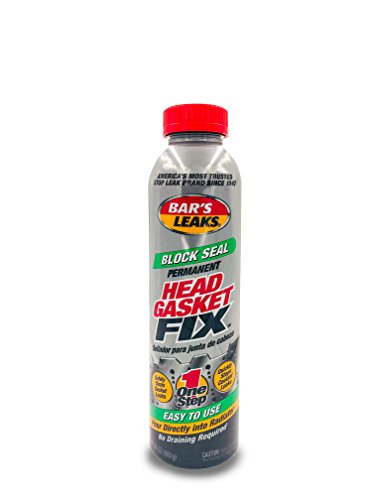
Bar’s Leaks Block Seal Head Gasket Fix is priced at $28.38 and is listed as a one-step option with no draining required and support for all coolant types. That makes it attractive when the cooling system is still relatively clean and you want less prep, but “easy” does not remove the same blockage risk that all sealers bring to heater cores and narrow passages.
BlueDevil stands apart because it is positioned more like a full-system bridge than a quick pour-and-go option. Published details tie it to cracked, leaking, and warped heads, and some listings describe it as a radiator and cooling-system sealant for heater cores, radiators, and freeze plugs. That wider claim set is useful only if the system can still circulate cleanly.
Car Fix Book says BlueDevil is the best in general among its head gasket sealers, and also says it can permanently seal cracked or warped heads. Those are bold claims, but they should be read against the real-world limit: a permanent seal claim is still not the same thing as a mechanical repair, especially when overheating history or blockage is already present.
Jen Reviews says the 32 oz version can seal leaking radiators and head gaskets and is suitable for SUVs, vans, cars, trucks, diesel, and gasoline engines. The Drive names BlueDevil 38386 as an honorable mention and warns it may cause blockages in the engine. Those two points line up with the real tradeoff: broad use cases, real clogging risk.
Should you buy it?
Buy BlueDevil only if the problem looks like a small, stable leak and you are treating it as emergency time-buying, not as a repair. If the coolant is fresh, circulation is good, and the vehicle has not been repeatedly overheated, it can be worth a shot before you commit to a larger fix.
Skip it if the car already shows signs of a deeper cooling-system problem. A sealant bottle is cheap compared with a head gasket job, but a clogged heater core, blocked radiator, or delayed repair can erase that savings fast. When in doubt, mechanical diagnosis is the better spend.
Frequently asked questions
How long does BlueDevil head gasket sealer last?
There is no honest universal lifespan. If it works, it may hold for some time on a small, stable leak, but it is still a temporary bridge rather than a guaranteed permanent repair. Its life depends on leak size, cooling-system condition, and whether overheating returns.
Will BlueDevil work on warped or cracked heads?
Published product details and review summaries say it is aimed at cracked and warped heads, but that is the hardest case for any sealer. Small cracks in a stable system are the better bet. A heavily warped head or an actively overheating engine is far less likely to stay sealed.
Does BlueDevil need fresh coolant before use?
Fresh coolant is one of the best signs that the system is a fair candidate. It improves circulation and lowers blockage risk, and some listings pair the product with a radiator flush for that reason. Dirty or neglected coolant makes the result less predictable.
Is BlueDevil better than K-Seal or Bar’s Leak?
Not in every case. BlueDevil is the more committed choice for a broader head-gasket bridge, while K-Seal and Bar’s Leak are easier to think of as quicker, lighter attempts. The better pick depends on the failure mode, coolant condition, and how much prep you can do.
What symptoms mean a head gasket sealer is too risky?
Repeated overheating, contaminated coolant, milky oil, strong combustion signs, rough running, or a heater that starts dropping out after treatment all point to a higher-risk situation. Those symptoms suggest a deeper fault, and sealant is more likely to delay the real fix than to help.
Does blue devil work on head gaskets?
It can, but only in the narrow emergency sense of slowing a small leak in a clean, stable cooling system. It is not reliable for severe overheating, contamination, or large combustion leaks. If the failure is beyond that narrow window, mechanical repair is the better path.
Products related to this article
Sponsored / affiliate links. As an Amazon Associate I earn from qualifying purchases. I may earn additional commission from eligible campaigns.