BG 44K Fuel System Cleaner Review: Is It Worth It?
BG 44K is worth buying when rough idle, hesitation, or slow throttle response points to injector or combustion-chamber deposits; otherwise, skip it and fix the real fault first. Using it on a bad spark plug, vacuum leak, or failing fuel pump wastes money and delays the repair. This review covers what it can improve, what it cannot fix, and when the price makes sense.
This guide is part of our Car engine troubleshooting guide series.
Verdict

For higher-mileage cars with unclear fuel-quality history, it is a reasonable periodic maintenance step. For a daily driver with fresh plugs, clean air filtration, and symptoms that point electrical or mechanical, BG 44K is the wrong first move. Add it when the complaint fits deposits, not as a catch-all cure.
Specs at a glance
| Item | BG 44K Fuel System Cleaner |
|---|---|
| Product type | Concentrated fuel-system treatment |
| Use pattern | Periodic use, not constant use |
| Application | Added to the fuel tank |
| Main target | Fuel-system deposits |
| Common symptoms it may help | Rough idling, sluggish acceleration, hesitation |
| Best fit | Higher-mileage vehicles with deposit-related drivability complaints |
| What it is not | A repair for worn, damaged, or electrically defective parts |
Who is BG 44K for?
BG 44K is for drivers whose symptoms and service history point toward fuel-system deposits, especially when the engine feels lazy, stumbles at idle, or hesitates under light throttle. It is most sensible when the car is otherwise maintained and the complaint does not point first to spark, air, or sensors.
Higher-mileage vehicles may be better candidates because deposits have had more time and more fuel cycles to form. Daily drivers with spotty maintenance history can also fit the profile, but only if the complaint looks fuel-related and not like a bad plug, clogged filter, or vacuum leak.
How do you know if your fuel system needs cleaning?
Look for a pattern, not one isolated symptom. A fuel-system cleaner makes the most sense when rough idling, hesitation, and reduced responsiveness show up together, especially if they develop gradually and do not come with obvious signs of ignition or air problems.
Say your compact sedan starts to feel hesitant pulling away from a stop, but the check engine light stays off and recent service is unclear. That is the kind of situation where a deposit-related cleaner is worth considering after basic checks.
Fuel system cleaner checklist
This checklist helps separate a deposit problem from a fault that cleaner will not touch. Use it before you add anything to the tank, because the symptom pattern matters more than the bottle label.
| Symptom pattern | Likely cause | Is BG 44K a good bet? |
|---|---|---|
| Gradual rough idle, light hesitation, sluggish pickup | Fuel-system deposits affecting spray quality or fuel atomization | Yes, if the rest of the tuneup looks current |
| Higher-mileage car feels less responsive than before | Deposits building over time inside injectors or combustion areas | Yes, especially if maintenance history is incomplete |
| Poor throttle response after long intervals of mixed fuel quality | Deposit buildup interfering with consistent fuel delivery | Reasonable first try after basic checks |
| Misfire, shaking, flashing warning light | Ignition, air, sensor, or mechanical fault | No, diagnose the fault first |
| Rough idle with hissing noise or lean-code pattern | Vacuum leak or air metering issue | No, cleaner will not seal a leak |
What happens if BG 44K helps?
If BG 44K is going to help, the change should be gradual, not dramatic. You would expect smoother idle quality, a cleaner takeoff from a stop, and less hesitation under light load after the tank has been treated and the vehicle has had some driving time.
Picture a midsize SUV that idles unevenly at stoplights and feels flat on merge ramps. If deposits are the cause, the most realistic result is a modest return of consistency, not a new-car transformation.
What works
BG 44K is aimed at the kind of drivability complaints that can come from fuel-system deposits. Those deposits accumulate over time and can interfere with injector performance, which can reduce fuel atomization and make delivery less consistent.
That is why it is a sensible periodic maintenance choice rather than a constant-use product. It belongs in the same general bucket as other maintenance steps that address deposit buildup, not in the bucket of repairs for failed hardware.
Is fuel system cleaning worth it for a daily driver?
For a daily driver, fuel-system cleaning is worth it when the car shows deposit-like symptoms and the maintenance history is not clean enough to rule them out. If the car runs normally, stays responsive, and has recent ignition and air-service work, the value drops fast.
The most useful daily-driver use case is prevention plus symptom relief in an aging but otherwise healthy engine. It is not worth skipping diagnostics just because the bottle promises smoother running.
How often should I use BG 44K fuel system cleaner?
Use it occasionally, not on a fixed every-tank schedule. The product is described as intended for periodic use, so the practical rhythm is tied to symptoms, maintenance history, and deposit risk rather than a constant routine.
A sensible approach is to use it when drivability starts to drift and the rest of the maintenance record is uncertain, then wait to see whether the engine returns to steady behavior before repeating it.
What does not?
BG 44K will not fix worn or damaged parts, and it cannot repair electrically defective injectors. If the injector is mechanically damaged, sticking from a hardware fault, or failing electrically, an additive cannot restore normal operation.
It also will not solve ignition faults, air leaks, dirty filters, or sensor errors. Those problems can mimic a dirty fuel system, which is why the diagnostic order matters.
What can BG 44K not fix?
It cannot fix bad spark plugs, failed coils, vacuum leaks, clogged air filtration, failing sensors, a weak fuel pump, or a mechanically damaged injector. Those problems need diagnosis and repair, not cleaner in the tank.
Fuel cleaners are also not a substitute for spark plugs, filters, oil changes, or scheduled services. If maintenance is overdue, correct that first and treat BG 44K as one additional measure, not the main event.
Alternatives
If the symptoms are unclear, the best alternative is not another bottle. It is a short diagnostic pass that checks ignition, air intake, and sensor data before you decide the fuel system is the problem.

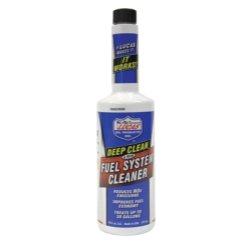
Lucas Oil 10512-12PK Deep Clean Fuel System Cleaner is a bulk option for repeated use, but the case format makes more sense for frequent maintenance than for a single DIY diagnosis. Based on the product details, the drawback is obvious: you may be buying far more cleaner than you need if you only want to test a deposit theory once.

Sea Foam Motor Treatment is broader in scope because it can be used in gas and diesel engines and also treats stored fuel and engine oil. That flexibility is useful, but it is less targeted than BG 44K if your main concern is fuel-system deposits and drivability symptoms in a gasoline car.
Professional fuel-system service is the right alternative when symptoms persist after basic maintenance or when you want a shop to verify whether the problem is deposits, injectors, air leaks, or sensors. That route costs more, but it is more defensible when the complaint is not clearly fuel-related.
Should you buy it?
Buy BG 44K if the car is higher mileage, the symptoms are mild to moderate, and the maintenance history suggests deposits could be part of the problem. Skip it if the car has a clear ignition, air, or sensor fault, or if the drivability issue appeared suddenly and sharply.
For DIY owners, the value case is strongest when you are choosing between a low-cost maintenance treatment and waiting for a better diagnosis. If the symptom pattern matches deposits, BG 44K is a fair first step. If it does not, do not guess.
Should you use it now? A simple rule works best: rough idle plus hesitation plus incomplete service history points toward BG 44K; hard misfire, lean codes, or vacuum-leak symptoms point elsewhere first. That keeps the cleaner in the right lane and the repair bill focused on the actual fault.
Frequently asked questions
How often to use BG 44K fuel system cleaner
Use BG 44K occasionally, not as a standing every-fillup additive. The product is meant for periodic use, so the interval should follow symptoms, mileage, and maintenance history rather than a fixed everyday schedule. If the car runs well after treatment, there is usually no reason to repeat it right away.
Is fuel system cleaning worth it?
Fuel-system cleaning is worth it when deposits are the likely cause of rough idling, hesitation, or sluggish acceleration. It is not worth paying for if the symptoms point to spark, air, sensors, or another mechanical fault. The value depends on diagnosis, not the label on the bottle.
Is BG 44K worth it on a high-mileage car?
Yes, often more so than on a newer car, because higher-mileage vehicles have had more opportunities for deposits to form. That said, it only makes sense if the drivability issue looks deposit-related. A high-mileage car with bad plugs or a vacuum leak still needs those faults fixed first.
Will BG 44K fix rough idling or hesitation?
It may help if rough idling or hesitation comes from injector or combustion-chamber deposits. It will not fix every case, and it should not be used as a shortcut around diagnostics. If the problem is ignition, air, or sensor related, the cleaner will not solve it.
How do I know if my fuel system needs cleaning?
Look for a gradual pattern of reduced responsiveness, rough idle, and light hesitation, especially on a higher-mileage vehicle with unclear maintenance history. If those symptoms appear alongside recent ignition service or clean air filtration, deposits become more plausible. If they do not, look elsewhere first.
Products related to this article
Sponsored / affiliate links. As an Amazon Associate I earn from qualifying purchases. I may earn additional commission from eligible campaigns.