Replacement Car Key Shell Cost / Price / How Much
A shell-only replacement key can be a low-cost fix when the damage is limited to the outer case, but a wrong button layout, hinge, or battery contact can make a simple repair turn into a full replacement. If you miss the exact shell match, you can waste money on the wrong part and still end up at a locksmith or dealer. This guide explains which parts you can reuse, which parts must match exactly, and when shell-only repair stops being the cheaper option.
Replacement car key shell cost


The shell is the outer case only. It costs less than a complete key assembly because you may reuse the internal board, transponder chip, battery cover, and sometimes the blade or hinge. A standard older key is usually the lowest-cost job, while a smart key for a newer vehicle costs more than a standard key, and the final price depends on whether programming is needed.
Typical shell-only price bands
Shell-only pricing is usually the low end of the repair bill because the expensive electronics stay with the vehicle owner. A flip-key shell is often the least expensive shell style, while a remote fob shell or smart-key case costs more if the fit has to be exact around the board, battery compartment, and button stack.
| Job type | Typical parts cost | Common extra charges | What usually drives the bill up |
|---|---|---|---|
| Basic flip-key shell only | $5 to $30 | Shipping, blade transfer, optional cutting | Wrong hinge style, wrong blade profile, damaged snap-fit tabs |
| Remote fob shell only | $15 to $60 | Transfer labor, battery replacement, return shipping | Button layout mismatch, poor battery contact, board fit issues |
| Complete key replacement | Higher than shell-only repair | Cutting, programming, emergency entry, testing | New electronics, immobilizer pairing, all-keys-lost service |
What changes the price
The quote can move fast once the shell is no longer a simple plastic swap. Material quality matters, because cheap shells often use thin plastic and weak snap-fit tabs. Fitment matters too: make, model, year, button layout, blade style, and hinge design all have to line up. For a quote, a replacement key should include key cutting, programming, emergency entry, and testing when those jobs apply.
Labor can be small or significant. Some shell swaps take only a careful transfer of the board and battery parts, while a broken blade, stuck hinge, or cracked mounting point can add time and risk. After-hours service may cost more, and mobile callout or shipping can be a real part of the bill.
Shell cost versus full key cost
A shell-only repair makes sense when the electronics still work and the damage is mostly cosmetic or mechanical. If the board is dead, the transponder is missing, or the blade and hinge are beyond reuse, the shell price no longer buys much. A blank shell that matches the blade shape is not enough if the cut or the vehicle pairing is wrong.
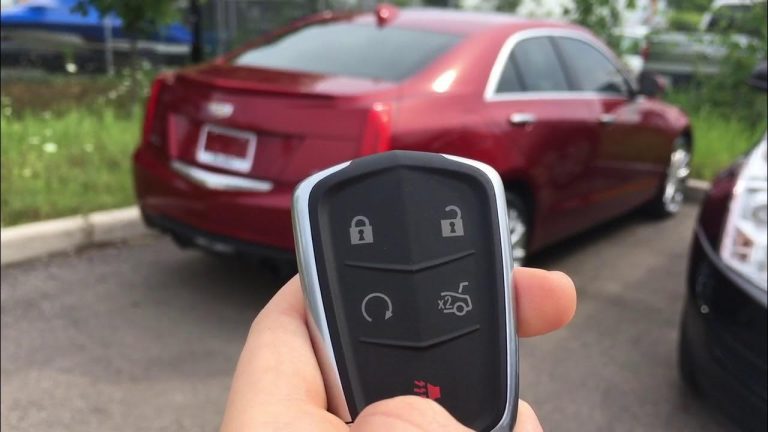
Picture a remote fob with working buttons but a split casing near the battery door. If the board, chip, and battery contacts are intact, a shell swap may solve the problem for far less than a complete replacement. If the same fob also fails to lock or open the trunk, the problem may be electronic, not cosmetic.
How do you tell shell damage from key failure?
Start with the symptom, not the plastic. A cracked case with working buttons points toward a shell swap. A dead battery can mimic a key problem, and a broken blade or damaged hinge may still leave the electronics usable. If the circuit board is the real problem, a new shell will not fix the start issue.
Cracked casing with working buttons
If the remote still locks, unlocks, or opens the trunk, the shell may be the only failed part. That is the best-case triage scenario. In that case, the board, transponder chip, and battery can often move into a new case, provided the new shell matches the old one exactly enough to accept those parts.
Dead battery symptoms
A weak or dead battery can make a good key look bad. If the button response is intermittent, short-range, or gone altogether, replace the battery before ordering a shell. If the casing is damaged but electronics still work, a repair may be enough, and the shell only job stays cheaper than a full key path.
Broken blade or hinge symptoms
A flip key adds hinge wear to the list. If the folding blade does not stay locked open or the hinge has cracked, the shell may need a closer parts match. The blade profile, hinge spring, and shell cutout all have to fit, or the rebuilt key may bind or fail to fold cleanly.
When the circuit board is the real problem
If buttons do nothing after a fresh battery, or the key is not recognized by the car, the board or transponder may be the issue. In that case, a shell swap is only a housing job, not a repair. You may still need programming, and in some vehicles the key may open the doors without starting the car if the transponder is not paired.
What can move into a new shell?
Many key shells are designed to reuse the old internals, but only if the new case is the right version. Remote buttons, the battery cover, circuit board, transponder chip, blade, and hinge parts may transfer over. If any one of those pieces does not seat correctly, the shell stops being a cheap shortcut and becomes a fitment problem.
Remote buttons and battery cover
The buttons need to line up with the contact pads or switch domes on the board. The battery cover also has to close with enough pressure to stay shut. If the molded button height is wrong, the shell may feel normal in hand but fail in use because the board is not being pressed correctly.
Circuit board and transponder chip
The board controls the remote functions. The transponder chip handles immobilizer pairing in many vehicles. If either one is damaged, the shell alone will not restore the key. Some smart keys need a correct board transfer as part of the repair, and that transfer has to be clean for the case to close properly.
Blade, hinge, and spring parts
Flip keys often need the blade and hinge hardware moved over as well. That is where many DIY jobs go wrong. The blade profile has to match, the hinge has to lock, and any spring mechanism has to sit in the correct position. If those parts do not match, the key may not fold, open, or fit the ignition slot properly.
Fitment checks before transfer
Before you move any parts, compare the old and new shell side by side. Check the button layout, shell thickness, battery tray shape, snap-fit tabs, and hinge style. A wrong shell can look close in a listing photo and still fail in hand. The make, model, year, and key type matter more than the photo.
Say your sedan uses a three-button remote with a separate panic key, but the replacement shell is shaped for a four-button version. The board may not seat, or one button may press against the wrong opening. That is a cheap error on paper and a waste once shipping is added.
Can you swap the electronics yourself?
Sometimes, yes. A simple shell swap can be DIY-safe if the casing is the only failed part and the board, battery contacts, chip, and blade hardware move over cleanly. Stop and call a locksmith if the blade is damaged, the hinge is uncertain, or the board transfer looks delicate enough to crack solder points or break clips.
DIY-safe shell swaps
Basic remote shells are the easiest place to start. A case with intact electronics, a healthy battery, and a matching button layout may only need careful opening and transfer work. Use a clean surface and make sure the snap-fit tabs close without force. If the shell resists, it may be the wrong part.
When a blade cut is needed
If the replacement shell comes with a blank blade, that blade still has to match the vehicle and be cut. A blank key that matches the blade shape is not enough if the cut or the vehicle pairing is wrong, and some keys also need the cut to be perfect before the ignition or door cylinder will accept it.
When programming may still be required
Transponder keys, flip keys, and smart keys may still need programming after a shell swap if the electronic parts are replaced, moved incorrectly, or no longer recognized by the vehicle. That is because the shell is only the outside housing. The vehicle may accept the remote buttons yet refuse to start until the chip is paired. If all keys are gone, the process may take longer.
When to stop and call a locksmith
Call a specialist if the job needs emergency entry, on-site cutting, or programming. An automotive locksmith can often assess whether you need a shell or a full replacement, and they may ask for proof of ownership before work begins. That is normal, especially when the key can start the vehicle or when a spare is being added.
Key shell decision table
Use this table to separate a shell problem from a battery, blade, or programming issue. It is a triage tool, not a guarantee. If the fit is wrong or the board is damaged, the cheapest path can change quickly.
| Failure symptom | Likely fix | Transfer electronics? | Cutting or programming needed? | Expected cost band |
|---|---|---|---|---|
| Cracked case, buttons still work | Shell-only replacement | Yes | Usually no, unless blade is blank or vehicle is transponder-based | $5 to $60 plus labor or shipping |
| Buttons work poorly, battery door loose | New shell and battery contact check | Yes | Usually no | $15 to $60 plus battery |
| Flip blade is broken or hinge is loose | Shell with matching blade and hinge style | Often yes | Often yes for blade cutting; sometimes programming | $20 to $80 plus cutting |
| Remote dead after fresh battery | Check board, chip, or full key replacement | Maybe, if board is reusable | Likely yes | $50 and up, depending on key type |
| Key opens doors but will not start car | Transponder programming or full replacement | Maybe | Yes | Higher than shell-only repair |
What details do you need before ordering?
Have the make, model, year, VIN, registration, photo ID, and current location ready before you order or request a quote. Those details help the locksmith or dealer identify the correct shell, confirm the key type, and check whether proof of ownership is needed. The wrong year or trim level can mean the wrong shell.
Make, model, and year
These are the first filter. Many shells look similar across model years, but a small change in button spacing, shell thickness, or blade style can make them incompatible. The same nameplate can use different keys across years, so do not rely on the car badge alone.
VIN and registration
The VIN helps match the key to the vehicle configuration. Registration documents may also be requested to verify that the vehicle belongs to the person asking for the replacement. Some specialists want this before they cut or program anything, especially if the job involves a smart key or an all-keys-lost situation.
Photo ID and proof of ownership
Photo ID may be checked against the registration or VIN. That protects against unauthorized key replacement and stolen-key misuse. If a key has been stolen, a locksmith or dealer may recommend deleting old keys from the vehicle memory as part of the service, not just replacing the shell.
Blade style, button layout, and key type
Identify whether you have a remote fob, flip key, transponder key, or smart key. The shell has to match the button layout, blade profile, hinge style, and board shape. A cheap replacement shell that looks close online can still fail if the button openings or board clips do not line up.
Locksmith or dealership?
A mobile automotive locksmith can often cut and program keys on site, and that makes them a practical choice when the vehicle is stuck or the owner is short on time. A dealer can be the better route when the key needs vehicle-specific ordering, security checks, or an exact match that is easier to source through the brand network.
Mobile locksmith service
A locksmith can usually assess shell versus full replacement, cut a blade if needed, and handle programming on many vehicles. They may ask for the car make, model, year, current location, registration, VIN, and photo ID before dispatching. After-hours service may cost more, especially for urgent callouts.
Dealer parts and service desk
Dealers are often more expensive for a full key job, but they can be useful when a vehicle uses a specialized smart key or when the correct shell is hard to identify. If the key is badly damaged or all keys are gone, dealer service may also take longer because of ordering and security steps.
All-keys-lost versus spare-key pricing
Replacing a spare is usually cheaper than replacing every key. If all keys are gone, the process may take longer and may cost more because the vehicle has to be accessed, identified, and paired from scratch. That gap is why a working spare is worth keeping after a shell swap.
A common first-timer mistake is ordering a shell for the spare key while the main key has a different blade profile. The case may look close in a photo, but the hinge or board clip can be wrong. That mistake often turns a small parts order into a second repair bill.
Frequently asked questions
How much does a replacement car key shell cost?
A shell-only replacement key can be a low-cost fix when the casing is the only failed part. The cost goes up if the fit is wrong, if shipping is added, or if the job needs transfer labor, cutting, or programming.
Is it cheaper to replace just the key shell or the whole key?
Replacing just the shell is cheaper when the electronics still work and the damage is mostly to the case, hinge, or blade housing. A full replacement makes more sense when the board, chip, or immobilizer pairing is bad, because a shell alone cannot fix those faults.
Can I swap my old electronics into a new key shell?
Yes, if the new shell matches the make, model, year, button layout, blade style, and hinge style closely enough. The circuit board, transponder chip, battery cover, and in some cases the blade and spring parts can move over, but poor fit can break tabs or block the buttons.
When does a cracked key shell mean I need a full replacement?
A cracked shell does not automatically mean full replacement. If the buttons still work and the board is intact, a shell swap may be enough. Full replacement becomes more likely when the blade is broken, the hinge is damaged, the battery contacts fail, or the remote no longer communicates with the car.
Does a replacement shell need programming?
The shell itself usually does not need programming, but the key may still need it after the swap. Transponder keys, flip keys, and smart keys may require programming if the vehicle must recognize the chip to start. A blank blade also may need cutting before the key works in the door or ignition.
Can a locksmith replace a key shell on site?
Yes, many automotive locksmiths can replace a shell on site, cut a blade if needed, and program the key if the vehicle requires it. They may ask for the make, model, year, VIN, registration, photo ID, and proof of ownership before starting the job.
Products related to this article
Sponsored / affiliate links. As an Amazon Associate I earn from qualifying purchases. I may earn additional commission from eligible campaigns.