Can Cars Blow Up? Essential Fire Safety
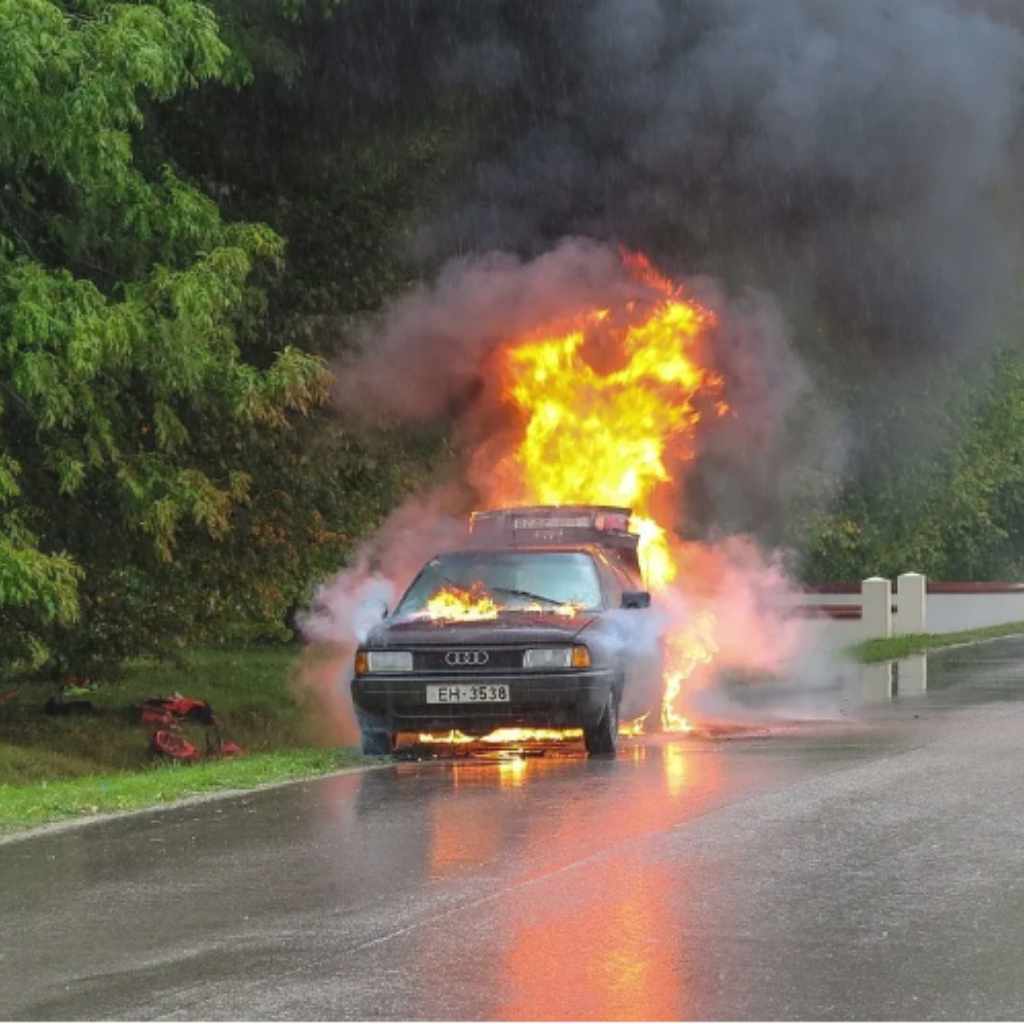
While a full, massive explosion like in the movies is extremely rare, yes, cars can catch fire and become dangerously involved in a blaze. Understanding the real risks and simple safety steps is key to protecting yourself, your passengers, and your vehicle. This guide breaks down the actual dangers simply, shows you how to spot trouble early, and gives you an easy plan for staying safe if a fire ever starts.
It’s a scary thought: driving along and suddenly seeing smoke coming from under the hood. Many new drivers worry if their car might just erupt in a massive fireball. Let’s clear that up right away. Modern cars are built with many safety features, and total, instantaneous explosions are almost unheard of in everyday driving scenarios. However, vehicle fires are a real risk that can lead to serious damage and injury if ignored. You don’t need to be a mechanic to recognize the warning signs and know what to do next. We will walk through the simple maintenance checks and immediate actions that keep you safe on the road, turning fear into practical confidence.
Understanding the Risk: Can Cars Blow Up?
The term “blow up” usually implies a violent, explosive event. In the automotive world, what typically happens is a rapidly developing engine or electrical fire. True, accidental, catastrophic explosions due to standard operation are exceptionally rare.
The primary source of fire risk comes from three areas: fuel, electrical systems, and fluids mixing under extreme heat. Knowing this helps us focus on the areas that need attention.
What Really Causes Car Fires? The Top Culprits
Fires don’t usually just start out of nowhere. They are usually caused by a failure in maintenance or an accident. Here are the most common reasons a vehicle fire might start:
- Electrical System Failures: This is a major one. Old, frayed, or improperly installed wiring can short-circuit, especially when combined with leaking fluids or excessive heat. Look out for flickering lights or strange smells.
- Fluid Leaks: Oil, gasoline, transmission fluid, or even coolant leaking onto a very hot engine component (like the exhaust manifold) can ignite.
- Overheating Engine: While an overheated engine usually just stalls, extreme overheating, especially if it causes coolant hoses to burst, can increase surrounding heat to the point where nearby flammable materials ignite.
- Accidents: A serious collision can rupture the fuel tank or lines, leading to immediate ignition if sparks are present.
- Improper Modifications: Amateur installations of stereos, lighting kits, or trailer wiring can create shorts that lead to fires later on.
According to data often compiled by fire safety organizations, collisions account for a smaller percentage of vehicle fires than mechanical or electrical failures during operation. The good news is that most mechanical and electrical issues give you warning signs.
When Is the Risk Highest?
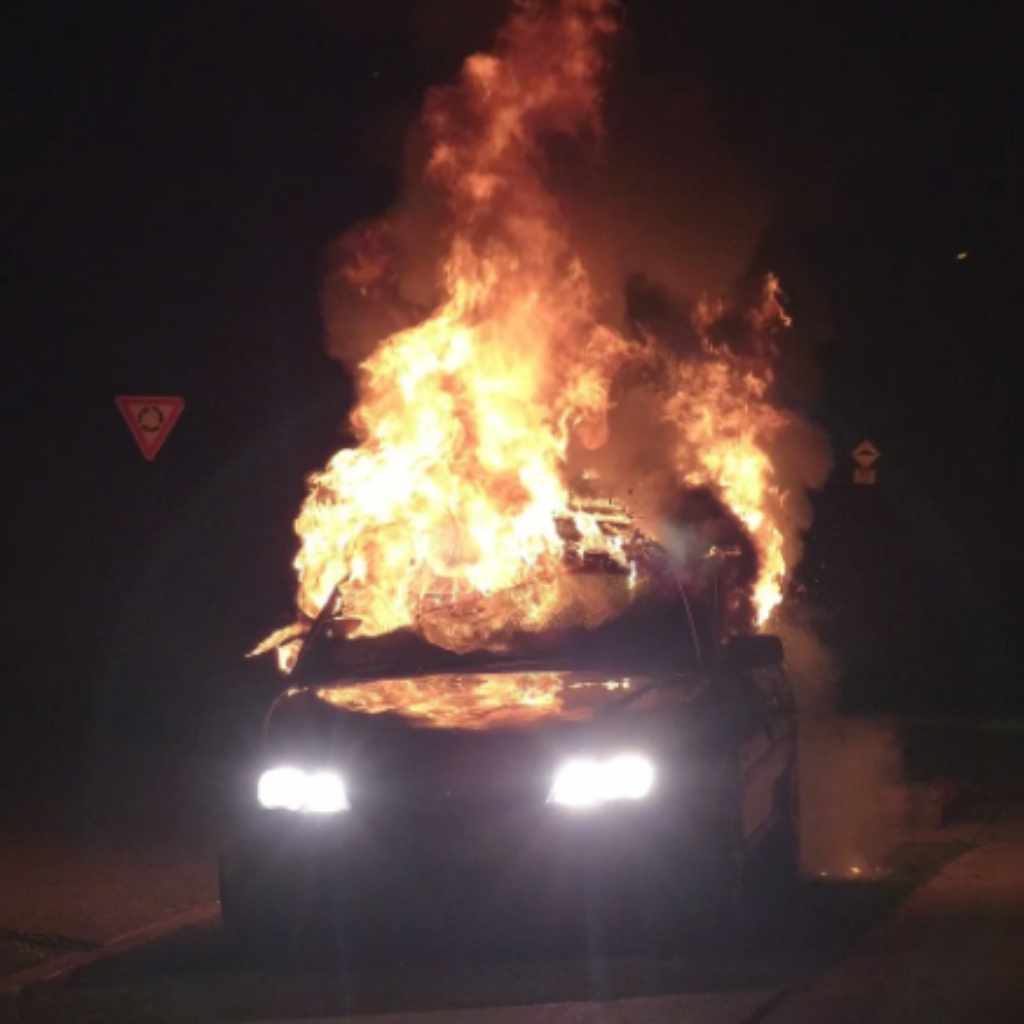
Certain situations increase the chances of a fire developing:
- After an Accident: Even a minor bump can sometimes dislodge a fuel line just enough to start a slow leak that drips onto a hot surface.
- During Heavy Use: Towing heavy loads or driving aggressively on a very hot day puts maximum strain on the engine and cooling system, raising operating temperatures significantly.
- With Older Vehicles: As rubber hoses age, they become brittle and more likely to crack and leak, exposing flammable fluids to heat.
Essential Fire Safety Gear for Every Car
Being prepared doesn’t mean carrying a fire station in your trunk. It means having the correct, reliable tools to manage a small emergency until professional help arrives. This basic setup is non-negotiable for any responsible driver.
The Must-Have Item: A Fire Extinguisher
Every car should carry a fire extinguisher. But not just any kind will do. You need the right class for automotive use.
Choosing the Right Type
For passenger vehicles, look for an extinguisher rated for A, B, and C fires:
| Class | What It Fights | Why It Matters in a Car |
|---|---|---|
| A | Ordinary Combustibles (paper, cloth seats) | Covers the physical materials in the car’s interior. |
| B | Flammable Liquids (Gasoline, Oil) | Essential for fuel-based fires. |
| C | Electrical Equipment (Battery, Wiring) | Crucial because electrical shorts are common causes. |
Size recommendation: A compact 2.5 lb or 5 lb ABC extinguisher is usually sufficient for passenger cars and is easier to store securely.
Proper Placement and Maintenance
An extinguisher tucked under a pile of gym bags is useless. It needs to be accessible.
- Secure Location: Mount it securely within easy reach of the driver or front passenger. Behind the seat or secured to the floor mount are good spots.
- Check the Gauge: Periodically check the pressure gauge monthly. The needle should always be in the green zone.
- Shake It Up (If Required): Some dry chemical extinguishers need a weekly or monthly gentle shake to keep the powder loose. Check the label instructions.
Recognizing the Warning Signs: Prevention is Key
A tiny problem left alone becomes a huge problem. Your car often sends subtle signals that something is wrong long before smoke appears. Learning these signs allows you to pull over and address the issue when it’s still small.
Sensory Alerts: What to Look, Smell, and Hear
Smells to Never Ignore
- Burning Plastic or Electrical Odor: This is raw evidence of melting wire insulation or an electrical short. Pull over immediately.
- Hot, Oily Smell: This often means engine oil or transmission fluid is dripping onto the hot exhaust system.
- Sweet, Syrupy Smell: This is usually leaking engine coolant (antifreeze). While not immediately flammable, overheating due to coolant loss leads to other dangers.
Visual Clues Under the Hood
If you stop for a quick check, look for these common danger zones:
- Spray or mist coming from any hose or rubber line.
- Excessive heat radiating from the engine bay after the car has been off for a few minutes.
- Visible fraying, cracking, or melted spots on any visible wiring harness.
Unusual Sounds and Gauge Readings
A sudden temperature needle spike into the red zone is an emergency stop signal. If you hear popping, hissing, or loud snapping noises near the engine, shut the car off right away. These sounds often indicate overheating fluid or electrical arcing.
Step-by-Step: What to Do If Smoke or Fire Appears
This is the action plan. Stay calm and follow these steps in order. Remember, your primary concern is the safety of the occupants, not saving the car.
Phase 1: Immediate Evasion and Shutdown
- Activate Hazard Lights: Signal to surrounding drivers immediately that you are having an emergency.
- Pull Over Safely: Steer the vehicle to the shoulder or a clear, open area as far away from buildings, trees, or other traffic as possible. Do not stop in a tunnel or under an overpass if you can help it.
- Shut Off the Engine: Turn the ignition completely off. This stops the flow of fuel and electricity to the engine bay.
- Evacuate Passengers: Everyone must exit the vehicle immediately. Move a significant distance away—at least 100 feet is a good rule of thumb—and wait there. Do not waste time gathering belongings.
Phase 2: Assessing the Threat (Only If Safe)
Once everyone is clear, you can assess the situation. Do not approach a hot engine if flames are visible!
- If Just Smoke (No Visible Flame): If you see light, white smoke, you might cautiously attempt to open the hood slightly to vent the smoke. However, pulling the latch fully will introduce a rush of oxygen, which can instantly turn smoke into a full blaze.
- If Flames Are Visible: Do not open the hood. Flames need oxygen. Opening the hood feeds the fire. Proceed immediately to calling emergency services.
Phase 3: Using the Extinguisher (If Necessary and Safe)
Only proceed if the fire is small, contained (e.g., just starting in the wheel well or under the dash), and you have the correct ABC extinguisher readily available.
Use the P.A.S.S. technique:
- Pull the pin.
- Aim the nozzle at the base of the fire.
- Squeeze the handle to release the agent.
- Sweep the nozzle from side to side until the fire appears out.
Crucially: Fire departments strongly advise against fighting vehicle fires unless they are very small. If the fire doesn’t go out instantly, retreat to safety and wait for the fire department. Battery fires, in particular, can reignite quickly.
Phase 4: Calling for Help
Dial 911 (or your local emergency number) immediately after you are safe. Provide your exact location. It is better to call and cancel than to wait until the fire grows too large to handle.
For reference on fire safety protocols related to public roads, you can review general guidelines from organizations like the National Fire Protection Association (NFPA) NFPA website, which stresses safe distance during vehicle fires.
Maintenance as a Fire Prevention Strategy
The best way to prevent a car fire is through proactive, regular maintenance. Think of it as being a proactive detective for your vehicle.
Simple Checks Every Driver Can Do
These checks take minutes and can save you headaches (and potential disaster):
- Check Fluids Regularly: At least once a month, check your oil level and windshield washer fluid. Visually inspect for any fresh drips under the car when parked.
- Inspect Hoses and Belts: While the engine is cool, pinch the rubber hoses. They should feel firm but slightly pliable. If they feel mushy, cracked, or overly hard, they need replacement before they burst.
- Battery Terminal Health: Look at the battery posts. If you see white or blue fuzzy buildup (corrosion), this can sometimes bridge connections and cause short circuits. Clean terminals securely using a mixture of baking soda and water (and always disconnect terminals properly first!).
- Check Dashboard Warning Lights: Never ignore the “Check Engine” light or the battery light. They are your car’s early warning system.
When to See a Professional Mechanic
Some issues require an expert touch to ensure safety. Schedule a check-up if you notice:
- Burning smells that persist, even after minor fluid leaks have been cleaned up.
- Flickering headlights or dashboard lights when you use accessories (like the heater or radio).
- Excessive strain or unusual noise when starting the car (potential shorts in the starter or charging system).
A professional inspection also ensures that any recalled components potentially related to fuel or electrical safety are addressed, as manufacturers often issue service bulletins for risks you might not be aware of. You can often check for open recalls on the NHTSA website using your VIN.
Fuel System Safety Deep Dive
The fuel system is the most volatile part of your vehicle if compromised. Modern systems are highly pressurized and designed to prevent leaks, but age and damage are factors.
Gas Cap Integrity
While a loose gas cap won’t typically cause a fire, a damaged or missing cap can allow raw gasoline vapors to escape into the engine bay or near hot components under certain conditions. Always ensure your gas cap seals tightly. If the plastic hinge or locking mechanism is broken, replace the cap immediately.
Fuel Line Inspection Points
Fuel lines run from the tank to the engine—a challenging path to keep clear and intact. While under the car for an oil change or inspection, ask your mechanic to specifically verify the condition of the lines, especially noting any chafing against the frame or suspension components that could wear through the protective coating over time.
| Fuel System Component | Maintenance Check Interval | Sign of Trouble |
|---|---|---|
| Fuel Lines/Hoses | Every 6 months (Visual) | Cracks, softness, visible fuel seepage. |
| Fuel Filler Neck/Cap | Every fluid check | Rust or failure of the cap to click closed. |
| Fuel Pump Area Seals | Annually | A noticeable smell of gasoline when the car is parked in a closed garage. |
Dealing With Electrical System Changes
DIY enthusiasm is great, but the electrical system is where novice mistakes often lead to hazards. Car electrical systems, especially on newer vehicles, run on precise computer modules.
The Danger of Aftermarket Accessories
Adding powerful auxiliary lights, heavy-duty sound systems, or remote starters requires tapping into your car’s existing wiring loom. If done improperly, this can lead to:
- Circuit Overload: Drawing too much current on a wire not designed for that load causes the wire to overheat and melt its insulation, leading to a short or fire.
- Poor Connections: Loose or corroded connections create high resistance, which generates heat—sometimes enough heat to ignite nearby plastic or fabric.
Tip: If you install aftermarket electronics, always use an in-line fuse that is rated slightly lower than the wire gauge you are using. This ensures the fuse blows before the wire starts melting in the event of a short.
Furthermore, ensure any aftermarket battery tie-downs are secure. If the battery moves violently during driving, the positive terminal can momentarily touch metal chassis parts, causing a huge, dangerous spark.
Frequently Asked Questions (FAQ)
Q1: Is it true that electric cars (EVs) are more likely to catch fire than gasoline cars?
A: While the battery packs in EVs can catch fire, the frequency is statistically lower than in gasoline vehicles. When an EV fire does happen, it involves specialized lithium-ion battery chemistry, making it harder to extinguish, but overall road risk is very low.
Q2: If my ‘Check Engine’ light comes on, should I worry about fire?
A: A flashing “Check Engine” light is a serious warning, often indicating a severe engine misfire that is dumping raw, unburnt fuel into the hot exhaust system, which can cause a fire. If the light flashes, pull over safely as soon as possible.
Q3: How often should I have my car professionally inspected for fire risks?
A: At least once a year during an annual maintenance check. Ask your technician specifically to look at all fluid hoses, battery connections, and check for any odd smells or cracked seals near the exhaust system.
Q4: Where is the safest place in my car to keep an emergency kit?
A: The safest place is secured in the trunk or cargo area, away from the passenger cabin, as long as you can reach it easily without having to fully enter or unload packages. Do not leave the extinguisher in direct, intense sunlight for long periods.
Q5: Can a catalytic converter catching fire hurt my car?
A: Yes. If the catalytic converter overheats severely (often due to unburnt fuel running through it), it can glow red-hot and easily ignite dry grass or debris underneath the car, which then spreads to the vehicle structure. This is common when an engine is misfiring badly.
Q6: If I have an old car, do I need extra precautions?
A: Yes. Older vehicles have more brittle rubber components that degrade over time due to heat and UV exposure. Pay extra attention to inspecting every rubber hose and wire sheathing for cracks or hardening.
Conclusion: Building Confidence Through Preparedness
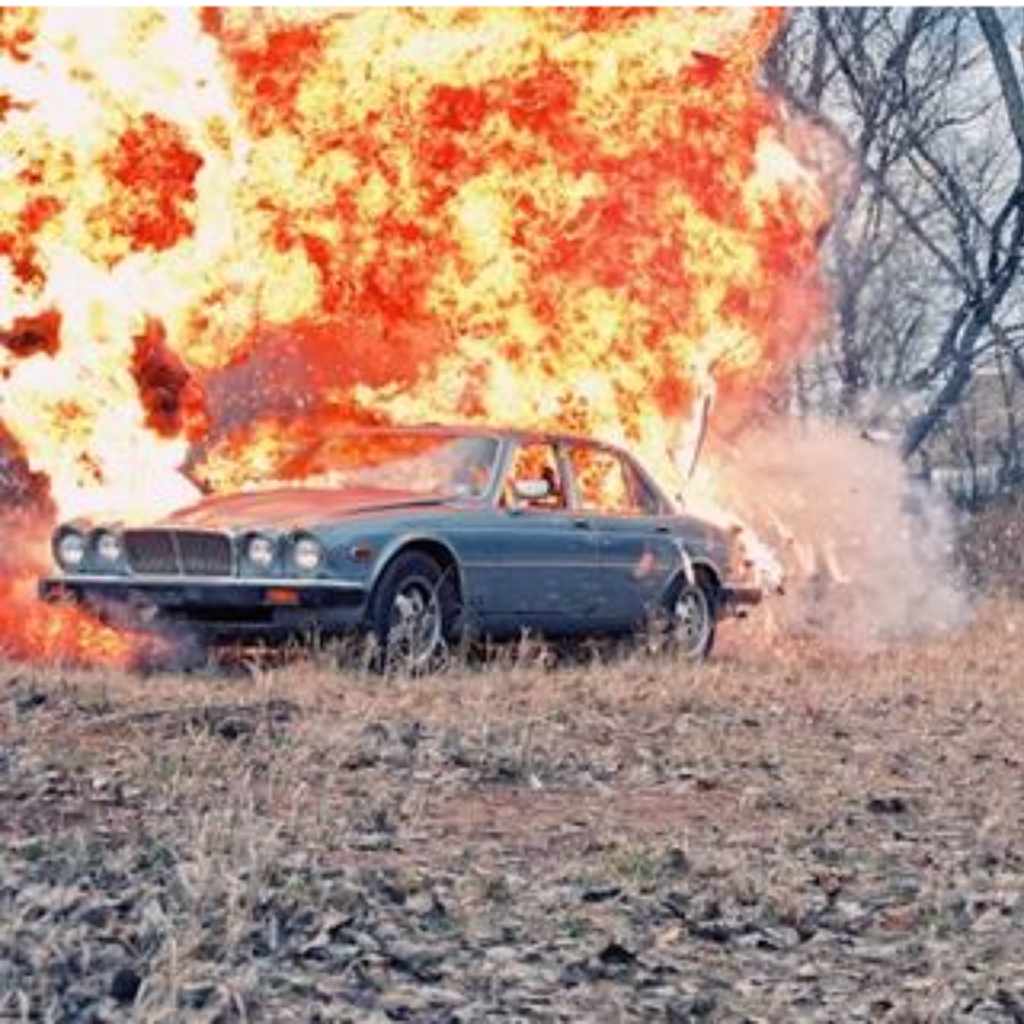
We’ve covered a lot of ground, and hopefully, the biggest takeaway is that while catastrophic car explosions are rare movie fiction, vehicle fires are preventable emergencies that demand respect. Your power as a driver doesn’t come from knowing every mechanical process, but from knowing the signs of trouble and having a reliable, calm backup plan. By installing an accessible ABC fire extinguisher and making simple checks part of your routine—looking for spills, smelling for burning plastic, and monitoring your gauges—you dramatically reduce your risk profile.
Remember, preparedness equals confidence. Trust your senses. If it smells wrong, shakes weirdly, or the temperature gauge spikes, stop the car immediately and move away. Keeping up with basic maintenance and reacting decisively when a warning sign appears ensures