Can Fleas Survive in a Hot Car? Facts Explained
Many pet owners wonder, Can Fleas Survive in a Hot Car? Facts Explained. It sounds simple, but the answer can surprise you.
You might think extreme heat would kill them fast, but it’s not that straightforward. This topic can be confusing, especially when you’re trying to protect your furry friends. Don’t worry, though!
We’ll break it all down in a way that’s easy to grasp, step by step. Get ready to learn how these tiny pests handle sweltering temperatures.
Understanding Flea Survival in Extreme Heat
When temperatures rise, many people assume that leaving a pet in a hot car, even for a short time, will kill any fleas. However, the reality is more complex. Fleas are incredibly resilient creatures, and their survival depends on a variety of factors, not just the ambient temperature of a car. Understanding these factors is key to effectively preventing and treating flea infestations.
The Heat Challenge for Fleas
Direct sunlight and extremely high temperatures are indeed detrimental to fleas, especially the adult stage. Adult fleas cannot tolerate temperatures much above 95 degrees Fahrenheit for extended periods. They can quickly become dehydrated and die when exposed to such conditions without any protection or moisture. This is why many assume a hot car would be a death trap.
Flea Life Cycle Stages and Heat Tolerance
The flea life cycle consists of four stages: egg, larva, pupa, and adult. Each stage has different tolerances to heat and humidity.
- Eggs: Flea eggs are relatively hardy and can withstand a range of conditions. While extreme heat might eventually affect them, they are less vulnerable than adult fleas.
- Larvae: Larvae are the worm-like stage that hatches from the egg. They prefer dark, humid environments and are quite sensitive to dry heat. If the car is extremely dry, larvae might struggle. However, if there’s any moisture present, they could survive for a time.
- Pupae: This is the most resilient stage. The pupa is enclosed in a cocoon, which offers significant protection against environmental stressors, including heat. In fact, heat can sometimes trigger pupae to emerge as adult fleas, especially if they sense favorable conditions nearby (like the return of a host). This is a crucial point: heat doesn’t always kill pupae; it can actually speed up their development.
- Adults: As mentioned, adult fleas are the most vulnerable to high temperatures and dehydration. However, they will actively seek shade or cooler spots if available, and their survival in a hot car depends heavily on whether such microclimates exist.
What Happens Inside a Hot Car?
A car parked in the sun can become an oven very quickly. Temperatures inside can soar much higher than the outside temperature. For example, if it’s 70 degrees Fahrenheit outside, the inside of a car can reach over 100 degrees Fahrenheit within an hour. This rapid temperature increase creates a challenging environment.
Microclimates and Survival
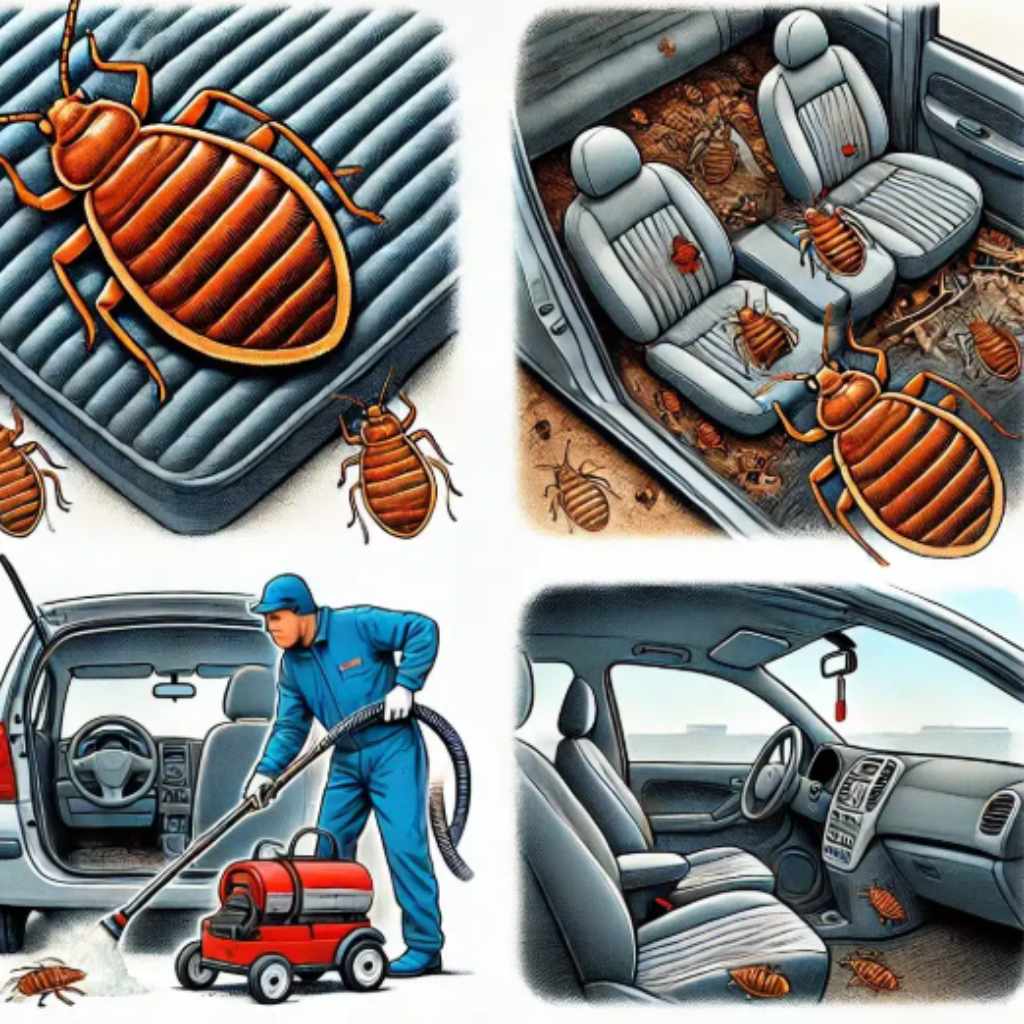
Even in a hot car, fleas may find microclimates where they can survive. These could be:
- Underneath car seats where it’s cooler and more shaded.
- Inside upholstery where the material might offer some insulation and trap moisture.
- In crevices or seams where air circulation is limited.
If any of these cooler, more humid spots are available, fleas, especially those in the pupal stage, can endure the heat.
Humidity Plays a Role
Fleas thrive in humid environments. If a car retains some moisture (perhaps from a wet pet, spilled drink, or high outdoor humidity), it can create conditions where fleas, particularly pupae and larvae, can survive for longer periods. Dry heat is much more lethal than warm, humid conditions.
Can Fleas Be Transferred from a Hot Car?
Yes, fleas can certainly be transferred from a hot car to a pet or person. If adult fleas survive the heat, they will be looking for a host. If a pet is in or has recently been in the car, they can easily pick up fleas. Even if the fleas are stressed from the heat, the moment a potential host enters the vehicle, the fleas will sense it and attempt to latch on.
The Bigger Fleas and Your Pet’s Health
The question of whether fleas can survive in a hot car is part of a larger concern about flea infestations. Fleas are more than just a nuisance; they can cause significant health problems for pets.
Flea Allergy Dermatitis
Many pets are allergic to flea saliva. A single flea bite can cause an intense itching reaction, leading to scratching, skin infections, hair loss, and discomfort. This is known as Flea Allergy Dermatitis (FAD).
Anemia
In severe infestations, especially in young, old, or sick animals, fleas can cause anemia due to blood loss. A large number of fleas feeding on a pet can drain its blood supply, leading to weakness, lethargy, and potentially life-threatening anemia.
Tapeworms
Fleas are intermediate hosts for tapeworms. When a pet ingests an infected flea (often while grooming and biting at itchy skin), they can become infected with tapeworms.
Preventing Flea Infestations in Vehicles
Given the potential for fleas to survive, especially in their pupal stage, it’s essential to take preventative measures to keep your car flea-free.
Regular Cleaning
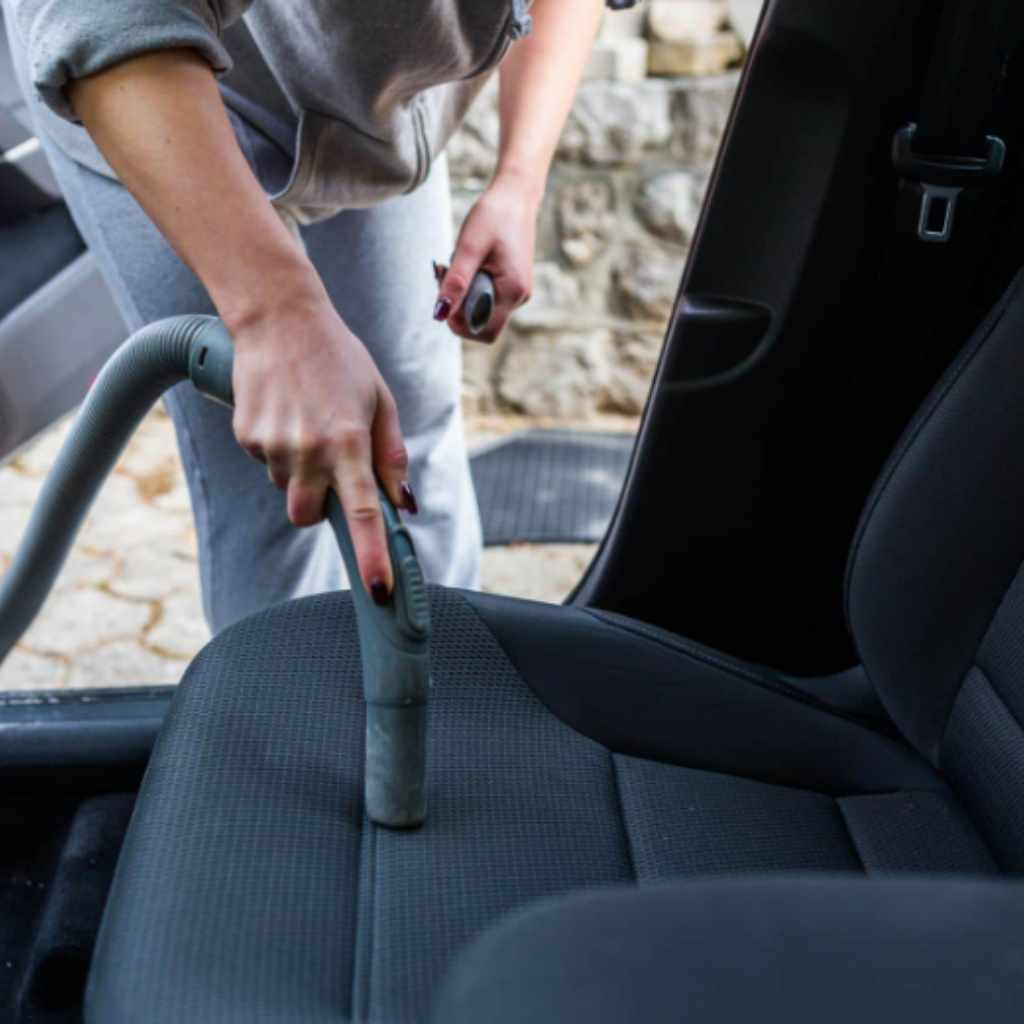
This is your first line of defense. Vacuum your car regularly, paying close attention to upholstery, carpets, and crevices. Dispose of the vacuum bag immediately outdoors to prevent fleas from escaping.
Pet Grooming and Treatment
Ensure your pets are on a consistent flea prevention program recommended by your veterinarian. This significantly reduces the chances of fleas hitching a ride into your car in the first place. Regularly groom your pets and check them for fleas.
Using Flea Sprays or Foggers
For a more thorough clean, you can use pet-safe flea sprays or foggers specifically designed for vehicles. Always follow product instructions carefully and ensure the car is well-ventilated after treatment.
Car Interior Treatments
Some professional car detailing services offer treatments to eliminate pests, including fleas, from vehicle interiors.
When a Pet Is Left in a Hot Car
It’s critical to reiterate that leaving any pet in a car, regardless of flea concerns, is extremely dangerous and can be fatal due to heatstroke. The inside of a car heats up rapidly and can cause irreversible organ damage or death in a matter of minutes. This is a separate but equally important issue for pet safety.
What If You Suspect Fleas in Your Car?
If you suspect your car has a flea problem, even if you’re unsure about survival in heat, it’s best to act.
- Vacuum thoroughly: This is the initial step.
- Wash pet bedding: Any pet bedding that has been in the car should be washed in hot water.
- Consider a flea treatment for the car: As mentioned, sprays or foggers can be effective.
- Consult your veterinarian: They can advise on the best flea treatment for your pets and your home.

Frequently Asked Questions
Question: Can adult fleas survive in a car on a cool day?
Answer: Yes, adult fleas can survive in a car on a cool day. They are most vulnerable to heat and dehydration. On cooler days, they can live for quite some time, especially if there is a potential host (like your pet) present for them to feed on.
Question: Do flea eggs hatch in a hot car?
Answer: Flea eggs typically hatch in about 2-5 days. While extreme heat might hinder hatching, moderate warmth combined with some humidity could actually encourage hatching. However, the larvae that emerge are more sensitive to dry heat.
Question: How long can flea pupae survive in a hot car?
Answer: Flea pupae are very resilient. Their cocoons protect them from harsh conditions, including heat. They can survive for weeks or even months in a car, waiting for a host.
Heat can even trigger them to emerge as adult fleas.
Question: Is it safe to use household flea sprays in my car?
Answer: It’s best to use pet-safe flea sprays or foggers specifically designed for vehicle interiors or household use with caution. Always ensure the product is safe for use around pets and people and follow the instructions for ventilation and drying time carefully.
Question: What is the best way to get rid of fleas from my car?
Answer: The most effective way is a combination of thorough vacuuming, washing any pet bedding, and using a pet-safe flea spray or fogger designed for vehicle interiors. Regular cleaning is key to preventing re-infestation.
Final Thoughts
It’s clear that the survival of fleas in a hot car isn’t a simple yes or no answer. While adult fleas struggle in extreme heat and dry conditions, the resilient pupal stage can often endure, and even develop, under such circumstances. The presence of microclimates and humidity within the vehicle plays a significant role. Therefore, even if the car reaches high temperatures, it doesn’t guarantee a flea-free environment, especially for developing flea stages. Your focus should always be on preventing fleas from entering your car and home in the first place by maintaining consistent flea prevention for your pets and regularly cleaning your vehicle’s interior. If you suspect an infestation, addressing it promptly with appropriate pet-safe treatments is the most effective approach. Keep your pets protected and your car clean to avoid any flea-related concerns.