Can Low Engine Oil Cause Overheating?
Many car owners wonder if a low engine oil level can make their car too hot. This question is quite common, especially for folks new to car care. It might seem tricky to figure out why low oil affects engine temperature.
Don’t worry, this guide makes it simple. We’ll walk through exactly why this happens and what you can do about it, step by step. Let’s get your questions answered so you can keep your car running smoothly.
Why Low Engine Oil Causes Overheating
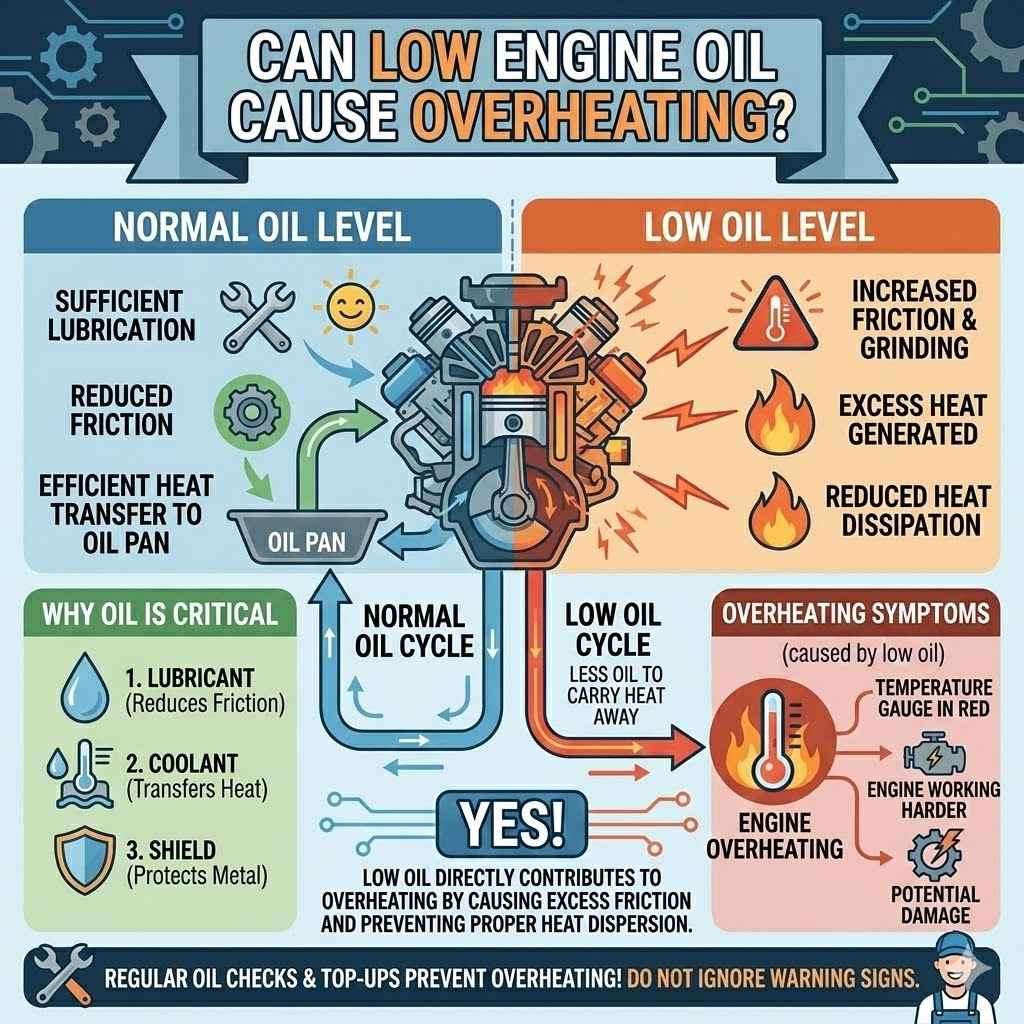
Engine oil plays a vital role in keeping your car’s engine cool. It’s like the coolant for your engine’s moving parts. When there isn’t enough oil, the engine can’t cool itself properly.
This leads to parts rubbing together without enough lubrication, creating excess heat. The engine then struggles to manage its temperature.
Think of it like trying to run a marathon without drinking water. Eventually, your body overheats. Your car’s engine is similar.
It needs its “water” – the oil – to stay at a safe temperature. Without it, friction increases, generating heat that the cooling system can’t handle. This is why Can Low Engine Oil Cause Overheating? is a critical question for any driver.
The Lubrication Function of Engine Oil
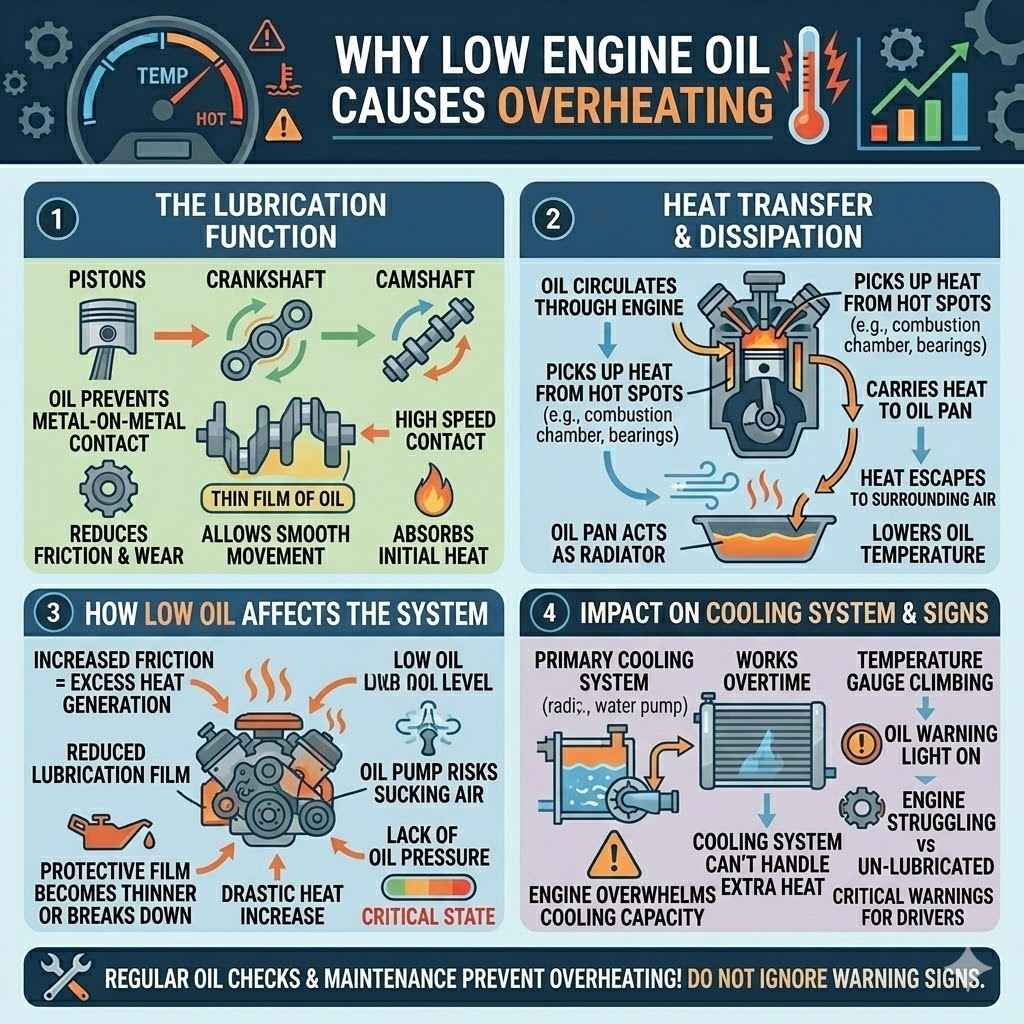
Engine oil’s primary job is to reduce friction between moving parts within the engine. These parts, like pistons, crankshafts, and camshafts, move at very high speeds. Without oil, metal-on-metal contact would occur, causing rapid wear and tear.
This friction also generates a significant amount of heat.
Oil creates a thin film between these surfaces. This film allows them to slide smoothly against each other. It acts like a lubricant, preventing them from seizing up or grinding down.
The oil absorbs some of the heat generated by this friction and carries it away. It then transfers this heat to the oil pan, where it can dissipate into the air.
When the oil level is low, this protective film becomes thinner or breaks down entirely in certain areas. This means direct metal-on-metal contact starts to happen. The friction increases dramatically, producing much more heat than usual.
This excess heat can quickly overwhelm the engine’s cooling system.
Heat Transfer and Dissipation
Engine oil isn’t just about reducing friction; it’s also a key part of the cooling system. Oil circulates throughout the engine, picking up heat from hot spots. These hot spots are often where friction is highest, like around the piston rings and bearings.
The oil then travels to the oil pan, which is usually located at the bottom of the engine. The oil pan acts as a reservoir and a radiator of sorts. As the oil sits in the pan, it cools down.
The metal of the oil pan transfers heat to the surrounding air. This helps to lower the oil’s temperature before it’s pumped back into the engine.
A low oil level means there’s less oil to absorb and carry away heat. It also means the oil in the pan cools less effectively because there’s less volume. The overall capacity of the oil to manage heat is significantly reduced.
This makes the engine more prone to overheating.
How Low Oil Affects the Cooling System
The engine’s cooling system usually relies on coolant (antifreeze and water) to keep temperatures down. However, oil also contributes to cooling by lubricating and cooling the parts it touches. When oil levels are low, the engine has to work harder, generating more heat from increased friction.
This extra heat puts a strain on the primary cooling system. The radiator, water pump, and coolant have to work overtime to try and keep the engine temperature stable. If they can’t keep up, the temperature gauge will start to climb.
This is a clear sign that something is wrong, and low oil is a common culprit.
The oil pump itself also needs to be submerged in oil to function correctly. If the oil level is too low, the oil pump might start to suck in air. This leads to a lack of oil pressure throughout the engine.
Without proper oil pressure, lubrication and cooling are compromised even further.
Symptoms of Low Engine Oil Overheating
Recognizing the signs that low oil might be causing your car to overheat is crucial. Catching these symptoms early can prevent serious engine damage. You might notice a few things happening with your car when the oil level is too low and the engine is getting too hot.
The most obvious sign is the temperature gauge on your dashboard. If it’s climbing into the red zone, your engine is overheating. You might also see a warning light come on, often a red thermometer symbol.
Don’t ignore these warnings; pull over safely as soon as you can.
The Temperature Gauge
Your car’s dashboard has a temperature gauge that shows how hot the engine is running. This gauge normally stays in the middle. If the needle starts moving towards the “H” or the red mark, it indicates the engine is getting too hot.
This is a direct indicator that the cooling system isn’t doing its job effectively.
When the oil level is low, the engine generates more heat due to increased friction. This extra heat can overwhelm the coolant’s ability to keep the engine at its optimal temperature. The gauge rising is your car’s way of telling you it’s in trouble.
It’s important to pay attention to this gauge.
If you see the temperature gauge climbing, it’s essential to react promptly. Continuing to drive an overheating engine can lead to severe damage. This includes warped cylinder heads, blown head gaskets, or even a seized engine.
The damage can be very expensive to repair.
Warning Lights on the Dashboard
Modern cars have sophisticated warning systems that alert drivers to potential problems. One of the most common warning lights related to engine temperature is a red thermometer symbol. This light usually illuminates when the engine coolant temperature reaches a critical level.
Another relevant warning light is the oil pressure warning light. This light often looks like an oil can. If this light comes on, it means the engine isn’t getting enough oil pressure.
This is a direct consequence of low oil levels and can quickly lead to overheating and severe engine damage. Both of these lights are serious indicators.
These lights are designed to grab your attention immediately. They signal that the issue requires urgent attention. If either the temperature warning light or the oil pressure warning light illuminates, it’s time to stop driving your car and investigate the cause.
Unusual Noises from the Engine
When an engine is overheating due to low oil, it often starts to make strange noises. The lack of proper lubrication causes metal parts to grind against each other. This creates a knocking, pinging, or ticking sound that wasn’t there before.
You might hear a louder, more persistent ticking sound from the top of the engine. This could be the valve train not being properly lubricated. A deep knocking sound from the bottom of the engine might indicate that the connecting rod bearings are damaged due to lack of oil.
These sounds are clear signs of distress.
These abnormal noises are the engine’s way of crying for help. They mean that the internal components are not getting the protection they need. If you hear any of these sounds, it’s a strong indicator that low oil might be causing the engine to overheat and suffer internal damage.
Smell of Burning Oil
When the engine overheats, the oil inside can get extremely hot. This can cause it to burn and produce a distinct smell. You might notice a smell of burning oil coming from under the hood, especially when you’re stopped at a light or when you get out of the car.
This burning smell happens when the oil is pushed past its normal operating temperature. It can also be a sign that oil is leaking onto hot engine parts. If the oil is low, leaks become more critical because there’s less oil to begin with.
The heat makes the oil degrade faster, leading to the burning smell.
If you smell burning oil along with a rising temperature gauge, it’s a very strong signal that your engine is overheating because of an oil problem. This smell is an urgent warning that should not be ignored. It suggests immediate action is needed to prevent further damage.
Checking Your Engine Oil Level
Checking your engine oil is a simple task that every car owner should know how to do. It only takes a few minutes and can save you from major repair bills. Regularly checking your oil level is one of the best ways to prevent your engine from overheating.
You’ll need a few basic items: a clean rag or paper towel and a flat surface for your car. It’s best to check the oil when the engine is cold or has been off for at least 10-15 minutes. This allows the oil to drain back into the oil pan.
How to Check the Dipstick
Locate your engine oil dipstick. It’s usually a bright-colored handle (often yellow, orange, or red) sticking out of the engine block. Pull the dipstick out completely.
Wipe the dipstick clean with your rag or paper towel. This removes any old oil so you can get an accurate reading. Make sure to wipe it all the way down.
Reinsert the dipstick fully back into its tube. Give it a second to settle, then pull it out again. Look at the end of the dipstick.
You’ll see markings indicating the oil level. These are usually two lines or dots labeled “Low” and “Full” or “Add” and “Full”.
The oil level should be between these two marks. If it’s at the “Low” mark or below, your engine oil is low. You will need to add oil.
If it’s at the “Full” mark or just below, your oil level is good.
Adding Engine Oil Correctly
If your dipstick shows the oil level is low, you need to add oil. First, identify the correct type and weight of oil recommended for your car. This information is usually in your car’s owner’s manual.
Using the wrong oil can cause problems.
Locate the oil fill cap on the engine. It typically has an oil can symbol or says “Engine Oil”. Remove the cap.
Slowly pour in a small amount of the correct engine oil. It’s better to add a little at a time and recheck than to overfill.
After adding about half a quart (or half a liter), wait a few minutes for the oil to settle. Then, recheck the dipstick. Continue adding small amounts and checking until the oil level is between the “Low” and “Full” marks on the dipstick.
Do not fill it past the “Full” mark.
Once the level is correct, replace the oil fill cap securely. Give the engine a minute to circulate the oil, then start the car. Check for any leaks around the oil fill cap or dipstick area.
Also, keep an eye on the temperature gauge for a while.
When to Add Oil Between Changes
It’s normal for an engine to consume a small amount of oil over time. This is why regular checks are important. You should check your oil at least once a month, and more often if you drive frequently or if your car is older.
If you check your oil and find it’s below the “Low” mark, you need to add oil. This is considered adding oil between scheduled oil changes. It’s a necessary maintenance step to ensure your engine has enough lubrication and cooling.
Don’t wait for your car to show signs of overheating before checking the oil. Making it a habit can prevent many problems. If you find yourself needing to add oil very frequently, it could indicate an oil leak or that your engine is burning oil.
In such cases, it’s a good idea to have your car inspected by a mechanic.
Preventing Overheating from Low Oil
The best way to deal with engine overheating caused by low oil is to prevent it from happening in the first place. Proactive maintenance is key to a healthy engine and a smooth ride. Simple steps can save you a lot of trouble and money down the road.
The most important preventive measure is regular oil changes and checks. Follow your car manufacturer’s recommendations for when to change your oil. Also, make it a habit to check your oil level regularly.
This will help you catch any low oil situations before they become serious problems.
Regular Oil Changes
Engine oil degrades over time and with use. It gets dirty with combustion byproducts and loses its lubricating and cooling properties. That’s why changing your oil and oil filter at recommended intervals is so important.
These intervals are usually found in your car’s owner’s manual.
When you get an oil change, the old, dirty oil is drained and
For example, studies have shown that vehicles that adhere to their recommended oil change schedules have fewer engine-related repairs. One report indicated that up to 40% of major engine failures could be prevented with proper maintenance, including regular oil changes. This simple service is one of the most cost-effective ways to protect your engine.
Scheduled Maintenance
Beyond just oil changes, your car needs regular scheduled maintenance. This includes checking and topping up all fluids, inspecting belts and hoses, and ensuring the cooling system is functioning correctly. Your owner’s manual will outline a maintenance schedule for your specific vehicle.
Mechanics perform a thorough check during scheduled maintenance. They can spot potential issues before they become critical. For instance, they can check for oil leaks, ensure the coolant is at the proper level and condition, and verify that the radiator fan is working.
Catching a small oil leak early can prevent a major oil loss and subsequent overheating.
Think of scheduled maintenance as a doctor’s check-up for your car. It helps identify and fix problems when they are small and less expensive to repair. Following these schedules is a smart investment in your car’s longevity and reliability.
It also helps prevent issues like your engine overheating due to low oil.
Driving Habits and Engine Load
How you drive your car can also impact engine temperature. Heavy acceleration, towing heavy loads, or driving up steep hills for extended periods can put extra strain on the engine. This increased load generates more heat.
If your engine is already running a bit low on oil, these strenuous driving conditions can push it over the edge into overheating. By being mindful of your driving habits, you can reduce the stress on your engine. For instance, avoid rapid acceleration and braking when possible.
If you frequently tow trailers or carry heavy loads, make sure your oil level is always at its optimal point before starting such trips. Also, consider using a higher viscosity oil if recommended for heavy-duty use. Driving smoothly and avoiding excessive engine strain helps the oil and cooling system manage heat more effectively.
Using the Correct Oil Type and Viscosity
Every car engine is designed to work with specific types and viscosities of engine oil. Viscosity refers to the oil’s thickness or resistance to flow. Using the wrong oil can affect its ability to lubricate and cool the engine properly.
For example, in colder climates, a thinner oil (lower viscosity number) might be needed for easier starting. In hotter climates or for heavy-duty use, a thicker oil (higher viscosity number) might be recommended to maintain lubrication under high temperatures.
Consult your owner’s manual to find out what oil specifications are recommended for your vehicle. Using the correct oil ensures that it flows properly to all parts of the engine and maintains its protective film even under stress. This directly contributes to preventing overheating caused by insufficient lubrication and cooling.
Using the wrong oil can be just as bad as having too little oil.
Case Studies and Real-Life Examples
Real-world scenarios often highlight the importance of engine oil. Many car owners have experienced the consequences of neglecting their oil levels, and their stories serve as valuable lessons for others.
Consider Sarah, a commuter who noticed her car’s temperature gauge creeping up on hot days. She usually ignored it, thinking it was just the summer heat. One day, her car started making a knocking sound and stalled.
The mechanic found that her oil level was critically low, leading to severe engine damage. The repair cost thousands.
Another example is Mark, who drove a delivery truck. He was always busy and sometimes forgot to check his truck’s oil. During a long delivery route, his truck’s engine overheated severely.
He managed to pull over just in time. A quick check revealed extremely low oil. He added several quarts, and the truck eventually cooled down, but the incident caused significant delays and highlighted the need for consistent checks.
Scenario 1 A Young Driver’s Lesson
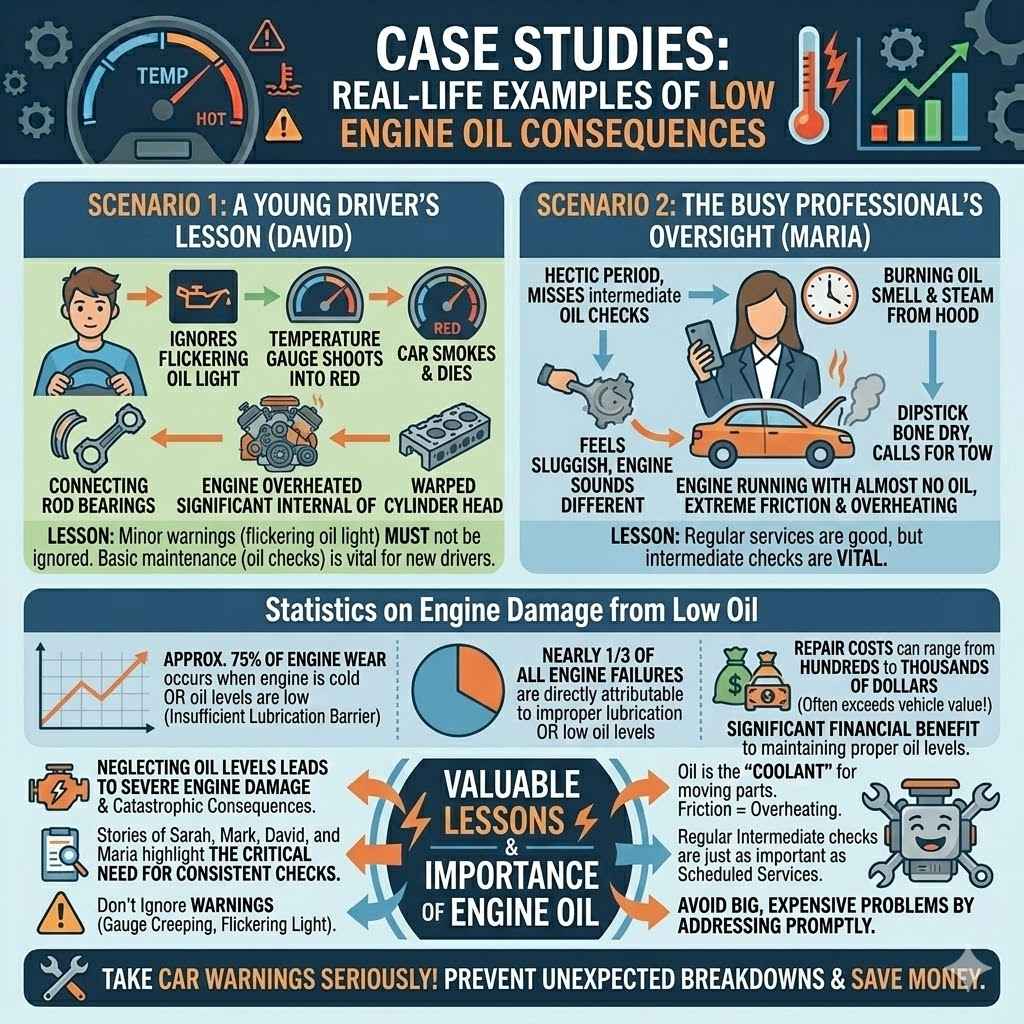
David, a teenager who had just gotten his driver’s license, borrowed his parents’ car. He noticed the oil light flickering on and off a couple of times but didn’t think much of it. He assumed it was a minor issue.
A few days later, while driving to school, the temperature gauge shot into the red. The car began to smoke and then died.
When the car was towed to a mechanic, David learned a harsh lesson. The oil level was extremely low, and the engine had overheated to the point of significant internal damage. The connecting rod bearings were worn out, and the cylinder head was warped.
The repair bill was more than the car was worth.
This scenario emphasizes that even seemingly minor warnings like a flickering oil light should not be ignored. For new drivers, understanding basic car maintenance, like checking oil levels, is as important as knowing how to drive. This experience taught David the importance of taking car warnings seriously.
Scenario 2 The Busy Professional’s Oversight
Maria is a busy professional who travels frequently for work. Her car is her lifeline. She usually takes it for its scheduled services on time, but during a particularly hectic period, she missed a couple of oil checks.
She noticed the car felt a bit sluggish and the engine sounded slightly different, but she attributed it to long hours and stress.
One evening, after a long drive, she noticed the distinct smell of burning oil and saw steam coming from under the hood. The temperature gauge was high. She immediately pulled over.
Upon checking the dipstick, she found it was bone dry. She had to call for a tow.
The mechanic explained that the engine had been running with almost no oil, leading to extreme friction and overheating. While she was fortunate that the damage wasn’t catastrophic, she still had to pay for a significant amount of oil and an inspection to ensure no long-term issues were developing. This was a stark reminder that even with regular services, intermediate checks are vital.
Statistics on Engine Damage from Low Oil
The consequences of driving with low engine oil are well-documented. Data from automotive repair shops and consumer reports consistently show that insufficient lubrication is a leading cause of engine failure.
According to some industry estimates, approximately 75% of engine wear occurs when the engine is cold or when oil levels are low. This is because the oil hasn’t fully circulated or there isn’t enough to create a protective barrier. Over time, this wear can lead to major component failure.
Another statistic suggests that nearly one-third of all engine failures are directly attributable to improper lubrication or low oil levels. The repair costs for these failures can range from hundreds to thousands of dollars, often exceeding the value of the vehicle. This highlights the significant financial benefit of maintaining proper oil levels.
Frequently Asked Questions
Question: Can I drive my car if the oil light is on and the engine is overheating?
Answer: No, you should not drive your car if the oil light is on and the engine is overheating. This is a critical warning that your engine is not being properly lubricated or cooled. Continuing to drive can cause severe and irreversible engine damage, leading to very expensive repairs or even requiring a complete engine replacement.
Pull over to a safe location immediately and have the vehicle inspected.
Question: How often should I check my engine oil level?
Answer: It is recommended to check your engine oil level at least once a month. You should also check it before any long road trips or if you notice any signs of potential issues, such as the temperature gauge rising or unusual engine noises. Making it a habit can prevent many problems.
Question: What happens if I overfill my engine oil?
Answer: Overfilling your engine oil can also cause problems, though it’s generally less catastrophic than running too low. Excess oil can create too much pressure in the engine, potentially damaging seals and gaskets. It can also cause the oil to foam, which reduces its lubricating ability and can lead to overheating.
It’s important to fill the oil to the correct level, not beyond the “Full” mark.
Question: Is it okay to mix different brands or types of engine oil?
Answer: While most modern conventional and synthetic oils are compatible, it’s best to stick to the type and viscosity recommended by your car manufacturer. Mixing different oils might compromise their performance. If you need to top up, using the same type and brand is ideal.
If you must use a different type, ensure it meets the specifications outlined in your owner’s manual and consider a full oil change soon after.
Question: How can I tell if my car is burning oil?
Answer: You can tell if your car is burning oil in a few ways. One sign is a blue smoke coming from the exhaust pipe, especially when you accelerate. Another is a noticeable drop in the oil level between regular checks.
You might also smell burning oil under the hood. If you suspect your car is burning oil, it’s best to have it checked by a mechanic.
Conclusion
Yes, low engine oil can absolutely cause your car to overheat. The oil’s job is not just lubrication but also crucial cooling. When oil levels drop, friction increases, creating excess heat that the cooling system can’t manage.
Always check your oil level regularly, between scheduled changes, and use the correct type of oil. Maintaining proper oil levels is a simple but vital step to keep your engine running cool and prevent costly damage.