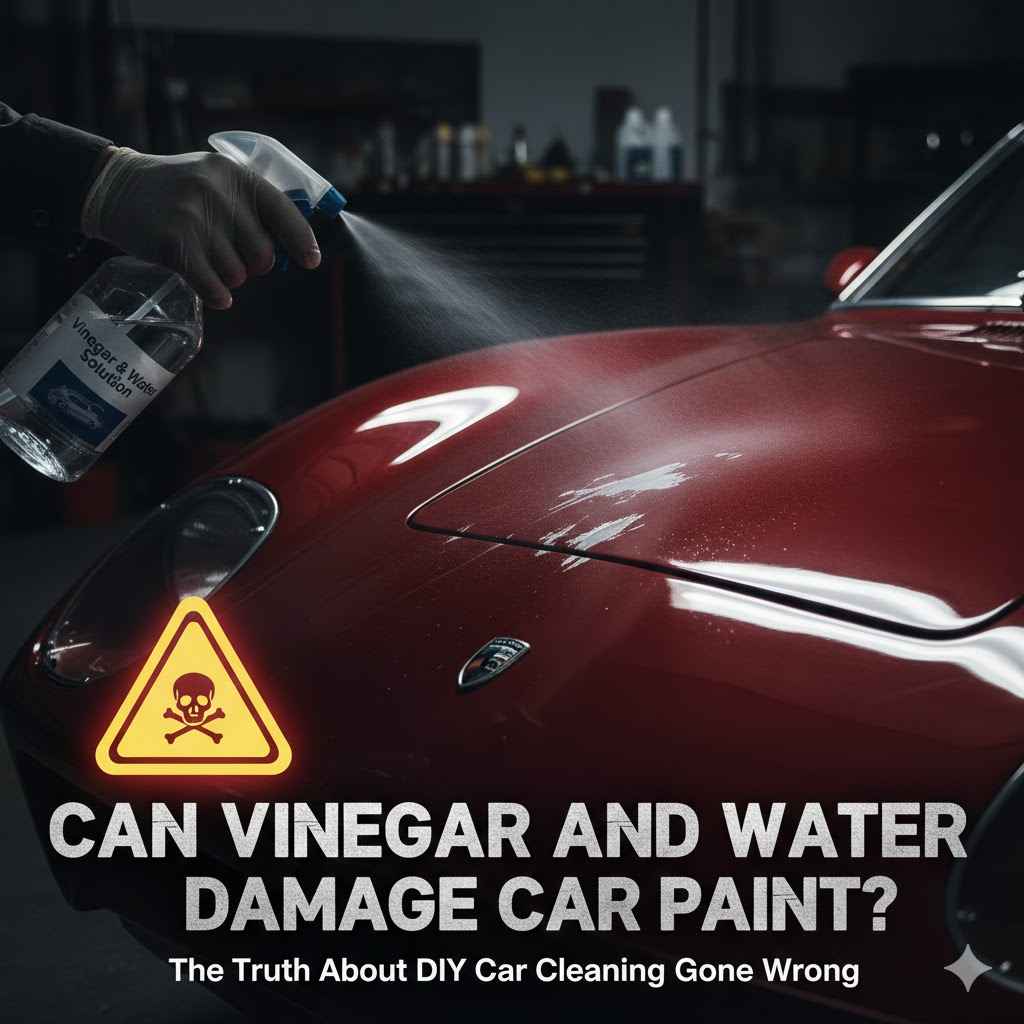
Can Vinegar and Water Damage Car Paint?
Many car owners wonder about cleaning their vehicles safely. Some might think a simple mix of vinegar and water is a good, cheap way to clean. But questions like “Can Vinegar and Water Damage Car Paint?” can be tricky, especially for beginners. This guide will break it down easily. We’ll show you exactly what you need to know to keep your car looking great without any worry. Read on to find out the simple steps.
Understanding Vinegar and Water Effects on Car Paint
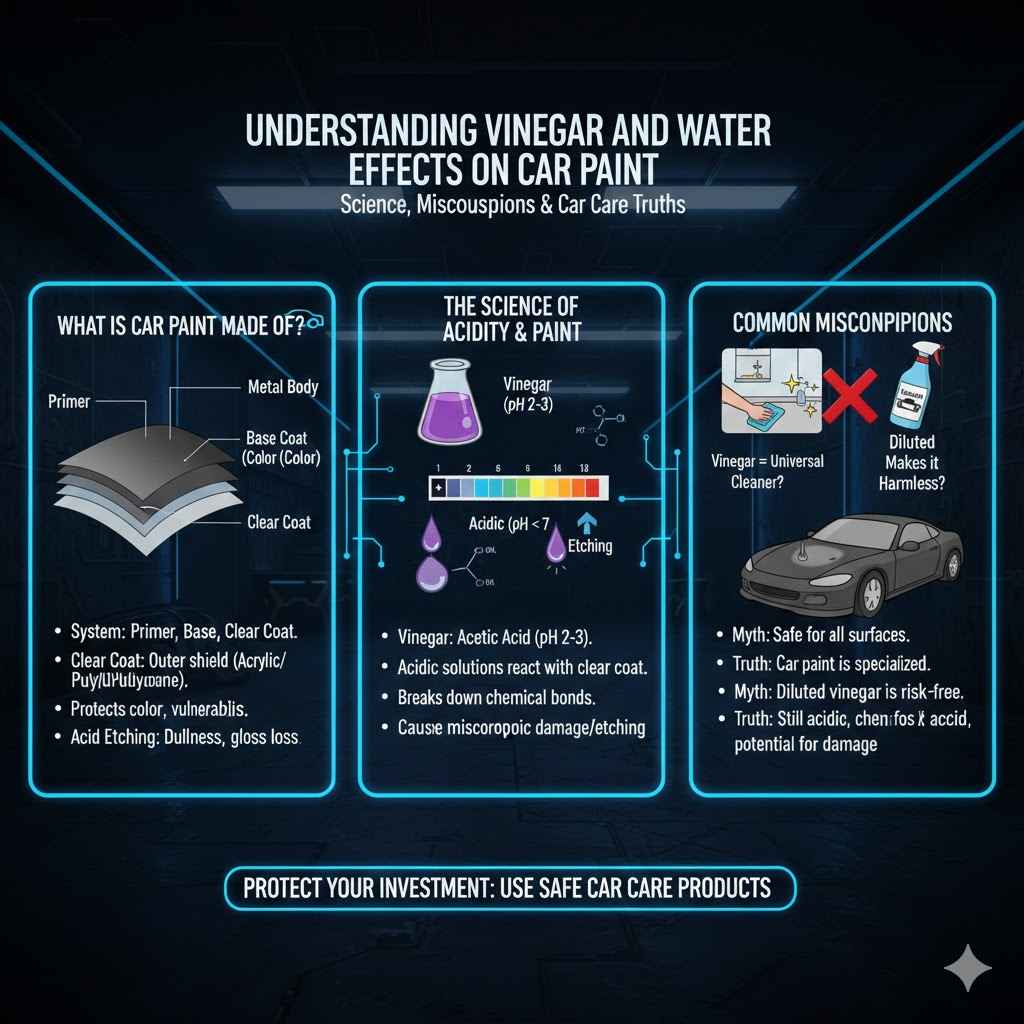
This section explores why people ask “Can Vinegar and Water Damage Car Paint?” It looks at the basic properties of vinegar and water and how they interact with the protective layers of your car’s paint. We’ll talk about the different parts of car paint and how acidic solutions might affect them over time. This helps you see the potential risks clearly so you can make smart choices for your car’s care.
What is Car Paint Made Of?
Car paint is not just one layer; it’s a system designed to protect and beautify. Typically, it includes a primer, base coat, and clear coat. The primer helps the paint stick to the metal. The base coat gives your car its color. The clear coat is the toughest outer layer; it protects the color from UV rays, scratches, and environmental damage. This layer is crucial for keeping your car looking shiny and new.
The clear coat is usually made of acrylic or polyurethane resins. These are strong but can be sensitive to certain chemicals. Acids, especially strong ones like undiluted vinegar, can etch into this protective layer. This means the clear coat might become dull or lose its gloss. Over time, this damage can spread deeper, affecting the colored base coat underneath.
The Science of Acidity and Paint
Vinegar is an acid, primarily acetic acid. When vinegar mixes with water, it becomes less acidic, but it can still be potent. The acidity is measured by pH. Pure water has a neutral pH of 7. Vinegar’s pH is typically between 2 and 3. This is quite acidic.
When an acidic substance touches car paint, it can react with the clear coat. The acid can break down the chemical bonds that make the clear coat smooth and shiny. Think of it like a mild erosion. This process is called etching. It’s similar to how acid rain can damage buildings. The longer the acid stays on the paint, the more damage it can do.
Common Misconceptions about Vinegar as a Cleaner
Many people believe vinegar is a universal cleaner because it’s natural and cheap. They might use it to clean their kitchen counters, bathrooms, or even windows. This can lead them to think it’s safe for all surfaces, including car paint. However, car paint is a complex, finished product designed to withstand weather, but not all cleaning agents.
Some might think diluting vinegar with water makes it completely harmless. While dilution does reduce the acidity, it doesn’t eliminate it. A diluted vinegar solution can still pose a risk if left on the paint for too long or used too frequently. This is especially true for older paint jobs or cars that have been waxed or sealed with less durable products.
Why Vinegar Can Harm Your Car’s Finish
This section directly addresses the question: Can Vinegar and Water Damage Car Paint?. We’ll explain the specific ways vinegar’s acidic nature can interact negatively with your car’s paint layers. You’ll learn about etching, dulling, and the potential for long-term damage if vinegar is used improperly. This will help you understand why caution is necessary.
Etching and Dullness of the Clear Coat
The clear coat is the first line of defense for your car’s paint. It’s designed to be tough, but it’s not invincible. Vinegar, being acidic, can react with the polymers that make up the clear coat. When vinegar sits on the surface, it starts to break down these polymers. This process creates tiny pits and imperfections, which we call etching.
These etch marks scatter light instead of reflecting it smoothly. This is why your car’s paint can look dull or hazy after contact with vinegar. It’s not that the color is gone, but the protective, shiny layer is compromised. The more concentrated the vinegar or the longer it stays on, the deeper the etching can become.
Potential for Paint Fading and Discoloration
Beyond dullness, prolonged or frequent exposure to acidic solutions like vinegar can lead to more serious issues. If the etching goes deep enough, it can begin to affect the colored base coat. Acids can sometimes break down the pigments in the paint, causing them to fade. This means your car’s vibrant color might start to look washed out or uneven.
In some cases, the interaction between the acid and paint compounds could even cause discoloration. Certain colors might react differently. For instance, dark colors might show dullness more prominently, while lighter colors might appear to yellow over time. This type of damage is much harder to reverse than simple dullness.
The Impact on Wax and Sealants
Most car owners apply wax or paint sealants to protect their car’s finish and add shine. These protective layers are often the first to be affected by chemicals like vinegar. The acidity can strip away wax and sealants much faster than regular washing. This leaves the clear coat exposed and vulnerable.
When you wash your car with a vinegar solution, you might be removing the very protection you worked hard to apply. This means your car’s paint is less shielded from the elements, making it more susceptible to future damage from sun, dirt, and other contaminants. It’s a bit like removing a raincoat before going out into a storm.
Safe Alternatives to Vinegar for Car Cleaning
Knowing that vinegar can be risky, this section offers practical, safe ways to clean your car. We’ll introduce effective cleaning products and methods that are designed specifically for automotive paint. You’ll discover how to achieve a spotless finish without jeopardizing your car’s appearance. These alternatives are readily available and easy to use.
Using Dedicated Automotive Car Wash Soaps
The best way to clean your car is with products made just for cars. Automotive car wash soaps are pH-balanced. This means they are not too acidic or too alkaline, so they won’t harm your car’s paint. They are formulated to lift dirt, grime, and road film without stripping wax or damaging the clear coat.
When choosing a car wash soap, look for one that specifies it’s pH-neutral. These soaps create a good lather, which helps to encapsulate dirt particles. This prevents them from scratching your paint as you wash. Always follow the instructions on the product for the best results. Using the right soap is a key step in maintaining your car’s finish.
The Importance of Microfiber Towels and Wash Mitts
The tools you use to wash your car are just as important as the soap. Microfiber towels and wash mitts are ideal for car washing. They are soft and non-abrasive, which means they won’t scratch your paint. They are also highly absorbent, so they can hold a lot of soapy water.
A plush microfiber wash mitt is excellent for gently gliding over the car’s surface. It traps dirt and grime effectively. After washing a section, rinse the mitt thoroughly. For drying, use soft, high-quality microfiber drying towels. These towels are designed to absorb water quickly and without leaving streaks or lint behind.
Waterless Wash and Rinse-Free Wash Solutions
If you don’t have access to a hose or want to save water, waterless and rinse-free wash solutions are great options. Waterless washes typically come in spray bottles. You spray the product directly onto the car’s surface, and it encapsulates the dirt. You then gently wipe the dirt away with a microfiber towel.
Rinse-free washes work similarly but often require a small amount of water to dilute the product in a bucket. You use a wash mitt to apply the solution and then wipe the car dry with a towel, without needing to rinse the entire car with a hose. These methods are efficient and safe for your paint when done correctly with plenty of clean microfiber towels.
How to Properly Wash Your Car Safely
This section provides a step-by-step guide to washing your car the right way. It focuses on techniques that protect your car’s paint and ensure a brilliant shine. You will learn about the two-bucket method, proper drying techniques, and general best practices for a safe and effective car wash.
The Two-Bucket Wash Method Explained
The two-bucket method is a popular technique to prevent scratches during washing. You need two buckets. One bucket contains your car wash soap solution. The other bucket contains clean rinse water. You’ll also need a grit guard in each bucket to trap dirt at the bottom.
Start by dipping your wash mitt into the soap solution. Wash one section of your car. Then, rinse your dirty wash mitt thoroughly in the clean water bucket before going back to the soap bucket for more suds. This ensures you are not transferring dirt back onto your car’s paint, which can cause swirl marks.
First Bucket Soap: Fill one bucket with water and your chosen car wash soap. This is where you’ll get your cleaning suds.
Second Bucket Rinse: Fill the second bucket with plain water. This is for rinsing your wash mitt after cleaning a section of the car.
Grit Guards: Place a grit guard at the bottom of each bucket. This traps dirt particles, so they don’t get back on your mitt.
Wash Panel by Panel: Work from the top of the car downwards. Wash one panel at a time.
Rinse Mitt Regularly: After washing a panel, rinse your mitt in the clean water bucket. Then, dunk it back into the soap bucket. This keeps your wash water clean and reduces the risk of scratching.
Drying Your Car to Prevent Water Spots
Water spots can be unsightly and can sometimes etch into the paint if left to dry in the sun. Proper drying is crucial. Use high-quality, plush microfiber drying towels. These towels are designed to absorb a large amount of water without scratching the paint.
Start drying from the top of the car and work your way down. Gently pat or blot the water away with the towel, rather than rubbing. As the towel becomes saturated, switch to a dry one. Having multiple drying towels ready ensures you can dry the entire car efficiently and without streaks.
Best Practices for a Scratch-Free Wash
Wash in the Shade: Always wash your car in a shaded area. Direct sunlight can cause the soap and water to dry too quickly, leading to water spots and streaks. It also makes the paint too hot to work on comfortably.
Use Plenty of Lubrication: Car wash soap creates suds, which act as a lubricant. This lubrication helps the wash mitt glide over the paint without causing scratches. Ensure you have a good amount of suds in your wash water.
Avoid Washing if Dirty: If your car is heavily coated in mud or grit, it’s best to rinse it thoroughly with a hose first. This removes loose debris before you start washing with a mitt. This prevents larger particles from causing deeper scratches.
Clean Wheels Last: Wheels are often the dirtiest part of the car. Wash them last to avoid transferring brake dust and road grime onto your clean paintwork. Use separate brushes and cleaning solutions for your wheels.
Can Vinegar and Water Damage Car Paint? A Direct Answer and Expert Advice
This section offers a definitive answer to the question: Can Vinegar and Water Damage Car Paint?. We will summarize the risks and provide clear, expert advice on what to do. This includes recommendations from automotive detailers and manufacturers on safe cleaning practices and what to avoid.
Expert Opinion on Vinegar and Car Paint
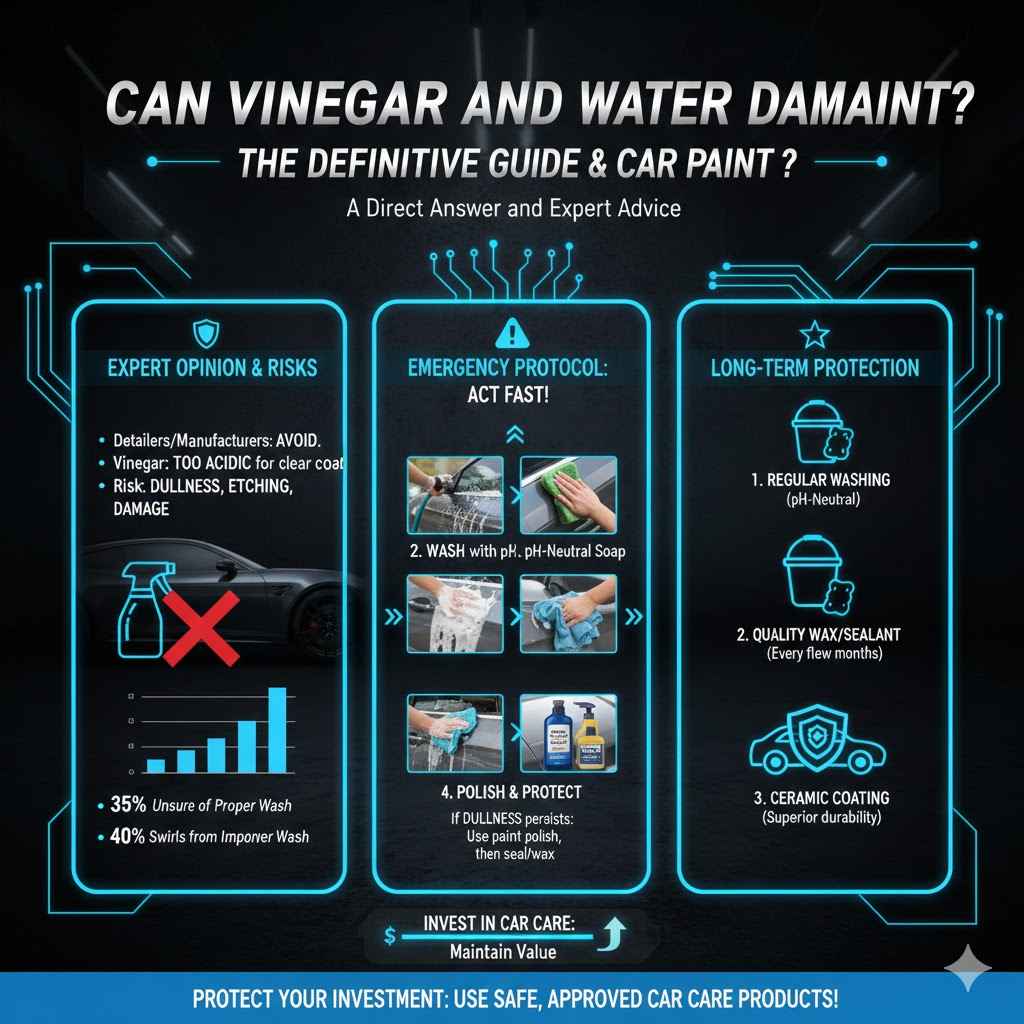
Automotive detailers and paint manufacturers generally advise against using vinegar on car paint. While it can be effective for some household cleaning tasks, it’s too acidic for the delicate clear coat on a vehicle. Even diluted, it poses a risk. Professional detailers often use specialized, pH-neutral cleaners that are proven safe for automotive finishes.
Manufacturers of car paint also recommend using only approved automotive cleaning products. They understand the complex chemistry of their finishes and know which substances can cause damage. Their guidelines are there to help owners maintain the integrity and appearance of the paint for years to come.
What to Do If Vinegar Has Touched Your Paint
If you’ve accidentally used vinegar on your car, don’t panic. The key is to act quickly. Immediately rinse the affected area thoroughly with plenty of clean water. This will dilute and wash away any remaining vinegar.
After rinsing, wash the area with a pH-neutral car wash soap. This will help to neutralize any residual acidity. Then, dry the area completely with a clean microfiber towel. If you notice any dullness or haziness, you might need to use a paint polish to restore the shine. A wax or sealant applied afterward will offer protection.
Long-Term Protection Strategies
To prevent future damage, focus on consistent and proper car care. Regularly washing your car with the right products is essential. Applying a quality wax or paint sealant every few months provides a protective barrier against environmental contaminants and UV rays. This barrier also makes your car easier to clean in the future.
Consider ceramic coatings for longer-lasting protection. These offer superior durability and resistance to chemicals compared to traditional waxes. They create a hard, hydrophobic layer that can shield your paint from minor scratches and chemical etching. Investing in good protection ensures your car’s paint stays looking its best for many years.
Here are some statistics on car paint care:
A survey found that 35% of car owners are unsure about the correct way to wash their car, leading to potential paint damage.
According to industry reports, improper washing techniques are responsible for an estimated 40% of swirl marks and scratches found on car paint.
The global car care market is projected to grow significantly, with consumers increasingly seeking products and services that protect their vehicle’s aesthetic value.
Frequently Asked Questions
Question: Is it okay to use diluted vinegar to clean my car windows?
Answer: Yes, diluted vinegar can often be used to clean car windows. The glass on your windows is much tougher than your car’s paint. However, still use a highly diluted solution and wipe thoroughly to avoid streaks.
It’s best to use a dedicated glass cleaner for a streak-free finish.
Question: Can I use vinegar to remove hard water spots from my car?
Answer: While vinegar can help dissolve mineral deposits, it’s risky for car paint. The acid can etch the clear coat. It’s better to use a dedicated water spot remover designed for automotive paint or a mild clay bar treatment.
Question: How often should I wash my car to keep the paint healthy?
Answer: Washing your car every two weeks is a good general guideline. However, if you live in an area with harsh weather, salt, or heavy pollution, you might need to wash it more often.
Question: What is the difference between a wax and a sealant?
Answer: Wax, usually made from carnauba, offers a warm shine and is good for protection, but typically lasts only a few weeks. Sealants are synthetic polymers that offer longer-lasting protection, often for several months, and can provide a slicker, more durable finish.
Question: Will vinegar damage a car’s plastic trim?
Answer: Vinegar can potentially damage some types of plastic trim, causing them to become dull or brittle over time. It’s best to use cleaners specifically formulated for automotive plastics to clean these parts.
Summary
Vinegar and water can indeed damage car paint. The acidity in vinegar can etch and dull the clear coat, leading to fading and discoloration. Using pH-neutral car wash soaps, microfiber towels, and proper washing techniques are safe alternatives. Protecting your car’s paint with regular washes, waxes, or sealants keeps it looking its best.