Best Car Paint for Touch-Up Pens (2026): We Compared
For small chips and scratches, an OEM-matched pen in the exact paint code is commonly recommended; a common rule of thumb is to use fine-tip pens for chips under about 2 mm and brush applicators for longer scratches. A poor color match, wrong finish, or oversized tip makes the repair more visible than the damage. This guide compares top touch-up pens by defect size, finish type, and paint-code match quality.
Best touch-up pens for small car damage
The core trade-off is simple: tighter control helps small chips and narrow scratches, while broader coverage helps longer marks but raises the risk of visible edges. Color accuracy matters more than brand name when the panel has faded, been repainted, or sits in stronger sun than the rest of the car.
Touch-up pens work best on stone chips, paint nicks, and shallow scratches that have not exposed rust holes or crushed metal. Deeper gouges can take multiple coats, but once the damage spans a wide area, a pen usually stops being the right tool.
For most DIY drivers, the safest first choice is an OEM-matched pen or kit tied to the vehicle paint code. If you want one product that can handle both chips and narrow scratches, a dual-applicator design is easier to control than a broad brush alone.
Quick comparison
| Product | Badge | Best for | Price | ||
|---|---|---|---|---|---|
 |
White Car Paint Touch Up Pen, Color Accurate Touch Up Paintxdotoar | Our pick | White color · Touch-up pen · Fast dry | $8.99
Price as of 20 Oct 2026
|
View |
 |
UBOG Car Paint Scratch Repair,Touch Up Paint for Cars,TouchUBOG | Budget pick | Black color · Scratch repair · Fast dry | $5.99
Price as of 20 Oct 2026
|
View |
 |
Auto Paint Clear Coat for Cars High Gloss Automotive ClearSENVEN | Also great | 1.5 Oz · Clear coat · High gloss | $9.99
Price as of 20 Oct 2026
|
View |
 |
Toviiea Carbonized Gray Metallic(M7/M7458) Touch Up PaintToviiea | Upgrade pick | 0.41 FL Oz · Carbonized Gray · 2-piece set | $14.99
Price as of 20 Oct 2026
|
View |
The easiest option is usually the product with the simplest applicator and the least prep friction. The most accurate option is usually the one tied most closely to a vehicle paint code, especially when the car is black, metallic, pearlescent, or already aged.
How we chose
This comparison focuses on paint-code match quality, applicator control, finish support, repair difficulty, and whether the product expects clear coat or prep steps. It also weighs how the format behaves on steel, aluminum, and plastic, since adhesion and edge blending can change across panels.
Also use the available product details and published prices, then compare them against the common failure points that matter in driveway repairs: clogging, overfill, raised repair lines, and poor coverage at chip edges.
| Product | Format | Published price | Difficulty | Best use |
|---|---|---|---|---|
| Dupli-Color All-In-1 Scratch Fix | Pen tip plus brush applicator | $16.99 | Moderate | Chips and narrow scratches with one kit |
| ScratchesHappen Exact-Match Kit | Multi-component kit | $27.05 | Advanced | Paint-code-specific repairs where accuracy matters most |
| OEM touch-up paint | Vehicle-specific paint | Varies by brand and seller | Easy to moderate | Brand-specific matching when the code is known |
| Universal touch-up paint | Generic color match | Usually lower | Easy | Temporary concealment when exact match matters less |
Dupli-Color All-In-1 Scratch Fix: best for all-around repair
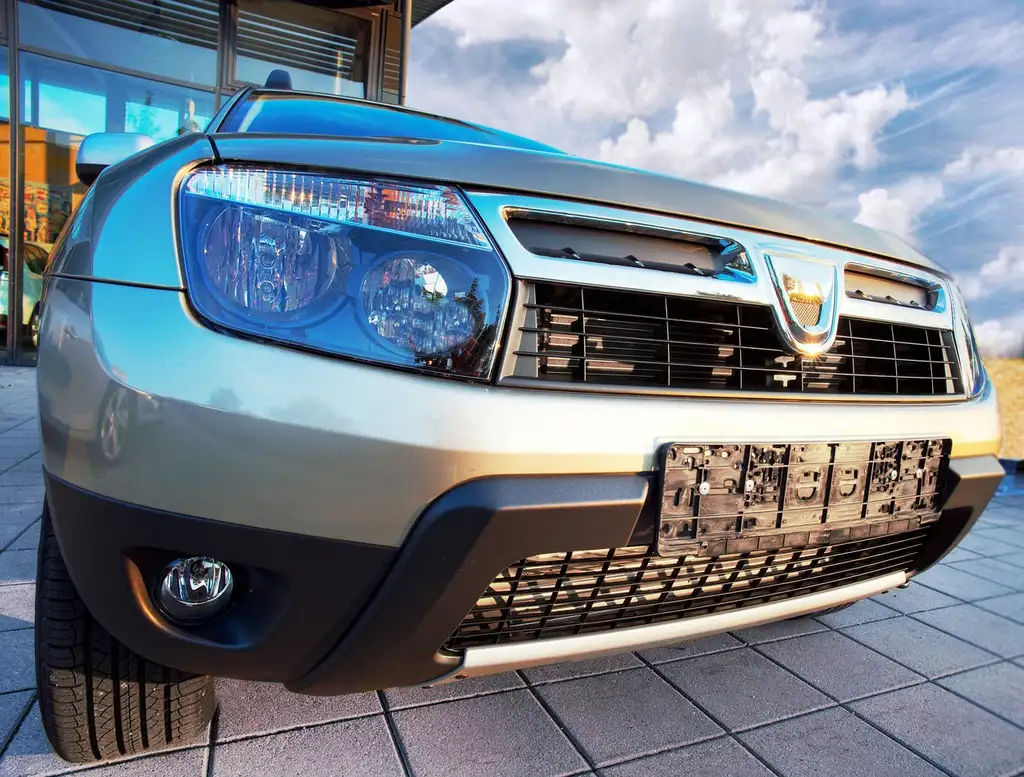
Dupli-Color All-In-1 Scratch Fix is the strongest all-around pick for drivers who want one product to cover both stone chips and narrow scratches. Its pen tip plus brush applicator gives you more control over tiny defects and more coverage when a scratch widens.
The abrasive prep tip and clear coat approach matter because they turn the repair into a more complete process, not just a color fill. That helps when the scratch edge is rough or when you want a final protective layer after the color coat.
The drawback is the trade-off that comes with a more capable kit: it asks for more patience and a steadier hand than a simple marker. On glossy or metallic panels, a rushed application can leave a visible ridge.
ScratchesHappen Exact-Match Kit: best for paint-code accuracy
ScratchesHappen Exact-Match Kit fits owners who want a more complete repair system and are willing to spend more time on the process. Based on the published details, it is positioned around exact-match color and a two-piece setup for Ford Carbonized Gray Metallic.
That matters because exact-match kits are built for users who care more about color fidelity than simplicity alone. Multiple components usually mean more control over where paint lands, how thick each layer gets, and how well you can work around chip edges.
The drawback is the learning curve. It is a better fit for an advanced user than for someone who wants the quickest possible fix, and the higher price makes less sense for a tiny defect on a low-visibility panel.
OEM touch-up paint: best for brand-specific repairs
OEM touch-up paint is the best route when the vehicle paint code is available and you want the closest match to the original factory color. That is especially useful for brand-specific repairs, since the correct code narrows the color search far more than a generic black, white, or gray label.
Original paint and aged paint are not always the same thing. Sun exposure, washing habits, and prior repaint work can shift the visible shade on one panel, so an exact factory match may still look slightly different next to the surrounding finish.
OEM is usually the better choice than universal paint when accuracy matters more than speed. The drawback is that it depends on the code being correct and the seller matching the right variant, not just the broad color family.
Which one should you buy?
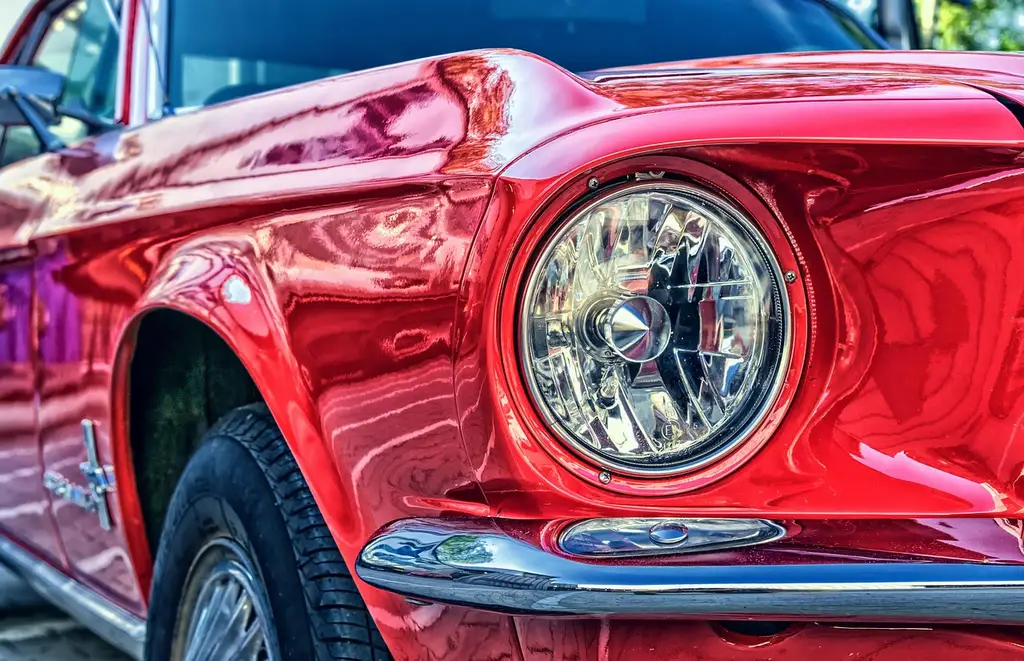
Start with defect size. A fine-tip pen works best for tiny chips and short scratches, while a 2-in-1 pen/brush format is better once the mark becomes longer or slightly wider. If the damage is deep enough to show primer or metal over a larger area, a pen may only be a partial repair.
Next, check finish type. Gloss finishes are usually the easiest to blend. Metallic and pearlescent finishes are harder because the flop and sparkle change with viewing angle. Matt finishes need careful product matching, because a glossy touch-up can stand out immediately.
Panel material matters too. Steel, aluminum, and plastic do not behave the same way under prep and paint. Plastic bumpers often flex, so a thick repair can crack or edge-lift sooner than the same repair on steel. Aluminum can be less forgiving if corrosion or poor prep is left behind.
For budget buyers, a simple touch-up pen is fine if the defect is small and the color is close. For higher accuracy, choose an OEM or vehicle-specific color. For beginners, the easiest format is usually a pen with a narrow tip and clear coat included, because it limits the number of steps.
Decision by defect type
Say your car has a stone chip on the hood about 1.5 mm across. A fine-tip OEM-matched pen is the sensible choice because the area is small and the repair needs precision more than broad coverage. If the scratch runs several inches, the brush side of a 2-in-1 product is usually more practical.
Decision by finish and panel
Suppose the chip is on a black plastic bumper with a gloss finish. A vehicle-specific color can still help, but you should expect the repaired spot to read differently if the clear coat builds too high. On a metallic door panel, exact color match matters even more because the metallic effect changes with angle.
| Scratch depth / chip size | Finish type | Panel material | Best format | Why |
|---|---|---|---|---|
| Light clear-coat scratch, hairline width | Gloss | Steel | Fine-tip touch-up pen | Smallest applicator gives the best control and least overfill |
| Small chip under about 2 mm | Gloss or solid color | Aluminum | OEM-matched fine-tip pen | Good for precise fill when code match is available |
| Short scratch with open edges | Metallic | Steel or aluminum | 2-in-1 pen/brush | Brush coverage helps bridge a longer mark, but control still matters |
| Multiple chips in one area | Pearlescent | Plastic | Exact-match kit | Better for layered repair and color accuracy on a tricky finish |
| Wider shallow scuff | Matt | Plastic or steel | Paint-code-specific kit | Matt finishes punish guesswork and visible overlap |
Touch-up paint decision matrix
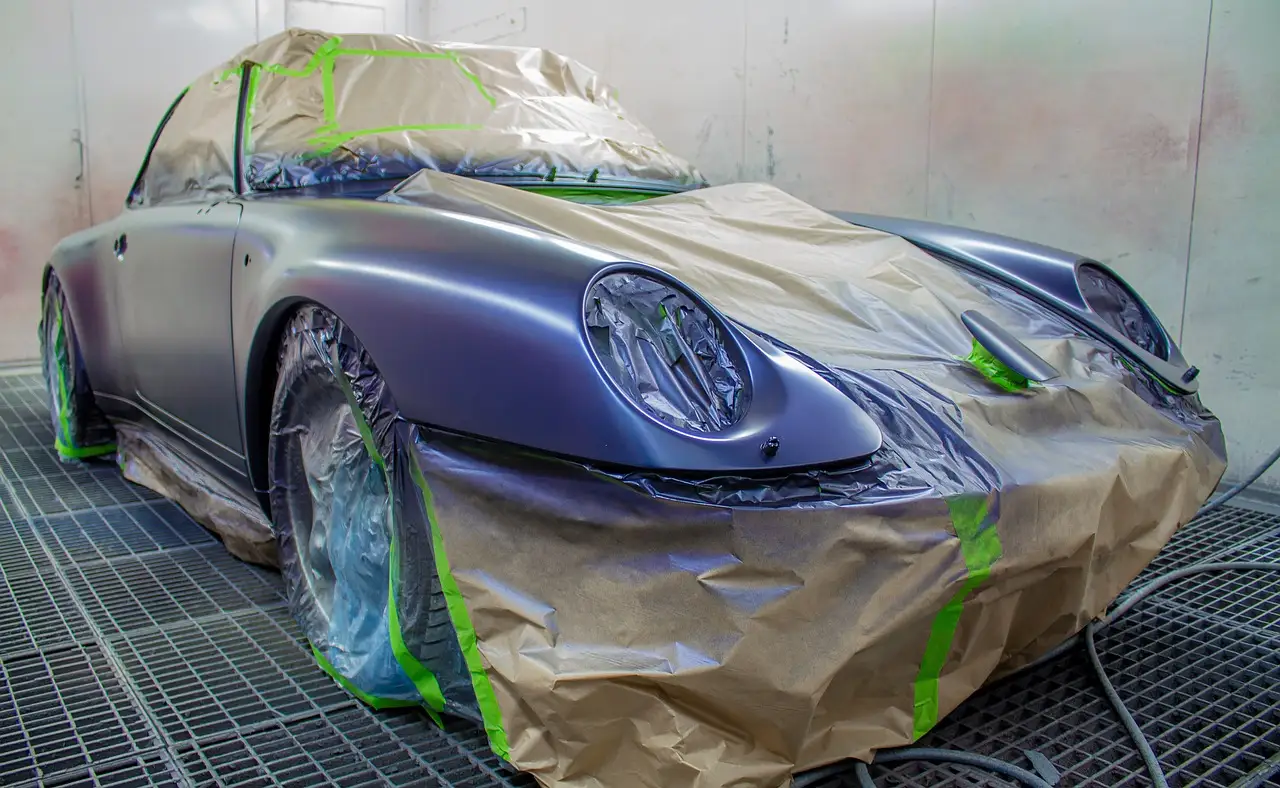
This matrix turns the usual guesswork into a repeatable choice. It also shows where a pen stops being the right answer and where a kit or body shop repair starts to make more sense.
| Situation | Best choice | Reason | Failure risk |
|---|---|---|---|
| Scratch only in the clear coat | Fine-tip pen | Minimal material needed, so control matters most | Low if the area is cleaned first |
| Chip exposes primer | OEM-matched pen | Color match and small-area fill are the main goals | Medium if the code is wrong or the paint is old |
| Chip exposes bare metal | Multi-step kit with clear coat | Needs more than color; protection matters too | Higher if prep is skipped |
| Long narrow scratch | 2-in-1 pen/brush | Brush side covers line length better than a pure pen tip | Medium from overfill |
| Large scuff across a panel | Body shop estimate | A pen will leave visible boundaries on broad damage | High if treated like a small repair |
Failure cases and fixes
| Problem | Likely cause | What to do next |
|---|---|---|
| Paint blobs at the chip | Too much product in one pass | Let it dry, then level with thin additional coats instead of a heavy refill |
| Tip clogs | Residual paint drying in the applicator | Clean the tip immediately and recap tightly between uses |
| Repair dries too high | Overfill or repeated heavy coats | Stop adding paint, allow full drying, then lightly refine only if the product instructions allow it |
| Raised line remains visible | Scratch was wider than the tip or brush pass | Switch to thinner coats and use the brush only for the open section |
- Wash and dry the panel.
- Use the vehicle paint code whenever possible.
- Shake the pen before use.
- Apply one thin coat.
- Wait for drying before the next coat or clear coat.
Choose Dupli-Color All-In-1 Scratch Fix if… / Choose ScratchesHappen Exact-Match Kit if…
Choose Dupli-Color All-In-1 Scratch Fix if you want the most balanced option for small chips and narrow scratches, especially when you want both a pen tip and a brush in one package. Its prep tip and clear coat approach make it a practical all-round repair for a DIY driver.
Choose ScratchesHappen Exact-Match Kit if your main goal is color accuracy and you are comfortable with a more involved repair process. It makes the most sense for owners who are matching a specific paint code and can spend more time on careful application.
Choose OEM touch-up paint if the vehicle code is known and the panel is faded only lightly. Choose a simpler pen if the defect is tiny and the goal is to hide it, not to chase a perfect finish. Avoid universal color guesses when the panel has aged noticeably.
Frequently asked questions
What is the best car paint for touch-up pens?
The best car paint for touch-up pens is a vehicle-specific or OEM-matched color tied to your paint code. That gives you the closest starting point for the repair, especially on glossy, metallic, or pearlescent finishes where a generic color can look off under sunlight.
How do I choose the right touch-up paint pen for my car?
Match the paint code first, then choose the applicator for the defect size. Use a fine-tip pen for tiny chips and a brush or 2-in-1 format for longer scratches. Finish type and panel material matter too, because metallic and plastic panels can reveal mismatch or overfill more easily.
Should I use a touch-up pen or a brush for scratch repair?
Use a pen for small chips and narrow marks where precision matters most. Use a brush when the scratch is long enough that the tip would take too many passes. A brush can cover more area, but it also raises the risk of a visible ridge if you apply too much paint.
How do I find my car’s paint code for a touch-up pen?
Check the vehicle label, owner paperwork, or the manufacturer’s code lookup path, then confirm it with the seller before you buy. Retailers such as Halfords support vehicle registration, postcode, and paint-code search, which helps narrow the right product instead of guessing by eye.
Which touch-up paint pen works best for black cars?
Black cars usually favor an OEM or vehicle-specific black because even slight shade differences can stand out. For small chips, a fine-tip black pen is easiest to control. The UBOG black repair pen is the budget-oriented option here, while brand-specific black OEM paint is the safer choice for close matching.
How many coats do I need for a touch-up paint pen?
Use as many thin coats as needed to fill the defect without building a hump. Deeper chips may need multiple layers, but each coat should dry before the next one goes on. One heavy coat is more likely to blob, shrink unevenly, or leave a raised edge.
How long should touch-up paint dry before clear coat or washing?
Wait for the color coat to dry before adding clear coat, and wait longer before washing the area. Exact timing depends on the product, but patience matters because a wet or soft layer can smear, trap dust, or mark the final finish when you add the next step.
Can touch-up pens fix stone chips as well as scratches?
Yes, touch-up pens are well suited to stone chips and narrow scratches, as long as the damage is small enough for controlled application. They are less suitable for broad scuffs, deep gouges, rust holes, or panel damage that needs filling beyond a small spot.
What is the easiest touch-up pen to use for beginners?
The easiest option for beginners is usually a pen with clear instructions, a fine tip, and a paint-code match that reduces the chance of a visible mismatch. A 2-in-1 product can also help because it gives you two application modes without forcing you to buy separate products.
Are OEM touch-up paints better than universal ones?
Usually yes, when the goal is a close visual match. OEM and vehicle-specific paints are tied to the original code, while universal colors are broader and more approximate. That said, an OEM match can still look slightly different if the surrounding panel has faded or been repainted.
Products related to this article
Sponsored / affiliate links. As an Amazon Associate I earn from qualifying purchases. I may earn additional commission from eligible campaigns.