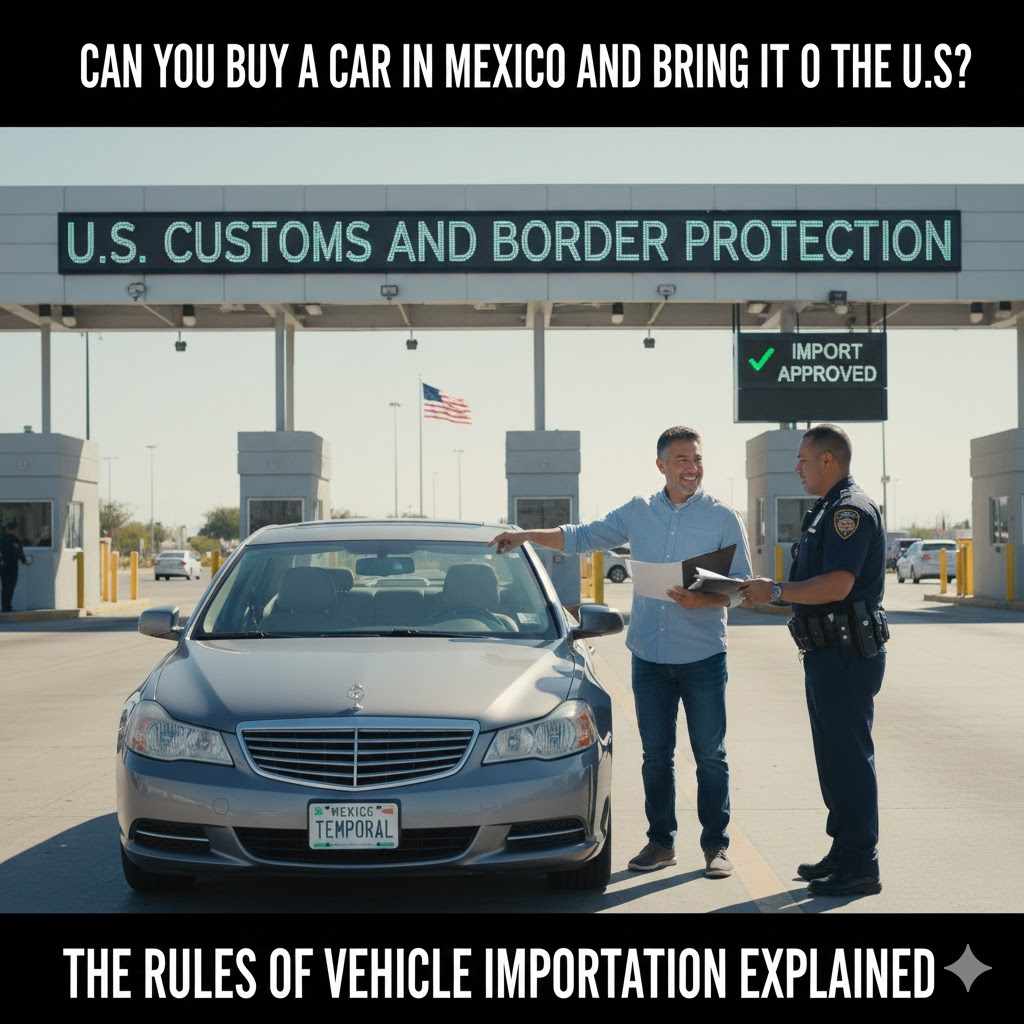
Can You Buy a Car in Mexico and Bring It to the U.S.?
Many folks wonder if it’s possible to snag a great deal on a car in Mexico and bring it back home to the United States. It sounds like a smart way to save some cash, but for newcomers, the whole process can feel a bit tricky. There are rules and steps to follow. Don’t worry, though. We’ll walk you through it step-by-step. Get ready to learn exactly what you need to know.
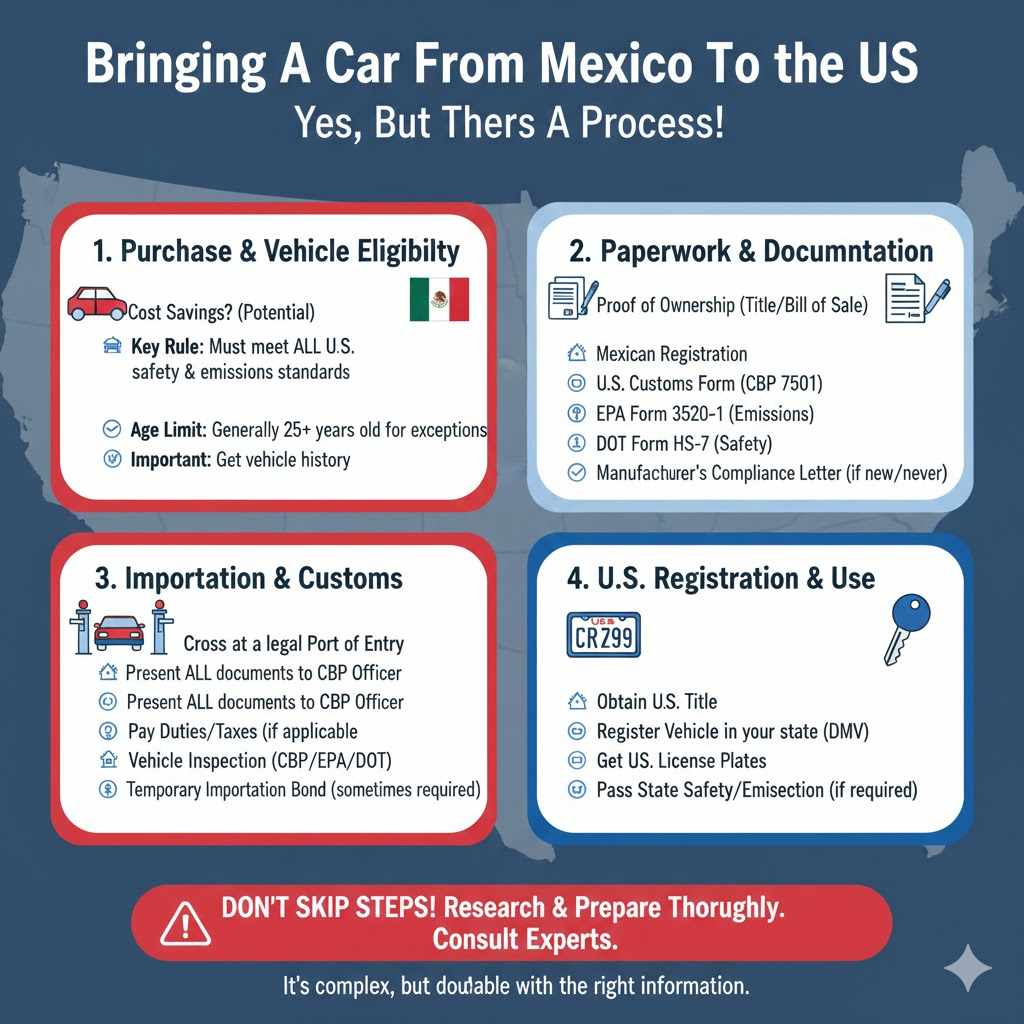
Bringing A Car From Mexico To The US
It’s a question many people ask: Can You Buy A Car In Mexico And Bring It To The U.S.? Yes, it is possible, but it involves a specific process to ensure the vehicle meets U.S. standards and that all the paperwork is in order. Many individuals consider this route for potential cost savings, but the regulations can be confusing if you’re not familiar with them.
This guide breaks down the essential steps involved, from purchasing the vehicle to completing the importation.
Understanding Importation Laws
Importing a vehicle into the United States involves adhering to strict regulations set by various government agencies. These laws are in place to ensure that vehicles meet safety and environmental standards. Understanding these requirements is the first key step for anyone considering bringing a car from Mexico into the U.S. Without this knowledge, the process can lead to unexpected delays and costs.
Vehicle Safety Standards
The National Highway Traffic Safety Administration (NHTSA) oversees vehicle safety standards in the U.S. Any vehicle imported must comply with these standards. This means the car’s safety features, such as airbags, seatbelts, and crashworthiness, must meet U.S. requirements. Older vehicles often have different rules, and it’s important to check the specific year of the car you are interested in.
NHTSA Compliance For Vehicles
To comply with NHTSA, a vehicle must have a certification label from its original manufacturer stating it meets U.S. Federal Motor Vehicle Safety Standards (FMVSS). If the vehicle does not have this label, it might be considered a non-conforming vehicle. Such vehicles may require modification and inspection by a Registered Importer to meet U.S. standards. This process can be costly and time-consuming, so it’s often simpler to find vehicles that already meet these requirements.
Environmental Protection Agency Rules
The Environmental Protection Agency (EPA) regulates emissions standards for vehicles. Imported cars must meet these EPA standards to be allowed into the country. This involves ensuring the vehicle’s exhaust system and emissions control devices are compliant.
EPA Emission Requirements
Similar to safety standards, vehicles usually need an EPA compliance label indicating they meet U.S. emission requirements. If a vehicle lacks this label, it may need to undergo emissions testing and potentially modifications. The EPA has specific guidelines for different types of vehicles and engine sizes. Consulting the EPA’s website or an import specialist is crucial to determine compliance for your specific vehicle.
Customs and Border Protection Procedures
U.S. Customs and Border Protection (CBP) is the agency that physically processes the vehicle at the border. They verify all the documentation and ensure that all import regulations have been met.
Steps for CBP Processing
When you arrive at the border with your vehicle, you will need to present several documents to CBP. These typically include proof of ownership, bill of sale, and any required import forms from NHTSA and EPA. CBP officers will inspect the vehicle and its paperwork. If everything is in order, they will clear the vehicle for entry into the U.S.
The Purchase And Paperwork Process
Buying a car in Mexico and bringing it to the U.S. requires careful attention to the purchase and all necessary documentation. This is where many people encounter challenges if they are not prepared. The entire process hinges on having the correct paperwork from the start.
Finding A Vehicle In Mexico
Many types of vehicles can be purchased in Mexico. Popular choices include cars originally manufactured for the Mexican market or those manufactured in Mexico for export to other countries. It’s important to know the vehicle’s origin and its original market.
Types Of Vehicles Available
You can find a wide range of vehicles, from small sedans to trucks and SUVs. The availability will depend on the region in Mexico and the current market. Many vehicles sold in Mexico are also sold in the U.S., making them easier to bring across the border, provided they meet U.S. standards.
Required Documents For Purchase
When buying a car in Mexico, you will need specific documents to prove ownership. This typically includes a bill of sale (factura) and the vehicle’s registration. Ensuring these documents are legitimate and correctly filled out is critical for the U.S. import process.
The Importance Of The Factura
The “factura” is the official Mexican sales receipt and is essential for proving legal ownership of a vehicle in Mexico. It is issued by the seller and should contain all the details of the transaction, including the buyer’s and seller’s information, vehicle identification number (VIN), make, model, and year. A clear and properly issued factura is fundamental for exporting the car.
Vehicle History And VIN Check
Before purchasing, it’s wise to get a vehicle history report, though these can be harder to obtain for Mexican market vehicles compared to U.S. market vehicles. Checking the VIN against any available databases can reveal past issues.
Mexican Registration And Exporting
The vehicle must be legally registered in Mexico. You will also need to ensure you have the proper temporary import permits or export permits if required by Mexican authorities to drive the car out of the country.
Bringing The Car Across The Border
Crossing the border with a vehicle requires preparation and knowledge of the procedures at the port of entry. This is where all your paperwork will be reviewed.
Choosing A Port Of Entry
Some border crossings are better equipped to handle vehicle imports than others. It is often recommended to choose a larger port of entry that is accustomed to processing imported vehicles. These ports usually have more experienced customs officials and better resources.
Recommended Border Crossings
While many crossings can handle vehicle imports, popular choices for U.S. citizens returning with Mexican vehicles often include those in California, Arizona, Texas, and New Mexico. Researching specific ports of entry and their operating hours is a good idea.
Required Documentation At The Border
Upon arrival at the U.S. port of entry, you will need to present all your documentation. This includes the Mexican title or registration, the bill of sale (factura), and your identification. You will also need to complete U.S. Customs forms.
Key Documents To Have Ready
Key documents include proof of ownership from Mexico, the bill of sale, and potentially letters of compliance from NHTSA and EPA if the vehicle is not originally U.S. market. You will also need your passport and proof of residency in the U.S.
Customs Declaration And Duties
When you declare the vehicle to U.S. Customs and Border Protection, you will need to provide all the information about the purchase and the vehicle. Depending on the vehicle’s age and origin, you may be subject to import duties.
Understanding Import Duties And Taxes
Import duties are taxes levied on goods brought into a country. For vehicles imported from Mexico, the duty rate can vary. Generally, vehicles that are U.S.-made or Canadian-made and meet U.S. trade agreement rules may have reduced or no duty. However, for most other vehicles, you can expect to pay a percentage of the vehicle’s value. The exact rate can be found on U.S. CBP’s website.
Vehicle Inspections
CBP will inspect the vehicle to verify its identity and ensure it matches the provided documentation. They will check the VIN and look for any signs of tampering or issues.
Registering Your Imported Vehicle In The U.S.
After successfully importing the vehicle, the final step is to register it in your home state. This process varies by state but generally requires proof of ownership and compliance with state-specific requirements.
State Motor Vehicle Department
Each state has its own Department of Motor Vehicles (DMV) or equivalent agency that handles vehicle registration. You will need to visit your local DMV office to complete the process.
Requirements For Registration
To register the car, you will typically need the U.S. Customs entry form (Form 7501), proof of ownership (the Mexican title and bill of sale), proof of insurance for the vehicle, and often a vehicle inspection certificate. Some states may also require emissions testing.
Emissions And Safety Inspections
Many states require vehicles to pass an emissions test and a safety inspection before they can be registered. If the vehicle was not originally sold in your state, these inspections are especially important.
Ensuring State Compliance
If your vehicle does not meet your state’s emissions or safety standards, you may need to make modifications. This is particularly true for vehicles that were not originally manufactured for the U.S. market.
Obtaining A U.S. Title
Once you have met all the state requirements, you will be issued a U.S. title for your vehicle. This title legally registers the vehicle in your name and in your state.
Navigating Challenges And Tips
Importing a vehicle can present challenges. Being aware of common issues and having a strategy can make the process smoother.
Common Roadblocks
One of the most common issues is having incomplete or incorrect paperwork. Another challenge can be ensuring the vehicle meets U.S. safety and emissions standards, especially for vehicles not originally intended for the U.S. market. Mexican vehicles that are significantly different from their U.S. counterparts might require substantial modifications.
Tips For A Smoother Process
Do Your Research Thoroughly Before you even consider buying, research the specific vehicle you want and its compliance with U.S. standards. Check NHTSA and EPA websites for lists of compliant vehicles or import requirements.
Get A Professional Opinion If you’re unsure about a vehicle’s compliance, consult with a Registered Importer or an import specialist. They can help you assess potential modification costs and the feasibility of importing.
Verify All Paperwork Ensure your Mexican bill of sale (factura) and title are accurate, complete, and legitimate. Any discrepancies can cause significant problems at the border.
Factor In All Costs Beyond the purchase price, include potential costs for transportation to the border, customs duties, import fees, state registration, inspections, and any necessary modifications.
Case Study A Successful Import
Maria wanted to buy a sturdy pickup truck she saw advertised in Mexico. She spent weeks researching its VIN and ensuring it met U.S. safety and emissions standards. She worked with a customs broker who confirmed all her paperwork was correct. At the border, the process was straightforward because she had all the right documents. She paid the import duty and then easily registered the truck in her home state after a quick safety inspection.
Sample Scenario Of A Difficult Import
John found a classic European sports car being sold in Mexico. He loved the car and its unique features. However, when he tried to import it, he discovered it did not meet U.S. emissions standards for its model year, and modifications would be extremely expensive. He also found that U.S. Customs had strict rules for vehicles that weren’t originally sold in the U.S., and the paperwork was much more complex. John had to abandon his purchase because the cost and effort to make it compliant were too high.
Statistics On Vehicle Imports
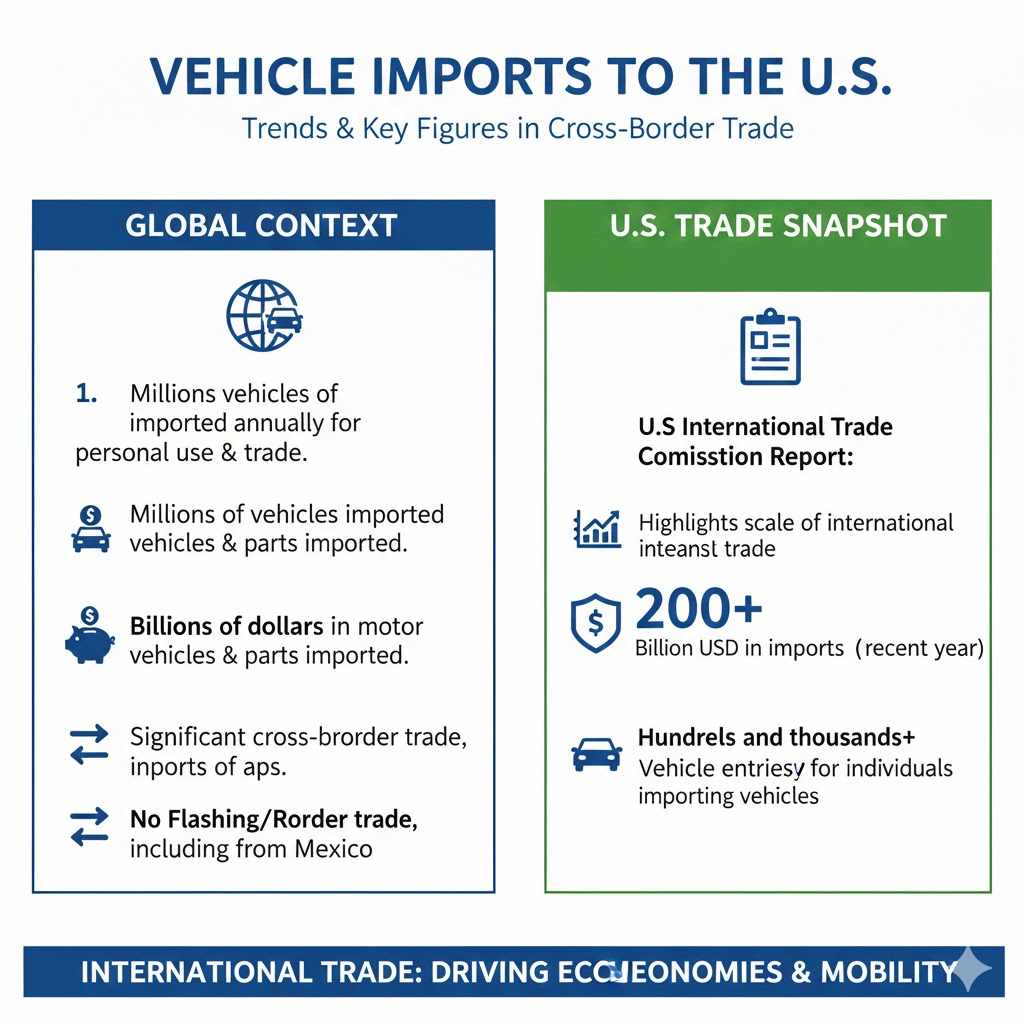
While specific statistics for vehicles imported from Mexico to the U.S. can be niche, general trends in vehicle imports provide context. The U.S. imports millions of vehicles annually, with a significant portion being for personal use or as part of cross-border trade.
A U.S. International Trade Commission report indicated that in a recent year, the U.S. imported billions of dollars worth of motor vehicles and parts. This highlights the scale of international vehicle trade.
Customs and Border Protection processes hundreds of thousands of vehicle entries each year. While exact numbers for Mexico-specific imports for personal use are not always publicly detailed, it’s a recognized pathway for many individuals.
Frequently Asked Questions
Question: Can I bring any car from Mexico to the U.S.?
Answer: Not necessarily. The car must meet U.S. safety and environmental standards.
Vehicles not originally manufactured for the U.S. market may require modifications, which can be costly.
Question: What is the most important document when buying a car in Mexico?
Answer: The most crucial document is the “factura,” which is the official Mexican sales receipt. It proves legal ownership and is essential for U.S. import procedures.
Question: Do I have to pay taxes when bringing a car from Mexico?
Answer: Yes, you may have to pay import duties and taxes. The rate depends on the vehicle’s value, origin, and whether it qualifies for any trade agreements. U.S.
Customs and Border Protection can provide the exact rates.
Question: How long does it take to register an imported car in the U.S.?
Answer: The time can vary. After clearing customs, you’ll need to go to your state’s DMV. The registration process itself might take a day or two, but gathering all required documentation and passing inspections could take longer.
Question: Can a U.S. citizen buy a car in Mexico and bring it back easily?
Answer: It’s possible, but it requires careful planning and attention to detail. You must follow all U.S. import laws regarding safety, emissions, and paperwork.
It is not always a simple or quick process.
Wrap Up
Bringing a car from Mexico to the U.S. is possible, but it requires careful attention to safety and emissions standards. Always secure the correct Mexican paperwork, like the factura, and prepare for U.S. Customs and Border Protection inspections. Your state’s registration will also have specific requirements. Do your homework to ensure a smooth transition.