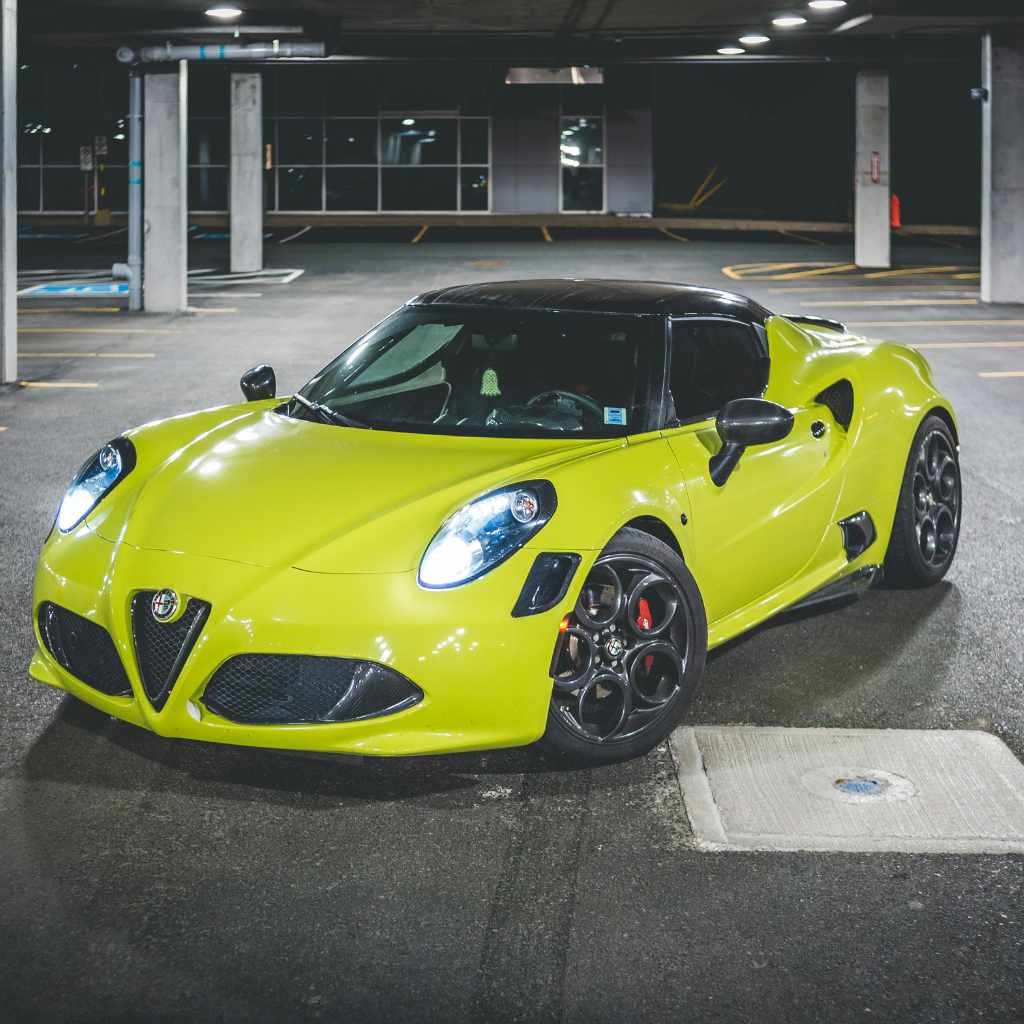
Is Alfa Romeo a Luxury Car? An In-Depth Explanation
Yes, Alfa Romeo is a luxury car brand, though its luxury leans driver-first rather than plush-isolation-first, so it competes best with entry-level BMW, Mercedes-Benz, and Audi models. Miss that split and you can compare the wrong trim levels, pay for features you will not use, or overlook the ownership costs that come with a niche brand. This guide breaks down Alfa Romeo’s lineup model by model, stacks it against German rivals, and weighs comfort, tech, prestige, and long-term ownership.
How Alfa Romeo measures up against German luxury rivals
Alfa Romeo fits best as a luxury brand with a premium, near-luxury edge. It earns that label through chassis tuning, design, and performance character, but it does not match the best-in-class polish, rear-seat room, dealer depth, or broad trim range of the German luxury leaders.
What luxury buyers should measure
Luxury is more than leather on the dash. For a shopping decision, the useful markers are materials and cabin finish, performance and chassis tuning, technology and driver interface, brand prestige, and service or ownership experience.
Alfa Romeo does well on the first three, especially in driver feel. It falls behind on the last two, where BMW, Mercedes-Benz, and Audi usually bring broader dealer coverage, more mature infotainment ecosystems, and a more consistent ownership experience.
| Model | Materials | Performance | Technology | Brand prestige | Practicality | Buyer fit |
|---|---|---|---|---|---|---|
| Giulia | 4/5 | 5/5 | 4/5 | 3/5 | 2/5 | Best for an enthusiast sedan buyer who wants sharp steering and a luxury badge without a large-size footprint. |
| Stelvio | 4/5 | 5/5 | 4/5 | 3/5 | 3/5 | Best for a driver who wants SUV utility but still cares about road feel, cornering balance, and responsive acceleration. |
| Tonale | 3/5 | 3/5 | 3/5 | 2/5 | 4/5 | Best for a shopper who wants an upscale compact crossover with standard AWD and a more distinctive look than mainstream rivals. |
What Alfa Romeo sells in the U.S.
Alfa Romeo USA markets the brand as “Luxury Italian Sports Cars & SUVs.” In the current U.S. lineup, the Giulia is the luxury sedan, the Stelvio is the midsize SUV, and the Tonale is the premium compact SUV.
The lineup is small, and that matters. A narrow portfolio can sharpen brand identity, but it also means fewer body styles, fewer configurations, and less dealer density than the German competitors.
📊 Car and Driver calls Alfa Romeo vehicles "characterful compact luxury SUVs" and notes the brand’s return to the North American market in 2017. Source: Caranddriver.
Why does Alfa Romeo feel luxurious to drivers?
Alfa Romeo feels luxurious because it is tuned around motion, not only quietness. The steering, chassis balance, and throttle response are calibrated to give the driver more feedback and involvement than many mainstream-premium crossovers, which makes the car feel special even when the cabin is not the most isolated in the segment.
Italian design and heritage
Alfa Romeo is an Italian brand founded in 1910, and that identity still shapes how its cars are presented. The motorsport link matters here because it supports a performance-first brand image, which is part of luxury for buyers who want emotion, not only equipment. (Wikipedia)
That image does not replace product content. It works because the cars back it up with styling and chassis tuning that feel more deliberate than generic entry-luxury transportation.
Chassis tuning over pure isolation
Alfa Romeo’s luxury case is strongest where the car reacts quickly and cleanly. The brand does not try to win on floaty suspension softness or ultra-calm cabin hush alone. It aims for crisp turn-in, tidy body control, and a more expressive drive.
Say your daily commute includes a tight ramp, a rough city street, and a sweeping on-ramp. In an Alfa Romeo, you are paying for the way the car changes direction and settles afterward, not for a pillow-soft ride at every speed.
How that changes the driving experience
That setup changes the ownership feel. A driver-first luxury car can feel more rewarding than a comfort-first rival on a back road or an empty cloverleaf, while still carrying the badge and cabin features expected in the segment.
A common first-timer mistake is assuming all luxury cars should feel equally hushed and detached. Alfa Romeo takes a different route, so the right comparison is not “most plush,” but “most engaging while still wearing a luxury badge.”
How do the Giulia, Stelvio, and Tonale compare?
The three models do not deliver the same kind of luxury. The Giulia is the clearest luxury sedan, the Stelvio is the strongest all-around luxury SUV in the lineup, and the Tonale is the entry point that leans more premium than near-luxury by class standards.
Giulia versus BMW 3 series, Mercedes-Benz C-Class, and Audi A4
The 2026 Giulia is described as a “luxury sedan,” and the specs support that claim. It uses an all-aluminum 2.0L turbocharged I4, makes 280 maximum horsepower, offers rear-wheel drive or available all-wheel drive, and includes a 12.3-inch color digital cluster display plus an 8.8-inch multitouch display with interactive widgets.
That puts it squarely in the entry-luxury sedan fight with the BMW 3 Series, Mercedes-Benz C-Class, and Audi A4. Against those rivals, Alfa Romeo is usually strongest in steering feel and chassis personality. It is usually weaker in rear-seat space, infotainment breadth, and the sense of broad-market polish that German brands often deliver.
For a buyer who wants the sedan to feel alive at normal speeds, the Giulia has a real case. For a buyer who wants the quietest cabin, easiest dealer access, and the most established luxury hierarchy, the German trio still sets the benchmark.
Stelvio versus compact and midsize luxury SUVs
The Stelvio is positioned as a midsize SUV with daily utility, and its hardware gives it a luxury-leaning argument. It has a maximum of 280 horsepower, comes standard with all-wheel drive, and offers an available limited-slip rear differential. The Alfa Romeo Veloce package adds a more assertive performance angle.
Compared with compact and midsize luxury SUVs from BMW, Audi, and Mercedes-Benz, the Stelvio stands out for steering precision and road manners. It is less compelling if the buyer wants class-leading rear-seat space, maximum cargo flexibility, or the softest ride in the segment.
That tradeoff matters. The Stelvio is a luxury SUV for drivers who still care about cornering balance, not just a raised seat and a premium badge.
Tonale versus premium compact crossovers
The 2026 Tonale is described as a “premium compact SUV,” and that wording is careful. It is reported to have up to 268 horsepower, standard all-wheel drive, a nine-speed automatic transmission, and a sport-tuned suspension. Those details make it feel more upscale than a mainstream compact crossover, but the cabin and brand cachet do not quite reach the level of the best German luxury entries.
For a shopper cross-shopping an Audi, BMW, or Mercedes compact SUV, the Tonale works best if style and personality matter more than badge prestige and rear-seat generosity. It is a premium choice with luxury ambitions, not an ultra-polished benchmark.
Luxury benchmark by model
- Giulia: strongest luxury sedan in the lineup; best for driving feel and daily solo use.
- Stelvio: best blend of luxury and utility; strongest fit for buyers who want an SUV that still feels sporty.
- Tonale: the most accessible premium SUV; best for shoppers who want standard AWD and a distinctive badge in a compact footprint.
Is Alfa Romeo worth the money for luxury buyers?
For the right buyer, yes. Alfa Romeo can be good value if your priorities are style, handling, and a more emotional driving experience than most entry-luxury rivals provide. If you want the most complete luxury ownership package, the Germans still make a stronger case.
Price versus equipment
Alfa Romeo is often cheaper than many German luxury rivals at similar horsepower and equipment levels. That can make the brand look like a bargain, but value depends on what you want to buy. If your checklist is steering feel, standard or near-standard performance hardware, and distinctive design, Alfa Romeo can score well.
If your checklist is expansive rear-seat room, deep trim walking, and the broadest menu of comfort features, the value case weakens. The money saved up front can disappear if you end up wanting a larger or better-equipped competitor.
Warranty, maintenance, and depreciation
Luxury ownership is not only about the sticker price. Maintenance, warranty coverage, and depreciation matter, especially for a niche brand. Alfa Romeo buyers should expect higher long-term cost sensitivity than they would with a mass-market brand, and depreciation can be harder to forecast because the buyer pool is smaller.
Reliability concerns are commonly raised in this segment, and that caution is reasonable. Even when a specific car is well built, a smaller dealer network can make repairs, scheduling, and parts access less convenient than what BMW, Mercedes-Benz, and Audi buyers often experience.
Who gets the best value from the brand
Alfa Romeo makes the most sense for an enthusiast luxury buyer who values feel over fluff. It is a better fit if you drive often, notice steering response, and want the cabin to feel special without demanding ultra-luxury quiet or maximum rear-seat room.
It is a weaker fit for a comfort-first buyer, a family that needs back-seat space, or someone who wants the broadest service network. In those cases, the German competitors are usually the safer buy.
- Choose the Giulia if you want a luxury sedan with the sharpest driver focus in the range.
- Choose the Stelvio if you want the best balance of luxury, utility, and chassis feel.
- Choose the Tonale if you want the most accessible Alfa Romeo SUV and can live with a smaller prestige step.
- Compare dealer access and service convenience before you sign, because ownership experience matters more with a niche brand.
- Buy Alfa Romeo if you care more about driving character than the most polished rear seat or the most established badge hierarchy.
Frequently asked questions
Is Alfa Romeo a luxury car or a premium brand?
Alfa Romeo is best described as a luxury brand with premium or near-luxury leanings, depending on the model. The Giulia and Stelvio make the strongest luxury case because of their chassis tuning, performance hardware, and cabin presentation. The Tonale sits a step lower, closer to premium than full luxury.
How does Alfa Romeo compare to BMW, Audi, and Mercedes-Benz?
Alfa Romeo competes best with entry-level BMW, Audi, and Mercedes-Benz models. It usually wins on emotional driving feel and distinctive styling, but it trails the German trio in rear-seat room, dealer reach, and the breadth of refinement buyers expect from established luxury leaders.
What makes the Giulia and Stelvio luxury vehicles?
The Giulia and Stelvio earn their luxury status through performance-oriented engineering, upscale cabin materials, and the way they communicate with the driver. The Giulia’s 280 maximum horsepower, standard rear-wheel drive, available all-wheel drive, and digital displays support that case, while the Stelvio adds SUV utility and standard all-wheel drive.
Is the Alfa Romeo Tonale considered luxury?
The Tonale is better described as a premium compact SUV than a full luxury benchmark. It has standard all-wheel drive, a nine-speed automatic transmission, a sport-tuned suspension, and up to 268 horsepower, but it does not carry the same brand prestige or cabin depth as the stronger German compact luxury rivals.
Does Alfa Romeo have luxury-level interiors and technology?
Yes, but with limits. The Giulia brings a 12.3-inch color digital cluster display, an 8.8-inch multitouch display with interactive widgets, and an available 14-speaker Harman Kardon premium audio system. The cabin can feel upscale, yet the brand still trails BMW, Audi, and Mercedes-Benz in overall tech breadth and interior polish.
Are Alfa Romeo cars worth the money for luxury buyers?
They can be, if you want a more engaging drive than most entry-luxury rivals deliver. The value case is strongest for enthusiasts shopping the Giulia or Stelvio. If you prioritize rear-seat space, long-term service convenience, or the broadest luxury experience, a German rival is usually the safer spend.
Is Alfa Romeo reliability an issue for luxury ownership?
It can be a concern, and it should be part of the decision. Reliability questions, maintenance costs, and depreciation are all more important when the brand has a smaller dealer network. Buyers should plan for those ownership realities rather than assuming the luxury badge alone will offset them.
Products related to this article
Sponsored / affiliate links. As an Amazon Associate I earn from qualifying purchases. I may earn additional commission from eligible campaigns.