Can You Co Own a Car: Genius, Effortless Guide
Yes, you can absolutely co-own a car! It’s a smart way to share costs and responsibilities for a vehicle, making car ownership more accessible and manageable. This guide breaks down everything you need to know to make it work smoothly.
Ever found yourself wishing you had a car, but the price tag felt a little too high? Or maybe you have a car that mostly sits idle, and you think someone else could use it? Sharing a car – or co-owning one – is a fantastic solution! It’s not as complicated as it sounds, and it can save you a good amount of money and hassle. We’ll walk through it step-by-step, making sure you feel confident about this smart approach to getting around.
What Does It Mean to Co-Own a Car?
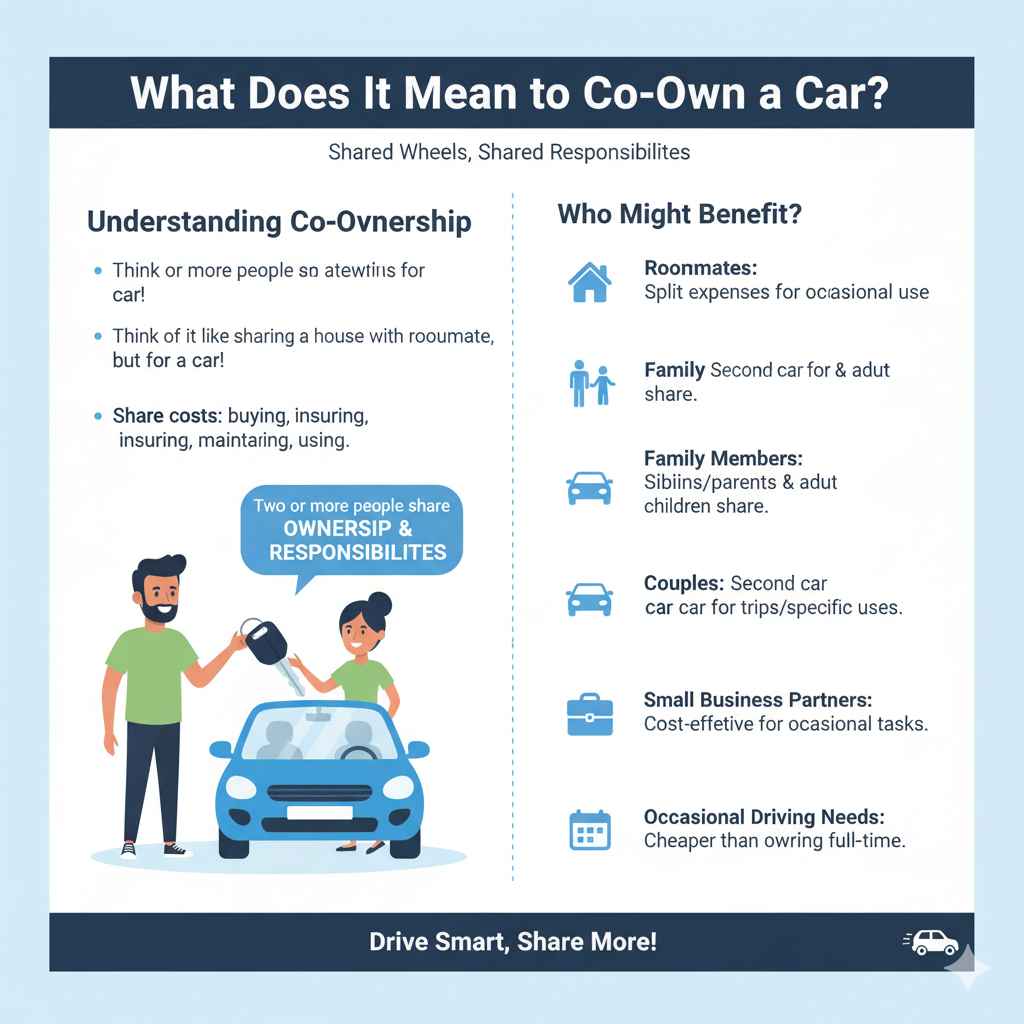
Co-owning a car means two or more people share ownership and responsibilities for a single vehicle. Think of it like sharing a house with a roommate, but for a car. Everyone involved has a stake in the car, and they typically share the costs of buying it, insuring it, maintaining it, and using it. It’s a flexible arrangement that can work for families, friends, or even roommates.
Who Might Benefit from Co-Owning a Car?
Co-ownership isn’t for everyone, but it can be a game-changer for specific situations. Here are some common scenarios where it shines:
- Roommates: If you and your roommates don’t need a car every single day, sharing one can cut down on expenses for everyone.
- Family Members: Siblings, or even parents and adult children, might find co-ownership convenient, especially if driving needs overlap or one person is just starting out.
- Couples with Separate Vehicles: Some couples prefer to co-own a second car for specific uses (like family trips) rather than each owning a separate vehicle.
- Partners in a Small Business: If a business needs a vehicle for occasional tasks but doesn’t warrant a dedicated company car, co-ownership can be a cost-effective solution.
- Those with Occasional Driving Needs: If you only need a car a few times a week or month, co-owning with someone who has similar needs can be much cheaper than owning your own.
Is Co-Owning a Car Legal?
Absolutely! Co-owning a car is perfectly legal. The key is to have a clear, written agreement that outlines who owns what percentage, who is responsible for which costs, and how the car will be used. This agreement protects everyone involved and prevents misunderstandings down the road.
When you register a car, you can list multiple owners. Insurance companies also accommodate co-ownership. The specific steps can vary slightly by state or province, so it’s always a good idea to check with your local Department of Motor Vehicles (DMV) or equivalent agency for any specific requirements.
Pros and Cons of Co-Owning a Car
Like any major decision, sharing a car has its upsides and downsides. Weighing them carefully will help you decide if it’s the right path for you.
The Upsides (The Genius Part!)
- Reduced Costs: This is the biggest draw. You can split the purchase price, insurance premiums split among owners, and sometimes even maintenance and repair bills. This makes driving a newer or more feature-rich car more achievable.
- Less Responsibility (Shared): Instead of the entire burden of car ownership falling on one person, it’s divided. This means less stress about who handles registration, insurance payments, or finding time for oil changes.
- Environmental Friendliness: Fewer cars on the road mean less pollution and a smaller carbon footprint. Car sharing is a green choice!
- Increased Access to Vehicles: If you and your co-owner have different schedules or needs, you might have access to a vehicle when the other person doesn’t need it.
- Learning Opportunity: For newer drivers or those less familiar with car maintenance, co-owning with a more experienced person can be a great way to learn about upkeep and responsible car care.
The Downsides (Things to Watch Out For)
- Potential for Disagreements: Differing opinions on car care, usage schedules, or who pays for what can lead to conflict if not managed properly.
- Usage Conflicts: You both might need the car at the same time, leading to scheduling headaches or one person having to compromise.
- Wear and Tear: More frequent use by multiple drivers can lead to faster wear and tear on the vehicle, potentially increasing maintenance needs.
- Insurance Complications: While legal, insurance policies can sometimes be complex with multiple owners listed, and premiums might be higher than for a single owner depending on driving histories.
- Liability Issues: If one owner causes an accident or gets a ticket, it could potentially affect all listed owners.
How to Co-Own a Car: Your Step-by-Step Guide
Ready to dive in? Here’s how to set up a co-owned car situation successfully.
Step 1: The Big Talk – Agree on Everything
Before you even look at cars, sit down with your potential co-owner(s) and have an open, honest conversation. Cover these crucial points:
- Budget: How much can everyone realistically afford for the car purchase, and for ongoing costs like insurance, gas, maintenance, and repairs?
- Car Choice: What kind of car meets both your needs? Consider fuel efficiency, size, reliability, and how often each person will use it. Resources like NHTSA’s consumer resources can help you understand vehicle safety features.
- Usage Schedule: How will you decide who gets the car when? Will you have a shared calendar? What happens if plans conflict?
- Financial Contributions: Who will pay for what? Will contributions be split equally, or based on usage? Will one person front the money for the purchase? How will reimbursement work?
- Maintenance and Repairs: Who is responsible for scheduling routine maintenance (oil changes, tire rotations)? Who approves and pays for unexpected repairs?
- Insurance: Who will be the primary policyholder? How will the premium be split?
- End-of-Life/Sale: What happens if one person wants to sell their share, or if the car needs to be sold? How will the proceeds be divided?
Step 2: Draft a Co-Ownership Agreement
This is the most important step to prevent future headaches. A written agreement makes everything official and clear. You don’t need a lawyer for this, but it should be detailed. Here are key elements to include:
Essential Components of a Co-Ownership Agreement:
| Section | What to Include |
|---|---|
| Parties Involved | Full legal names and contact information of all co-owners. |
| Vehicle Details | Year, make, model, VIN (Vehicle Identification Number) of the car. |
| Ownership Percentage | Clearly state each owner’s percentage of ownership (e.g., 50/50, 60/40). |
| Financial Responsibilities |
|
| Usage Agreement |
|
| Maintenance and Repair Protocol |
|
| Insurance Policy Details |
|
| Dispute Resolution | How disagreements will be handled (e.g., discussion, mediation). |
| Exit Strategy/Termination |
|
| Signatures and Dates | All co-owners must sign and date the agreement. Consider having it notarized for extra legal standing. |
While you can find templates online, tailoring it to your specific situation is vital. Ensure it covers all the unique aspects of your arrangement.
Step 3: Purchase the Car and Secure Insurance
Once your agreement is in place, you can proceed with buying the car. Decide how the purchase will be financed (cash, loan) and how payments will be made according to your agreement.
Similarly, securing insurance is crucial. You’ll need to inform the insurance company that there are multiple owners. They will typically ask for the details of all registered owners who will be driving the car. You might consider adding all drivers to the policy to ensure proper coverage. Shop around to find the best rates for your co-owned vehicle. Resources like the Insurance Information Institute offer great primers on auto insurance.
Step 4: Registration and Title
When registering the car, you can usually list multiple owners on the title and registration documents. The process varies by state, so contact your local DMV or equivalent agency for the exact requirements. They will guide you on how to complete the paperwork when there are co-owners.
Step 5: Establish a System for Usage and Maintenance
This is where living by your agreement comes into play. Set up a shared calendar or a simple communication method (like a group text) for booking car use. Be respectful of each other’s time and needs.
For maintenance, decide on a schedule. Who will track mileage for oil changes? Who books the appointments? Agree on a trusted mechanic or a budget for service. Keeping a logbook of all maintenance and repairs is a great practice for shared vehicles.
Making the Co-Ownership Work Smoothly
Beyond the legal and financial arrangements, the success of car co-ownership hinges on communication and respect. Here are some tips to keep things running harmoniously:
- Regular Check-ins: Schedule brief, informal talks occasionally to see how things are going. Address any minor issues before they become big problems.
- Be Flexible: Life happens. Sometimes you’ll need to be accommodating if your co-owner needs the car unexpectedly. This goodwill goes a long way.
- Keep it Clean: A general rule of thumb for shared spaces (and vehicles!) is to leave it as you found it, or even cleaner. This shows respect for your co-owner.
- Honest Communication: If something breaks or you’re running late, communicate it clearly and promptly. No one likes surprises.
- Stick to the Budget: If you agreed on a spending limit for fuel or minor repairs, stick to it. Unapproved overspending can cause friction.
Tools and Resources for Co-Owners
Leverage technology to make co-owning easier:
- Shared Calendars: Google Calendar, Outlook Calendar, or even a simple shared digital diary can help manage who is using the car and when.
- Budgeting Apps: Apps like Splitwise or shared spreadsheets can help track who owes whom for gas, maintenance, or insurance.
- Vehicle Maintenance Apps: Many apps can help track mileage, schedule service reminders, and log maintenance history.
- Digital Document Storage: Keep your co-ownership agreement, insurance information, and registration documents accessible in a cloud service like Google Drive or Dropbox.
Dealing with Common Co-Ownership Challenges
Even with the best plans, you might encounter bumps in the road. Here’s how to navigate them:
Challenge: Disagreements Over Repairs
Solution: Refer to your co-ownership agreement. If it specifies a spending limit requiring consensus, adhere to that. For urgent repairs, agree on a process for quick decision-making. If it’s for routine maintenance, one person might handle it and get reimbursed according to the agreement.
Challenge: One Person Isn’t Contributing Financially
Solution: This is where your written agreement is your best friend. If one party is consistently falling short, it’s time for a direct conversation. Revisit the agreement and discuss how to get back on track. If issues persist, you may need to consider dissolving the co-ownership arrangement.
Challenge: Scheduling Conflicts
Solution: Use your shared calendar religiously. If a conflict arises, try to negotiate. Can one person shift their plans? Is there an alternative transportation option for one of you? Remember that flexibility is key.
Challenge: Wear and Tear Concerns
Solution: Schedule regular maintenance more proactively. If one owner tends to drive more aggressively or for longer distances, they might agree to cover a slightly larger portion of maintenance or tire replacement costs, as outlined in your agreement.
Alternatives to Co-Ownership
If full co-ownership feels like too much commitment, or if your needs are more sporadic, consider these alternatives:
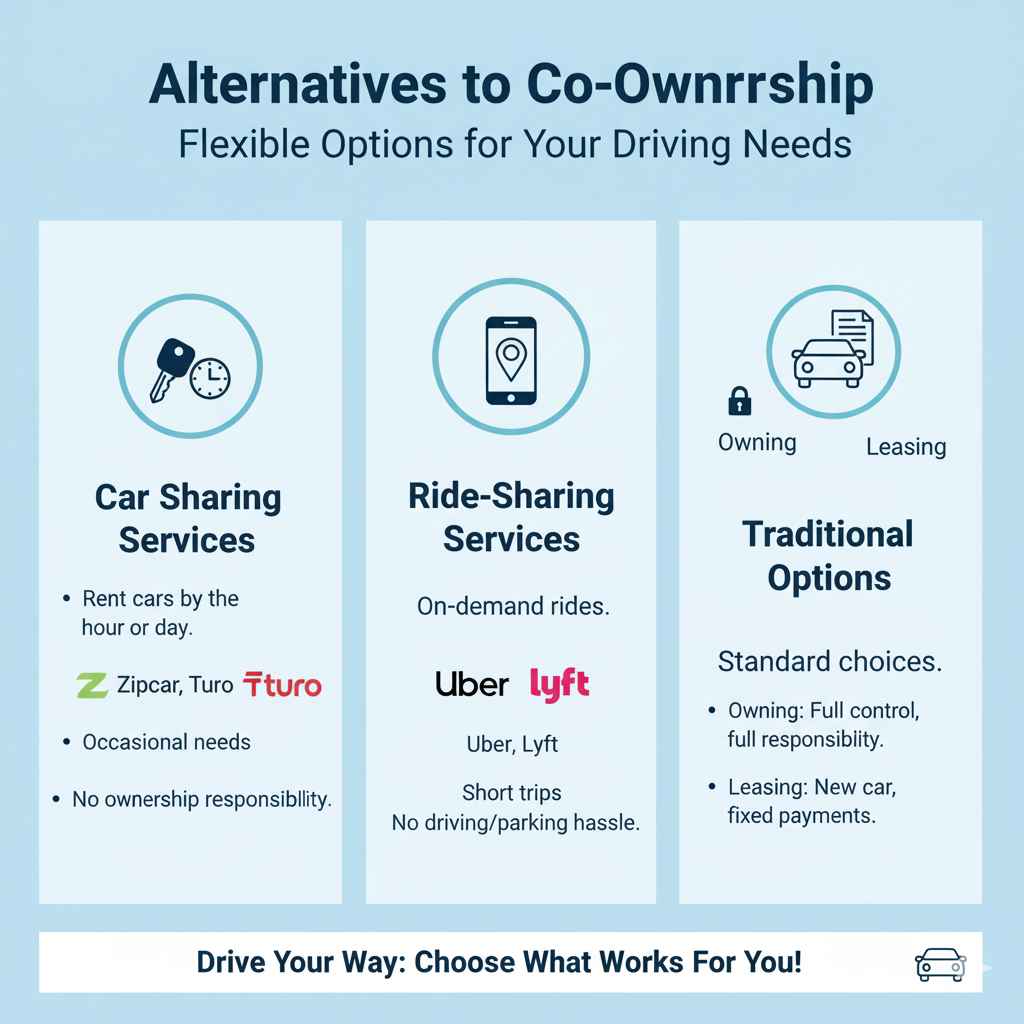
- Car Sharing Services: Companies like Zipcar or Turo allow you to rent cars by the hour or day. This is great for occasional needs without any ownership responsibility.
- Ride-Sharing Services: Uber and Lyft are convenient for short trips or when you don’t need a car for an extended period.
- Traditional Leasing/Owning Individually: These remain the standard options if sharing doesn’t fit your lifestyle.
Frequently Asked Questions (FAQ) about Co-Owning a Car
Q1: Can I add my friend or family member to my car insurance as a co-owner?
A: Yes, you can. When you add someone as a co-owner on the title and registration of the car, you can also list them on the insurance policy. This is often referred to as adding a driver or a named insured. Be sure to discuss coverage and premium splits with your insurance provider and your co-owner.
Q2: What happens if my co-owner gets into an accident?
A: If the co-owner is driving with your permission, your insurance policy will typically cover the accident. However, this can potentially lead to an increase in your insurance premiums and may affect your claims history. It’s crucial to have clear usage rules and ensure all drivers listed on the policy are responsible.
Q3: Do we need a lawyer to set up a co-ownership agreement?
A: Not necessarily. For simple co-ownership between close friends or family, a well-drafted agreement using a template and clear communication can suffice. However, if the financial stakes are high, or if you anticipate potential disputes, consulting a lawyer to draft or review the agreement can provide extra security and legal standing.
Q4: How is a co-owned car taxed?
A: Tax obligations vary by location. Generally, any sales tax would be paid at the time of purchase, potentially split between owners based on their contribution. Property taxes on vehicles, if applicable in your area, would also be shared. Consult your local tax authority for specific details.
Q5: What if one of us wants to sell our share?
A: This should be addressed in your co-ownership agreement. It might outline a process where the remaining owner has the first right of refusal to buy out the departing owner’s share, or it might detail how the car would be sold and the proceeds divided. Typically, departing owners sell their percentage ownership back to the remaining owner or to a new co-owner approved by all parties.
Q6: Can a co-owned car be financed with a loan?
A: Yes, it can, but it can complicate the loan process. All co-owners will likely need to be on the loan application and credit check. Lenders may require all co-owners to be listed on the title and insurance. The repayment of the loan will need to be managed according to your co-ownership agreement.