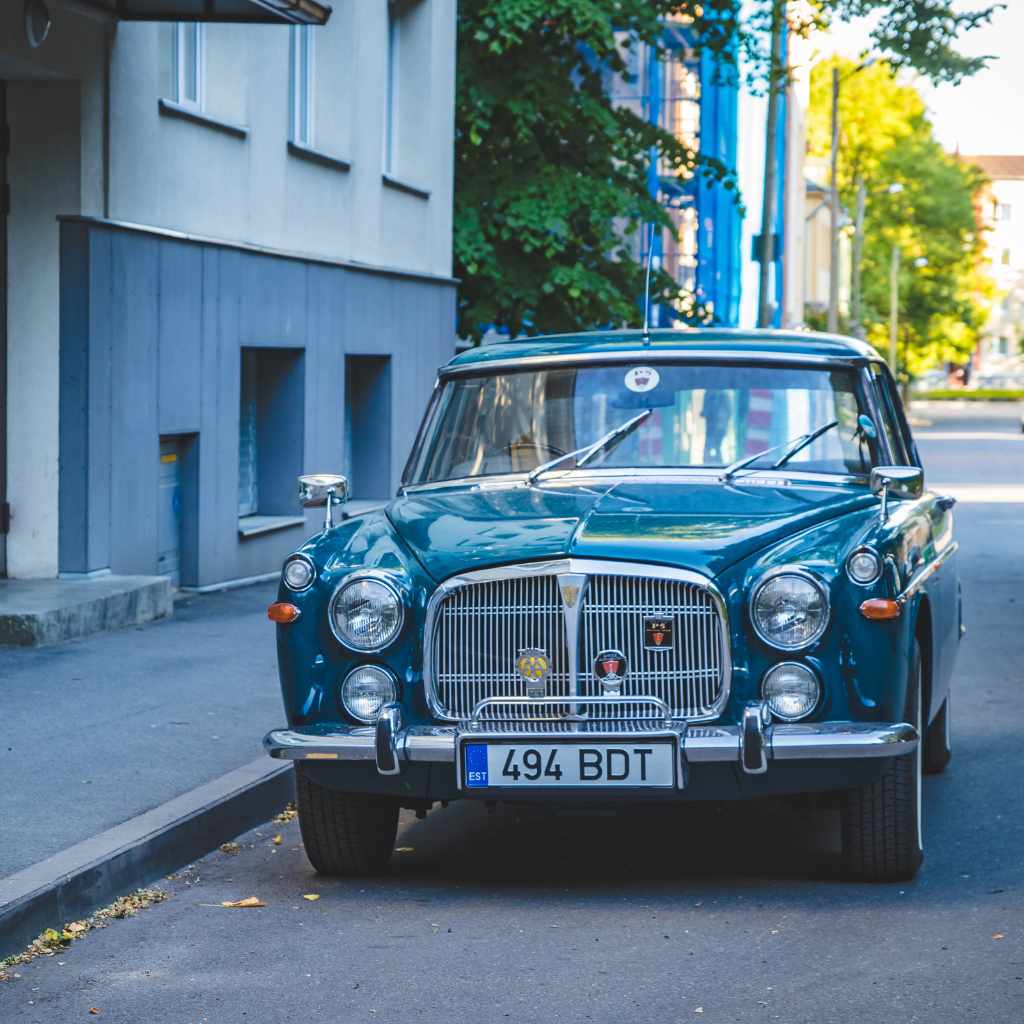
Can You Drive an Antique Car Everyday? Essential Tips Revealed
Have you ever wondered if you can actually drive an antique car every day? It’s a thrilling idea—imagine cruising down the street in a classic beauty that turns heads and sparks conversations.
But before you get behind the wheel, there are some important things you need to know. Your daily drive with an antique car isn’t just about style; it’s about safety, maintenance, and practicality. Keep reading, and you’ll discover the surprising truth about what it really takes to make your vintage ride part of your everyday life.
Antique Car Basics
Antique cars have a special place in automotive history. They offer a glimpse into the past and show how cars evolved. Understanding their basics helps decide if driving one daily is practical.
These cars differ from modern vehicles in many ways. Knowing their features and limits is important for safe and enjoyable use.
Defining Antique Cars
Antique cars are usually over 45 years old. They represent early designs and engineering styles. These cars often have unique shapes and simple technology. They are different from classic or vintage cars by age and design.
Collectors and enthusiasts prize antique cars. Their value comes from rarity and historical importance. Many countries have specific rules about what counts as an antique car.
Common Features And Limitations
Antique cars often lack modern safety features. They may not have seat belts, airbags, or advanced brakes. Their engines run on older technology, which can be less efficient.
Maintenance is more frequent and parts can be hard to find. Driving an antique car requires care and attention. These cars can be slower and less comfortable for daily use.
Weather and road conditions affect antique cars more. They may not handle well in rain or snow. Owners should consider these limits before driving regularly.

Daily Driving Challenges
Driving an antique car every day comes with many challenges. These cars were made long ago. Their design and technology do not match modern vehicles. Daily use can reveal issues that affect reliability, efficiency, safety, and comfort. Understanding these challenges helps you decide if daily driving an antique car suits your needs.
Mechanical Reliability
Antique cars often need more repairs than modern cars. Parts wear out faster due to age. Finding replacement parts can be difficult and costly. Older engines may not start easily in cold weather. Regular maintenance is a must to keep the car running. Unexpected breakdowns are common and can cause delays.
Fuel Efficiency Concerns
Most antique cars use more fuel than newer models. Their engines are not designed for fuel-saving technology. This leads to higher fuel costs every day. Antique cars may need specific types of fuel or oil. Fuel stations may not always carry these special products. Frequent trips to the gas station become a regular task.
Safety And Comfort Issues
Antique cars lack modern safety features like airbags and ABS brakes. This can increase the risk of injury during accidents. Seat belts might be missing or outdated. The ride can be bumpy due to old suspension systems. Heating and air conditioning may not work well. Long drives can become uncomfortable and tiring.
Maintenance Tips
Driving an antique car every day requires special care. These cars need more attention than modern vehicles. Proper maintenance keeps them running smoothly and safely. Simple habits help avoid costly repairs and breakdowns. Focus on key maintenance tips to enjoy your classic ride daily.
Regular Inspection Routines
Check your antique car often for signs of wear. Look at tires, brakes, and fluid levels. Inspect belts and hoses for cracks or leaks. Pay attention to unusual sounds or smells. Early detection prevents bigger problems. Set a schedule to inspect the car weekly or before long drives.
Sourcing Spare Parts
Finding parts for antique cars can be tough. Use trusted suppliers who specialize in vintage parts. Join classic car clubs to get recommendations. Sometimes, parts need to be custom-made or refurbished. Keep a small stock of common spare parts for emergencies. Proper parts help maintain the car’s value and function.
Working With Specialists
Antique cars need expert care. Mechanics with classic car experience know the right techniques. They understand old engines and delicate components. Build a relationship with a specialist for regular service and repairs. Trust experts to keep your car safe and reliable. Their skills protect your investment and passion.
Legal And Insurance Factors
Driving an antique car every day involves more than just passion. Legal and insurance factors play a big role. These rules keep you safe and your car protected. Understanding these points helps you avoid trouble on the road.
Registration Requirements
Antique cars often have special registration rules. Many states require you to label the car as “historic” or “antique.” This can limit how often and where you drive it. Some places allow only occasional use for parades or shows. Check local laws to ensure your car is registered correctly.
Insurance Options For Antique Cars
Insurance for antique cars differs from regular vehicles. Many insurers offer classic car policies with lower rates. These policies may have mileage limits and usage restrictions. They cover the car’s agreed value, not market value. This helps protect your investment while driving less.
Emissions And Compliance
Older cars may not meet current emissions standards. Some areas exempt antique cars from emissions testing. Others require special inspections or modifications. Knowing your region’s rules is important. Compliance ensures your car stays legal on public roads.
Driving Best Practices
Driving an antique car every day needs special care. These cars are unique and require gentle handling. Following best practices keeps the car safe and running smoothly.
Handling Techniques
Drive slowly and avoid sudden movements. Antique cars have older brakes and steering systems. Use gentle pressure on the pedals. Turn the steering wheel smoothly to prevent damage. Listen to the engine for unusual sounds. Regularly check gauges to spot problems early.
Parking And Storage Advice
Park your antique car in shaded or covered areas. Avoid places with heavy traffic or tight spaces. Use a soft car cover to protect the paint. Store the car in a dry, cool place. Keep it away from moisture to prevent rust. Use wheel chocks to avoid rolling on slopes.
Weather Considerations
Do not drive in heavy rain or snow. Antique cars lack modern weather protection. Use a garage to protect the car from harsh weather. In cold weather, warm up the engine before driving. Avoid salty roads to prevent rust. Check tire pressure regularly in changing temperatures.
Modern Upgrades
Modern upgrades make driving an antique car daily more practical. These changes improve safety and performance. They also help keep the car reliable on today’s roads. Upgrades can be subtle, keeping the classic look intact. They give drivers peace of mind and more comfort.
Safety Enhancements
Older cars lack many safety features found in modern vehicles. Adding seat belts is a simple but vital upgrade. Upgrading brakes to disc systems improves stopping power. Installing airbags may be difficult but increases safety. Modern lighting, like LED headlights, makes night driving safer. These changes reduce risks without changing the car’s style.
Performance Improvements
Engine upgrades help antique cars run smoother and cleaner. Electronic fuel injection can replace carburetors for better fuel use. Modern suspension parts improve ride comfort and handling. Upgraded cooling systems prevent overheating during long drives. These tweaks keep the car reliable for daily travel. The car feels more responsive and easier to drive.
Maintaining Originality
Preserving the car’s original look is important for many owners. Some upgrades are hidden to keep the classic design. Using original parts or replicas maintains authenticity. Modern technology can be added without changing the car’s appearance. This balance allows daily driving while respecting the car’s history. Antique cars remain beautiful and functional at the same time.
Community And Resources
Driving an antique car every day can be a unique experience. The community around these cars offers valuable help and support. Many resources exist to connect owners and enthusiasts. Sharing knowledge makes daily driving easier and more enjoyable.
Car Clubs And Events
Car clubs bring antique car lovers together. They host events where members show their cars. These gatherings are great for meeting others. You can learn tips on maintenance and driving. Events often include swap meets for parts. Car clubs build friendships and share advice.
Online Forums And Support
Online forums connect owners from all over the world. Members ask questions and share solutions. Forums cover repairs, parts, and driving tips. You can find guides and step-by-step help. These communities are active and quick to respond. They offer support anytime you need it.
Learning From Experienced Owners
Experienced owners have valuable knowledge to share. They know how to handle common problems. Listening to their stories saves time and money. Many are happy to mentor new drivers. Learning from experience helps avoid costly mistakes. This support builds confidence in everyday driving.

Frequently Asked Questions
Can You Drive An Antique Car Every Day Safely?
Yes, you can drive an antique car daily, but it requires careful maintenance. Antique cars lack modern safety features, so extra caution is essential on the road. Regular checks and gentle driving help preserve the vehicle’s condition while ensuring your safety.
What Maintenance Does An Antique Car Need For Daily Use?
Daily-driven antique cars need frequent oil changes, brake checks, and tire inspections. Regular lubrication and battery care are crucial. Keeping the car clean and storing it properly also helps prevent rust and mechanical wear, ensuring reliable performance.
Are Antique Cars Fuel-efficient For Everyday Driving?
No, antique cars are generally less fuel-efficient than modern vehicles. Their older engines consume more fuel and emit higher emissions. Daily driving can become costly, so budgeting for increased fuel expenses is important when considering an antique car for everyday use.
Do Antique Cars Require Special Insurance For Daily Driving?
Yes, daily-driven antique cars often need specialized insurance. Standard policies may not cover antique vehicles properly. Look for insurance that covers regular use, repair costs, and potential value loss, ensuring full protection while driving your classic car daily.
Conclusion
Driving an antique car every day takes effort and care. These cars need regular checks and special parts. Roads and weather can cause wear and tear. Fuel and insurance costs might be higher than usual. Still, many enjoy the unique feel and style.
It depends on your time, budget, and passion. Antique cars bring joy but need respect on the road. Choose wisely and enjoy the ride safely.