Can You Have a Car On Campus As A Freshman? Proven Rules
Yes, you often can have a car on campus as a freshman, but the key is understanding the specific, often strict, rules your college sets. Many universities limit freshman vehicle access due to parking scarcity, security concerns, and to encourage on-campus activities. Always check your school’s official housing or transportation website first for definitive rules before making any plans.
Starting college is exciting! You’re thinking about classes, making friends, and maybe even that first big freedom—driving your own car. But wait! Many new students wonder: can freshmen even bring cars to campus? It’s a common source of worry because the answer isn’t a simple yes or no. Parking spaces are tight, and schools have specific rules for first-year students. Don’t stress about penalties yet. As your trusted automotive guide, I’m here to simplify it all. We will walk through exactly how to find your school’s policy and what steps you need to take to make sure your vehicle is welcome. Let’s get the wheels turning correctly!
Why Colleges Have Freshman Car Restrictions
Before you argue with the campus police, it helps to know why colleges often say “no” to freshman cars. It usually boils down to simple logistics and community goals. Understanding the “why” helps you navigate their rules much better.
The Parking Crunch
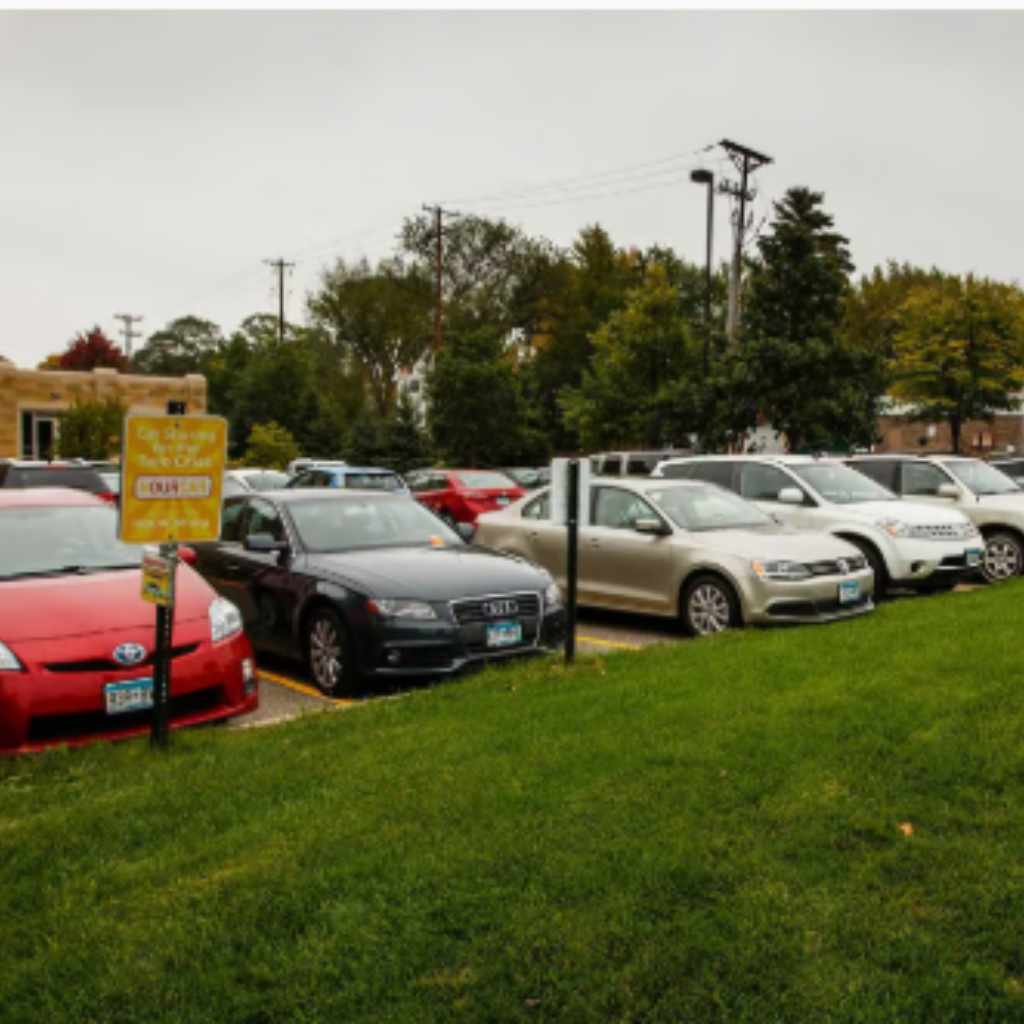
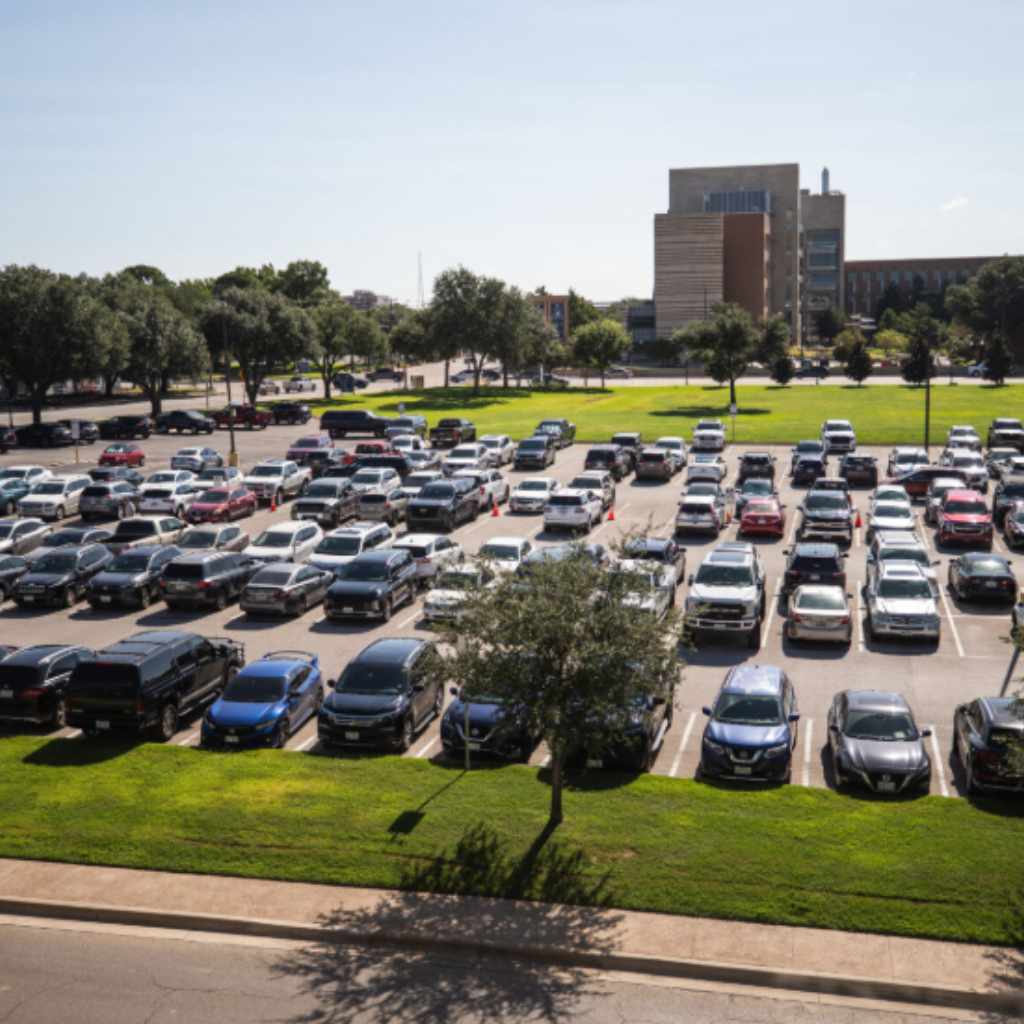
Think about how many students arrive on campus. Each one might want a parking spot. Most older campuses were simply not built to handle thousands of vehicles at once. This scarcity is the number one reason for freshman restrictions.
Promoting Campus Life
Many universities intentionally restrict cars for freshmen to encourage them to stay close to campus and get involved. They want you to walk, take the campus shuttle, join clubs, and meet people face-to-face—things that are harder to do when you can easily drive off-campus every night.
Safety and Security
Fewer cars mean less traffic congestion around dorms and better control over who is accessing residential areas. On large campuses, controlling vehicle access improves overall safety for students walking around after dark.
Step 1: Find Your School’s Official Policy (The Non-Negotiable First Step)
This is the single most important step. Every university handles this differently. What one school allows, another strictly forbids. You need the specific, official word from your college’s Transportation Services, Residence Life, or Parking Enforcement department.
Where to Look for the Rules
I recommend using specific search terms in your favorite search engine. Try combining your university name with these key phrases:
- “[University Name] freshman car policy”
- “[University Name] parking permit regulations first year”
- “[University Name] residence hall vehicle restrictions”
Check official sources like .edu websites. A great resource for general mobility information is the USA.gov guide to college living, although specific parking rules must always come from the school itself.
Reading the Fine Print: Key Terms to Spot
When you find the policy document (often a PDF), look for these common terms:
-
- Exemptions: Are there reasons you can register a car even if freshmen are usually banned? (e.g., commuting students, medical necessity).
- Permit Zones: Different lots have different costs and access levels. Freshman-only parking might be far away or use a special, often more expensive, permit.
- Registration Deadlines: If you are allowed a car, you usually must register it and buy a permit before moving in. Missing this deadline can mean no parking spot for the semester.
Step 2: Determine If You Qualify Under Common Freshman Exceptions
Even if the general rule is “No Cars for Freshmen,” many schools offer specific exceptions. If any of these apply to you, you have a strong case for bringing your vehicle.
The Commuter Exception
This is the most common exception. If you are living off-campus during your freshman year, most colleges require you to get a commuter parking permit, as you aren’t using valuable on-campus housing parking structures.
Medical Necessity
If you or a family member relies on your vehicle for necessary medical reasons (e.g., required accessibility equipment, storing regular medication, required travel to specialist appointments), the university will almost always provide an accommodation. You will need documentation from a doctor or the campus Disability Services office.
Special Circumstances (Rare but Possible)
Some schools allow exceptions for students who:
-
-
- Are over a certain age (e.g., 21+).
- Are married or have dependents living with them.
- Have highly specialized job requirements that mandate daily vehicle use.
-
Step 3: Understanding Parking Permits and Costs
If you get the green light to bring your car, your next hurdle is paying for and displaying the correct permit. This is where many newcomers run into costly mistakes.
Types of Campus Parking Permits
Parking is rarely just one flat fee. Colleges tier their permits based on convenience and proximity. Here is a typical breakdown:
| Permit Type | Typical Location | Pros | Cons |
|---|---|---|---|
| Residential/Dorm Permit | Lots directly adjacent to residence halls. | Extremely convenient. | Most expensive; strictly limited supply, often unavailable to freshmen. |
| Commuter Permit (Even if living on campus) | Larger lots, often requiring a shuttle ride. | Usually the most affordable option for permitted drivers. | Requires extra time for walking or taking the bus to class. |
| Overflow/Remote Lot Permit | Lots far off campus property (e.g., stadium parking during weekdays). | Guaranteed a spot if space is available. | Longest walk/commute time; requires diligence to follow shuttle schedules. |
Pro Tip: Always calculate the total cost. A $300 yearly permit seems cheaper than daily parking meters, but if you can’t park where you need to, the convenience loss might not be worth it.
Insurance and Registration Requirements
Bringing your vehicle onto campus requires the same legal steps as driving anywhere else, but universities often require proof of compliance.
-
-
- Valid Driver’s License: Must be current.
- Proof of Insurance: The university will require you to upload your insurance card showing coverage that meets the minimum state requirements. You can review how different states handle minimum coverage requirements through government sources, though your specific school might have higher internal demands.
- Vehicle Registration: The car generally needs to be properly registered. If you are keeping the car on campus for more than 30 days, you might need to update your state registration to reflect your new school address, depending on state laws.
-
Step 4: Evaluating the Real-World Pros and Cons of Having a Car
Before you commit to paying fees and hunting for spots, take an honest look at whether a car will actually make your freshman year easier or harder. For many students, especially those living directly on campus, the car becomes dead weight.
The Advantages (Why You Might Want It)
If you have a long commute, off-campus job, or specific needs, a car is a lifesaver:
-
-
- Easy Grocery Runs: No more balancing bags on a backpack or relying on friends.
- Weekend Freedom: Flexibility for visiting home or traveling nearby without relying on campus transportation schedules.
- Light Course Loads Early On: If you only have one 8 AM class, driving might be faster than waiting for the campus bus.
- Carrying Equipment: Essential for certain majors (like engineering or art) that require transporting large tools or supplies.
-
The Disadvantages (Why You Might Skip It)
These are the reasons most freshmen policies exist—be realistic about them:
-
-
- Cost, Cost, Cost: Permit fees, increased insurance premiums (if you add vehicle use), gas, plus inevitable parking tickets.
- The Parking Hunt: If you don’t have a premium permit, you could spend 20 minutes looking for a spot every single morning.
- Winter Woes: You are responsible for scraping ice, cleaning snow—and finding your car under a foot of white stuff after a storm.
- Maintenance Headaches: When the battery dies or you need an oil change, suddenly you’re stuck miles from your usual mechanic.
-
Making the Decision
Use this quick comparison chart to help guide your choice:
| If These Apply… | Bringing a Car is Probably a Good Idea |
|---|---|
| You live more than 2 miles from campus. | You need reliable transport for work/internships off-site. |
| Your dorm does not offer laundry services. | You have significant medical needs requiring personal vehicle use. |
Step 5: Navigating Transportation Options If You Don’t Bring a Car
If the rules say no, or if you decide the hassle isn’t worth it, don’t worry! College campuses are usually designed to make life easy without a personal vehicle.
Campus Shuttles and Buses
Most large universities invest heavily in internal shuttle systems. They usually run frequent routes between academic buildings, remote parking lots, and residence halls. Learn the routes before classes start!
Public Transportation Integration
Many colleges partner with city transit authorities. Often, your student ID grants you free or heavily discounted access to the city bus system. This is fantastic for trips downtown or to grocery stores outside the immediate campus area.
Ridesharing and Carpools
If you need to head home or out of town occasionally, coordinating with other students is often cheaper and easier than paying for parking. Apps like Uber or Lyft are usually readily available, although wait times near rural campuses can be long.
Step 6: What Happens If You Break the Rules? (The Penalty Check)
If you sneak a car onto campus without permission, assume you will be caught. Campus security patrols parking lots constantly, and they know exactly which cars belong to residents or staff with valid permits. The penalties are usually swift and expensive.
Common Penalties for Unauthorized Vehicles
-
-
- Immediate Ticketing: Fines can range from $25 to over $150 per offense. If you get multiple tickets, they stack up fast.
- Towing and Impoundment: If a vehicle is parked illegally (like in a reserved faculty spot or a fire lane) or accumulates several tickets, the university has the right to have it towed at your expense. Towing fees are substantial, often hundreds of dollars, plus daily storage fees.
- Loss of Privileges: In severe or repeated cases, you might lose the privilege to ever apply for parking permits in the future, even in later years when rules might relax.
-
A Word of Caution: Enforcement is rigorous because limited space is sold to those who follow policy. Don’t risk your freshman year finances on trying to beat a system designed to keep things fair for everyone.

Frequently Asked Questions (FAQ) for Freshman Car Owners
Q1: If my parents register the car in their name, can I still bring it to campus as a freshman?
A: No. The registration requirements are tied to where the vehicle is parked and who is driving/operating it. If you are bringing it to live with you at the university, you must follow the university’s rules for resident students, regardless of who owns the vehicle financially.
Q2: Does the rule about freshman cars usually apply to upperclassmen (Sophomores, Juniors)?
A: Often, rules loosen up for sophomores and become much easier for juniors and seniors! Many schools reserve the most limited parking spots for those who have been there longer, so if you can survive freshman year without the car, your chances improve significantly later.
Q3: If I am a commuter freshman, do I still need a parking permit?
A: Almost always, yes. Commuter permits are how the university tracks vehicles on campus during the day. Parking without one, even if you drive in just for class, will result in a ticket.
Q4: Can the university require me to use a specific type of insurance since I am parking on their property?
A: While they cannot dictate your specific insurance company, they absolutely can require you to meet minimum liability coverage levels that meet state law and their specific administrative requirements for on-campus incidents. Always verify your policy limits meet their stated requirements.
Q5: I’m moving in, but I plan to take the car home every weekend. Do I still need a permit?
A: If the vehicle will be parked overnight in a campus lot for any length of time, including brief periods between move-in and departure, you typically need a permit. Parking enforcement patrols evenings and weekends.
Q6: What is the difference between a residential permit and a general campus permit?
A: A residential permit specifically grants you parking privileges in lots designated for students living in dorms. A general or commuter permit usually allows parking in specific overflow lots that may require a longer walk to the residence halls.
Conclusion: Driving Forward with Confidence
Navigating the rules around bringing a car to campus as a freshman can feel like learning a whole new traffic code, but remember: you are capable of figuring this out! The most important takeaway is that very few colleges slam the door completely, though many do make it challenging. Your mission is clear: check your specific university’s Transportation Services website immediately. If you find that you fall under an exception—like being a commuter—act fast to secure your permit before the deadlines hit. If you are restricted, lean into the convenience of campus life. You might be surprised how much you enjoy the walkability and focus that comes from leaving the vehicle at home for the first year. By following these proven steps, you’ll ensure your transition to college life starts smoothly, legally, and without any unwanted parking tickets!