Can You Keep A Jump Starter In Your Car? Essential Guide
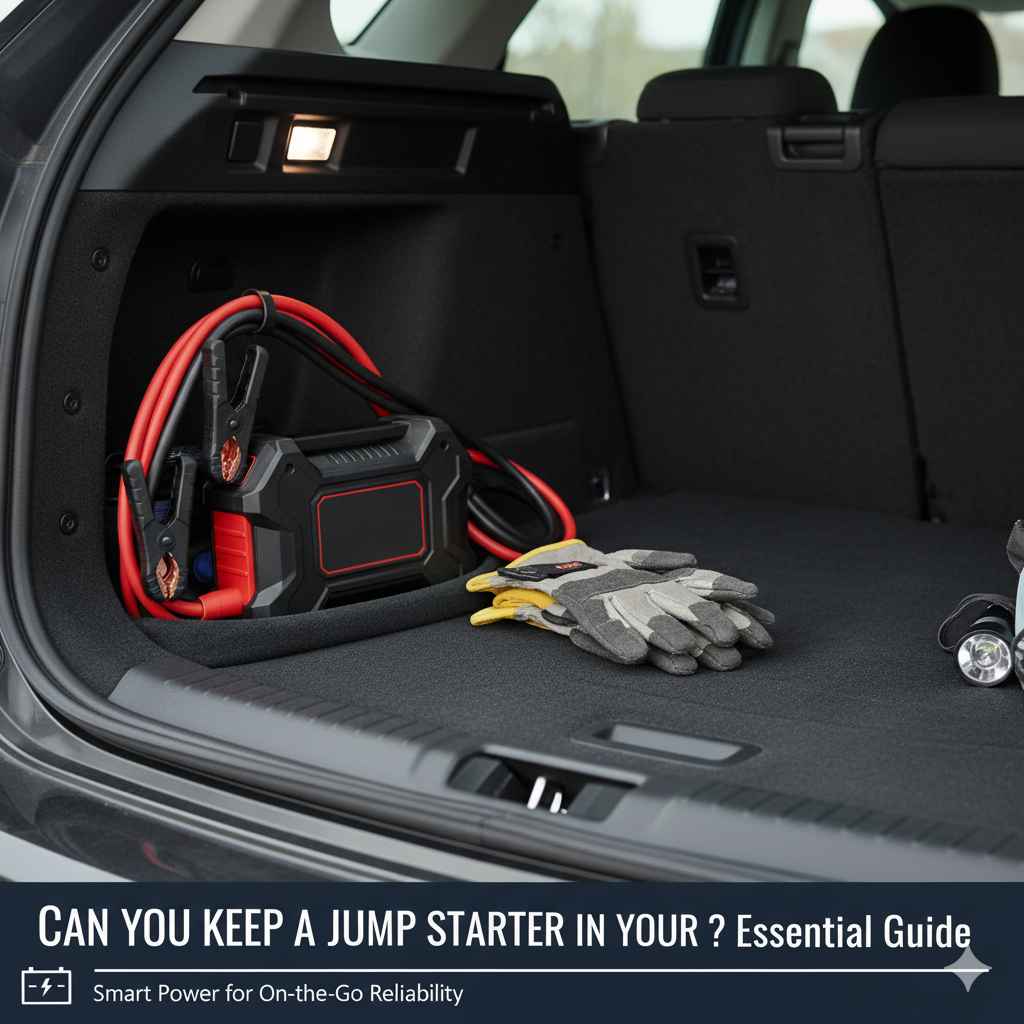
Yes, you absolutely can and should keep a jump starter in your car! It’s a smart way to be prepared for a dead battery, offering a safe and reliable alternative to roadside assistance or old-school jumper cables. This guide will show you how to choose, use, and safely store one so you’re always ready to get back on the road.
Imagine this: You’re rushing to an important appointment, or maybe just heading home after a long day. You turn the key, and… nothing. Just a disheartening click or silence. A dead car battery can be incredibly frustrating and leave you stranded. But what if you had a simple tool right in your trunk that could bring your car back to life in minutes? That’s where a portable jump starter comes in. Many drivers wonder, “Can you keep a jump starter in your car?”
The answer is a resounding yes! It’s one of the most practical car maintenance items any driver can have. In this guide, we’ll walk you through everything you need to know, from selecting the right jump starter to safely storing it and using it when you need it most. Get ready to ditch the battery anxiety and drive with confidence, knowing a solution is always within reach.
Why Keep a Jump Starter in Your Car?
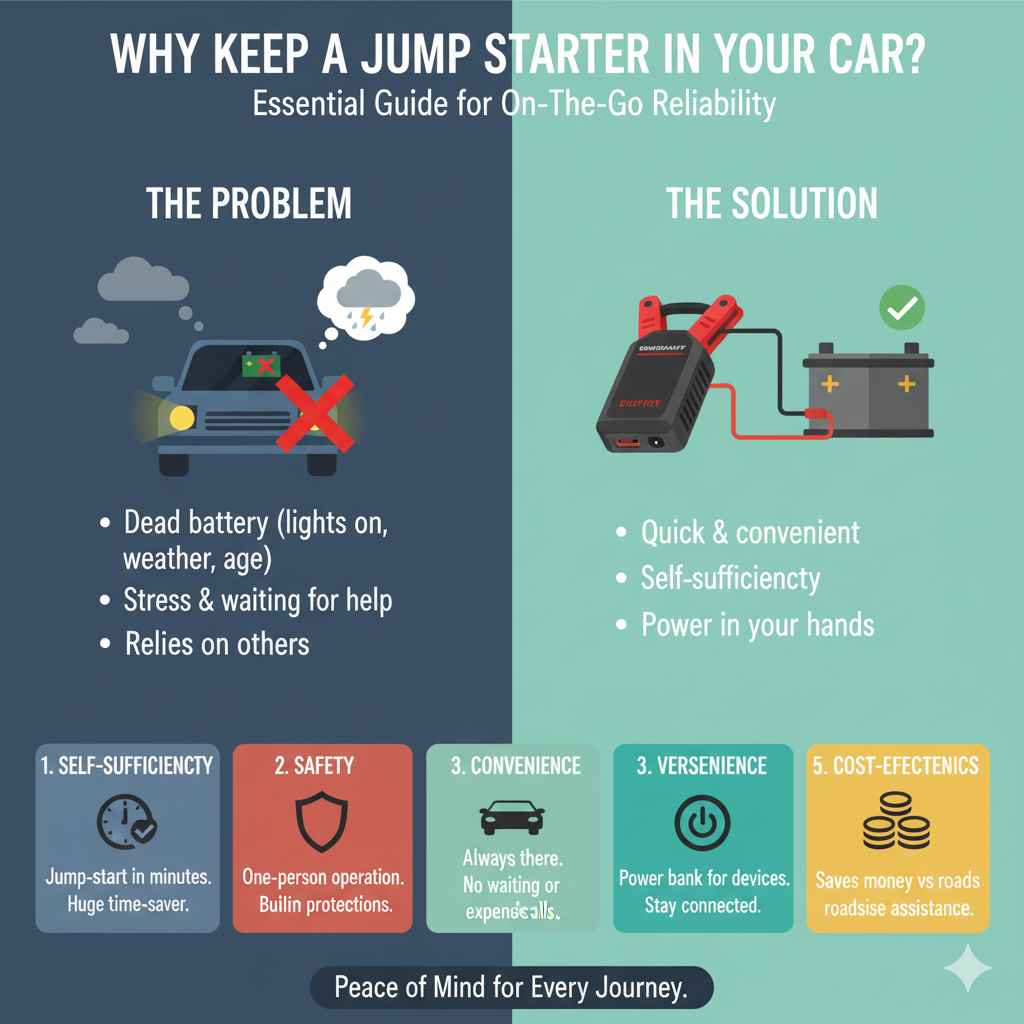
A dead car battery is a common problem that can happen to anyone, at any time. Factors like leaving lights on, extreme weather, or simply an aging battery can lead to it. Relying on others or waiting for roadside assistance can take a lot of time and stress. A portable jump starter offers a quick, convenient, and often safer way to solve this common roadside issue. It puts the power to get moving back in your hands, literally.
The Benefits of Having a Jump Starter On Hand
Having a jump starter ready in your vehicle provides several significant advantages:
- Immediate Self-Sufficiency: You don’t need to wait for help. If your battery dies, you can often jump-start your car yourself in just a few minutes. This is a huge time-saver and stress-reducer, especially if you’re on a tight schedule or in an unfamiliar area.
- Safety: Traditional jumper cables require another car and can be tricky to connect properly, sometimes leading to sparks or incorrect connections if done by inexperienced individuals. A jump starter is a self-contained unit, designed for one-person operation with built-in safety features to prevent common mistakes.
- Convenience: It’s always there when you need it. No more searching for a friendly driver with cables or making expensive calls for assistance. Your jump starter is your personal roadside assistant, tucked away in your trunk or glove compartment.
- Versatility: Many jump starters also double as power banks for charging your phone, tablet, or other USB devices. This can be a lifesaver for keeping your communication lines open, especially if your phone battery is also running low.
- Cost-Effectiveness: While there’s an upfront cost, a jump starter can save you money in the long run compared to paying for multiple roadside assistance calls or jump-starts from a mechanic.
Choosing the Right Jump Starter: What to Look For
Not all jump starters are created equal. Here’s what beginners should consider when picking one that fits their needs:
Key Features to Consider
- Peak Amperage (A): This is the most crucial spec. It tells you how much power the jump starter can deliver to crank your engine. For most gasoline cars, 400-600 peak amps are sufficient. For larger engines, diesel vehicles, or for extra peace of mind, look for 800-1000 peak amps or higher. Always check your car’s manual for its specific battery requirements.
- Crank Amperage (CA) / Cold Cranking Amps (CCA): While peak amps are important, CCA indicates how well the jump starter can start an engine in cold weather. A higher CCA is better for reliable starting in colder climates.
- Battery Capacity (mAh or Wh): This determines how many times you can jump-start a car on a single charge and how many times it can charge your other devices. Look for at least 10,000 mAh for a good balance of size and power.
-
Built-in Safety Features: This is paramount for beginners. Look for jump starters with:
- Reverse polarity protection (won’t spark if you connect the clamps incorrectly).
- Short circuit protection.
- Overcurrent protection.
- Spark-proof technology.
Many reputable brands, like NOCO, emphasize these safety features.
- Portability and Size: Jump starters range from very compact, pocket-sized units to larger, more powerful bricks. Consider where you’ll store it. A smaller unit might fit in a glove compartment, while a larger one might need to live in the trunk.
- Extra Features: Many jump starters come with built-in LED flashlights (invaluable for nighttime breakdowns), USB ports for charging devices, and emergency strobes or SOS signals.
- Ease of Use for Beginners: Look for units with clear instructions, simple controls, and indicator lights that show the battery status and connection status. Clamps that are easy to grip and connect are also a plus.
Jump Starter Specs for Different Vehicle Types
Understanding your vehicle’s needs is key. Here’s a general guideline:
| Vehicle Type | Recommended Peak Amps | Notes |
|---|---|---|
| Small Cars (e.g., compact sedans, hatchbacks) | 400-600 Peak Amps | Sufficient for most standard gasoline engines. |
| Mid-size Cars & SUVs (e.g., sedans, crossovers) | 600-800 Peak Amps | Good for larger gasoline engines and reliable in varied conditions. |
| Large Trucks, Vans, RVs, and Diesel Engines | 800-1500+ Peak Amps | Higher amperage is needed to turn over larger, higher-compression engines, especially in cold weather. |
Always consult your vehicle’s owner’s manual for specific battery and starting system recommendations. For example, some larger diesel engines might require a significantly higher amperage rating.
How to Safely Store Your Jump Starter in Your Car
Keeping your jump starter in your car is the goal, but proper storage is essential for its longevity and your safety.
Ideal Storage Locations
- Trunk: This is often the best place. It’s usually the most spacious area, away from the main cabin, and offers protection from extreme temperature fluctuations. Even in a trunk, try to place it on a flat surface and secure it so it doesn’t roll around.
- Under a Seat: If your jump starter is compact enough, the floor space under a front or back seat can be an option. Ensure it’s not blocking access to pedals or controls and is secured to prevent movement.
- Glove Compartment: Only feasible for very small, ultra-compact jump starters. Make sure it doesn’t overload the compartment or get damaged by other items.
Environmental Considerations
Jump starters contain lithium-ion batteries, which are sensitive to extreme temperatures. Storing them inappropriately can degrade their performance or even pose a safety risk.
- Avoid Extreme Heat: Never leave your jump starter in a car parked in direct sunlight on a hot summer day. Temperatures inside a closed car can soar well above 140°F (60°C), which can damage the battery, reduce its lifespan, and in rare, extreme cases, lead to swelling or even fire. If your car is regularly exposed to intense heat, consider taking the jump starter inside with you.
- Avoid Extreme Cold: While less dangerous than extreme heat, very cold temperatures can temporarily reduce a lithium-ion battery’s performance and capacity. The jump starter might not deliver its full power in freezing conditions. It’s best to bring it inside if temperatures are consistently below freezing for extended periods.
- Keep it Dry: Moisture can damage the electronic components. Ensure your jump starter is stored in its protective case or a waterproof bag if you live in a very humid or rainy climate.
Maintenance for Lifespan
To ensure your jump starter is ready when you need it, regular maintenance is key:
- Charge Regularly: Most manufacturers recommend charging your jump starter every 3-6 months, even if you haven’t used it. Check your specific model’s manual. This keeps the battery healthy and ensures it has enough charge to start your car when needed.
- Check for Damage: Periodically inspect the jump starter itself, the cables, and the clamps for any signs of wear, cracks, or damage. If anything looks compromised, it’s time to consider a replacement.
- Keep it Clean: Wipe down the unit with a dry or slightly damp cloth to remove dust and debris.
A healthy, fully charged jump starter stored properly is your best bet for a quick and reliable rescue from a dead battery situation.
How to Use a Portable Jump Starter: A Step-by-Step Guide for Beginners
Using a jump starter is designed to be straightforward and safe. Here’s how to do it, step-by-step:
Before You Start: Safety First!
Safety is paramount. Before connecting anything, ensure:
- Your car is turned off.
- The parking brake is engaged.
- You are in a well-ventilated area (if possible, and especially if you can smell gasoline).
- You have removed any loose metal objects from your hands and the engine bay to avoid accidental shorts.
- Read your jump starter’s specific manual. Different models may have slight variations.
Step-by-Step Jump-Starting Process
- Connect the Jumper Cables to the Jump Starter: Plug the specific cable end securely into the jump starter unit. Some units have dedicated ports for positive and negative clamps.
- Connect the RED Clamp to the POSITIVE (+) Battery Terminal: Locate your car battery. The positive terminal is usually marked with a “+” symbol and might have a red cover. Ensure the clamp makes good, solid contact.
- Connect the BLACK Clamp to a GROUND Point: This is a critical safety step. Do NOT connect the black clamp to the negative (-) battery terminal. Instead, connect it to an unpainted metal surface on the engine block or chassis away from the battery. This helps prevent sparks near the battery, where flammable hydrogen gas might be present. Look for a sturdy bolt or bracket.
- Turn ON the Jump Starter: If there’s a power switch, turn it on. Many modern jump starters will automatically detect the battery and start the process, or they might have a button to initiate.
- Start the Car: Attempt to start your car’s engine. It should crank normally. If it doesn’t start after a few seconds, turn the key off and wait about 30 seconds before trying again. Do not crank for more than 5-10 seconds at a time.
- Once Started, Turn OFF the Jump Starter: As soon as the engine is running, turn off the jump starter (if it doesn’t shut off automatically).
- Disconnect the BLACK Clamp First: Carefully remove the black clamp from the ground point.
- Disconnect the RED Clamp Second: Carefully remove the red clamp from the positive (+) battery terminal.
- Put Everything Away: Store the jump starter and cables securely back in your car.
What to Do After the Jump Start
Once your car is running, don’t turn it off immediately! It needs time to recharge its battery.
- Drive for at Least 30 Minutes: Drive your car for at least 30 minutes, preferably on a highway or at higher speeds, to allow the alternator sufficient time to recharge the battery.
- Check the Battery: If your battery is old or has died multiple times, it might be time to have it tested by a professional. Many auto parts stores offer free battery testing. You may need a new battery.
- Check the Alternator: If the car dies again shortly after being jumped, the issue might be your alternator, which is responsible for charging the battery while the engine is running. This will require a mechanic’s attention.
Following these steps will help you safely and effectively use your jump starter to get back on the road.
Common Jump Starter Scenarios and Solutions
Even with the best tools, things can sometimes go differently than planned. Here are common issues and how to address them.
Scenario 1: Car Won’t Start After Trying to Jump
- Possible Cause: Bad connection. Double-check that all clamps are making firm, clean contact.
- Possible Cause: Not enough power from the jump starter. Ensure it’s adequately charged and has sufficient peak amperage for your vehicle.
- Possible Cause: Other mechanical issues. The problem might not be the battery; it could be the starter motor, fuel system, etc.
- Solution: Re-read the instructions carefully. Recharge the jump starter if possible. If still no luck, it’s time to call for professional help.
Scenario 2: Jump Starter Won’t Turn On
- Possible Cause: The jump starter itself needs charging.
- Possible Cause: The unit is damaged or has been stored improperly leading to battery failure.
- Possible Cause: Safety feature engaged (e.g., if it detected an incorrect connection attempt).
- Solution: Try charging it. If it still won’t power on, check its indicator lights or consult your manual. If it returns an error, a replacement might be needed.
Scenario 3: Sparks When Connecting Cables
- Possible Cause: Connecting the black clamp to the negative battery terminal instead of a ground point.
- Possible Cause: Loose connection causing a temporary short.
- Solution: Always connect the black clamp to a ground point away from the battery. Ensure all connections are firm and secure. If your jump starter has spark-proof technology, it should prevent dangerous sparks even with minor connection errors.
Scenario 4: Jump Starter Overheating
Modern jump starters have thermal protection and will shut down if they overheat. This is a safety feature.
- Possible Cause: Trying to start a severely dead engine for too long.
- Possible Cause: Ambient temperature is too high.
- Solution: Allow the jump starter to cool down completely. Ensure it’s used in a well-ventilated area. If it overheats quickly or repeatedly, there might be an internal issue, or you may need a jump starter with a higher amperage rating for your vehicle’s needs.
Jump Starter vs. Traditional Jumper Cables: Which is Better for Beginners?
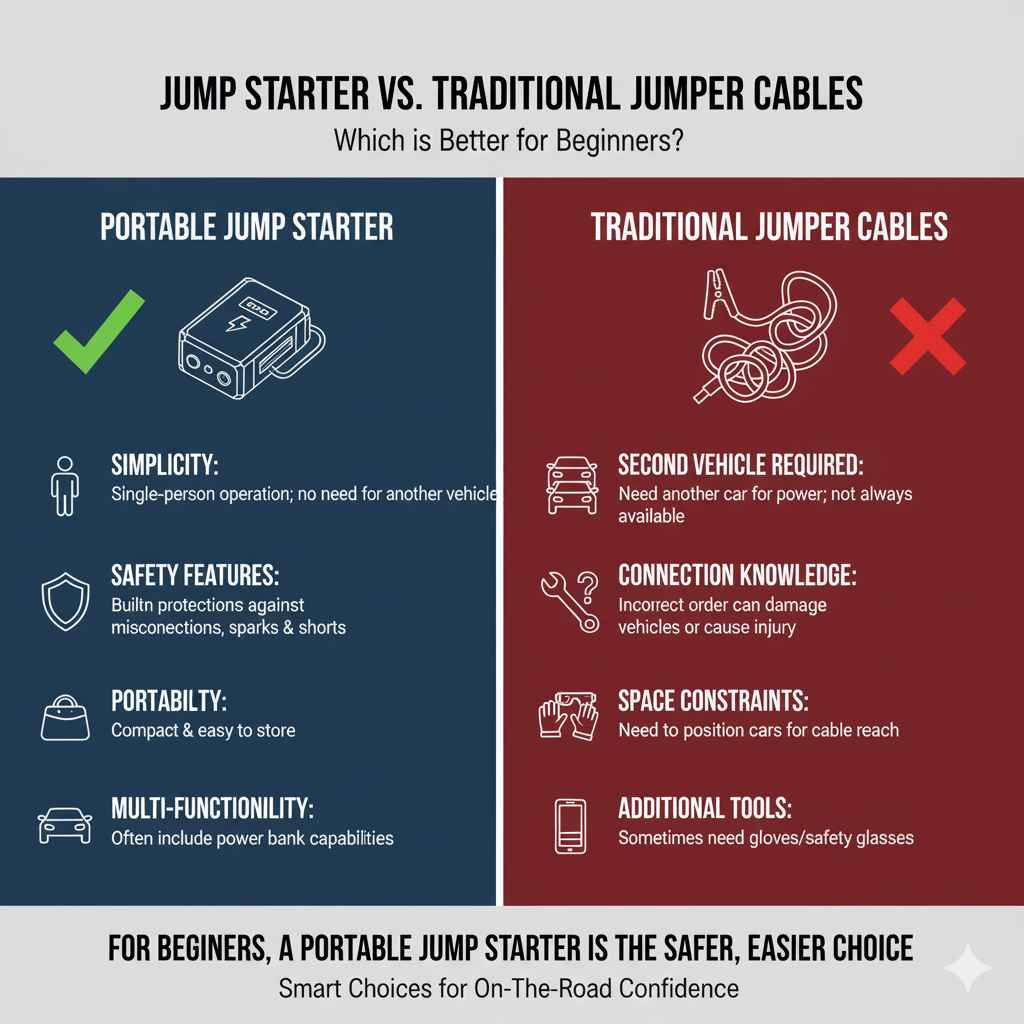
For beginners, a portable jump starter generally offers a much more user-friendly and safer experience compared to traditional jumper cables.
Jump Starters Offer:
- Simplicity: Single-person operation; no need for another vehicle.
- Safety Features: Built-in protections against misconnections, sparks, and shorts.
- Portability: Compact and easy to store.
- Multi-functionality: often include power bank capabilities.
Traditional Jumper Cables Require:
- A Second Vehicle: You need another car to power the jump, which isn’t always available.
- Knowledge of Connection Order: Incorrect connection order can damage vehicles or cause injury.
- Space for Two Cars: You need to position two cars close enough for convenient cable reach.
- Additional Tools: Sometimes you might need gloves or safety glasses.
While jumper cables are a cheaper upfront investment, the ease of use, safety, and convenience of a portable jump starter make it the superior choice for most drivers, especially those new to car maintenance.
Frequently Asked Questions (FAQ) about Keeping a Jump Starter in Your Car
Q1: How often do I need to charge my car jump starter?
Most manufacturers recommend charging your jump starter every 3 to 6 months. This helps maintain the health of the lithium-ion battery and ensures it has enough power when you need it. Always check your specific model’s user manual for precise recommendations.
Q2: Can I leave a jump starter in my car all year round?
It’s generally safe to leave a jump starter in your car, but avoid extreme temperatures. Prolonged exposure to very hot or very cold conditions can degrade the battery and reduce its lifespan. If you live in an area with extreme weather, consider bringing the jump starter inside during the hottest summer days or coldest winter nights.