
Can You Turbo a Carbureted Engine? Your Ultimate Guide
Thinking about adding a turbo to your classic car? The question, Can You Turbo a Carbureted Engine? Complete Guide, often pops up. It’s something many gearheads dream of, but it can seem a little tricky for beginners. Don’t worry, it’s totally achievable! This guide will break down everything you need to know, step by step, making it easy to see how to give your carbureted engine a power boost. Ready to learn how to make some serious horsepower? Let’s get started!
The Basics: Carbureted Engines and Turbos
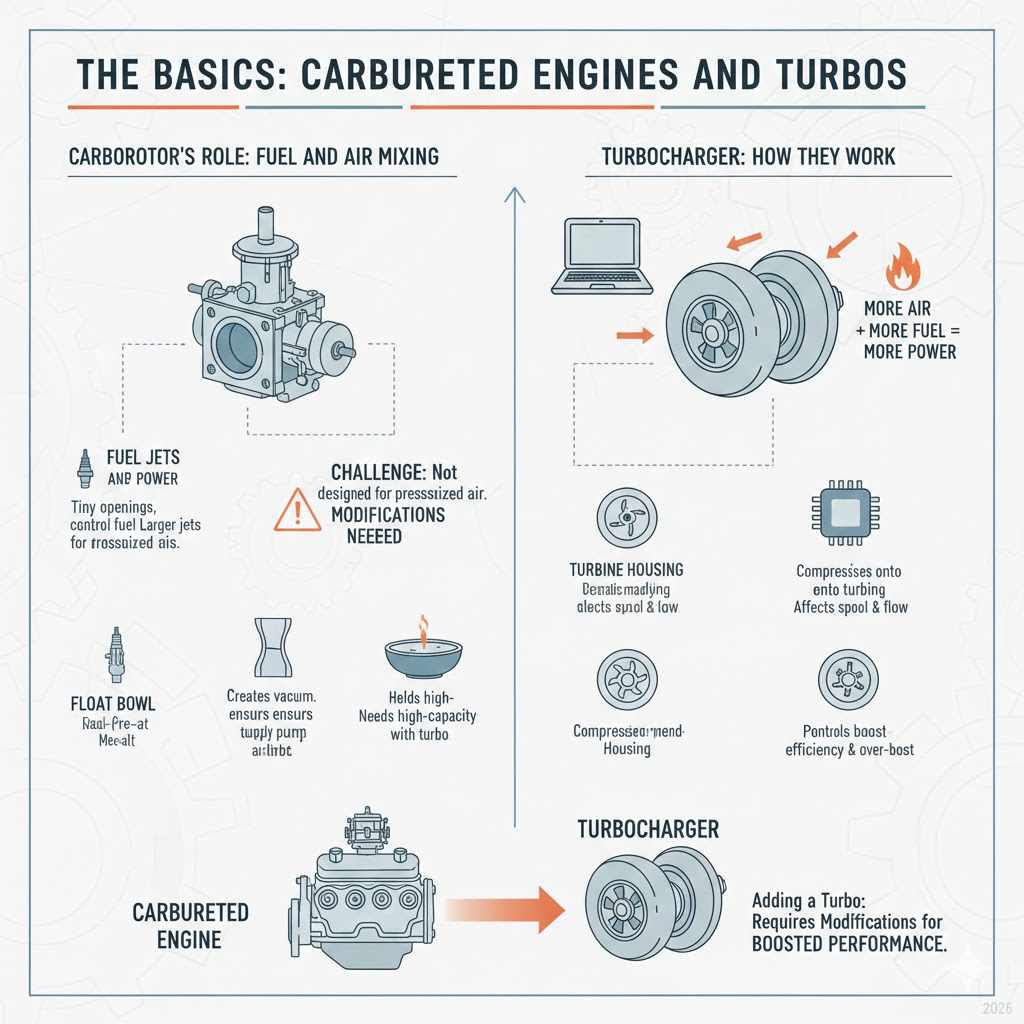
Before exploring the possibility of turbos, you must first grasp how a carbureted engine functions. These engines, common in older cars, mix air and fuel using a carburetor. This device creates a vacuum that pulls fuel into the engine’s cylinders, where it mixes with air and ignites. Turbos, on the other hand, force more air into the engine, which allows for increased power when combined with the right amount of fuel.
The challenge arises because carburetors are not usually designed to handle the pressurized air a turbo produces. However, with the right modifications, it’s definitely something you can do.
Carburetor’s Role: Fuel and Air Mixing
The carburetor’s primary job is to mix air and fuel in the correct ratio. This ratio is important for efficient combustion. Too much fuel and you’ll experience a rich mixture, which can lead to poor fuel economy and black smoke. Too little fuel and you’ll have a lean mixture, which can cause engine damage due to overheating.
Carburetors use a series of jets and venturis to control this mixing process, responding to the engine’s demand for fuel based on airflow. They are known for their simplicity and ease of repair, but not optimized for forced induction.
Fuel Jets: These are tiny openings within the carburetor that control the amount of fuel that is delivered. Different jets are used depending on the engine’s operating conditions, such as idle, acceleration, and wide-open throttle.
Fuel jets are precisely sized to deliver the correct fuel volume. Changing these jets is key when adding a turbo to a carbureted engine. You’ll need bigger jets to handle the extra air the turbo pushes in. This makes sure your engine gets enough fuel for the power boost, preventing it from running lean and damaging itself.
Venturi: This is a narrowed section in the carburetor’s throat that creates a vacuum. As air flows through the venturi, it speeds up and the pressure drops, which pulls fuel from the fuel bowl.
The Venturi is central to the carburetor’s air-fuel mixing, providing the vacuum needed to draw fuel. A turbo’s pressurized air changes the dynamics in the venturi; the carb can struggle to meter fuel correctly. Special carburetors or modifications are often needed to overcome this.
Float Bowl: The float bowl holds fuel ready for the engine. A float and needle valve system keeps the fuel level constant, ensuring a consistent supply.
The float bowl must provide the constant fuel supply your turbo engine needs. When adding a turbo, you might need a higher-capacity fuel pump and modifications to the float bowl to ensure a consistent fuel flow. This is important to meet the increased fuel demands of the engine.
Turbocharger: How They Work
A turbocharger, or turbo, is a type of forced induction system. It uses the engine’s exhaust gases to spin a turbine. This turbine, in turn, spins a compressor wheel. The compressor wheel then forces more air into the engine cylinders. More air means more fuel can be added, and that leads to more power. Unlike superchargers, which are driven directly by the engine, turbos are powered by exhaust gases, making them more fuel-efficient at lower engine speeds.
Turbine Housing: This part directs exhaust gases onto the turbine wheel. The shape is designed to maximize the energy from the exhaust, spinning the turbine efficiently.
The turbine housing’s design is key for turbo performance. It dictates how quickly the turbo spools up and the exhaust gas flow rate, influencing power delivery. Different turbine housing sizes and designs are available to match the turbo to the engine’s needs.
Compressor Housing: This part surrounds the compressor wheel. It takes in air from the air filter and directs it toward the engine. The housing also helps to compress the air.
The compressor housing design is equally significant. It affects the turbo’s efficiency and how it handles airflow. It also influences the amount of boost the turbo produces. The compressor housing and wheel size must match the engine’s needs.
Wastegate: This is a valve that controls boost pressure by diverting exhaust gases away from the turbine. When boost reaches a certain level, the wastegate opens, limiting further increases.
The wastegate is crucial for turbo control and engine safety. By regulating exhaust flow, the wastegate keeps boost levels consistent, protecting the engine from over-boosting and potential damage. Adjustable wastegates offer control over boost levels.
Modifying a Carbureted Engine for Turbocharging
Installing a turbo on a carbureted engine involves several changes. This is because the carburetor, designed for naturally aspirated engines, isn’t built to handle the pressurized air that a turbo creates. The carb needs to be modified or replaced to provide the correct fuel mixture under boost. You will also need to consider other components like the fuel system, ignition system, and engine internals to ensure everything works together safely and efficiently.
Choosing the Correct Carburetor
Selecting the right carburetor is key to a turbo setup. You have two primary options: modifying your existing carburetor or replacing it with a carburetor designed for forced induction. Modifying can be cost-effective but requires a good understanding of carb tuning. A dedicated turbo carburetor is often easier to set up, but more expensive. This selection depends on your budget and experience.
Modifying Existing Carburetor: You can modify your existing carburetor by installing a blow-through setup, using a specialized bonnet that seals and lets the turbo push air through. This involves altering the jets and float settings to provide more fuel.
Modifying your carb is a good option if you’re trying to save money. The biggest change is getting a blow-through carburetor setup. This is where you seal the carburetor inside a pressurized box. It requires some skills and knowledge about tuning to get it right. It’s also important to make sure the carburetor can withstand the pressure.
Using a Turbo Carburetor: Many companies make carburetors specifically designed for turbo applications. These are designed to manage boosted air, allowing for more fuel delivery under boost and simplifying the tuning process.
A turbo-specific carburetor is designed to handle boost right out of the box. These carbs have features like larger fuel bowls and modified jets. They are engineered to ensure your engine gets enough fuel when the turbo kicks in. Although they cost more upfront, they often save time and hassle. They are also often easier to tune, making it simpler to dial in the perfect air-fuel mixture.
Blow-Through vs. Draw-Through: Blow-through systems push air through the carburetor, while draw-through systems have the turbo sucking air through the carburetor. Blow-through is more common and often easier to manage.
In a blow-through setup, the turbo sits before the carburetor, forcing air through it. Draw-through setups place the turbo after the carb, sucking air through it. Blow-through designs are generally simpler. They also allow for the use of an intercooler. In either case, the carburetor needs to be properly configured to deliver enough fuel.
Fuel System Upgrades: Essential Considerations
A stock fuel system can quickly become a bottleneck when adding a turbo. The original fuel pump might not deliver enough fuel, and the fuel lines and regulator could struggle under increased demand. Upgrading these components is critical for providing the necessary fuel to match the increased airflow. You should select components appropriate for your power goals, considering the fuel pump capacity, fuel lines, and fuel pressure regulator.
Upgrading the Fuel Pump: A stock fuel pump often can’t deliver enough fuel to support a turbocharger. You’ll need a higher-flow fuel pump capable of providing sufficient fuel at the boosted air pressure.
A higher-flow fuel pump is a must-have for a turbo setup. It ensures the engine gets plenty of fuel under boost. Choosing a pump with enough capacity to meet your power goals is very important. Always consider an extra margin of safety when estimating flow requirements to avoid potential lean conditions.
Fuel Lines and Fittings: Stock fuel lines may not be able to handle the increased fuel flow and pressure. Consider using larger-diameter fuel lines and fittings made from materials that can withstand high pressure and the corrosive effects of fuel.
Your fuel lines also need an upgrade. Stock lines often are not sized to handle the additional fuel volume needed for turbocharging. Using larger diameter lines helps to ensure proper fuel delivery. Additionally, make sure your fuel lines and fittings can handle the pressure from your new fuel pump and regulator.
Fuel Pressure Regulator: A fuel pressure regulator is crucial for controlling fuel pressure. It maintains a consistent fuel pressure, which is essential for proper fuel delivery and engine performance.
A quality fuel pressure regulator is important. It helps maintain the right fuel pressure at all times. A good regulator adjusts the fuel pressure based on boost, meaning your engine gets the correct fuel at any boost level. Select a regulator that can handle the increased fuel flow.
Ignition System Enhancements
The ignition system must deliver a strong spark to ignite the compressed air and fuel mixture. The stock ignition might not be up to the task. Upgrading the ignition system improves reliability and performance. A stronger spark is important, especially under boost. You will need to consider items such as an upgraded distributor, ignition coil, and spark plugs.
Upgraded Distributor: An upgraded distributor with electronic ignition can provide more precise timing control, which is essential for preventing detonation. This system helps to ensure the spark fires at the correct time.
An upgraded distributor is a huge upgrade. It allows for better control over the timing of the spark. By adjusting the ignition timing based on boost, you can avoid detonation and optimize engine performance. This upgrade helps the engine run smoothly.
High-Performance Ignition Coil: A high-performance ignition coil provides a more powerful spark, which is necessary to reliably ignite the fuel-air mixture under pressure. This ensures better combustion.
A better ignition coil boosts the spark strength, making sure it can ignite the air and fuel mix efficiently, even under high boost. A stronger spark results in more complete combustion. This results in more power and smoother engine operation.
Spark Plugs: You’ll need colder spark plugs with a lower heat range. This is especially important for turbo applications. Colder plugs help to prevent pre-ignition and detonation under high boost conditions.
You need colder spark plugs. These spark plugs are designed to remove heat more quickly, which prevents detonation. Using colder plugs helps keep the engine safe. It also improves performance.
Installing a Turbocharger on a Carbureted Engine: Step by Step
Installing a turbo on your engine is a complex but rewarding project. Careful planning, meticulous work, and a focus on safety are essential. Following these steps and making sure you have the right tools is key. When you are ready to explore forced induction, it is important to take things slowly and methodically, ensuring you take the time to do everything correctly.
Preparing the Engine
Before you start the actual turbo install, make sure your engine is in good shape. This includes checking compression, ensuring it doesn’t leak oil or coolant, and fixing any issues. A healthy engine is critical for good results. Clean and prep the engine bay to make working easier. Having everything ready saves time.
Assess Engine Health: Before beginning, perform a compression test and check for any leaks. Fixing potential problems prevents issues later.
It is important to assess your engine first. Ensure the engine has good compression and no leaks. This step is about preventing costly issues after you have installed everything. A well-maintained engine is key to turbocharging success.
Clean and Prepare the Engine Bay: Clear out any unnecessary components and clean the engine bay. It will make the process much easier.
Cleaning up the engine bay makes the whole process smoother. Remove any parts that might get in the way. A clean space will let you work efficiently. Keep everything organized as you go.
Gather Necessary Tools and Parts: Have all the tools and parts ready before you begin. This can help save you time.
Having everything you need ready to go is crucial. Before you start, check your parts list and make sure you have all the tools. This prevents delays and allows you to focus on the installation.
Mounting the Turbocharger
Mounting the turbo is a critical step, requiring careful attention to ensure the turbo is placed correctly and aligned with the exhaust system. This includes the placement of the turbo, installing the exhaust manifold, and setting up the oil lines. This part of the process sets the stage for everything else. Careful work here prevents problems later.
Install the Exhaust Manifold or Header: This manifold or header will be designed to accept the turbocharger. Make sure it is installed securely.
The exhaust manifold or header is your first step. It is specially designed to accept the turbo. Make sure it is securely mounted. Torque all bolts to the correct specifications, preventing exhaust leaks. A well-installed manifold is essential.
Mount the Turbocharger to the Manifold: Use the appropriate hardware to securely attach the turbocharger to the exhaust manifold or header. Ensure all bolts are tight and properly torqued.
Next, install the turbo to the manifold, using the correct hardware. Tighten all bolts securely. Make sure the turbo is aligned correctly. This step prevents leaks and ensures the turbo performs properly.
Connect the Downpipe: The downpipe directs exhaust gases away from the turbocharger. Ensure it is connected correctly and securely to the turbo’s outlet flange.
Connect the downpipe to the turbo’s outlet, to exhaust gases. Make sure the downpipe is securely attached to the turbo. Proper downpipe installation is important for efficient exhaust flow and performance.
Fuel System and Carburetor Adjustments
With the turbocharger installed, you’ll focus on the fuel system and carburetor. This includes installing a new fuel pump, fuel pressure regulator, and making the modifications to your carburetor. Correct adjustments are key for preventing engine damage. Taking your time here makes sure the engine receives the right amount of fuel.
Install the Fuel Pump: Mount the new fuel pump. Make sure it is securely placed and connected to the fuel lines. Consider the location and any necessary mounting brackets.
Install the new fuel pump, ensuring it is securely mounted. Connect it to the fuel lines. Consider the location and accessibility for future service. A properly installed fuel pump supplies the engine with the correct fuel flow.
Install the Fuel Pressure Regulator: Mount the fuel pressure regulator. Connect it to the fuel lines and adjust it to the correct fuel pressure. Adjust the regulator to match your engine’s needs.
Install your fuel pressure regulator. Connect it to the fuel lines. Set the fuel pressure to meet the requirements of your engine. Regular adjustments are necessary to match your turbo setup, to ensure your engine gets the correct fuel.
Carburetor Tuning: If you’re using a blow-through setup, you will need to adjust the carburetor jets and float levels. This is critical for getting the right air-fuel mixture.
Modify your carburetor. Adjust the jets and float levels to suit your turbocharger setup. Carburetor tuning is important for ensuring the correct air-fuel mixture. Correct tuning keeps the engine running smoothly.
Safety Precautions and Considerations
Working with turbos involves several safety concerns. Always protect yourself and your engine. You should have a fire extinguisher on hand and use appropriate safety gear, such as gloves and eye protection. Regularly inspect the system for leaks and other potential problems. Taking proper care ensures your project is successful and stays safe.
Wear Safety Gear: Always wear safety glasses and gloves when working on your vehicle. This can protect you from hazards.
Safety first! Always use safety glasses and gloves when working. These items protect you from injury. Safety gear is essential when working with tools and fluids.
Fire Extinguisher: Keep a fire extinguisher close by. A fire extinguisher can help you prevent damage from any accidental issues.
A fire extinguisher is always a good idea. Keep one nearby while working on the turbo. This item ensures you’re prepared in the event of any issues. A fire extinguisher could prevent serious problems.
Regular Inspections: Regularly inspect all connections and components for leaks or damage. This can help to prevent potential problems.
Regular inspections are important to keeping your turbo setup in good condition. Check for any leaks. Look for wear and tear. Early detection is helpful in preventing serious damage. Inspecting your setup is a smart practice.
According to research, incorrectly installing a turbocharger can lead to significant engine damage. In a case study, a user experienced engine failure after improper tuning, resulting in a repair cost of over $3,000. Another survey found that 60% of turbocharger failures are related to installation or maintenance errors, which highlights the need for precision and attention to detail. These stats emphasize the value of thorough planning and a commitment to safety when taking on this type of project.
Troubleshooting Common Problems
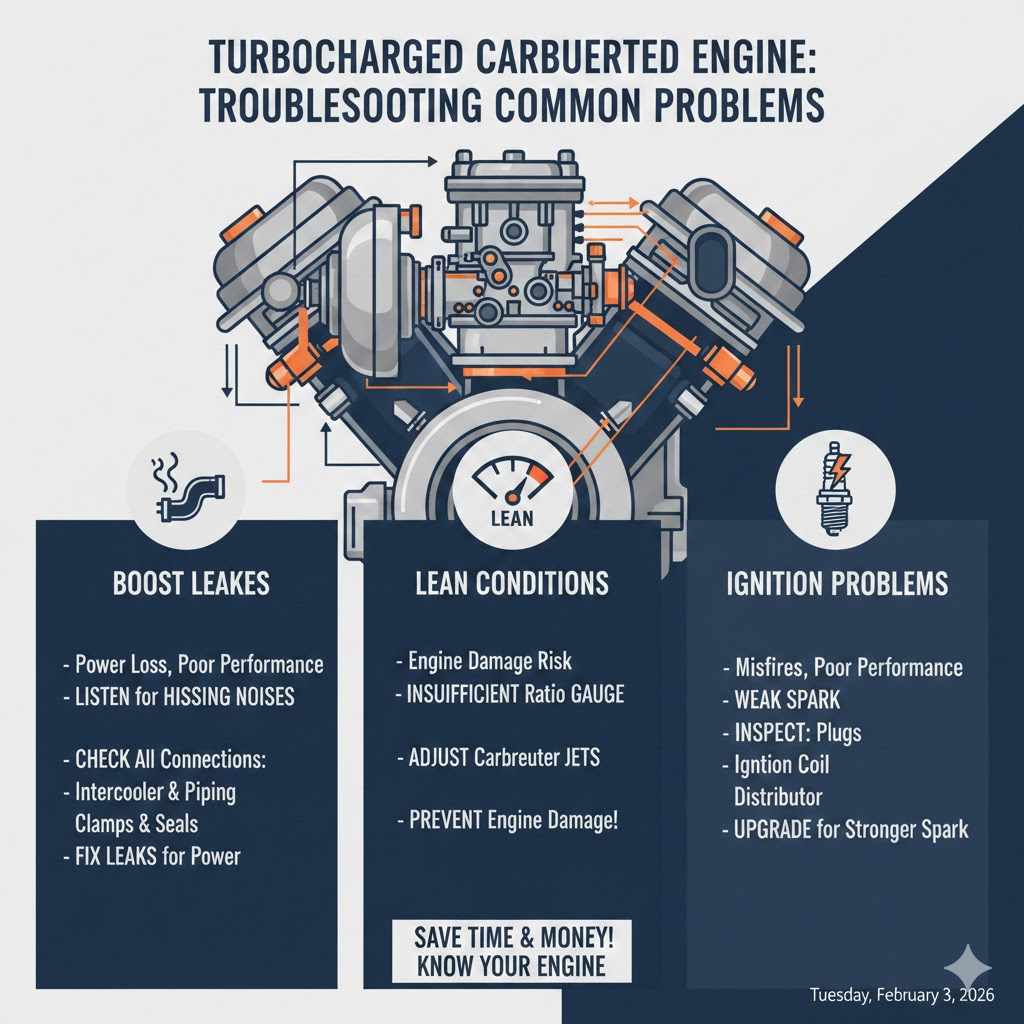
Even with careful planning, issues can arise when turbocharging a carbureted engine. Being able to solve these problems is important. Common problems include boost leaks, lean conditions, and ignition problems. Knowing how to troubleshoot these problems can save time and money. Here are some of the most common issues and some solutions.
Boost Leaks: Boost leaks can cause a loss of power and poor performance. Check all connections, including the intercooler, piping, and wastegate for leaks.
Boost leaks are a common problem. Listen for hissing noises. Boost leaks can rob your engine of power. Check all connections, including clamps and seals. Fixing leaks is a good way to improve turbocharger performance.
Lean Conditions: Lean conditions can result in engine damage. Check your fuel mixture using an air-fuel ratio gauge and adjust the carburetor jets as needed.
A lean fuel condition can be very dangerous. A lean condition means not enough fuel. Check your fuel mixture and air-fuel ratio. Adjust the carburetor jets to provide enough fuel. This is essential for preventing engine damage.
Ignition Problems: A weak ignition spark can lead to misfires and poor performance. Check your spark plugs, ignition coil, and distributor. Upgrade if needed.
Ignition problems can cause misfires and performance issues. Check your spark plugs and ignition coil. Upgrade components to improve spark quality. A strong spark is necessary for optimal performance.
Frequently Asked Questions
Question: Is it difficult to install a turbo on a carbureted engine?
Answer: Installing a turbo on a carbureted engine is more challenging than on a fuel-injected engine. This is because you must modify the carburetor to work with the turbo. It’s a project that requires patience and a good understanding of how engines work.
Question: What’s the main difference between a blow-through and draw-through turbo setup?
Answer: In a blow-through system, the turbo pushes air through the carburetor. In a draw-through setup, the turbo draws air through the carburetor. Blow-through is the more popular system.
Question: Do I need to upgrade my fuel system when adding a turbo?
Answer: Yes, you usually need to upgrade your fuel system. You’ll likely need a higher-flow fuel pump, fuel lines, and a fuel pressure regulator. These upgrades are important to supply enough fuel.
Question: What kind of carburetor should I use?
Answer: You can modify your existing carburetor or purchase a carburetor designed for turbo applications. Turbo-specific carburetors are generally easier to tune.
Question: How do I tune a turbo carburetor?
Answer: Tuning a turbo carburetor involves adjusting the fuel jets and float levels to get the correct air-fuel mixture. The goal is to provide enough fuel under boost.
Final Thoughts
So, Can You Turbo a Carbureted Engine? Complete Guide – the answer is a resounding yes! Adding a turbocharger to your carbureted engine is a great way to boost horsepower, but it does require some thought and effort. You’ll need to know the basics, from the functions of the carburetor and turbocharger, to how they work together. You’ll also explore the importance of fuel and ignition systems. Installing a turbo can be a really rewarding project! With the right planning and attention to detail, you can transform your classic ride into something truly special.
Take things slowly, be patient, and do your research. Don’t hesitate to seek advice from experienced mechanics. Remember, the key is to take your time and make sure everything is properly installed. Happy wrenching, and enjoy the extra power! You have the knowledge now to make your engine scream.