Where Does Engine Coolant Go in a Car? Reservoir vs. Radiator
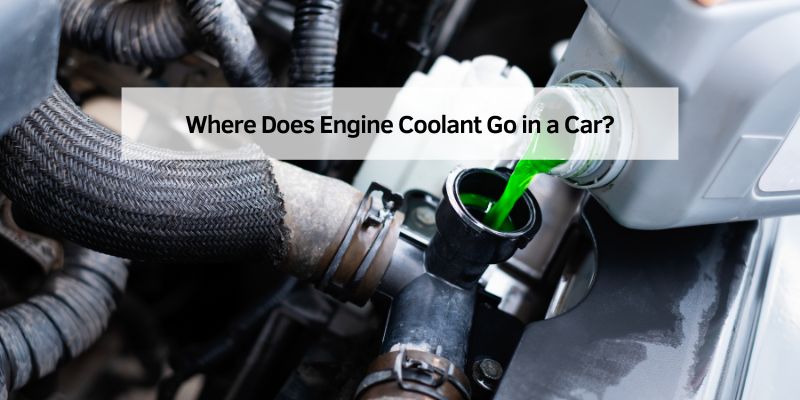
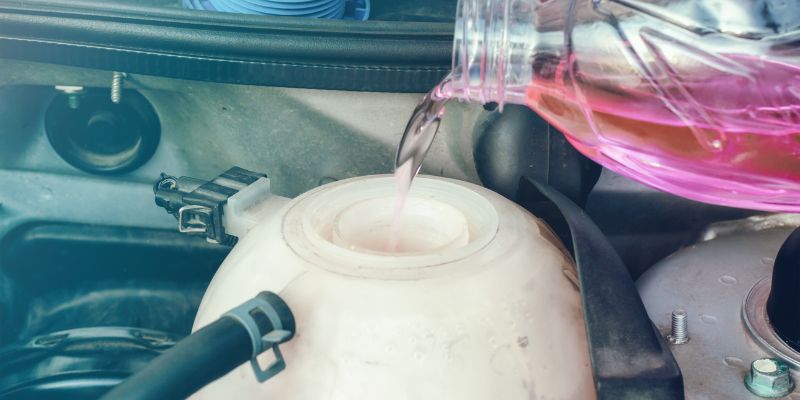
Engine coolant goes into the translucent reservoir tank mounted near the radiator, not the pressurized radiator cap, which should stay closed until the engine is completely cold. Opening a hot radiator cap can release 250°F+ fluid and cause serious burns. This guide shows exactly where the reservoir sits, how to tell it apart from the washer fluid and brake fluid tanks, and what older cars without a separate tank use instead.
What Is Engine Coolant and Why Is It Important?
Coolant, sometimes called antifreeze, is a liquid that regulates your engine’s temperature — a mix of water and chemicals designed to absorb, transfer, and dissipate heat. Without it, the engine can overheat, warp metal parts, or fail outright.
Coolant also prevents freezing in cold weather and protects the cooling system from corrosion. Knowing exactly where it goes and what it looks like is the first step to catching a problem before it becomes an expensive one.
Where Exactly Does Engine Coolant Go in a Car?
Coolant goes into a specific container called the coolant reservoir or overflow tank — but it doesn’t stop there. From there, it circulates through several parts of your car’s cooling system.
The coolant reservoir is usually a plastic tank under the hood, often near the radiator. It’s typically translucent, so you can see the coolant level inside. Look for a cap labeled “coolant” or “antifreeze.” In most cars, this is where you add coolant if the level is low. I always check my reservoir first — it’s the fastest way to spot if something’s off.
From the reservoir, coolant travels through the radiator, hoses, water pump, and engine block. These parts work together to keep your engine at the right temperature: coolant absorbs heat from the engine, carries it to the radiator, and releases it into the air.
How to Tell the Coolant Reservoir Apart From Washer Fluid and Brake Fluid Tanks
Under the hood, three plastic tanks can look similar at a glance — but each holds a different fluid, and pouring the wrong one into the wrong tank can cause real damage. Here’s how to tell them apart:
| Tank | Cap Symbol | Location & Appearance |
|---|---|---|
| Coolant Reservoir | Coolant-drop icon or a warning not to open when hot, plus MIN/MAX lines | Translucent tank near the radiator; liquid is usually green, orange, pink, or yellow |
| Washer Fluid Reservoir | Windshield-spray icon | Often the largest of the three tanks; liquid is usually blue-tinted |
| Brake Fluid Reservoir | Circular warning icon near the master cylinder | Small tank near the firewall, usually on the driver’s side; liquid is clear to amber |
The safest rule: never add fluid to a tank unless its cap is clearly labeled for that fluid. If your car’s caps are unmarked or you’re not sure, check the owner’s manual before pouring anything in — mixing up the coolant and washer fluid reservoirs is a common mistake that can damage the cooling system or the wiper pump.
Best Coolant Reservoir Fill Kit Pick
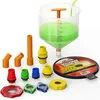
EPAuto Spill-Proof Radiator Coolant Filling Funnel Kit
A set of universal adapters that seal onto your reservoir's neck so you can pour coolant in without spilling it on the engine bay or trapping air pockets.
- Best for: Adding coolant to a narrow reservoir neck without spills or air pockets
- Why we picked it: Universal adapters fit most reservoir necks, preventing the exact overflow mess this article warns about
- Main drawback: Bulkier than a plain funnel, so it needs a bit of storage space in the trunk
Compare more coolant reservoir options
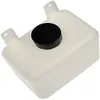 Option 1 Dorman Universal Fluid Reservoir With Cap
|
 Option 2 OEMTOOLS Antifreeze Tester
|
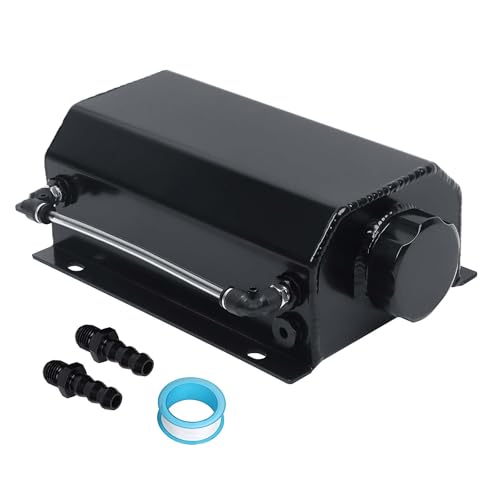
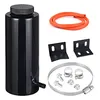 Option 3 EVIL ENERGY Aluminum Overflow Tank
|
As an Amazon Associate we earn from qualifying purchases.
How to Find the Coolant Reservoir in Your Car
Finding the coolant reservoir can feel like a treasure hunt if you’re new to car maintenance. Here’s how to locate it in most cars:
- Pop the hood and secure it: Open your hood and prop it safely before looking for the reservoir.
- Look near the front of the engine bay: Check the driver’s or passenger’s side near the radiator for a white or clear plastic tank with a screw-on cap.
- Check the cap and tank markings: Look for labels like “coolant” or “antifreeze,” a warning against opening when hot, and MIN/MAX lines on the tank itself.
- Consult your owner’s manual if you’re unsure: Every car is laid out differently — in my old Honda Civic the reservoir sat near the battery, while in my friend’s Ford F-150 it’s closer to the radiator.
Radiator Cap vs. Reservoir Cap: Which One Do You Open?
The reservoir cap and the radiator cap are not the same thing, and opening the wrong one at the wrong time is dangerous. The reservoir sits at normal atmospheric pressure, so its cap is safe to open for routine top-offs even when the engine is warm. The radiator cap, by contrast, seals a pressurized system and should only be opened for a full flush or initial fill — and only when the engine is completely cold.
📊 A hot, pressurized cooling system can hold coolant above 250°F — opening the radiator cap while it’s hot can release scalding fluid and steam instantly. — Source: CarParts.com cooling system research
What About Older Cars Without a Separate Coolant Tank?
Not every car has a separate overflow reservoir. Before expansion tanks became standard equipment in the 1970s, radiators vented directly to the ground through an overflow tube, and the radiator itself served as the fill point. If you’re working on a classic or an older vehicle with no visible plastic reservoir under the hood, check the radiator cap directly — that’s where coolant goes in, and the system relies on you keeping the radiator topped off rather than a separate tank.
The Path of Coolant Through Your Car’s Cooling System
Once coolant is circulating, here’s the route it takes through your car’s cooling system:
- Coolant Reservoir: This is the starting point. The reservoir holds extra coolant and allows the system to draw or release fluid as needed.
- Water Pump: The water pump is like the heart of the system. It pushes coolant through the engine and radiator.
- Engine Block and Cylinder Head: Coolant flows through passages in the engine block and cylinder head, absorbing heat from the combustion process.
- Radiator: Hot coolant flows through thin tubes, and air passing over them cools it back down.
- Hoses: These connect everything — coolant travels through hoses to reach the radiator, engine, and other components.
- Thermostat: This acts like a gatekeeper, controlling when coolant flows to the radiator. It stays closed when the engine is cold and opens when it warms up.
- Heater Core: The heater core uses hot coolant to warm the air blown into your cabin.
If one part fails, like a clogged radiator, the whole system suffers.
How to Check and Add Coolant Safely
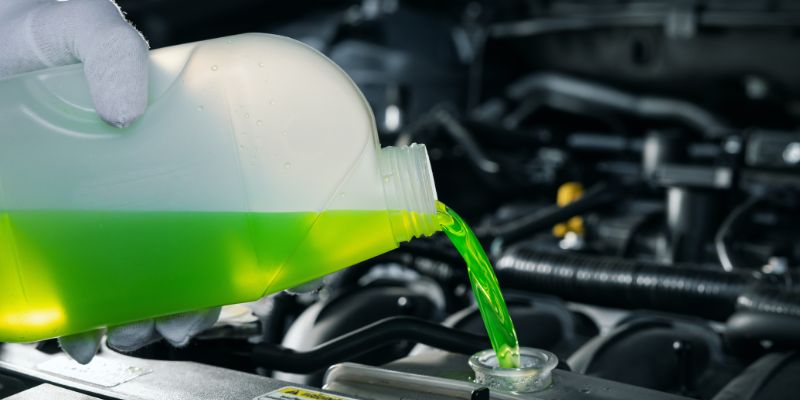
Adding coolant is straightforward once you’ve found the reservoir: let the engine cool for at least an hour, check the level against the MIN and MAX marks, and top off with the coolant type your manufacturer specifies. For the full step-by-step process — including how much to add and which premixed ratio to use — see our complete guide on how to refill coolant in a car. If you’re unsure at any point, a mechanic can do it safely in minutes.
Common Coolant Types and Which One to Use
Coolant comes in several types, and using the wrong one can cause real problems. Always use what your manufacturer specifies — mixing different types can cause gelling or reduced effectiveness. For a full breakdown of whether one type works across all makes, see is coolant the same for all cars?
- Inorganic Additive Technology (IAT): The traditional green coolant. Still used in some vehicles, but needs changing every 2-3 years.
- Organic Acid Technology (OAT): Often orange or red and lasts longer, up to 5 years. Common in newer vehicles.
- Hybrid Organic Acid Technology (HOAT): A mix of IAT and OAT, often yellow or orange. Used in many modern cars.
- Phosphate-Free OAT: Common in European cars, usually pink or blue. Designed for specific engines, so check your manual.
Signs Your Car Needs More Coolant
Check your dashboard first. A temperature warning light or a rising temperature gauge is a red flag. You might also notice steam or a sweet smell from under the hood, since coolant has a distinct sugary scent. If your heater stops blowing warm air, that’s another clue, since the heater core relies on coolant.
Physically check the reservoir. If the level is below the “min” mark, it’s time to add more. Leaks are another issue — look for puddles under your car or wet spots on hoses. For a full diagnosis of where a leak is coming from, see why is my car leaking antifreeze.
What Happens If You Don’t Add Coolant?
Without enough coolant, your engine can’t dissipate heat properly. This leads to overheating, which can warp metal parts, blow gaskets, or even crack the engine block — repairs that can cost thousands.
Low coolant also affects your heater, leaving you cold in winter, and can cause corrosion inside the engine that leads to long-term damage. Keeping an eye on coolant levels avoids these headaches.
How Often Should You Check or Replace Coolant?
Check your coolant level monthly, and especially before long trips or extreme weather. Replacement intervals depend on the coolant type — IAT typically needs changing every 2-3 years, while OAT or HOAT can last up to 5 years or 150,000 miles. For the full breakdown by coolant type and mileage, see our guide on how often to change your antifreeze.
Can You Add Coolant Yourself or Should You Visit a Mechanic?
Topping off coolant yourself is safe and simple once you know where the reservoir is. But if you suspect a leak, see warning lights, or need a full coolant flush, that’s a job for a mechanic — flushing the system means draining old coolant, cleaning the system, and refilling it with the right mix, which takes specialized tools. See our coolant flush guide for the full process and cost breakdown.
Tips for Maintaining Your Car’s Cooling System
Keeping your cooling system in top shape is easier than you might think:
- Check coolant levels regularly, especially before long drives.
- Use the right coolant type for your car.
- Inspect hoses and the radiator for leaks or cracks.
- Listen for unusual noises, like gurgling, which could indicate air in the system.
- Schedule a professional coolant flush every few years.
- Keep an extra bottle of coolant in your trunk for emergencies.
Conclusion
Engine coolant goes into the translucent reservoir tank near the radiator — never the pressurized radiator cap when the engine is hot. Once you know how to spot your reservoir and tell it apart from the washer fluid and brake fluid tanks, checking and topping off coolant takes less than five minutes. Keep an eye on the level every month and you’ll catch a leak long before it becomes an overheating problem.
Frequently Asked Questions
What happens if I put the wrong coolant in my car?
Using the wrong coolant can cause issues like corrosion or gelling, which clogs the system. Always check your manual for the right type and avoid mixing different coolants.
Can I use water instead of coolant?
Water alone isn’t a good substitute. It doesn’t have the antifreeze or anti-corrosion properties of coolant. In a pinch, distilled water works temporarily, but replace it with proper coolant as soon as possible.
How do I know if my coolant is leaking?
Look for puddles under your car, a sweet smell, or low reservoir levels. Check hoses, the radiator, and the water pump for leaks.
Is it normal for coolant levels to drop over time?
A slight drop is normal due to evaporation or small leaks, but a big drop isn’t. Check your levels monthly and top off if needed. If you’re adding coolant often, get the system inspected for leaks.
Can I drive with low coolant?
It’s not recommended. Low coolant can cause overheating, which damages your engine. If you must drive, keep it short, watch the temperature gauge, and top off the coolant as soon as you can.
How do I know which reservoir is for coolant?
Look for a translucent tank near the radiator with a cap warning not to open when hot, often marked with a coolant-drop symbol and MIN/MAX lines. The washer fluid tank has a windshield-spray icon and usually holds blue-tinted liquid, while the brake fluid reservoir is a small tank near the firewall with its own warning icon. When in doubt, check your owner’s manual before adding anything.
Can I open the radiator cap instead of the reservoir?
Only when the engine is completely cold. The reservoir cap is safe to open anytime for routine top-offs since it isn’t pressurized, but the radiator cap seals a pressurized system that can release 250°F+ scalding fluid if opened hot. For daily maintenance, always use the reservoir.
Products related to this article
Sponsored / affiliate links. As an Amazon Associate I earn from qualifying purchases. I may earn additional commission from eligible campaigns.