Car AC Making Hissing Noise From Vents Troubleshoot Guide
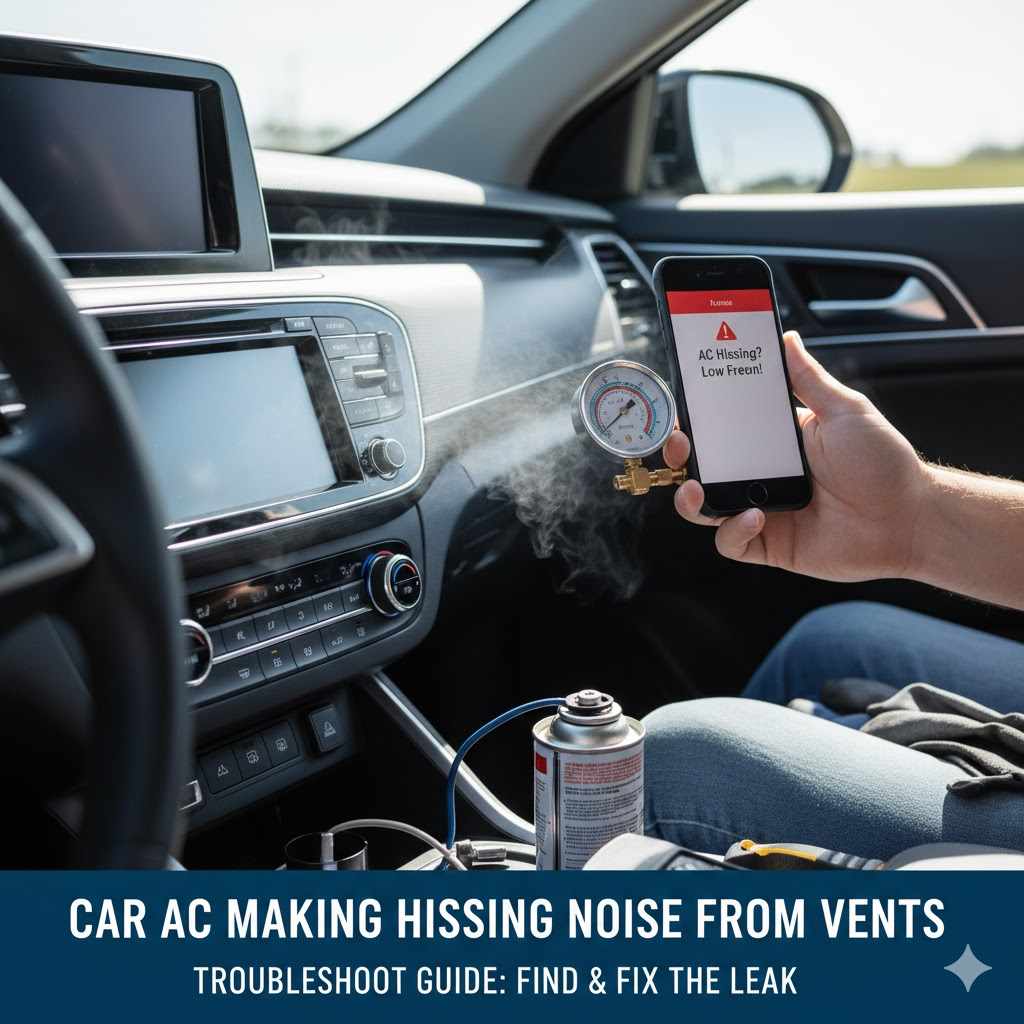
Having your Car AC Making Hissing Noise From Vents can be a bit tricky, especially if you’re not a car expert. It’s a common problem, so don’t worry! You’re definitely not alone. It might sound like a big problem, but we’ll break it down into simple steps. We’ll explore the causes and offer a straightforward, easy-to-follow guide to help you find the source and fix it. Ready to explore what’s happening and how to get that cool air flowing again?
Possible Reasons for That Annoying Sound
A hissing sound from your car’s air conditioning vents usually means something isn’t working quite right. This noise can be concerning, but it often points to specific issues, most of which are fixable without major repairs. The sound itself offers clues to the problem’s source. Many parts work together to cool your car. The refrigerant, the compressor, and the vents all play a role. When something is wrong, the noise helps point the way to finding what’s broken.
This section explores some of the most common reasons your AC might be hissing. We will look at problems like refrigerant leaks, the expansion valve, and the compressor itself. Each of these components has a specific function, and when they aren’t working right, a hissing sound can be a clue that something needs attention. By exploring these potential causes, you’ll be one step closer to solving the issue and enjoying cool, comfortable drives.
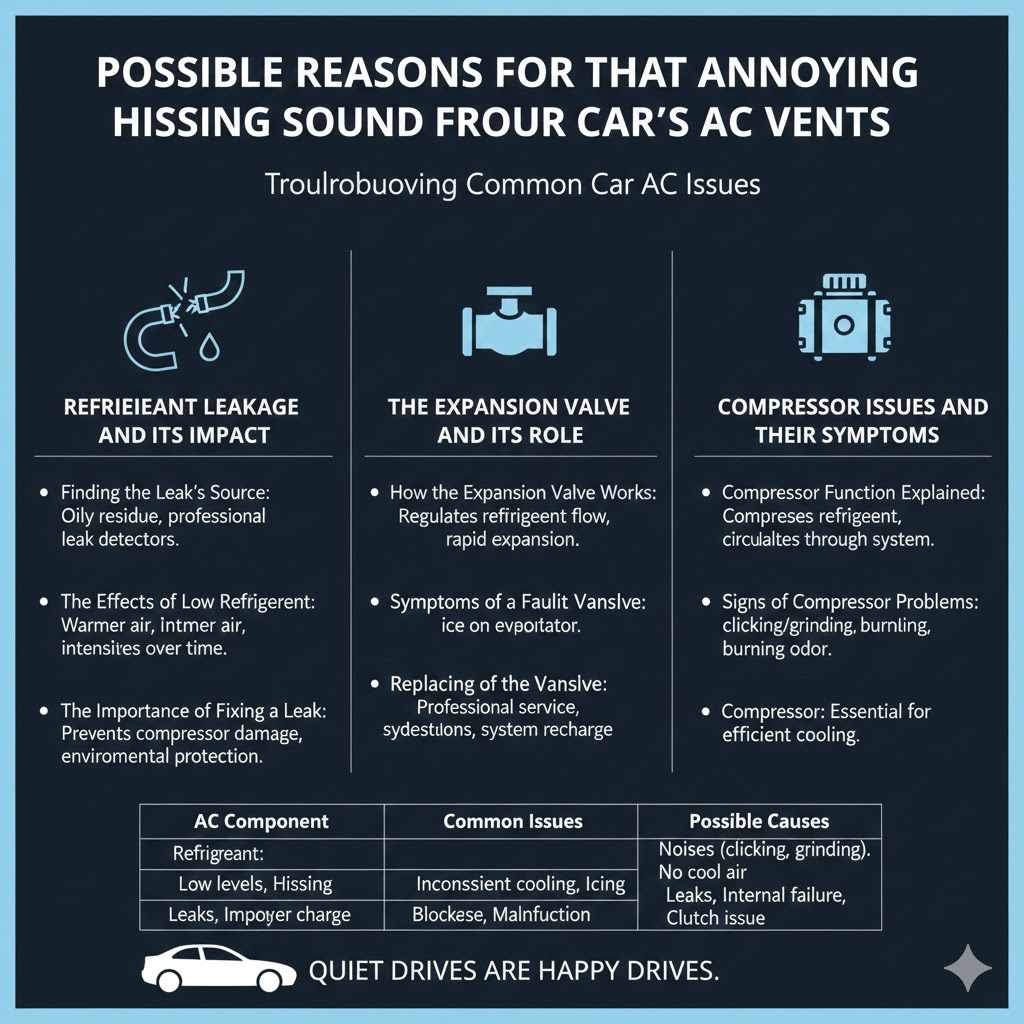
Refrigerant Leakage and Its Impact
One of the top reasons for a hissing noise from your AC vents is a refrigerant leak. Refrigerant is the substance that absorbs heat from inside your car and releases it outside. It circulates through the AC system in a closed loop. If there’s a leak, the refrigerant can escape, reducing its effectiveness and causing unusual noises. Leaks can happen due to damage to components like the compressor, the condenser, or the hoses that carry the refrigerant.
- Finding the Leak’s Source Locating the exact spot where the refrigerant is escaping is key. This often involves checking the components of your AC system for visual signs of leakage. Look for oily residue, which often indicates refrigerant is present. A professional mechanic might use specialized tools, such as a leak detector, to pinpoint the leak.
- The Effects of Low Refrigerant As refrigerant leaks out, the AC system becomes less effective at cooling. The air coming from the vents will gradually become warmer. You might first notice a slight decrease in cooling, but it will worsen over time. The hissing sound often intensifies as the refrigerant level drops.
- The Importance of Fixing a Leak Ignoring a refrigerant leak can lead to further issues. The compressor might overheat and fail, causing costly repairs. Moreover, the environmental impact of releasing refrigerant into the atmosphere is significant. Fixing the leak is important to protect your car and the environment.
The Expansion Valve and Its Role
The expansion valve is a small but critical part of your car’s AC system. It is responsible for controlling the flow of refrigerant into the evaporator, where the cooling process begins. The valve regulates the pressure and temperature of the refrigerant as it enters the evaporator. When the expansion valve fails or gets blocked, it can cause the characteristic hissing sound you hear from the vents. A faulty valve might not regulate refrigerant flow properly, leading to pressure fluctuations and noise.
- How the Expansion Valve Works The valve essentially acts as a constriction point in the refrigerant’s path. As the refrigerant passes through it, it rapidly expands, causing a drop in pressure and temperature. The valve’s design allows it to adjust the amount of refrigerant flow based on the cooling demand.
- Symptoms of a Faulty Expansion Valve Besides the hissing noise, a bad expansion valve can also cause other symptoms. You might notice inconsistent cooling. Sometimes the AC will blow cold air, and other times, it will blow warm air. Another sign is ice forming on the evaporator core.
- Replacing the Expansion Valve Replacing an expansion valve often involves removing and replacing it with a new one. This process requires working in the AC system, which can be delicate. It is usually best to have a professional handle this. The mechanic will also need to evacuate the refrigerant from the system before replacing the valve and then recharge it.
Compressor Issues and Their Symptoms
The compressor is the heart of your car’s AC system, responsible for compressing the refrigerant and circulating it throughout the system. When the compressor fails or malfunctions, it can produce a variety of unusual noises, including hissing. The compressor is a vital component. It creates the pressure needed for the refrigerant to absorb heat inside your car and release it outside. A faulty compressor might not compress the refrigerant efficiently or might leak internally, leading to noises.
- Compressor Function Explained The compressor works like a pump, drawing in low-pressure refrigerant and compressing it into a high-pressure, high-temperature gas. This compressed refrigerant then flows to the condenser, where heat is released. A properly functioning compressor ensures efficient cooling.
- Signs of Compressor Problems Besides a hissing sound, other symptoms can indicate a failing compressor. These include reduced cooling performance, the AC clutch not engaging, and unusual noises like clicking or grinding. You may also see or smell a burning odor from under the hood, indicating the compressor is overheating.
- Compressor
Getting Ready to Diagnose the Problem
Before you start investigating that annoying hissing sound, it’s good to prepare. Gathering the right tools and knowing some basics about your car’s AC system can make the process easier and safer. You can often learn a lot just by looking, listening, and feeling. It is often wise to get help from a mechanic, but these initial steps can provide information. This allows you to explore the source of the noise before heading to a mechanic. Preparing your car and knowing the basic functions of the AC can make the process simpler.
This section will explain how to start preparing to diagnose the source of the hissing sound. We’ll cover what tools you might need, safety tips, and what you should look for when inspecting your AC system. The first steps in fixing a problem always involve observation. Doing the right things here can save time and get you back in the cool air faster.
Necessary Tools and Safety Measures
To safely begin diagnosing the cause of the hissing noise, you’ll need a few essential tools. Safety is also key. The AC system contains refrigerant under pressure. This can be dangerous if mishandled. Gathering your tools and following safety guidelines will help you. With these, you can start exploring the situation and make a good assessment.
- Essential Tools You’ll likely need basic tools like screwdrivers, pliers, and a flashlight to visually inspect the system. A gauge set for measuring AC system pressure can be very helpful. If you’re planning to do more in-depth work, you might also need an AC leak detector to find refrigerant leaks.
- Safety Precautions Always wear safety glasses to protect your eyes. Work in a well-ventilated area because refrigerant can displace oxygen. Never open the AC system without knowing how to handle refrigerant. It can cause frostbite if it comes into contact with your skin. If you suspect a leak, do not try to fix it yourself unless you are qualified.
- Vehicle Preparation Make sure your car is parked on a level surface. Turn off the engine and let it cool down before you start working. Disconnect the negative battery cable to prevent any electrical issues. This will help make the work area safer and more accessible.
Inspecting the AC System Visually
A visual inspection of your car’s AC system is a great starting point. You can often spot problems just by looking for them. Examine the components for obvious signs of damage or wear. This includes checking for leaks, damage to hoses, and other components. Taking the time to look carefully at the system can tell you a lot.
- Check for Leaks Look for oily residue around the compressor, condenser, and hoses. This can indicate a refrigerant leak. Also, check the connections and the core of the components. A small amount of oil is a telltale sign of a leak.
- Inspect Hoses and Connections Examine the hoses and connections for any cracks, fraying, or loose fittings. The hoses carry refrigerant. Any damage can lead to leaks. Make sure all connections are secure.
- Look for Physical Damage Carefully check the compressor, condenser, and other components for any physical damage. Bends or other damage can affect the system’s performance. These components can be easily damaged from road debris or accidents.
Listening and Feeling for Clues
Listening carefully to the hissing sound and feeling for any unusual sensations can offer valuable clues about the problem. As you listen, try to identify when the sound happens and how it changes. Feeling for any temperature changes or unusual air flow from the vents can also provide valuable information.
- What to Listen For Pay attention to when the hissing occurs. Does it happen all the time, only when the AC is on, or when the engine is running? Does the noise change with engine speed or when the AC clutch engages?
- Feeling for Airflow and Temperature Hold your hand near the vents to check the air flow and temperature. Is the air cool, warm, or inconsistent? Inconsistent air flow and temperature shifts could signal problems.
- Examining Other Noises Besides the hissing, listen for any other unusual sounds. Clicking, grinding, or rattling can also tell you something. These could suggest issues with the compressor, expansion valve, or other internal components.
Understanding the Diagnosis Process
Diagnosing the exact cause of a hissing sound involves systematic troubleshooting. The process is a bit like solving a puzzle, where you gather clues and eliminate potential causes until you find the source of the problem. Your goal is to pinpoint the exact part or parts that are causing the issue. A clear diagnosis will help you fix the issue and restore the AC’s function. By understanding the process, you’ll feel confident in your efforts, whether you are doing the work yourself or taking it to a professional.
The following steps are designed to help you determine where the problem lies. We’ll explore checking the pressure, finding leaks, and deciding whether to consult a professional. Knowing what to do and when to ask for help is key. By the end, you’ll be well-prepared to deal with the problem. This will help you get that cool air back in your car.
Checking the AC System Pressure
Checking the pressure of your car’s AC system is a key step in diagnosing the problem. Refrigerant pressure is a good indicator of the system’s condition. Too much or too little refrigerant can affect how your AC cools. Measuring the pressure helps you see if there’s a leak or other problems. Always handle refrigerant safely, and if you’re not confident, get help from an expert.
- Using a Gauge Set To check the pressure, you will need an AC gauge set. This tool lets you check the low and high-pressure sides of the system. Attach the gauges to the service ports. Start your engine. Observe the readings.
- Interpreting Pressure Readings Low pressure on both sides can indicate a refrigerant leak or an obstruction. High pressure can suggest problems with the condenser or a blockage. Pressure readings help you assess the condition of the AC system and point to possible issues.
- Dealing With Pressure Issues If the pressure is low, you might have a leak that needs to be repaired. If the pressure is very high, you should have the system checked by a professional. This may involve flushing the system. Remember to follow safety precautions when working with AC systems.
Detecting Refrigerant Leaks Effectively
Detecting refrigerant leaks is an important part of solving the hissing sound problem. You must find the leak to fix it. Several methods can help you pinpoint where the refrigerant is escaping. Some methods are easier than others, and it often takes a combination of them to locate a leak. Doing these steps will help you resolve the issue, and you can enjoy a comfortable cabin again.
- Visual Inspection of Components Start by looking for oily residue on the components of the AC system. This residue often appears near leaks because refrigerant carries oil. Check the compressor, condenser, evaporator, and hoses.
- Using an AC Leak Detector An AC leak detector can help you find small or hidden leaks. These tools detect refrigerant gas and can pinpoint the leak’s location. Move the detector slowly across the components. The device will sound an alarm when it detects a leak.
- Adding Dye to the System Adding a fluorescent dye to the AC system can make leaks visible. After running the system, use a UV light to find where the dye has escaped. This method is effective but requires specialized equipment. It also requires that the system is recharged.
When to Seek Professional Help
While you can troubleshoot your car’s AC system yourself, there are times when it’s best to seek professional help. Complex repairs, handling refrigerant, and diagnosing certain problems can require specialized equipment and expertise. Safety is also a crucial factor. If you’re not comfortable, don’t hesitate to ask a professional. Knowing when to involve a mechanic can save you time and money.
- Complex Repairs If the compressor, expansion valve, or evaporator needs replacing, these are often best left to a professional. These repairs require more technical knowledge and specific tools. They also require working with refrigerant and sealed systems.
- Refrigerant Handling Handling refrigerant safely requires specific training and equipment. Improper handling can cause serious health and environmental issues. If you’re not trained, let a qualified technician handle any refrigerant-related tasks.
- Persistent Issues If you’ve tried to fix the problem and are still hearing the hissing sound, it’s time to seek expert help. A mechanic has the expertise, tools, and experience to diagnose and fix the issue. It can save you from frustration.
Repairing and Maintaining Your AC System
Once you’ve identified the problem, the next step is to repair your car’s AC system. This section provides an overview of common repairs. You’ll learn how to
We’ll look at the steps for replacing parts and share tips to keep your AC system working well. This section has information for those wanting to handle repairs themselves, along with general advice. Whether you are doing the work yourself or having a professional do it, this section will help.
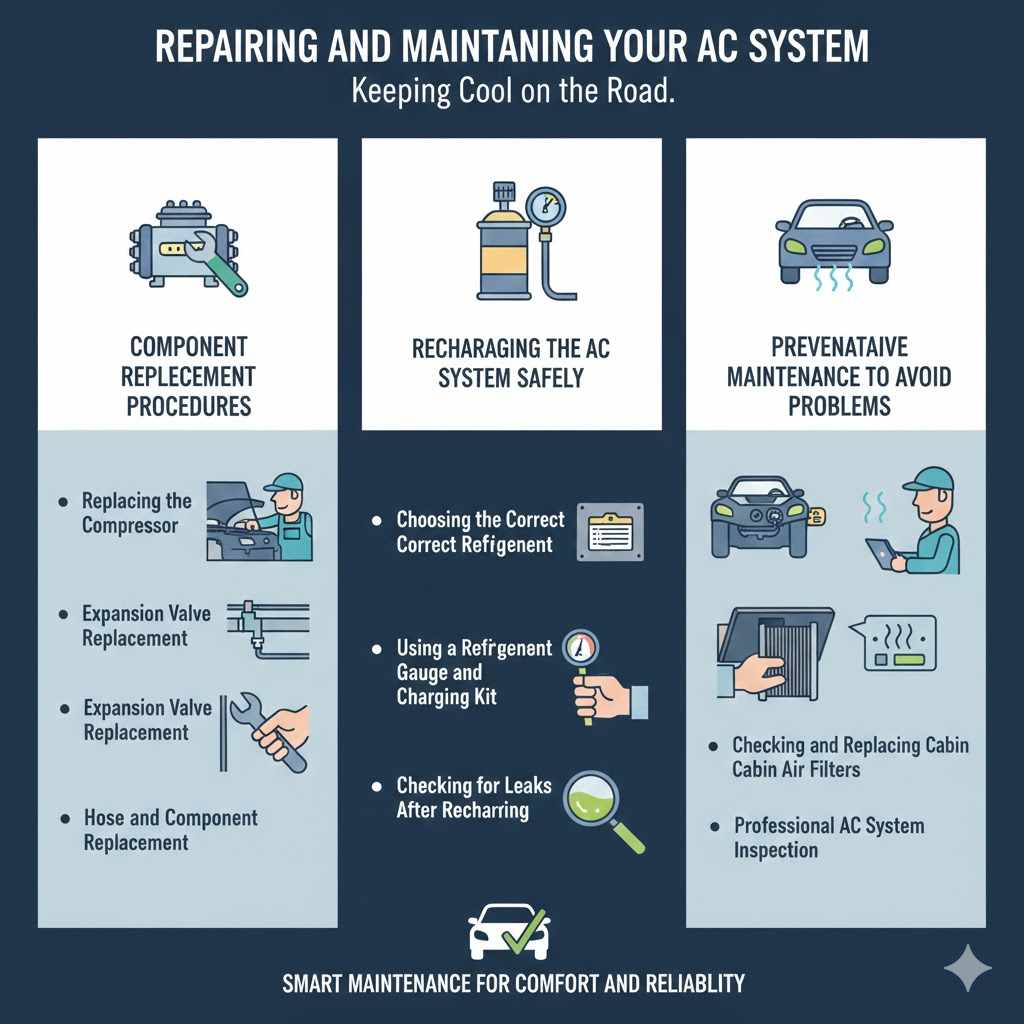
Component Replacement Procedures
Replacing components in your car’s AC system involves specific steps. These can vary depending on the part. Each component has its installation procedures, and some are more difficult than others. Knowing the right approach is key to success. Proper replacement will help ensure your AC system is working correctly. If you’re unsure about any step, don’t hesitate to seek advice from a mechanic.
- Replacing the Compressor Replacing the compressor is a job that typically needs to be done by a professional. The AC system must be evacuated, the old compressor removed, and the new compressor installed. The system then needs to be recharged with refrigerant.
- Expansion Valve Replacement Replacing the expansion valve also needs to be done carefully. The AC system must be depressurized. The valve is usually located where the evaporator is located. After replacing the valve, the system must be recharged.
- Hose and Component Replacement Replacing hoses or components that are leaking can sometimes be done. You need to identify the leak and replace the damaged part. These repairs also require care to avoid releasing refrigerant. Make sure to consult the correct procedures and use the right tools.
Recharging the AC System Safely
Recharging the AC system is a final step after making repairs. Doing this needs to be done correctly to ensure your AC works properly. Using the wrong amount or type of refrigerant can cause cooling problems. Follow the manufacturer’s guidelines, use appropriate safety measures, and be aware of the environmental impact. The end result will be a working AC system that gives you cool air.
- Choosing the Correct Refrigerant Use the type of refrigerant recommended by your car’s manufacturer. The correct refrigerant type is essential for optimal performance. The type is often indicated on a label under the hood of the car.
- Using a Refrigerant Gauge and Charging Kit A refrigerant gauge and charging kit will allow you to add refrigerant accurately. Attach the gauge set to the low-pressure side of the system. Then, slowly add refrigerant while monitoring the pressure readings. Do not overcharge.
- Checking for Leaks After Recharging After recharging the system, check for leaks. Look for the same indicators like oily residue on the components. Run the AC system and ensure it blows cold air. This will allow you to verify the repair work and the successful recharge.
Preventative Maintenance to Avoid Problems
Regular maintenance can go a long way in preventing problems with your car’s AC system. By taking a few steps, you can help keep your AC running smoothly. These steps will save you money and headaches in the long run. Good maintenance habits can make your car’s cooling system last longer. This can help you stay comfortable during the warm months.
- Regular AC System Operation Run your AC system periodically, even during cooler months. This keeps the components lubricated and ensures the refrigerant circulates. Doing this will help prevent seals from drying out.
- Checking and Replacing Cabin Air Filters Replace your car’s cabin air filter regularly. A clean filter ensures good airflow through the AC system. This prevents the system from working harder than it should. Refer to your owner’s manual for the filter replacement schedule.
- Professional AC System Inspection Have your AC system inspected by a professional. This will help you detect potential problems early. The mechanic can identify any leaks or issues. Early detection can prevent major repairs.
Frequently Asked Questions
Question: What does the hissing sound from my car’s AC indicate?
Answer: The hissing often indicates a leak of refrigerant from the AC system, or a problem with a valve.
Question: Can I fix the hissing noise on my own?
Answer: Some basic troubleshooting steps can be done yourself, like checking for obvious leaks. However, complex repairs often require a mechanic.
Question: What’s the purpose of the expansion valve?
Answer: The expansion valve controls the flow of refrigerant into the evaporator.
Question: Why is refrigerant leaking bad?
Answer: Refrigerant leaks mean the AC won’t cool well, and it can damage the system.
Question: How can I prevent AC problems?
Answer: Run your AC regularly, change your cabin air filter, and have your system checked by a professional.
Final Thoughts
Dealing with that Car AC Making Hissing Noise From Vents can be a bit of a hassle, but finding the source of the problem is something you can do. You now have a good idea of why it might be happening. We’ve explored common culprits. These include refrigerant leaks, expansion valve issues, and problems with the compressor. You’ve also explored how to get ready to find the problem, and how to know when to ask a professional for help. Remember, keeping your AC running smoothly requires regular maintenance and a little attention.
So, the next time you hear that hissing sound, don’t panic! Use what you’ve learned to explore the problem. Do a simple inspection, and if you’re comfortable, try some troubleshooting steps. If things get tricky, don’t hesitate to reach out to a trusted mechanic. With a little care and attention, you can get back to enjoying cool, comfortable drives again. Now, get out there and keep cool!