Car AC Not Cooling Compressor Works Causes
It can be really puzzling when your car’s air conditioning system seems to be trying its best, but your car AC is not cooling, and the compressor works. This is a common problem, especially for folks who aren’t mechanics. It’s frustrating to feel that warm air when you expect cool air, but don’t worry.
We will walk through the potential reasons why this happens step-by-step. By the end, you’ll have a clearer picture of what might be going on and what to do next.
Understanding Car AC Not Cooling but Compressor Works Causes
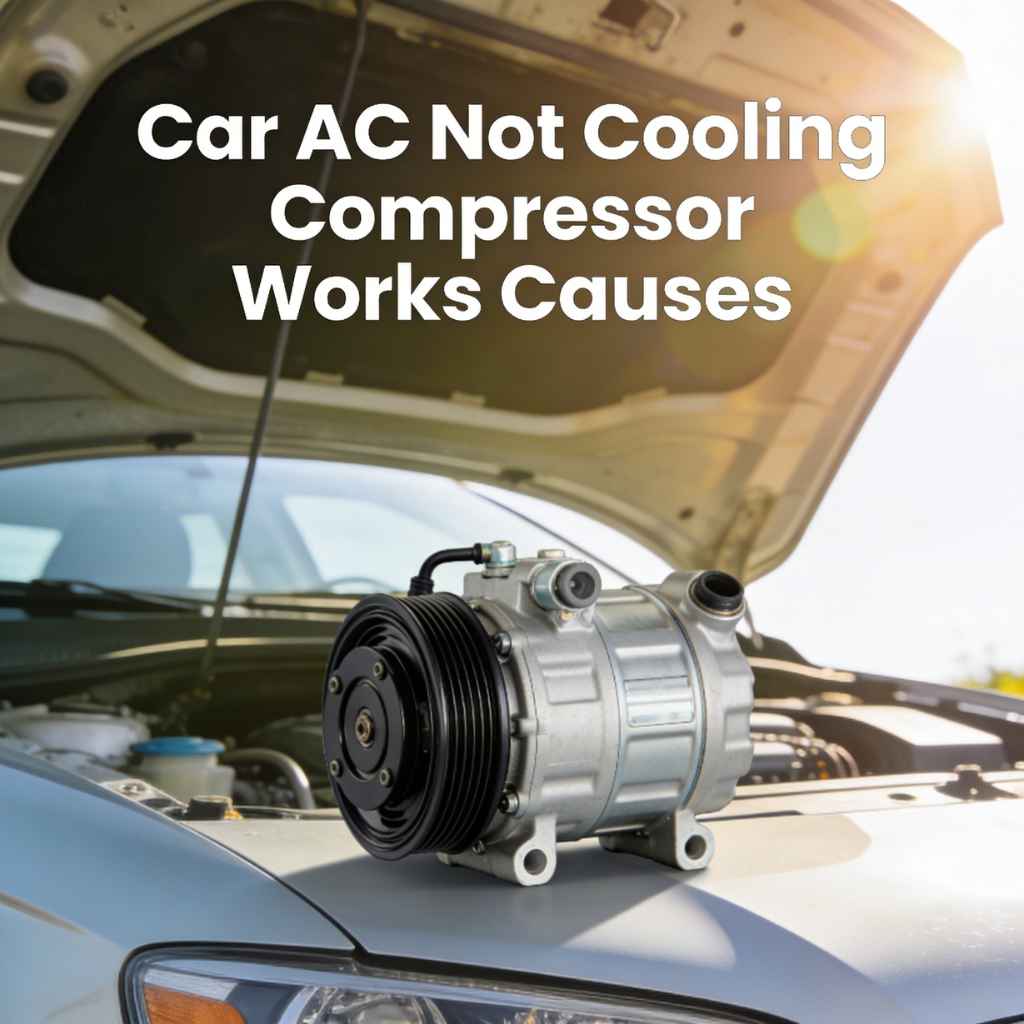
When your car’s AC blows warm air, but you can hear the compressor engaging, it points to a specific set of issues. The compressor is the heart of the AC system; it pumps refrigerant. If it’s running, the problem isn’t with the compressor itself, but rather what happens after the refrigerant leaves it.
This situation is common because many parts work together to cool your car. A failure in just one of these parts can stop the cooling process. Identifying the Car AC Not Cooling but Compressor Works?
Causes involves checking other components that handle the refrigerant and airflow. Let’s explore these possibilities.
Refrigerant Levels and Leaks
Refrigerant is the lifeblood of your car’s AC system. It’s a special gas that absorbs heat from the cabin and releases it outside. When the refrigerant level drops too low, the system can’t effectively cool the air.
Even if the compressor is working, it’s just circulating a gas that’s not at the right pressure or quantity to do its job. A common reason for low refrigerant is a leak somewhere in the AC lines or components. These leaks can be small and slow, meaning the system might work for a while before you notice the cooling issues.
Leaks in AC systems are a frequent culprit. Over time, rubber hoses can degrade, seals can wear out, and metal components can corrode, all creating small openings for refrigerant to escape. When the refrigerant escapes, the system loses its cooling capacity.
The compressor might still try to pump, but there isn’t enough substance to cool down. You might also notice a faint, sweet smell if there’s a leak, as some refrigerants have an additive for leak detection.
Signs of Low Refrigerant
If your AC is not cooling well, but the compressor is running, a low refrigerant level is a strong possibility. You might hear the compressor cycle on and off more frequently than usual. The air coming from the vents might feel cool, but not cold enough, especially on a hot day.
Another sign is if the air feels slightly humid or damp, indicating the system is struggling to dehumidify the air.
Finding and Fixing Leaks
Locating AC leaks can be tricky. Professional mechanics use specialized tools like UV dye kits. They add a fluorescent dye to the system, run the AC for a bit, and then use a UV light to spot where the dye has escaped along with the refrigerant.
Once a leak is found, the damaged part, whether it’s a hose, seal, or fitting, needs to be
Importance of Proper Refrigerant Charge
It’s crucial to have the correct amount of refrigerant. Too little, and cooling suffers. Surprisingly, too much refrigerant can also hinder performance and even damage the compressor.
This is why professional service, using precise gauges and scales, is important for recharging the system. They ensure the system has exactly what it needs to operate efficiently.
Condenser Issues
The condenser is another vital component of your car’s AC. It’s usually located at the front of the car, near the radiator. Its job is to release the heat that the refrigerant absorbed from the cabin.
Think of it like a radiator for your AC. If the condenser is blocked or damaged, it can’t dissipate heat effectively. This means the refrigerant stays hot, and the AC won’t cool.
When the condenser is dirty, debris like leaves, bugs, or dirt can accumulate on its fins. This buildup acts like an insulator, preventing heat from escaping. Similarly, if the condenser’s fan isn’t working, it won’t draw air through the fins to cool the refrigerant.
This is especially noticeable when the car is stationary or moving slowly, as there’s less natural airflow.
Blocked Condenser Fins
Over time, the fins on the condenser can become clogged with road debris. This reduces the surface area available for heat exchange. A simple visual inspection can often reveal this problem.
If the fins look dirty or bent, they might need cleaning or gentle straightening. A clogged condenser means the hot refrigerant can’t cool down properly, leading to poor cooling performance.
Condenser Fan Malfunctions
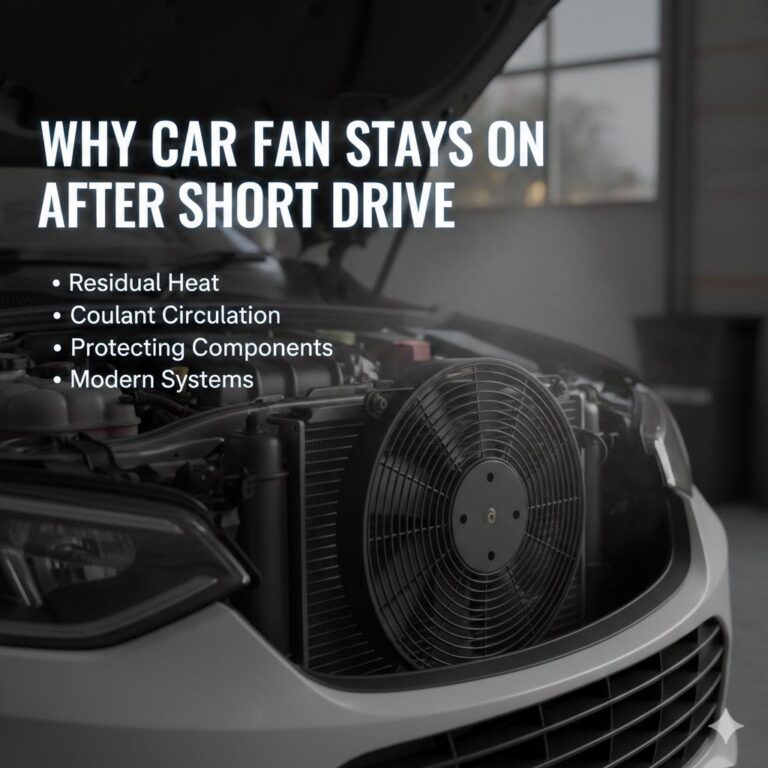
The condenser fan plays a critical role, especially at low speeds or when idling. It pulls air through the condenser fins to facilitate cooling. If this fan fails to operate, the refrigerant won’t cool down enough, and the AC will struggle to produce cold air.
The fan might fail due to a bad motor, a blown fuse, or faulty wiring. Sometimes, the fan only operates at certain speeds or when the AC is on a specific setting, making diagnostics a bit more complex.
Damage to the Condenser
The condenser is exposed to the elements and can be damaged by road debris, rocks, or during minor accidents. A damaged condenser might have bent fins or even cracks in its structure. Such damage compromises its ability to transfer heat, leading to reduced cooling.
Replacing a damaged condenser is usually necessary to restore AC performance.
Evaporator Problems
While the condenser releases heat outside, the evaporator is where the magic of cooling happens inside your car. It’s located inside the dashboard. Refrigerant flows through the evaporator, absorbing heat from the cabin air that’s blown over it.
If the evaporator is dirty, frozen, or damaged, it can’t absorb heat efficiently. This is another key reason for your Car AC Not Cooling but Compressor Works? Causes.
A common issue with the evaporator is freezing. This can happen if there’s an obstruction in the system that causes the refrigerant pressure to drop too low, making it extremely cold and icing up the evaporator fins. It can also be related to a malfunctioning expansion valve or orifice tube.
When the evaporator freezes, air cannot pass through it, and no cool air reaches your cabin.
Dirty Evaporator Core
Similar to the condenser, the evaporator core can get dirty. However, it’s usually dirt, dust, and mold that build up on its fins. This buildup insulates the fins, preventing them from absorbing heat from the cabin air.
This not only reduces cooling but can also lead to musty or moldy smells. Regular cabin air filter replacement helps to keep the evaporator cleaner.
Frozen Evaporator
If the evaporator freezes, it will block airflow. This blockage happens when the refrigerant gets too cold. A common cause is a faulty expansion valve or orifice tube, which controls refrigerant flow into the evaporator.
If it lets too much refrigerant in, it can over-cool and freeze. Another cause can be moisture in the system freezing up. When it freezes, it looks like ice covering the evaporator fins, making it impossible for air to pass through.
Clogged Evaporator Drain
The evaporator also dehumidifies the air, and this moisture needs to drain out of the car, usually through a small tube under the vehicle. If this drain line gets clogged with debris, water can back up into the evaporator case. This excess moisture can then freeze onto the evaporator fins, causing blockages and reducing cooling efficiency.
You might notice water pooling inside the car on the passenger side floor if this is the issue.
Airflow Obstructions
Even if your refrigerant is fine and your condenser and evaporator are clean, you still won’t get cold air if the air can’t flow properly. This relates to what happens after the evaporator. Air needs to be pulled from the cabin, passed over the cold evaporator, and then pushed back into the cabin.
Blockages anywhere in this path can severely impact cooling.
The most common culprits are dirty cabin air filters. These filters are designed to clean the air you breathe inside your car. Over time, they get clogged with dust, leaves, and other debris.
A severely clogged filter can restrict airflow so much that the AC system can’t function effectively. Other obstructions could be related to the blower motor or issues within the ductwork itself.
Clogged Cabin Air Filter
The cabin air filter is your first line of defense against dust and allergens entering your car’s interior. When it becomes clogged, it dramatically restricts airflow into the cabin. This means less air passes over the cold evaporator, and therefore less cool air reaches you.
Replacing a cabin air filter is often a simple DIY task and can significantly improve AC performance.
Blower Motor Issues
The blower motor is responsible for pushing air through the AC system and into the cabin. If the blower motor is weak, failing, or has a problem with its resistor, the airflow will be reduced. You might notice the fan speed is low, or it only works on certain settings.
A faulty blower motor means that even if the AC components are working correctly, the cool air can’t be effectively distributed.
Ductwork Problems
Though less common, damage or blockages within the vehicle’s ductwork can also impede airflow. This could involve collapsed ducts, foreign objects lodged inside, or issues with the blend doors that direct air to different vents. These problems are usually more complex to diagnose and repair, often requiring dashboard disassembly.
Electrical System and Sensor Issues
Modern car AC systems rely on a network of sensors and electrical controls to operate efficiently and safely. If any of these sensors are faulty or if there are electrical problems, the system might not function as intended, even if the compressor is running. The system might be signaling that something is wrong, and the computer will prevent it from cooling to avoid damage.
Sensors like the ambient temperature sensor, evaporator temperature sensor, and pressure sensors provide crucial data to the AC control module. If a sensor sends incorrect information, the module might make wrong decisions about refrigerant flow or fan speeds. Electrical issues could involve blown fuses, faulty relays, or damaged wiring harnesses that interrupt the flow of power or signals.
Faulty Pressure Switches
Your AC system has high and low-pressure switches. These switches protect the system. If the pressure is too high or too low, they can shut down the compressor.
If a pressure switch is faulty, it might incorrectly tell the system that the pressure is out of range, preventing the compressor from engaging or causing it to cycle off prematurely, even if the refrigerant levels are okay.
Temperature Sensor Malfunctions
The evaporator temperature sensor monitors how cold the evaporator is getting. If this sensor fails, it might incorrectly report that the evaporator is too cold (even if it’s not), causing the system to shut down the compressor to prevent freezing. Similarly, an ambient temperature sensor failure can provide incorrect outside temperature readings, affecting the system’s performance calculations.
Control Module or Wiring Problems
The AC control module is the brain of the system. If it has an internal fault, it can cause all sorts of AC problems, including preventing cooling. Issues with the wiring harness, such as corrosion, breaks, or loose connections, can also disrupt electrical signals, leading to the AC not working correctly.
A simple blown fuse or a bad relay for the AC clutch or fan can also prevent the system from operating, even if the compressor itself is mechanically sound.
Troubleshooting Common Scenarios
Let’s look at a couple of real-world situations that highlight these Car AC Not Cooling but Compressor Works? Causes. These scenarios can help you relate the technical information to practical experiences.
Scenario 1: The Gradual Fade
Sarah noticed her car’s AC wasn’t as cold as usual for a few weeks. At first, she dismissed it as just a hot day. But then, it got worse.
She could hear the compressor kicking on, and the fan was blowing air, but it was only slightly cooler than outside. She decided to check her cabin air filter. It was absolutely caked with dirt and leaves.
After replacing it, the AC started blowing much colder air again. In this case, the airflow obstruction was the primary issue.
Scenario 2: The Sudden Stop
Mark was driving home when his car AC suddenly stopped blowing cold air. He knew the compressor was running because he could hear that familiar click and slight engine load change. He pulled over and looked under the hood.
He could see the AC compressor pulley spinning, but it seemed a bit sluggish. When he checked the condenser, he noticed it was covered in bugs and dirt. He also noticed that the condenser fan wasn’t spinning.
After a thorough cleaning of the condenser and a check of the fan motor (which turned out to be seized), he got the fan replaced. This restored proper cooling.
These examples show how different issues can lead to the same symptom. Recognizing these patterns can help in diagnosing the problem faster.
Frequently Asked Questions
Question: Why does my car AC blow warm air if the compressor is working?
Answer: If your car AC blows warm air but the compressor works, it means the compressor is running, but there’s an issue elsewhere in the system. This could be low refrigerant, a blocked condenser or evaporator, poor airflow, or electrical problems with sensors or controls.
Question: How often should I have my car AC serviced?
Answer: It’s a good idea to have your car’s AC system inspected annually, especially before the hot summer months. This helps catch potential issues like refrigerant leaks or blockages early on.
Question: Can I recharge my car AC myself?
Answer: While DIY recharge kits are available, they can be risky if not used correctly. Overcharging or undercharging the system can cause damage. It’s generally safer to have a professional service your AC system.
Question: What are the signs of a refrigerant leak?
Answer: Signs of a refrigerant leak include gradually decreasing cooling performance, the AC blowing warm air even with the compressor running, and sometimes a faint, sweet smell in the cabin.
Question: How does a clogged cabin air filter affect AC cooling?
Answer: A clogged cabin air filter restricts the amount of air that can pass over the evaporator. Less air passing over the cold evaporator means less heat is absorbed, resulting in warmer air being blown into the cabin.
Summary
When your car AC is not cooling but the compressor works, the issue lies beyond the compressor itself. It often involves refrigerant levels, airflow through the condenser and evaporator, or electrical system faults. Checking refrigerant, cleaning the condenser, replacing the cabin air filter, and inspecting sensors are key steps.
Addressing these potential Car AC Not Cooling but Compressor Works? Causes will help restore your vehicle’s cool comfort.