Car Cleaning Kit Cost
A basic car cleaning kit should usually cost about $25 to $50, an interior-first kit about $40 to $80, and a mid-tier kit about $80 to $150; a bundle is usually worth it only when it costs roughly 15% to 20% less than buying the same items separately. Pay too little, and you usually replace weak towels, flimsy mitts, or missing products one by one. This guide breaks down kit costs by contents, cleaning frequency, and when a bundle lowers your per-wash cost.
What counts as a car cleaning kit?

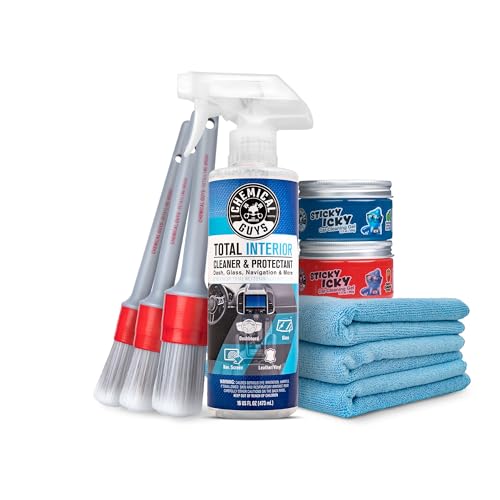
A car cleaning kit is a bundle for routine wash work and light interior upkeep. A detailing kit goes further and usually adds wax, sealant, clay, dressing, or more specialized tools. The price changes most with bottle size, towel quality, and whether the kit includes reusable tools you will keep for months.
Basic wash kit versus detailing kit
A basic car cleaning kit usually covers soap, microfiber towels, a wash mitt or foam applicator, and sometimes a wheel brush or small bucket kit. That is enough for occasional washes and light interior cleaning. A detailing kit is broader and more expensive because it adds products that protect paint or refresh trim after the wash.
Starter tools versus optional add-ons
At the low end, kit names vary by seller more than by function. One bundle may include only soap and towels, while another adds a bucket, brush, and interior spray. Check the contents, because the same “kit” can range from bare-bones to fully loaded.
Why kit names vary by seller
Retailers often use the same words for very different bundles. A “starter kit” may mean a wash-only set at one store and an interior-focused set at another. The real question is which items are inside, their sizes, and whether you will actually use them.
Car cleaning kit cost breakdown table
This table turns the sticker price into a cost-per-use view. Reusable tools matter because towels, mitts, and brushes spread their cost across many washes, while soap and interior spray keep coming back as consumables. A cheap bundle can still be poor value if the towels wear out fast or the bottles are tiny.
| Kit tier | Typical contents | What should be in it | What can be skipped | Typical price range | Estimated cost per use |
|---|---|---|---|---|---|
| Basic wash kit | Car wash soap, 2 to 3 microfiber towels, wash mitt, small wheel brush, one bucket | Soap, at least 2 decent towels, one mitt, one bucket | Extra applicators, heavy trim dressing, duplicate brushes | $25 to $50 | $1 to $3 after reuse |
| Interior-first kit | Interior cleaner, 3 to 6 microfiber towels, small brush, maybe a handheld duster | Interior spray or wipes, soft towels, one detailing brush | Exterior soap, wheel brush, wax, sealant | $40 to $80 | $1.50 to $4 after reuse |
| Full detailing kit | Soap, interior cleaner, multiple towels, wash mitt, wheel brush, bucket kit, wax or sealant, clay, dressing | Soap, towel set, mitt, bucket setup, at least one paint-protection product | Duplicate soaps, extra bottles you will not open soon | $80 to $150 | $2 to $6 after reuse |
The per-use figures above assume the reusable pieces last through many washes and the consumables are used in normal amounts. That is why the cheapest shelf price is not always the cheapest choice. A thicker towel pack or better soap can lower the real cost if you clean often.
How much should each item cost?
Most of the budget should go to the items you will replace or use up. Car wash soap affects per-wash cost more than the shelf price suggests, because dilution rate matters. Microfiber towels also matter more than many buyers expect, since low-grade towels can shed, lose softness, or need replacement sooner.
Car wash soap and dilution value
Car wash soap is usually sold by the bottle, and the number of washes depends on how much you dilute per bucket or foam cannon use. A concentrated bottle that costs more up front can still be cheaper per wash than a low-cost bottle that empties fast. For home use, soap often ends up being a small but recurring line item.
Microfiber towels and quality tiers
Microfiber towels commonly come in packs of 2, 4, 6, 12, or more. Quality is often described by GSM, with lighter towels suited to general wiping and higher-GSM towels better for drying or paint-safe work. Cheap towels can cost more over time if they lint, grab too much, or wear out after a few washes.
Interior cleaner, wheel brush, and wash mitts
Interior cleaner is usually a spray or wipe product for plastics, vinyl, and screens when the formula says it is safe on those surfaces. It is often sold separately from exterior wash items because the use case is different. A wheel brush matters if brake dust builds up or if your wheels have tight spokes; otherwise it is optional.
Bucket kits and grit guards
Bucket kits vary from one-bucket setups to two-bucket setups, and some include a grit guard. A two-bucket setup can reduce how much dirt gets dragged back into the wash mitt, but it also raises the kit price. For a beginner cleaning an average commuter car, one bucket is often enough to start.
Say your car gets washed once a month and you buy a $35 starter kit with two towels, one mitt, soap, and a brush. If the towels last 20 washes and the mitt lasts 15, the real per-wash expense becomes far lower than the shelf tag suggests. The soap bottle, not the kit box, becomes the recurring cost.
What is included in a basic car cleaning kit?
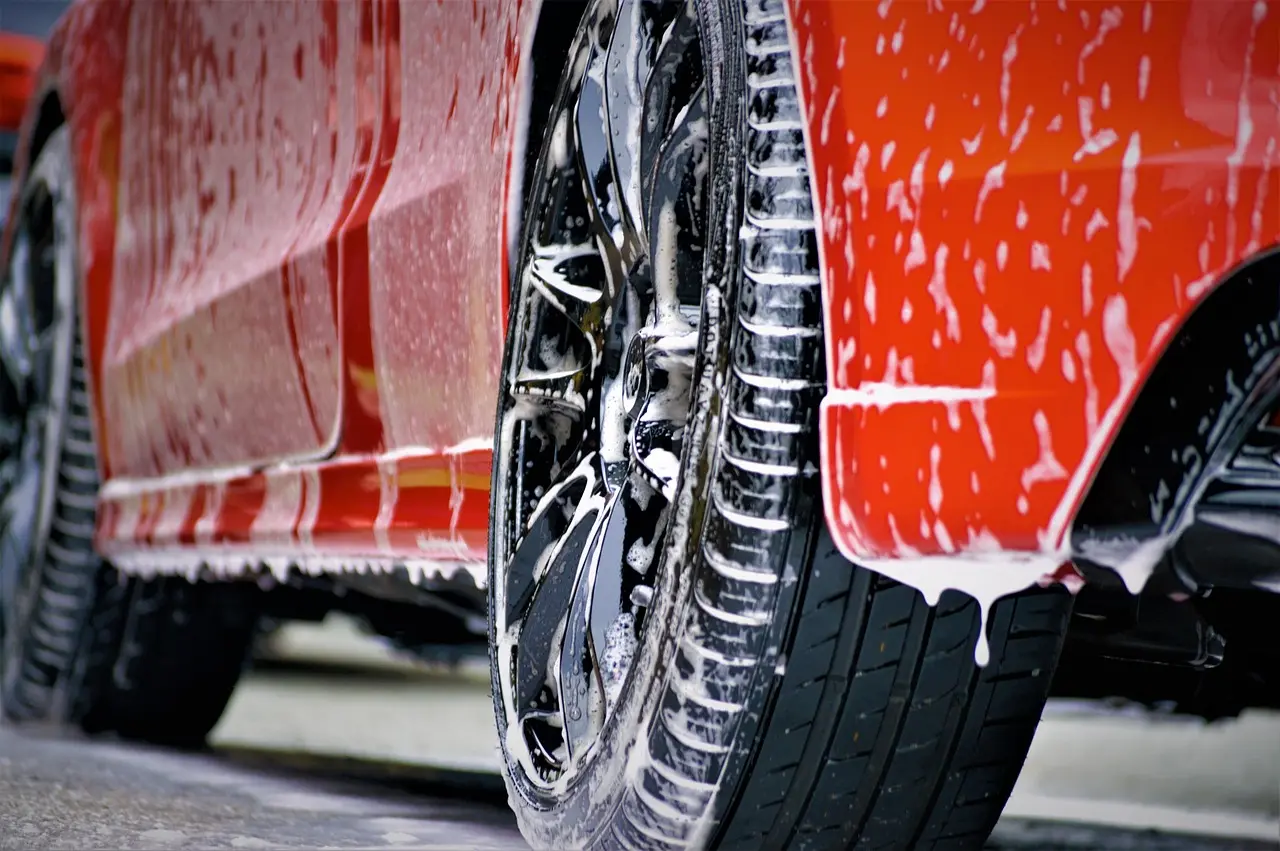
A basic car cleaning kit should include soap, microfiber towels, a wash mitt or foam applicator, and usually one small brush or bucket. That is enough for occasional washes and light interior cleaning. If the kit lacks those core items, it is not a strong starter bundle, no matter how good the box price looks.
Typical starter contents
- Car wash soap for the exterior
- Microfiber towels for drying and interior wiping
- Wash mitt or foam applicator for contact washing
- Wheel brush for brake dust and lug areas
- Interior cleaner for plastics, vinyl, and screens
- One bucket, or a simple bucket kit with a grit guard
What you can skip at first
Skip wax, clay, sealant, extra trim dressings, and duplicate specialty brushes unless you already know you will use them. A beginner does not need a full shelf of products to keep a car clean. Start with the core items, then add only what your car actually needs.
When a low-cost bundle is good enough
A low-cost bundle works when the towels are soft enough for safe wiping, the soap is properly concentrated, and the brush and mitt are usable rather than flimsy. A common first-timer mistake is buying the largest bundle on sale, then discovering it includes undersized bottles and scratch-prone towels that get replaced quickly.
When is a detailing kit worth it?
A detailing kit is worth it when you will use the extra products often enough to justify the higher price. If you only wash the car and wipe the dashboard, a full kit is overkill. If you also want paint protection, trim dressing, and clay prep, the broader bundle can be the better buy.
Added wax, sealant, clay, and dressing
These are the products that move a bundle from cleaning into detailing. Wax and sealant protect paint, clay removes bonded contamination, and dressing refreshes tires or trim. If you do not plan to use those products within a few months, buying them separately later may make more sense than paying for them now.
One bundle versus buying separately
Bundles often save money when the seller includes products you would buy anyway and the included sizes are normal, not tiny. Buying separately is better when you want one strong towel set, a specific soap, or an interior cleaner chosen for certain surfaces. The bundle stops being a bargain if half the box sits unused.
Who should buy the full kit?
Full kits fit detail-minded owners, new car buyers who want protection products on hand, and small-business users who need a broader tool set. They are less useful for someone who only wants monthly washing. For that buyer, a smaller kit with quality towels and a good soap is usually the smarter spend.
How much does it cost per wash?
Cost per wash is the better metric than kit price because towels, mitts, and brushes are reusable. Soap and interior spray are the repeat expenses. If a bundle includes durable tools, the initial price can look high while the long-run cost stays reasonable, especially for frequent cleaners.
Amortizing reusable towels and mitts
A microfiber towel that lasts 20 to 30 uses spreads its cost quickly. A wash mitt that survives a season or more does the same. That is why a $60 kit with quality reusable items can beat a $30 kit with weak towels that need to be replaced after a few washes.
Consumables that drive repeat cost
Soap, interior spray, and any dressing or sealant are the main repeat purchases. Wheel cleaner, if included, can also become a recurring cost if the wheels are heavily soiled. The more often you clean, the more important bottle size and dilution rate become.
Budget rules for occasional versus frequent cleaning
- If you clean a few times a year, keep the kit simple and focus on core tools.
- If you clean monthly, buy better towels and a concentrated soap.
- If you clean weekly, a two-bucket setup and a larger towel pack start to make sense.
- If you want paint protection, add sealant only after the wash routine is set.
Suppose a sedan gets hand-washed every two weeks and the owner buys a six-towel pack plus one mitt. That reusable set matters more than the bucket. For a once-a-season cleaner, the extra towels may sit in a drawer and add cost without changing results.
Where do shoppers compare kit prices?
Shoppers usually compare at warehouse retailers, big-box stores, auto parts chains, and online marketplaces. Costco-style bundles can look strong because they combine familiar household quantities with car-care basics. Still, the best value depends on the included sizes, not the store brand alone.
Costco and other warehouse retailers
Warehouse bundles often target buyers who want one-stop convenience. These kits can be solid for gift buying or for a household that wants soap, towels, and a few tools in one trip. Check whether the towels are a true multi-pack and whether the cleaner sizes are large enough to justify the bundle.
Big-box stores and auto parts chains
Big-box stores and auto parts chains are useful when you want to compare individual items against kit pricing. That makes it easier to judge if a bundle beats buying soap, towels, and a mitt on their own. It also helps when you need one product now and do not want to overbuy.
Online bundles and review checks
Online bundles often look cheaper, but the photos can hide small bottles or thin towels. Check the included accessories, towel count, and whether the brush or mitt looks sized for a full car, not just spot cleaning. Reviews matter most when they mention durability, linting, or missing items.
Frequently asked questions
How much does a car cleaning kit cost?
A basic kit usually lands around $25 to $50, an interior-first kit around $40 to $80, and a more complete detailing kit around $80 to $150. The exact price depends on what is inside, towel quality, bottle size, and whether the kit includes reusable tools or only consumables.
How much does car cleaning supplies cost?
Starter supplies can cost less than one large bundle if you buy only what you need, but the total often rises once you add towels, soap, a mitt, and an interior cleaner separately. For most DIY owners, a sensible starter spend sits between $25 and $80 depending on scope.
Is a car detailing kit worth it or should I buy products separately?
A detailing kit is worth it only if you will use most of the added products, such as wax, sealant, clay, and dressing. If you only need wash soap and towels, buying separately is usually better. Bundles make sense when the included items match your routine and save at least 15% to 20%.
How much should I budget for interior cleaners, wash soap, and towels?
Budget about $10 to $20 for a usable interior cleaner, $8 to $20 for wash soap depending on size and concentration, and $15 to $40 for a decent microfiber towel pack. Prices rise fast with larger packs, higher GSM towels, or specialty formulas for screens and delicate trim.
How much does a car cleaning kit cost in Canada?
In Canada, the same kit type often costs more after currency conversion, taxes, and retailer pricing differences. A basic bundle may still fit the same rough tier structure, but shoppers should compare the Canadian shelf price with the contents, because smaller bottles and thinner towels can erase the apparent savings.
How much does it cost to clean a car at home versus paying a pro?
At home, the first purchase may be $25 to $150 depending on kit tier, but later washes cost much less because the tools are reusable. Paying a pro usually costs more per visit, but it saves time and includes labor. The better choice depends on how often you clean and how much prep you want to do yourself.
Products related to this article
Sponsored / affiliate links. As an Amazon Associate I earn from qualifying purchases. I may earn additional commission from eligible campaigns.