Is a Car Detailing Kit Worth It? Our Verdict and Picks
A car detailing kit is worth it if you detail at least twice a year and plan to keep the tools for multiple washes; once a kit costs less than 1.5 professional details, it usually pays back. Buy the wrong kit or skip proper technique, and you waste money, scratch paint, or end up with half-done results. This guide breaks down the ownership math, what a kit should include, and which drivers should buy a kit versus pay a detailer.
Verdict

For most owners, the break-even point is simple. Professional detailing appointments are often quoted at roughly $150 to $400 every few months, while starter kits can range from under $30 for a bare-bones set to over $100 for larger bundles. The better comparison is how often you wash, whether you want interior care, and how much you will spend on refills and towel replacement.
📊 One guide identifies the U.S. car wash and auto detailing industry as valued at $18.7 billion in 2026. Source: 15 Best Car Detailing Kits (2026): Expert Reviews.
Specs at a glance
| Kit tier | Typical price | What it usually includes | Best fit |
|---|---|---|---|
| Starter kit | About $20 to $40 | Soap, wash mitt, a few microfiber towels, basic protectant | Light maintenance and first-time buyers |
| Midrange kit | About $60 to $110 | Soap, wheel cleaner, more towels, brushes, wax or sealant, often a bucket set | Regular home washing |
| Premium bundle | About $120 to $160+ | More interior tools, better microfiber, more chemicals, sometimes foam gun accessories | Frequent use and enthusiast owners |
Typical kits include car wash soap or shampoo, a wash mitt, microfiber towels, wheel cleaner, and some form of wax, sealant, or ceramic spray. Exterior-only kits are cheaper. Full interior-and-exterior bundles cost more because they add glass cleaner, dash cleaner, fabric or leather care, and extra brushes.
Who is it for?
A detailing kit makes the most sense for drivers who clean often enough to spread the cost across many uses. If you wash every few weeks, keep the car more than a year, and want control over the products touching the paint, the math usually favors a kit over repeated shop visits.
Commuter cars that need frequent light cleaning
Daily commuters pick up dust, pollen, and road film fast. A compact kit with soap, two or three towels, and a mitt is enough for regular upkeep, and that keeps small jobs from turning into expensive full details. A hose-mounted foam gun or foam blaster is optional, not required.
Family SUVs and daily drivers with messy interiors
Family vehicles are harder to keep clean because seats, cupholders, and floor mats collect crumbs and stains. In that case, a full kit only works if it includes interior products or you plan to buy them separately. A big exterior bundle with no glass or upholstery cleaner leaves a gap.
Lease returns, resale prep, and black paint owners
Lease returns and resale prep reward repeat cleaning, careful towel use, and a light protection step. Black paint shows lint, marring, and missed residue quickly, so microfiber quality matters more than a long list of bottles. Car and Driver notes that a detailing supply list can help avoid expensive professional detailing costs, and a detailed vehicle may maintain its resale value.
What works in a good detailing kit
A good kit covers the basics without padding the box with duplicate bottles. The useful parts are paint-safe soap, enough microfiber towels, a mitt that rinses clean, a wheel cleaner for brake dust, and a protection product that leaves some water behavior behind after the wash.
Microfiber towels and wash mitt quality
Microfiber towels are one of the biggest quality gaps between cheap and better kits. Softer, denser towels tend to hold more water and reduce the chance of lint or light marring, while thin towels can drag grit across paint. A useful kit should include several towels, not one or two.
Soap, wheel cleaner, and paint-safe chemistry
Car wash soap or shampoo is made for painted surfaces and clear coats. It should rinse clean and create enough suds to move dirt away from the mitt. Dish soap is the wrong choice because it strips protection and is not made for automotive paint care.
Wheel cleaner is mostly an exterior product. It matters when brake dust builds up, especially on front wheels. If a kit says it is complete but leaves out wheel cleaner, that is fine for some owners, but it is not truly all-in-one.
Wax, sealant, or ceramic spray for protection
Protection products are the step that separates a wash kit from a maintenance kit. Wax gives short-term gloss, sealant usually lasts longer, and ceramic spray sits between convenience and durability. The goal is not miracle protection; it is easier drying, better beading, and less frequent need for shop-level correction.
Foam gun or foam blaster convenience
A foam gun or foam blaster attaches to a hose and lays soap over the car before the mitt touches paint. That can make washing feel easier for beginners and helps loosen dirt on larger vehicles. It is useful, but not necessary for a kit to make financial sense.
What does not
Bad kits waste money in two common ways: they overspend on bottles you will not use, or they cut quality where it matters most. The price may look attractive, but duplicate spray bottles, thin towels, and weak add-ons can erase the savings fast.
Duplicate bottles that add cost without adding coverage
Some kits repeat the same job twice, such as multiple quick detail sprays or several near-identical cleaners. That raises the sticker price without improving what you can clean. If a kit already includes soap, wheel cleaner, and a protectant, extra bottles should solve a separate problem.
Low-grade towels that can leave lint or marring risk
Cheap microfiber can shed lint, grab debris, or feel rough after a few washes. That matters because towels touch paint, trim, glass, and screens. Replacing bad towels later can make a budget kit more expensive than a midrange one.
Huge kits that still miss interior products
Some large bundles look complete but only cover exterior work. That is a problem for commuters and family SUVs, where glass, dash plastic, seat material, and door panels need different products. A 20-piece box is not useful if half of it duplicates exterior steps you rarely perform.
How much does a car detailing cost
Professional detailing appointments are commonly described at $150 to $400 every few months. That is the comparison baseline, and it matters because one strong home kit can sit far below a few visits to a detailer. If you only book a detail once a year, the case for buying a full kit weakens.
Average car detailing cost vs diy
DIY is cheaper only when you count the full picture: starter kit, refill products, towel replacement, and the number of washes per year. A kit with good tools can beat one pro visit quickly, but a low-use driver may never recover the purchase price before towels wear out or bottles sit unused.
| Annual details | Pro detailing cost | DIY starter kit | Refills per year | Towel replacement | Estimated DIY cost per wash |
|---|---|---|---|---|---|
| 1 | $150 to $400 | $80 | $25 | $15 | $120 |
| 2 | $300 to $800 | $80 | $30 | $15 | $62.50 |
| 4 | $600 to $1,600 | $80 | $40 | $20 | $35 |
| 6 | $900 to $2,400 | $80 | $50 | $20 | $25 |
This table uses a simple ownership model: an approximately $80 starter kit, modest refill spending, and periodic towel replacement. At one detail per year, the DIY total can be close enough to a pro appointment that the time savings of a shop still matter. By four or six cleanings, the home kit starts to pull ahead clearly.
Say your sedan gets washed six times a year and you replace towels once. The first-year DIY cost can still stay below one midrange pro visit, while a shop would charge for every appointment. Suppose your SUV only needs one full detail before lease turn-in; in that case, paying a pro can be easier than buying products you will barely use.
What is included in a good detailing kit
A good detailing kit should include the tools that touch paint, the products that clean wheels, and at least one protection step. Exterior coverage is the core. Interior coverage is a separate question, and many kits only cover part of the cabin work unless you add glass, dash, or upholstery cleaners later.
- Paint-safe wash soap or shampoo
- Wash mitt
- Several microfiber towels
- Wheel cleaner and brushes
- Wax, sealant, or ceramic spray
- Optional foam gun or foam blaster
- Interior products if you need cabin cleaning
How to compare cheap vs expensive detailing kit
Cheap kits are fine if they cover only the basics, but they often cut corners on towel quality and product variety. Expensive kits are better when they replace repeated purchases with better tools, more coverage, and fewer weak links. The comparison should focus on use case, not on the number printed on the box.
Cheap kit example: light-duty and starter-friendly
Armor All Premier 8-Piece is listed at $20 to $30, and that makes it a starter option for simple washing. The tradeoff is obvious: a low entry price often means fewer towels, lighter-duty accessories, and less room for interior coverage. It is the kind of kit that works best as a first step.
Midrange kit example: better coverage for regular use
Meguiar’s G55048 is listed at $60 to $85. That puts it in the middle where many buyers land: enough tools to keep a car clean, usually without paying for a large bundle that duplicates products. Based on specs and reviews, this is the tier where owners start getting better towel quality and more consistent wash steps.
Premium kit example: more complete and more expensive
Adam’s Polishes Essentials Kit is listed at $120 to $160, while Chemical Guys Arsenal is shown at $120 and contains 14 pieces. Chemical Guys HOL362 is priced at $80 to $110, and Meguiar’s Complete Car Care Kit is listed at $130. Those bundles suit owners who clean often enough to use the extra items, but they can be overkill for a once-a-year detail.
Alternatives to a full kit
If a full bundle feels too expensive, a smaller setup can still make financial sense. You can buy only the pieces that solve your immediate problem, then add interior or protection products later. That approach reduces waste and keeps duplicate bottles off the shelf.
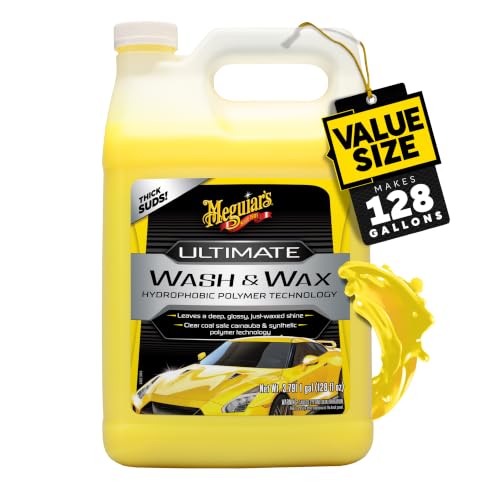
Meguiar’s Ultimate Wash and Wax, 128 oz is a practical wash-and-protect option for owners who want one bottle to do two jobs. Based on the spec sheet and reviews, it lowers clutter and simplifies maintenance, but it will not replace a true interior kit and it offers less flexibility than separate soap plus dedicated sealant.

Turtle Wax Hybrid Solutions Ceramic Spray Wax Coating, 16 oz is a good add-on if the car already has a wash setup and only needs a protection step. It is safe for glass, wheels, and trim, which is useful, but it still requires clean prep and microfiber towels. By itself, it is not a full detailing system.
Chemical Guys 17-Piece Car Detailing Kit, Interior & Wheel Cleaner & Wash is the fuller alternative for buyers who want one box to cover more chores. It includes interior, exterior, and wheel cleaning tools, plus a bucket with dirt trap. The drawback is cost and overlap; if you already own towels or cleaners, parts of the set may duplicate what you have.
Should you buy it
Buy a detailing kit if you will wash often, want to spread the purchase across years, and need more than a single exterior rinse. Skip it if you only want one or two cleanings a year, or if a pro detail is easier for a lease return or resale prep. A smaller starter set is the safer move when you are unsure.
Frequent wash users and black paint owners get the most from a better kit because microfiber quality and repeat protection matter more with every wash. Budget buyers should avoid oversized bundles with duplicate spray bottles. Families often need interior products first, then a separate exterior set later.
How to price car detailing
Use a simple formula: starter kit cost plus refill products plus towel replacement, then divide by the number of washes you expect to do. That gives you a cost per wash that you can compare with a pro appointment. If the DIY number stays below a shop visit and you will actually use the kit, the purchase is easier to justify.
Frequently asked questions
is car detailing worth it
Yes, if you detail often enough to spread the cost across many washes and you keep the kit for years. It is less compelling if you only clean the car once or twice a year. The value depends on usage, not on the box size or brand name.
Products related to this article
Sponsored / affiliate links. As an Amazon Associate I earn from qualifying purchases. I may earn additional commission from eligible campaigns.
 Shine Armor Car Detailing Bundle - Fortify Quick Coat Ceramic Waterless Wash & Interior Cleaner - Complete Automotive Care Kit for Mirror Shine Paint Protection & Deep Interior Cleaning - 2 Pack
 Clay Mitt for Car Detailing - Fine Grade Wash Mitt, Reusable Auto Detailing Tool for Quick Paint Decontamination, Scratch-Free Clay Bar Alternative, Saves Time & Effort(Blue)