Car Won’t Start Oil Pressure? Explained
It can be really worrying when your car won’t start. Sometimes, a warning light on your dashboard flashes, and you might see a symbol related to oil pressure. If you’re new to cars, the thought of your Car Won’t Start Due to Oil Pressure?
Explained can sound like a big problem. But don’t worry! This is a common issue, and we’re here to make it simple.
We’ll walk through exactly what this means and how you can figure out what’s going on. Let’s get your car running smoothly again.
Understanding Car Oil Pressure and Starting
This section looks at why oil pressure is so important for your car to start and run. We will explore how the engine uses oil and what happens when that oil pressure isn’t right. You’ll learn why a lack of oil pressure can stop your car in its tracks.
This will help you understand the basics before we look at common reasons for the problem.
What Is Engine Oil Pressure?
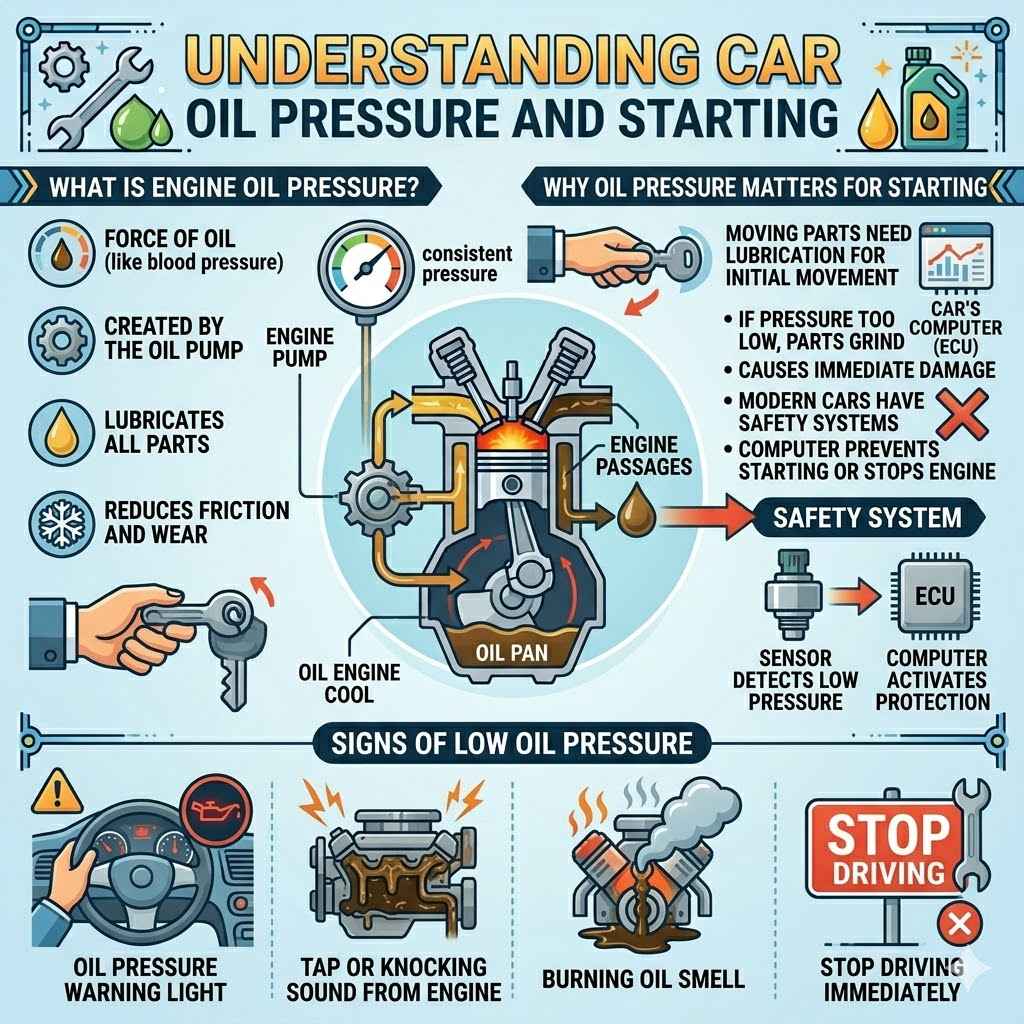
Engine oil pressure is the force at which oil is pumped through your engine. Think of it like blood pressure for your car’s engine. This pressure is created by the oil pump.
The oil pump is a small gear-driven component that sucks oil from the oil pan.
It then pushes that oil through narrow passages in the engine. These passages reach all the moving parts. The oil lubricates these parts, reducing friction and wear.
It also helps to keep the engine cool and clean by carrying away debris.
When your engine is running, the oil pump works hard to maintain a consistent pressure. This pressure needs to be within a specific range. Too low, and parts won’t get enough lubrication.
Too high, and it can cause damage to seals and other components.
Why Oil Pressure Matters for Starting
Your car’s engine has many moving parts. When you turn the key, these parts need to move smoothly. Oil is essential for this initial movement.
If there isn’t enough oil pressure when you try to start the engine, these parts can grind against each other.
This grinding can cause immediate damage. To prevent this, modern cars have safety systems. One of these systems is the oil pressure warning light.
If the oil pressure sensor detects that the pressure is too low, it tells the car’s computer to stop the engine or prevent it from starting at all.
This is a protective measure. It stops you from causing more serious and expensive damage to the engine. So, when your car won’t start and the oil light is on, it’s a sign that the engine is protecting itself.
Signs of Low Oil Pressure
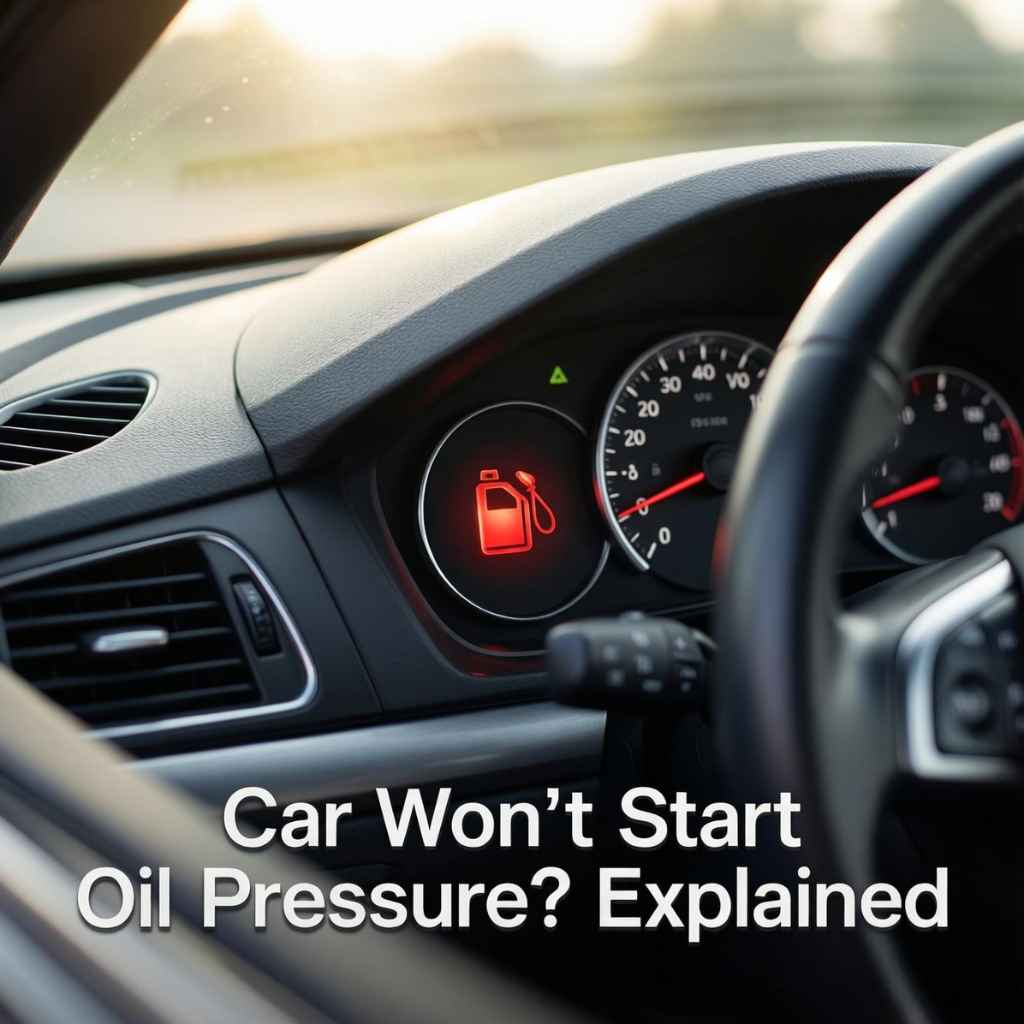
The most obvious sign of low oil pressure is the oil pressure warning light. This light is usually red and looks like an oil can with drips coming out of it. It might flash or stay on constantly.
Another sign can be a tapping or knocking sound from the engine. This noise happens when metal parts aren’t properly lubricated. They start to hit against each other.
In more serious cases, you might also notice a burning oil smell. This can happen if oil is leaking onto hot engine parts. If you see any of these signs, it’s important to stop driving immediately.
Common Causes When Car Won’t Start Due to Oil Pressure
Now that we know why oil pressure is vital, let’s explore the common reasons why your car might not start because of it. These causes range from simple fixes to more involved issues. Understanding these will help you diagnose the problem more effectively and know when to seek professional help.
Low Oil Level
This is the most frequent and easiest cause to check. If your engine doesn’t have enough oil, the oil pump can’t pick it up properly. This leads to a drop in oil pressure.
Over time, oil can leak out or simply get burned up by the engine. If you haven’t checked your oil level in a while, or if you notice oil spots under your car, this could be the issue.
To check, find your car’s dipstick. It’s usually a brightly colored loop or handle. Pull it out, wipe it clean, reinsert it fully, and then pull it out again.
The oil level should be between the “min” and “max” marks on the dipstick.
If the oil level is low, you’ll need to add the correct type of oil for your car. Always check your owner’s manual for the right type and amount of oil.
Faulty Oil Pressure Sensor
Sometimes, the car might think there’s a problem when there isn’t. The oil pressure sensor is a small electronic device that measures the oil pressure. If this sensor fails, it can send incorrect readings to the car’s computer.
This can cause the oil pressure warning light to come on, even if the oil pressure is actually fine. It can also trick the car’s computer into thinking there’s a problem that prevents starting.
Replacing an oil pressure sensor is usually a straightforward repair for a mechanic. It involves unscrewing the old sensor and screwing in a new one. The cost can vary depending on the car model.
A malfunctioning sensor is a common electrical fault that can mimic more serious mechanical problems, making diagnosis tricky for beginners.
Clogged Oil Filter or Oil Passages
The oil filter cleans the oil as it circulates. Over time, the filter can become clogged with dirt and debris. This makes it harder for oil to flow through, reducing pressure.
Similarly, the narrow passages within the engine that carry oil can become blocked. This can happen due to sludge buildup, which is old, degraded oil that has thickened.
Sludge usually forms when oil changes are neglected for long periods. It can harden and restrict oil flow, leading to serious pressure issues. Regular oil changes are crucial to prevent this.
If the oil passages are blocked, it can be a very difficult and expensive repair. It might involve dismantling parts of the engine to clean them out.
Oil Pump Failure
The oil pump is the heart of the engine’s lubrication system. If the oil pump fails, it cannot circulate oil throughout the engine. This will immediately cause oil pressure to drop to zero.
A failing oil pump can be caused by several things. These include wear and tear over time, debris in the oil causing damage, or a problem with its drive mechanism (like a broken gear or chain).
If the oil pump has failed, your car will not start, and the oil pressure light will be on. This is a serious mechanical failure. It requires immediate attention from a qualified mechanic.
Driving with a failed oil pump will quickly destroy the engine.
The statistics show that oil pump failures can be costly. Repairing or replacing an oil pump can range from hundreds to thousands of dollars. For example, some sources indicate the average cost for oil pump replacement can be between $600 and $1200.
Worn Engine Bearings
Engine bearings are crucial components that allow the crankshaft and connecting rods to spin smoothly. They have tiny internal clearances. These clearances are designed to be filled with a thin film of oil, which is maintained by oil pressure.
If the bearings become worn, these clearances increase. This allows oil to escape more easily, making it harder for the oil pump to maintain sufficient pressure. This is often a sign of a much larger issue.
Worn bearings typically result from high mileage, poor lubrication, or lack of maintenance over many years. When bearings wear out, it can create a knocking sound, and oil pressure will drop.
This is a sign that the engine is nearing the end of its life or needs a very expensive rebuild. The car may not start, or it may start but run very poorly with loud noises.
Troubleshooting Car Won’t Start Due to Oil Pressure
Figuring out why your car won’t start due to oil pressure can seem tricky, but we can break it down. Following these steps will help you pinpoint the problem. This will allow you to take the right action, whether it’s a simple fix or calling for professional help.
Step 1 Check the Oil Level
The very first thing to do is check your engine oil. This is the easiest and most common fix. As mentioned before, if the oil is too low, the oil pump can’t circulate it.
Make sure your car is parked on a level surface. Wait for the engine to cool down if it’s been running. Locate the oil dipstick.
Pull it out, wipe it clean, and reinsert it all the way.
Pull it out again and look at the oil level. It should be between the two marks. If it’s low, add the correct type of oil.
Don’t overfill it.
After adding oil, try starting the car again. If the oil level was the problem, it should now start.
Example Scenario 1: Sarah hadn’t checked her oil in months. One morning, her car wouldn’t start, and the oil light was on. She checked the dipstick, and it was bone dry.
After adding a quart of oil, the car started right up. She learned a valuable lesson about regular oil checks.
Step 2 Inspect for Oil Leaks
If the oil level is low, the next step is to figure out why. Look for any signs of oil leaks. Check underneath the car for fresh oil spots.
Also, look under the hood for any visible oil drips or wetness on engine parts.
Common places for leaks include the oil pan gasket, the oil filter seal, and valve cover gaskets. If you find a leak, you’ll need to get it repaired. A small leak can become a big problem over time.
A leaking oil filter is another common culprit. Sometimes, a new oil filter isn’t tightened properly, or the old seal wasn’t removed. This causes oil to seep out.
If you recently had your oil changed, call the shop. They might have made a mistake. If you can’t find any obvious leaks, but the oil level is low, the oil might be burning inside the engine.
Step 3 Listen to Your Engine
If you can safely try to start the engine (after ensuring there’s enough oil), listen carefully to what it sounds like. Does it crank over normally? Or does it sound weak or struggle?
Are there any strange noises like knocking, ticking, or grinding? These sounds can tell you a lot about what’s happening inside the engine. For instance, a loud knocking sound when the engine is trying to start could indicate serious internal damage due to lack of lubrication.
If you hear loud clattering or grinding sounds, it’s best to stop trying to start the car immediately. This suggests that parts are moving against each other without enough oil, and continuing could cause more damage.
Step 4 Consider the Oil Pressure Sensor
If the oil level is correct, there are no obvious leaks, and the engine sounds fine when trying to start (just doesn’t fire up), the oil pressure sensor could be faulty. This sensor might be telling the car’s computer that the oil pressure is too low when it’s actually okay.
Diagnosing a faulty sensor usually requires a mechanic with specialized tools. They can read error codes from the car’s computer. They can also test the sensor directly.
However, if you’re comfortable with some basic car checks, you might be able to visually inspect the sensor. It’s usually screwed into the engine block. Make sure its wiring is connected properly and not damaged.
If you suspect the sensor, but aren’t sure, it’s safest to consult a professional. They can confirm if the sensor is the issue before you replace it.
Step 5 When to Call a Mechanic
If you’ve checked the oil level, looked for leaks, and listened to the engine, but the car still won’t start due to oil pressure, it’s time to call a professional mechanic.
This is especially true if you hear loud knocking or grinding noises. These sounds often mean there’s significant internal engine damage that requires expert repair.
You should also call a mechanic if you’re not comfortable performing the checks yourself. Safety is always the top priority when working with cars. A mechanic has the tools and knowledge to diagnose complex issues accurately and safely.
Don’t ignore the oil pressure warning light. It’s a critical safety feature. Addressing it promptly can save you from much larger repair bills down the road.
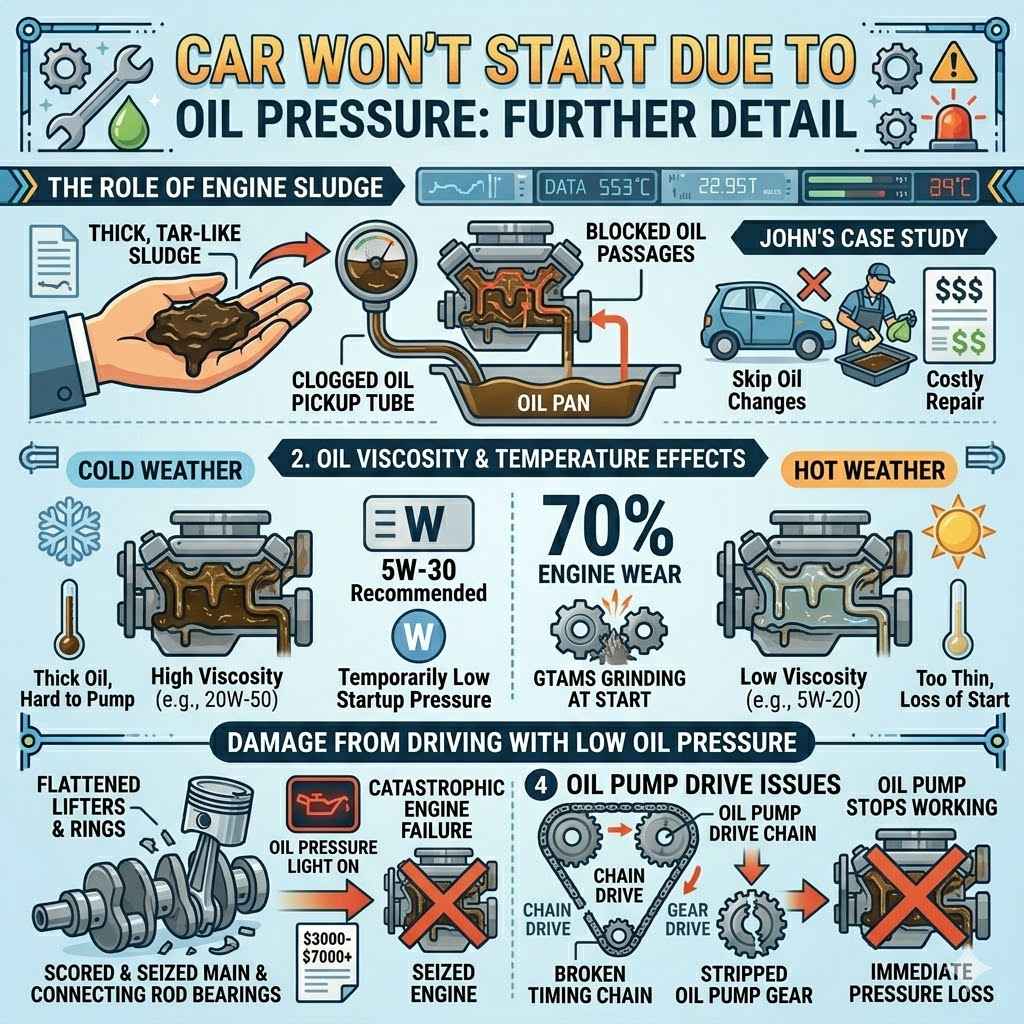
Car Won’t Start Due to Oil Pressure Explained Further Detail
This section delves deeper into specific scenarios and potential fixes when your car won’t start because of oil pressure issues. We will explore common situations and what they mean for your vehicle’s health and your wallet.
The Role of Engine Sludge
Engine sludge is a thick, tar-like substance that forms from old oil, dirt, and combustion byproducts. It’s like gunk that can build up inside your engine over time. This happens especially if you skip oil changes or use the wrong type of oil.
Sludge is a major enemy of oil pressure. It can clog up the oil pickup tube in the oil pan. This tube is what the oil pump uses to suck up oil.
If the pickup tube gets clogged, the oil pump can’t get enough oil, even if there’s oil in the pan. This leads to low oil pressure and can prevent the engine from starting.
Sludge can also block the small oil passages that feed the engine’s vital components. Imagine trying to drink through a straw that’s full of thick syrup; it’s very difficult. The same happens to oil trying to flow through sludge-filled passages.
Case Study: John’s car had been running fine, but then it suddenly refused to start. The oil light was on. He checked the oil, and it was low.
He added oil, but it still wouldn’t start. A mechanic found that the oil pickup tube was almost completely blocked with sludge. This was due to years of infrequent oil changes.
The repair involved dropping the oil pan, cleaning it, and replacing the oil pickup tube. This was a costly repair that could have been avoided with regular maintenance.
Oil Viscosity and Temperature Effects
The thickness of your engine oil, known as its viscosity, is very important. It’s rated by numbers like 5W-30. The ‘W’ stands for winter, meaning it’s designed to flow well in cold temperatures.
The second number shows its thickness at normal operating temperatures.
In very cold weather, thick oil can be hard for the oil pump to push. This can lead to temporarily low oil pressure when you first start the car. This is why using the correct oil viscosity for your climate is so important.
On the other hand, in very hot weather, oil can become too thin. If the oil is too thin, it can’t maintain enough pressure between moving engine parts. This also leads to low oil pressure.
Using oil that is too thin for hot conditions is another reason a car might not start due to oil pressure.
Your car’s manual will specify the recommended oil viscosity for different temperature ranges. Using the wrong oil can directly impact oil pressure, especially during startup in extreme temperatures.
Statistic: According to some automotive experts, about 70% of engine wear occurs during the first few minutes of starting an engine. This highlights why proper lubrication from adequate oil pressure right at startup is so critical.
Damage from Driving with Low Oil Pressure
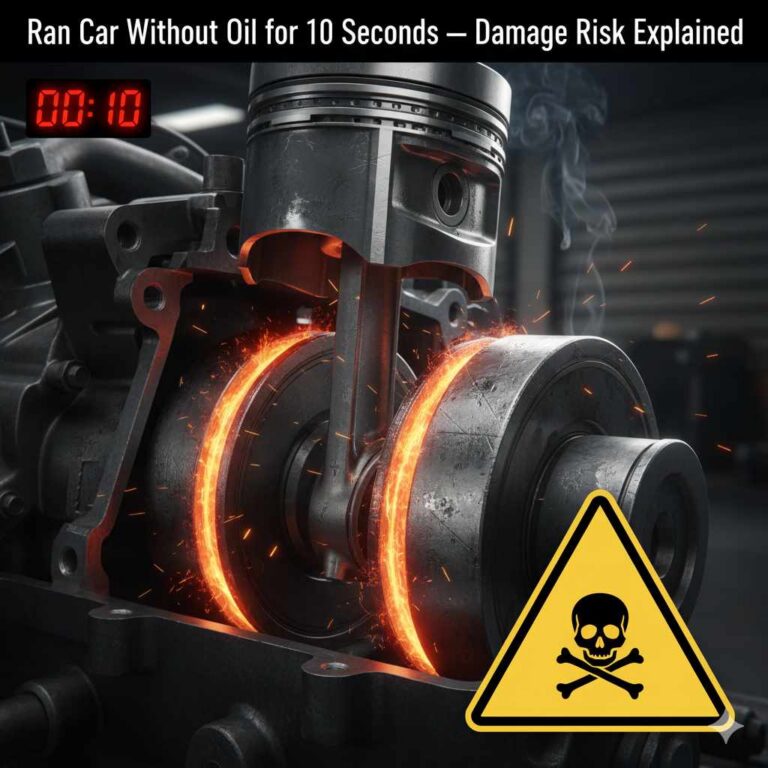
Driving a car with low oil pressure is like asking a person to run a marathon without any water. It’s extremely damaging to the engine. The parts that need constant lubrication start to grind against each other.
The main and connecting rod bearings are particularly vulnerable. They can become scored, flattened, or even seize up. The camshaft, lifters, and piston rings also suffer severe wear.
If you drive with the oil pressure light on, you risk catastrophic engine failure. This means the engine can seize up completely and become irreparable. This can happen very quickly, sometimes within just a few minutes of driving.
If your car won’t start due to oil pressure, it’s likely trying to prevent this kind of damage. If you’ve been ignoring the oil light, and now the car won’t start, it’s probable that some internal damage has already occurred.
The repair bills for such damage can be enormous. Replacing an entire engine can cost anywhere from $3,000 to $7,000 or even more, depending on the car and engine type.
Sample Scenario 1: Mark’s car’s oil pressure light came on, but he was late for work. He decided to “just drive it a little bit” to get to a mechanic. Within five minutes, he heard a loud knocking sound, and the engine died completely.
He had to have the car towed, and the mechanic told him the engine was completely ruined due to lack of lubrication. He ended up needing a costly engine replacement.
Oil Pump Drive Mechanism Issues
The oil pump itself needs to be driven by the engine to operate. This drive mechanism can also fail. In many cars, the oil pump is driven by a chain or a gear connected to the crankshaft or camshaft.
If the timing chain or belt that drives the oil pump breaks or slips, the pump will stop working. This will cause an immediate loss of oil pressure.
Similarly, if the gear that connects the pump to the drive shaft strips or breaks, the pump won’t turn. This is less common than other issues but is still a possibility.
A failure in the oil pump drive mechanism is a serious mechanical problem. It requires significant work to access and repair. It often involves removing other engine components to get to the timing components or the oil pump drive.
When this happens, the engine will not start, and the oil pressure light will be illuminated. It’s another situation where professional diagnosis and repair are essential.
Frequently Asked Questions
Question: What happens if I ignore the oil pressure warning light?
Answer: Ignoring the oil pressure warning light can lead to severe engine damage. The lack of lubrication causes metal parts to grind against each other, leading to wear, overheating, and potentially complete engine failure. It’s crucial to stop driving immediately and address the issue.
Question: Can a bad oil filter cause my car not to start?
Answer: Yes, a severely clogged oil filter can restrict oil flow enough to cause low oil pressure, which in turn could prevent your car from starting. It’s a good idea to replace your oil filter regularly as part of routine maintenance.
Question: How much oil should I add if the dipstick is low?
Answer: It’s best to add oil in small increments, about half a quart at a time, and recheck the dipstick after each addition. Overfilling can also cause engine problems. Always refer to your owner’s manual for the exact type and recommended amount of oil.
Question: Is it safe to drive a short distance with the oil light on?
Answer: No, it is not safe to drive with the oil light on. Even a short distance can cause significant damage to your engine. The safest course of action is to pull over immediately and turn off the engine.
Question: Can old oil cause starting problems?
Answer: Yes, very old oil can break down and become less effective at lubricating and maintaining pressure. It can also contribute to sludge buildup, which can clog the oil pickup tube and lead to starting issues.
Summary
When your car won’t start due to oil pressure, it’s usually a signal from the engine’s protective system. Checking your oil level is the first, simplest step. If that’s okay, look for leaks, listen for unusual engine noises, and consider the oil pressure sensor.
Many issues can be fixed with basic maintenance. If problems persist, a mechanic can help diagnose more complex mechanical failures. Regular oil changes are key to preventing these issues and keeping your engine healthy.