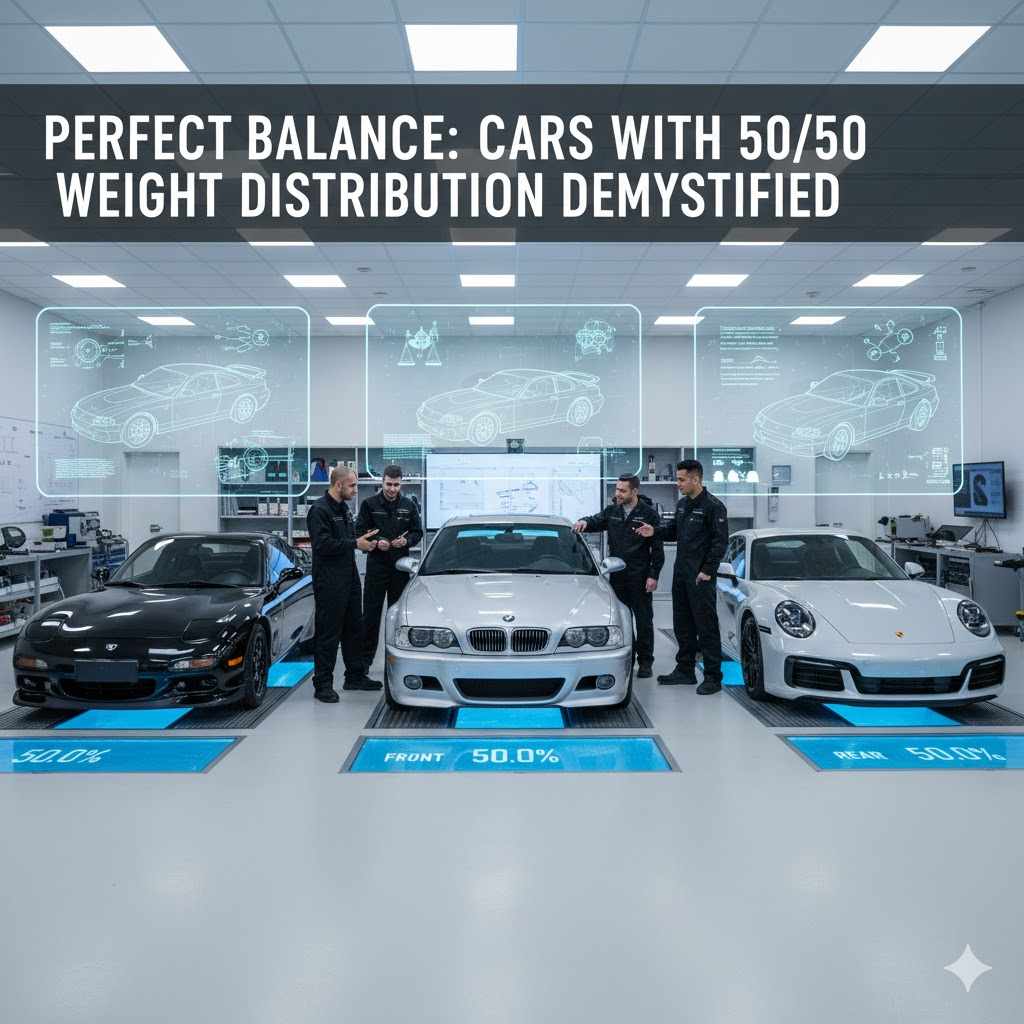
Cars With 50/50 Weight Distribution Demystified
Figuring out topics like Cars With 50/50 Weight Distribution Explained can feel tough if you’re new to cars. It involves some cool, complex concepts, which might seem tricky at first glance. Don’t worry, though! It’s all about how the car’s weight is spread out, and we’ll break it down step-by-step. We’ll explore exactly what it means, why it matters, and how it impacts your driving. Next, you’ll learn how this setup affects a car’s handling.
What Is Weight Distribution in Cars?
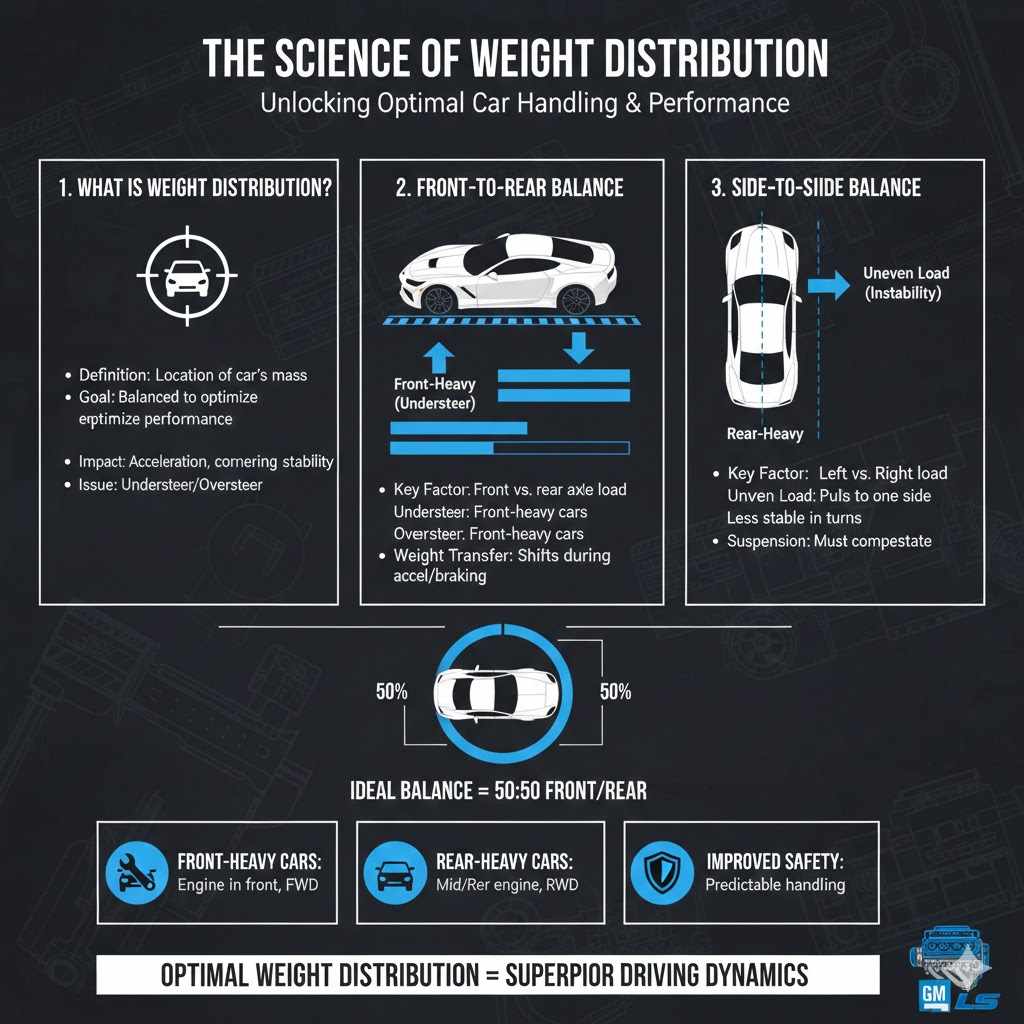
Weight distribution is a key element of how a car handles and performs. Essentially, it describes where the car’s weight is located. Ideally, a car’s weight should be balanced to provide optimal performance. This balance affects everything from how well the car accelerates to how easily it corners. The closer a car gets to a perfect balance, the better it can use its tires for grip and maintain stability, especially during maneuvers like turning or emergency braking.
Imbalanced weight distribution can lead to understeer or oversteer, both of which can negatively impact a vehicle’s handling. Proper weight distribution helps a car perform as intended, allowing it to respond predictably to driver input.
Front-to-Rear Weight Balance
The front-to-rear weight balance is one of the most important aspects. It tells us how much of the car’s weight is on the front wheels versus the rear wheels. A car with more weight over the front wheels will likely understeer, meaning it tends to go straight when the driver turns the steering wheel. Conversely, a car with more weight over the rear wheels is more prone to oversteer, where the rear of the car slides out during turns. The ideal, or very close to it, is a balance where the front and rear axles share the load as evenly as possible for the best handling characteristics.
- Front-Heavy Cars: These vehicles have a larger portion of their weight concentrated over the front wheels. This can lead to understeer, especially in turns, making it more challenging to steer the car.
- Rear-Heavy Cars: Vehicles with more weight towards the rear can exhibit oversteer. This means the rear of the car might slide out during turns, demanding quick corrections from the driver.
- Weight Transfer: This describes how the weight shifts during acceleration, braking, and turning. For example, during hard braking, weight moves forward, putting more load on the front wheels.
Side-to-Side Weight Balance
While the front-to-rear distribution is important, side-to-side balance also impacts a car’s performance. A car with an uneven side-to-side weight distribution may not handle predictably in turns. It can cause the car to pull to one side, especially during cornering. This imbalance affects how the tires grip the road and how well the car can maintain its line through a turn. A vehicle’s stability can be severely affected if it has a noticeable side-to-side weight imbalance.
- Uneven Load: This occurs when one side of the car carries more weight than the other. This can be due to component placement or even the presence of a driver only on one side of the car.
- Impact on Handling: An uneven load can affect how the car feels in turns, making it less stable and responsive.
- Suspension Considerations: The car’s suspension system must compensate for any weight differences to keep the car balanced.
Unpacking Cars With 50/50 Weight Distribution
When we talk about Cars With 50/50 Weight Distribution Explained, we are referring to vehicles where approximately half of the car’s weight is over the front wheels, and the other half is over the rear wheels. This configuration is considered ideal for achieving a balanced feel, particularly in how it impacts turning and acceleration.
It creates a neutral handling characteristic, which can improve overall stability and enhance the driver’s control during dynamic situations. It’s a key aim for many car makers because it improves responsiveness and driver experience. This allows the car to respond evenly to driver inputs, whether accelerating, braking, or cornering.
Benefits of Even Weight Distribution
A car with 50/50 weight distribution offers numerous advantages for both performance and the driving experience. This setup promotes balanced handling, making the car more predictable and easier to control, especially during fast maneuvers. It also typically improves acceleration and braking performance, giving the driver more confidence.
Even weight distribution also contributes to better tire wear by distributing the load more evenly across all four tires. In a nutshell, this type of balance creates a more enjoyable and efficient driving experience.
- Improved Handling: With a balanced weight distribution, the car is less prone to understeer or oversteer, leading to more responsive handling.
- Enhanced Braking: The even distribution of weight allows the brakes to work more efficiently, reducing braking distances and improving control.
- Better Acceleration: An even distribution helps the car put power to the ground more effectively during acceleration.
- Increased Stability: The car is more stable at higher speeds and during sudden maneuvers, offering increased safety.
How This Setup Works
To achieve a 50/50 weight distribution, manufacturers must carefully design the car’s components and layout. This involves strategic placement of heavy items such as the engine, transmission, and fuel tank. Sometimes, engineers position these components towards the center of the car to move as much weight as possible towards the car’s center of gravity. Other strategies include moving the engine further back in the chassis (e.g., a front-mid engine design) to improve the weight balance. The goal is to provide a neutral handling characteristic and maximize performance in various driving situations.
- Component Placement: The position of the engine, transmission, and other heavy parts is crucial to achieving balance.
- Chassis Design: The structure of the car’s frame influences the weight distribution and overall handling.
- Suspension Tuning: Adjusting the suspension can influence how weight shifts during acceleration, braking, and turning.
- Aerodynamics: Proper aerodynamics can also play a role in optimizing weight distribution by adjusting downforce and drag.
Real-World Examples of Cars With 50/50 Weight Distribution
Several car models are celebrated for their 50/50 weight distribution. These vehicles often stand out in their class for their superior handling characteristics, giving drivers a feel of precise control and balance. Many sports cars and performance-focused vehicles prioritize this configuration to deliver an enhanced driving experience. The results are evident in how these cars handle on the road and track, showcasing the advantages of a well-balanced weight distribution setup. The design is a major factor in these cars’ exceptional on-road performance and agility.
Sports Cars
Many sports cars are designed specifically to achieve this 50/50 weight balance. This design philosophy helps these cars provide agile and responsive handling. These vehicles are able to change direction very quickly and predictably. The even distribution of weight contributes to better performance and also allows for more exhilarating driving experiences. Sports cars with a focus on this balance usually have lower centers of gravity to enhance stability. These aspects combine to create a dynamic, driver-focused experience.
- Porsche 911: The iconic Porsche 911 models, particularly those with rear-engine layouts, often get close to a 50/50 weight distribution. These cars are known for their exceptional handling.
- BMW M3/M4: BMW M models are well-known for their balanced weight distribution. These cars have a reputation for precise handling and performance.
- Mazda MX-5 Miata: The Miata is celebrated for its lightweight design and near-perfect balance, which contributes to its nimble handling and driver engagement.
Performance Sedans
Even some performance sedans strive for a balanced weight distribution to enhance both performance and driving enjoyment. These cars combine practicality with spirited driving characteristics. They provide a refined driving experience, blending comfort with the excitement of responsive handling.
The balanced design helps these vehicles handle corners with ease while also providing a smooth and composed ride. The even weight distribution is a key feature that contributes to the overall appeal and performance. These cars showcase that weight distribution isn’t just for sports cars.
- Mercedes-Benz C-Class/AMG C-Class: Mercedes-Benz vehicles, especially the AMG variants, often focus on a balanced weight distribution.
- Audi S4/RS4: These Audi models blend performance and practicality, with an emphasis on handling characteristics.
- Cadillac CT5-V Blackwing: Cadillac’s performance sedans often have close to a 50/50 distribution for enhanced handling.
How Weight Distribution Impacts Driving Performance
Weight distribution has a significant impact on various aspects of driving performance. It directly affects how a car handles, accelerates, and brakes. Cars with a balanced weight distribution provide a more predictable, responsive driving experience. They are able to corner with more precision and stability. This balance is critical to the car’s overall behavior and the driver’s confidence on the road.
Handling Characteristics
Weight distribution directly influences the handling traits of a car. A car with a balanced weight distribution will have more neutral handling, meaning it will tend to follow the driver’s steering inputs without excessive understeer or oversteer. This helps make the car more predictable and easier to control, especially during quick maneuvers or in challenging conditions.
The even distribution of weight aids in providing a more direct and engaging connection with the road. This can greatly improve the overall driving experience.
- Understeer: When a car understeers, it wants to go straight when the steering wheel is turned. This happens when the front wheels lose grip first, often due to too much weight on the front.
- Oversteer: Oversteer occurs when the rear of the car slides out, making it difficult to control. It’s often due to excess weight on the rear wheels.
- Neutral Handling: This is the ideal state, where the car responds to steering inputs evenly, creating a balanced and predictable experience.
Acceleration and Braking
Weight distribution also affects how well a car accelerates and brakes. Cars with a balanced weight distribution typically perform better in both areas. During acceleration, the weight transfer to the rear wheels helps with grip and allows the car to apply more power to the ground.
When braking, even weight distribution ensures that all four wheels share the load equally, providing more effective stopping power. A well-balanced vehicle offers improved performance and makes the driving experience more confident and controlled.
- Weight Transfer During Acceleration: During hard acceleration, weight shifts to the rear wheels. A balanced distribution helps manage this transfer to improve traction.
- Braking Performance: Even weight distribution helps to distribute braking forces across all four wheels, ensuring shorter stopping distances.
- Traction and Grip: Proper weight distribution maximizes the contact between the tires and the road, enhancing both grip and traction.
Achieving 50/50 Weight Distribution: A Closer Look
Achieving 50/50 weight distribution is a detailed process that involves very careful planning and manufacturing. This balance is not achieved by chance, but is the result of numerous design elements, including component placement, the vehicle’s chassis, and suspension tuning. Manufacturers must consider the location of all heavy components and how they influence the overall vehicle balance. This level of planning means that each component is carefully thought out and positioned to optimize vehicle performance.
Component Placement and Design
One of the key considerations in getting a 50/50 weight distribution is strategic component placement. The engine is one of the heaviest components, and its location has a major impact on balance. Other elements, like the transmission, fuel tank, and various other heavy parts, also play critical roles. Engineers try to position these elements as close as possible to the vehicle’s center to minimize weight transfer and provide a neutral feel. Design considerations go beyond simple placement and include considerations such as materials to reduce weight.
- Engine Placement: The location of the engine has a large impact. Mid-engine or front-mid engine designs can help achieve better balance.
- Transmission and Drivetrain: Placement of the transmission and drivetrain components is essential.
- Fuel Tank Location: Fuel tanks are often placed near the center of the car to minimize weight changes as fuel is used.
- Materials: Using lighter materials like aluminum or carbon fiber can help reduce weight.
Suspension and Chassis Tuning
The suspension system and the chassis are essential for achieving the targeted weight balance. The chassis provides the basic structure, and its design influences how the weight is distributed. The suspension system controls how the wheels react to the road surface, which influences how weight shifts during driving. Precise suspension tuning can help to manage weight transfer during acceleration, braking, and turning. It’s important to make the vehicle both stable and responsive during dynamic conditions.
- Chassis Stiffness: A rigid chassis is key for controlled weight transfer and balanced handling.
- Suspension Components: The type and setup of the suspension system directly affect the vehicle’s weight transfer characteristics.
- Ride Height and Center of Gravity: Lowering the center of gravity helps improve stability and reduce weight transfer during turns.
- Spring and Damper Rates: Adjusting these rates can fine-tune how the car handles different road conditions and driving styles.
Aerodynamics and Balance
Aerodynamics also plays a role in optimizing the vehicle’s weight balance. Aerodynamic components such as spoilers and diffusers affect how air flows around the car. This flow helps generate downforce, increasing the grip of the tires and improving stability. It can also help minimize the impact of weight transfer. Balancing the aerodynamic characteristics across the car is very important to make sure they enhance the driving dynamics. The goals are both enhanced performance and driving enjoyment.
- Downforce: Aerodynamic elements are designed to produce downforce to increase tire grip and overall handling.
- Drag: Minimizing drag helps improve acceleration, but it must be balanced to maintain adequate downforce.
- Weight Distribution in Motion: Aerodynamic forces can also change the effective weight distribution while the car is moving.
- Stability at Speed: Aerodynamic components are often critical for maintaining control and stability at high speeds.
Frequently Asked Questions
Question: Why is 50/50 weight distribution good?
Answer: It’s good because it helps the car handle better. It makes the car more balanced, meaning it’s less likely to understeer or oversteer. This results in improved grip and makes the car more responsive to your steering.
Question: What is understeer?
Answer: Understeer happens when your car wants to go straight when you turn the steering wheel. It’s often caused by too much weight on the front wheels, reducing grip.
Question: What is oversteer?
Answer: Oversteer is when the back of your car slides out during a turn. This usually happens because there’s too much weight on the rear wheels, making the back lose grip.
Question: How do car companies get a 50/50 balance?
Answer: Car companies carefully place heavy parts like the engine and fuel tank. They also design the car’s frame to help distribute the weight evenly. Suspension tuning is another way to manage the weight shift.
Question: Can I feel the difference with a 50/50 weight distribution?
Answer: Yes, you can. Cars with this design feel more stable and responsive when you are driving. You will also notice it more while cornering.
Final Thoughts
Cars With 50/50 Weight Distribution Explained means a lot more than just numbers. It is about how the weight of the vehicle is organized to make it handle in a superior way. We explored what this means, why it’s important, and how it impacts your driving. Balanced weight distribution helps the vehicle feel more stable and responsive.
From the layout of components to suspension tuning, we have seen how manufacturers create these characteristics. Remember that all of these aspects work together to create the final product, which is a vehicle that offers a more enjoyable and controlled experience behind the wheel. If you are looking to get more from your driving experience, consider how the car’s weight is balanced and the influence it has on the road. Embrace the art of balanced car control and see how it reshapes your next drive.