Chevy Cars 2000s: Essential Best Buys
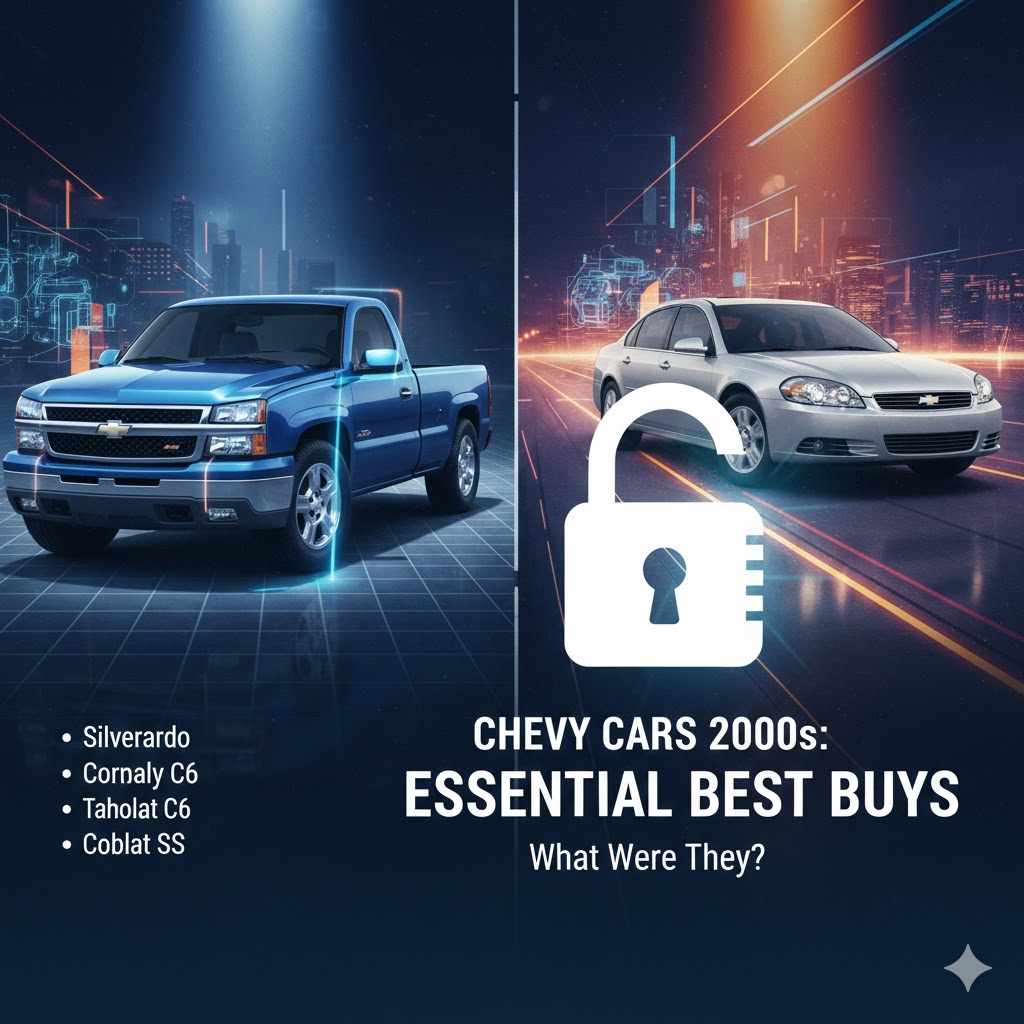
For reliable, affordable performance in “Chevy cars 2000s,” focus on the Chevy Corvette (C5/C6), the potent LS engine trucks (Silverado/Tahoe), and the surprisingly durable Cobalt. These models offer great value and easier maintenance for new owners.**
Buying a used car can feel tricky, especially when looking at models from two decades ago. You want something fun or useful that won’t constantly need expensive repairs. Finding a great car from the 2000s doesn’t have to be a headache. Many Chevrolet models from this decade are known for being tough and easy to work on. I’m Md Meraj, and I’ll walk you through which 2000s Chevys offer the best mix of performance, reliability, and value today. We will focus on smart choices so you can drive away with confidence.
Chevy Cars 2000s: Essential Best Buys for Today’s Driver
The 2000s (or the “Noughties”) were a dynamic time for Chevrolet. They produced everything from powerful sports cars to dependable family haulers. When looking for a used vehicle today, smart buyers look for reliability and simplicity. Luckily, many Chevy options from this era share strong, proven engineering. We are skipping the overly complex or notoriously weak models and focusing only on the gems that still make sense for beginners and budget-conscious drivers.
These cars hold up well if they have been cared for. Knowing what to look for—common issues and strong points—is the key to snagging a true bargain. Let’s dive into the models that consistently prove to be the best buys from the Chevy cars 2000s lineup.
Why Choose a Chevy from the 2000s?
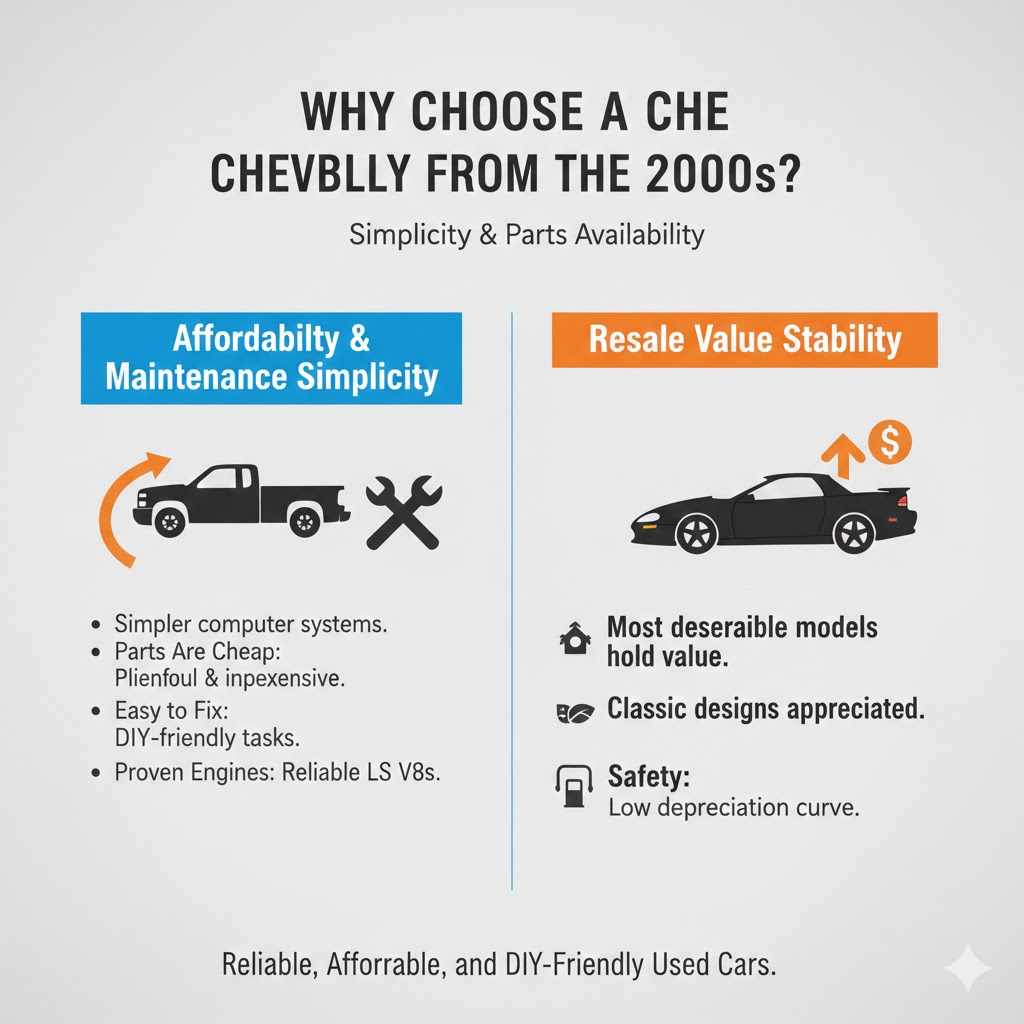
There are several strong reasons why a 2000s Chevy might be the perfect used car for you. It usually comes down to two main things: simplicity and parts availability.
Affordability and Maintenance Simplicity
Vehicles from this era generally use simpler computer systems compared to modern cars. This means fewer complex sensors to fail and cause expensive diagnostic bills. When something does break, the solution is often easier for a beginner DIYer.
- Parts Are Cheap: Chevy built millions of these vehicles. Parts are plentiful at any auto store and usually very inexpensive.
- Easy to Fix: Many common maintenance tasks—like changing the oil or swapping out brake pads—are straightforward.
- Proven Engines: Chevrolet relied heavily on variations of the venerable small-block V8 engine (the LS series) in many trucks and performance cars, known for going hundreds of thousands of miles.
Resale Value Stability
While they have depreciated, the most desirable models (like performance cars or heavy-duty trucks) tend to hold their value better than economy sedans because enthusiasts seek them out. This means you are buying something that retains a baseline worth.
The Top Three Essential Best Buys
Based on long-term reliability, owner satisfaction, and ease of maintenance, three categories of Chevy cars 2000s stand out as the smartest purchases right now.
1. The Reliable Workhorse: Chevrolet Silverado / Tahoe (With the LS Engine)
If you need utility, space, or a tough daily driver, you cannot ignore the GMT800 and early GMT900 truck platforms. These vehicles are legendary for their toughness.
Focus on the Engine: The LS Advantage
The single most important factor when buying a 2000s truck or large SUV is the engine. Avoid the early 2000s Vortec V8s if you can, and aim for the tried-and-true LS-series engines that became common after about 2003/2004.
The LS engines (like the 4.8L, 5.3L, and 6.0L V8s) are famous for being nearly indestructible. They are found in everything from base Silverados to Corvettes, meaning mechanics everywhere know how to service them.
Pros and Cons of 2000s Trucks/SUVs
| Pros (Why Buy) | Cons (Watch Out For) |
|---|---|
| Exceptional engine longevity (LS series). | Rust issues, especially in northern climates (check frames). |
| Huge aftermarket support for upgrades or repairs. | Fuel economy is poor, even for the time period. |
| Easy to lift or modify for off-road use. | Transmission issues (especially the 4L60E) under heavy towing. |
When inspecting a used Silverado or Tahoe, check the common weak points. Look closely at the intake manifold gaskets (they can leak coolant) and test the 4WD system thoroughly if applicable. For more information on standard automotive checks, resources like the National Highway Traffic Safety Administration (NHTSA) offer excellent baseline safety and recall information for these model years.
2. The Affordable Thrill: Chevrolet Corvette (C5 and Early C6)
If you want speed and handling without modern depreciation hits, the 2000s Corvettes are fantastic. The C5 (ending in 2004) and the early C6 (starting in 2005) both feature the amazing LS engine.
The C5 Corvette (1997–2004): The Budget King
The C5 is often cited as one of the best performance values ever made. It’s lighter, the LS1 engine is robust, and many repairs are surprisingly straightforward.
If you are new to sports cars, the C5 handles exceptionally well and doesn’t require hyper-expensive specialty tools for basic maintenance.
The C6 Corvette (2005–2013): Modern Feel, Same Heart
The C6 offers a slightly more modern interior and features the 6.0L LS2 engine. While parts availability is slightly less universal than the C5, the C6 is still mechanically simple compared to later models.
Safety Tip: For both generations, check the condition of the rear suspension cradle bolts. On high-mileage examples, these can sometimes loosen, requiring simple inspection and tightening.
3. The Practical Commuter: Chevrolet Cobalt (2005–2010)
Not every smart buy has to be a V8 truck or a sports car. For simple, cheap daily transportation, the Chevy Cobalt is often overlooked. While it had some reputation issues early on, the base models are excellent low-cost runners.
Why the Base Cobalt Wins
Forget the Supercharged SS versions if you are worried about reliability and complexity. The standard 2.2L and 2.4L four-cylinder engines (especially those paired with the manual transmission) are known for being durable. They are simple to service and get decent gas mileage.
It’s basic transportation, but it is generally dependable transport for a low initial cost. This car is proof that smart buying isn’t always about power; sometimes, it’s about minimizing trips to the mechanic.
Models to Approach with Caution
As your guide, I need to point out the areas where saving money upfront can cost you much more later. Some popular Chevy cars 2000s models have known issues that can scare off beginners.
The Chevy Impala (Front-Wheel Drive V6 Models)
While common, the V6 engines in many mid-2000s front-wheel-drive GM cars can suffer from head gasket failures, especially if they haven’t been maintained perfectly with the correct coolant mixture.
Chevrolet SSR
These fun roadsters are cool, but they use specialized body panels and unique convertible mechanisms. If anything major breaks on the roof or body, finding parts and affordable labor can be very difficult.
Early 2000s V6 Engines (Non-LS)
Be very wary of early 2000s 3.4L and 3.8L V6 engines across various GM platforms (like the Monte Carlo or older Impalas). While the 3800 V6 is legendary, some variants had issues with oil consumption or transmission failures if pushed hard.
Beginner’s Inspection Checklist: Buying a 2000s Chevy
Before you hand over any money, you need a solid, simple inspection plan. You don’t need to be a master mechanic to spot the big red flags. Here is a checklist focusing on common failure points for this era of Chevy cars 2000s.
- Check the Fluids: Pull the dipsticks for the engine oil and transmission fluid. The oil should not look milky (a sign of coolant mixing). The transmission fluid should be pink/red, not dark brown or smell burnt.
- Listen for the “Chevy Tick”: Many older Chevy V8s have a slight tick from the valvetrain. This is often normal. However, a loud, rhythmic clacking that gets faster with the engine speed can indicate a serious issue like a failing lifter or rocker arm. Trust your ears!
- Inspect the Body for Rust: Look underneath the truck frames, inside the wheel wells, and especially around the rear leaf spring mounts (on trucks). Surface rust is okay; flaky, hole-forming rust is not.
- Test the Electronics: Cycle the power windows, locks, wipers, and A/C system multiple times. Older GM electronics can be finicky, and fixing broken wiring or faulty window regulators is annoying work.
- Verify Maintenance Records: Ask for receipts. Seeing records of regular oil changes and timely transmission fluid services gives you major confidence. If the seller has zero records, you must assume the worst-case scenario for maintenance history.
For guidance on understanding basic fluid checks, the resources provided by reputable industry groups, like those often referenced by organizations supporting vocational training, can be very helpful for understanding visual cues in automotive fluids.
Making Smart Upgrades on Your New Purchase
Even the best buys from the 2000s can benefit from minor, confidence-boosting upgrades that are simple for beginners to tackle.
Confidence-Boosting DIY Fixes
These tasks are great starting points for building your DIY confidence:
- New Tires: The single best safety upgrade you can make. Good tires improve handling, braking, and comfort immediately.
- Brake Job: Replacing old pads and rotors is a very satisfying and relatively easy job that teaches you about the wheel assembly.
- Air Filter Replacement: Check the air filter. If it’s dirty, replacing it is simple (usually held by four clips or screws) and can improve engine breathing immediately.
Performance/Reliability Mods (For Trucks/Corvettes)
If you bought an LS-powered vehicle, you have great potential. Keep mods simple:
- Performance Tune (Professional): A simple ECU tune can optimize the engine for better throttle response and mileage without sacrificing reliability.
- High-Quality Shocks/Struts: Especially on high-mileage Corvettes, replacing tired suspension components restores that factory ride quality and handling feel.
Budget Breakdown: What to Expect in Ownership Costs
One of the biggest surprises for new used car owners is the recurring cost. Here is a realistic look at annual costs for well-maintained Chevy cars 2000s when compared to buying new or much newer used models.
| Cost Category | Estimated Annual Cost (2000s Chevy) | Notes for Beginners |
|---|---|---|
| Routine Oil Changes (DIY Parts) | $60 – $100 | Very easy job; save money here! |
| Tires (Replacement Fund) | $150 – $300 (Saved Annually) | Will need replacement every 4–6 years depending on driving. |
| Brake Pads/Rotors (One Axle DIY) | $100 – $150 (Parts Only) | Can easily be done in an afternoon with basic tools. |
| Unexpected Repairs (Contingency) | $300 – $500 | Budget for things like a bad alternator or sensor replacement. |
As you can see, the expected ongoing costs are manageable, provided you select one of the more robust models we discussed and handle the simple maintenance yourself. This is where you build confidence and save real money!

Frequently Asked Questions (FAQ) About 2000s Chevys
Q1: What is the best year for the Chevy Silverado in the 2000s?
A: The GMT800 platform (1999–2007 Classic) is generally considered the most robust. Look specifically for 2003 and newer models, as they introduced rack-and-pinion steering, which improved the driving feel significantly.
Q2: Are the transmissions in the 2000s Corvettes reliable?
A: Yes, the manual transmissions (like the T-56) are extremely strong. The automatic transmissions (4L60E) are generally good but should be treated gently, especially if the car has high mileage or has been heavily modified.
Q3: Should I worry about rust on a Cobalt or Impala?
A: Yes, body rust is a greater concern on smaller front-wheel-drive cars than on the body-on-frame trucks. Always check the rocker panels (the metal below the doors) and the rear quarter panels for bubbling paint, which indicates rust underneath.
Q4: How can I ensure the LS engine I look at isn’t worn out?
A: Cold starts are key. When checking a vehicle, ask the seller to let it sit cold. When you start it, listen for loud slapping or tapping noises that disappear after a minute or two. A quiet start is a good sign. Also, check the oil pressure on the gauge—it should hold steady once warmed up.
Q5: Do these older cars need special oil?
A: For most 2000s Chevy V8s (LS engines), standard 5W-30 oil works great. The exception is if you are using a very high-mileage engine, where some owners might switch to a slightly thicker oil (like 10W-30) on the mechanic’s advice to help manage minor oil consumption, but always consult your owner’s manual first.
Q6: Is it hard to find parts for the Chevy Cobalt?
A: No. Because the Cobalt shared many components with other GM economy cars of the era, parts are extremely easy to find and are usually the cheapest option on the shelf at any auto parts store.
Conclusion: Drive Your Smart Chevy Choice with Confidence
Finding a fantastic used vehicle from the 2000s doesn’t require a degree in auto mechanics. By focusing your search on the proven platforms—like the robust LS-powered trucks and Corvettes, or the simple Cobalt commuter—you are choosing durability over complexity. Remember the key steps: check the fluids, listen for serious engine knocks, and be honest about what you are willing to maintain.
These “Chevy cars 2000s” are now at a point where good ones are cheap to buy and affordable to keep running. Approach your purchase smart, perform that basic checklist, and you will have a reliable, satisfying ride for years to come. You’ve got this!