Coolant for Cars: Types, How to Choose the Right One, and Our Top Pick
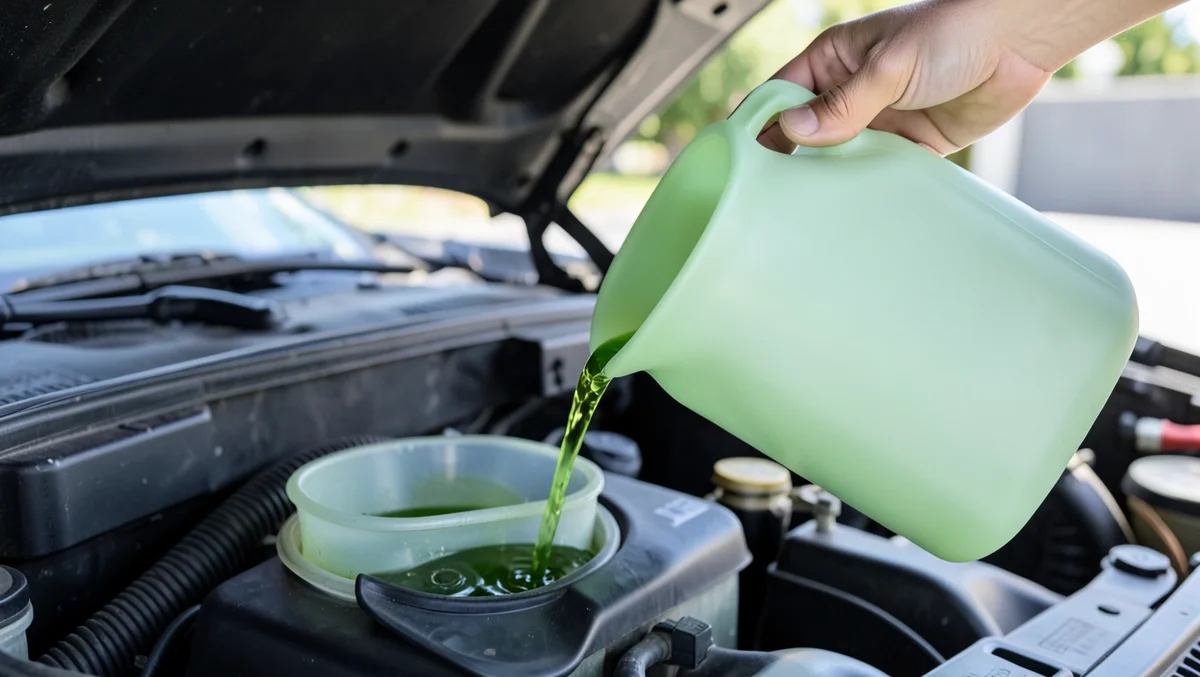
Coolant, also called antifreeze, keeps your engine from overheating in summer and freezing in winter while protecting internal metal parts from corrosion.
Running the wrong type of coolant, or letting the level drop too low, is one of the more common ways drivers end up with an overheated engine, a cracked block, or a blown head gasket. The good news is that choosing and maintaining the right coolant is simple once you know what to look for.
What Coolant Does for Your Engine
Coolant is a mix of water and either ethylene glycol or propylene glycol, plus a package of additives. It circulates through the engine block, absorbs heat, and carries it to the radiator, where outside air cools it down before it cycles back through the engine.
Beyond temperature control, coolant lowers the freezing point of the liquid in your cooling system so it does not turn to ice and crack the block in cold weather, and its additive package coats internal metal surfaces to slow rust and corrosion. A cooling system that is topped off with the correct coolant is one of the cheapest forms of engine insurance you can buy.
BEST UNIVERSAL PICK
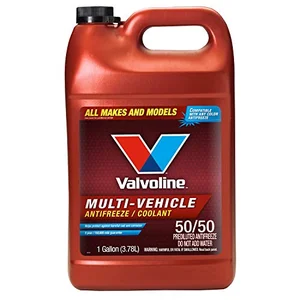 |
Valvoline Multi-Vehicle 50/50 Prediluted Antifreeze/Coolant – $18.58 Compatible with most gasoline engines, it is a straightforward pick if you want one coolant that covers the whole family fleet without hunting down a model-specific formula.
|
Coolant Types: IAT vs. OAT vs. HOAT
Not every coolant is built the same way, and the differences come down to the additive package rather than just the color on the shelf. Here are the three main technologies you will run into, along with realistic change intervals for each.
| Type | Typical Color | Change Interval | Common Use |
|---|---|---|---|
| IAT (Inorganic Acid Technology) | Green | 2 years / 30,000 miles | Older vehicles, roughly pre-1996 |
| HOAT (Hybrid Organic Acid Technology) | Yellow, orange, blue, or pink, depending on brand | About 3 years / 150,000 miles | Many Ford, Chrysler, and European models |
| OAT (Organic Acid Technology) | Orange or red (Dex-Cool and similar) | 5 years / 100,000–150,000 miles | Most GM vehicles and many newer cars overall |
The often-repeated rule of “change coolant every 30,000 miles” only really applies to older IAT (green) coolant. Most cars built in the last 20-plus years ship with a long-life OAT or HOAT formula, so following your owner’s manual interval instead of a blanket mileage number will save you from flushing a system that does not need it yet, or worse, running an old batch of IAT coolant well past its protective life.
Color is a rough guide at best. Manufacturers do not agree on a single color-to-chemistry standard, so two bottles of the same shade can use completely different additive packages. For a deeper breakdown of coolant chemistry and which type fits which car, see our guide on whether coolant is the same for all cars.
How to Choose the Right Coolant for Your Car
- Start with the owner’s manual. It lists the exact coolant specification your manufacturer designed the cooling system around, which is always the safest choice.
- Check the reservoir cap or a sticker under the hood if you no longer have the manual. Many automakers print the required spec directly on or near the coolant reservoir.
- Consider your climate. Prediluted 50/50 coolant is fine for most of the United States, but drivers in extremely cold regions sometimes step up to a higher-concentrate mix for extra freeze protection.
- Use a universal or multi-vehicle coolant with some caution. These blends are formulated to meet several manufacturers’ specs at once and work well for most gasoline engines, but they are a compromise, not a guarantee, for every vehicle on the road.
If you drive somewhere that regularly sees deep sub-zero temperatures, it is worth comparing options built specifically for that climate rather than relying on a standard 50/50 mix — see our picks for the best antifreeze for extremely cold weather.
Signs Your Car Needs More Coolant
- The temperature gauge climbs toward the hot side, especially in traffic or on long grades.
- The cabin heater starts blowing cool or lukewarm air instead of hot.
- A sweet, slightly syrupy smell shows up around the engine bay or from the vents.
- You notice a puddle of green, orange, or pink fluid under the front of the car after it has been parked.
Any of these is worth investigating right away rather than waiting. If you are seeing fluid on the ground, our guide on why your car is leaking antifreeze walks through the most common causes, and if the level is already low, what happens if a car is low on antifreeze explains the real risk of continuing to drive it that way.
Adding or Flushing Coolant: The Short Version
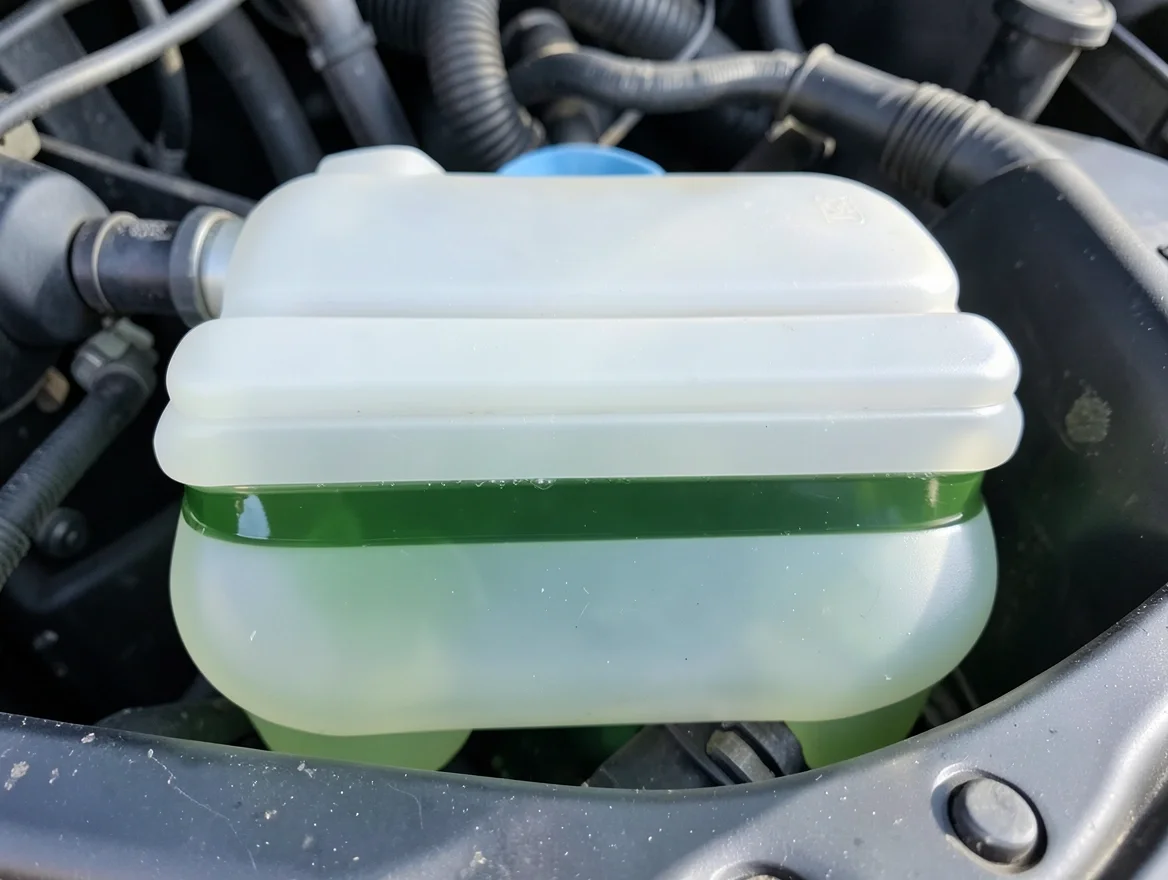
Topping off a low reservoir is usually a five-minute job: let the engine cool completely, add the correct coolant to the reservoir up to the MAX line, and never open the radiator cap on a hot engine, since pressurized coolant can cause serious burns. A full flush, which replaces the coolant throughout the entire system rather than just the reservoir, is a bigger job that is worth doing on the schedule your manual recommends or when you switch coolant types.
For the complete step-by-step process, see how to add coolant to your car, and if you are due for a full system flush, our roundup of the best coolant flush products compares the cleaners and kits that make the job easier.
Frequently Asked Questions
What Is Coolant for Cars?
Coolant, also called antifreeze, is the fluid that circulates through your engine and radiator to regulate temperature, prevent freezing, and protect metal parts from corrosion.
Why Is Coolant Important for a Car?
Without it, your engine has no reliable way to shed the heat it generates, which can lead to overheating, warped cylinder heads, or a blown head gasket in as little as a few miles of driving.
How Often Should I Change My Car Coolant?
It depends on the coolant type: roughly every 2 years or 30,000 miles for older IAT (green) coolant, about 3 years or 150,000 miles for HOAT formulas, and up to 5 years or 100,000 to 150,000 miles for long-life OAT coolant. Your owner’s manual has the exact interval for your vehicle.
Can I Use Water Instead of Coolant?
Not as a long-term solution. Water alone lacks the corrosion inhibitors and freeze protection that coolant provides, and it can cause rust, mineral scale, and overheating over time. It is fine as a temporary emergency top-off, but flush it with proper coolant as soon as possible.
Can I Mix Different Coolant Colors?
Generally, no. Mixing incompatible coolant chemistries can create sludge, reduce the corrosion protection of both fluids, and clog narrow passages in the radiator or heater core. If you are unsure what is already in your system, a full flush before adding new coolant is the safer route.
Is Universal Coolant Safe for Every Car?
Universal or multi-vehicle coolants are formulated to meet a broad range of manufacturer specs and work fine in most gasoline vehicles. A small number of cars with unusual factory requirements may still need a dealer-specific formula, so it is worth confirming against your owner’s manual before switching.
Bottom Line
Coolant is inexpensive compared to the engine damage a cooling system failure can cause. Check your owner’s manual for the right type, keep the reservoir topped off between the MIN and MAX lines, and change it on the interval that matches the chemistry your car actually uses rather than a one-size-fits-all mileage number.
Products related to this article
Sponsored / affiliate links. As an Amazon Associate I earn from qualifying purchases. I may earn additional commission from eligible campaigns.