Car Covers for Hail: Basic vs. Padded Protection Explained
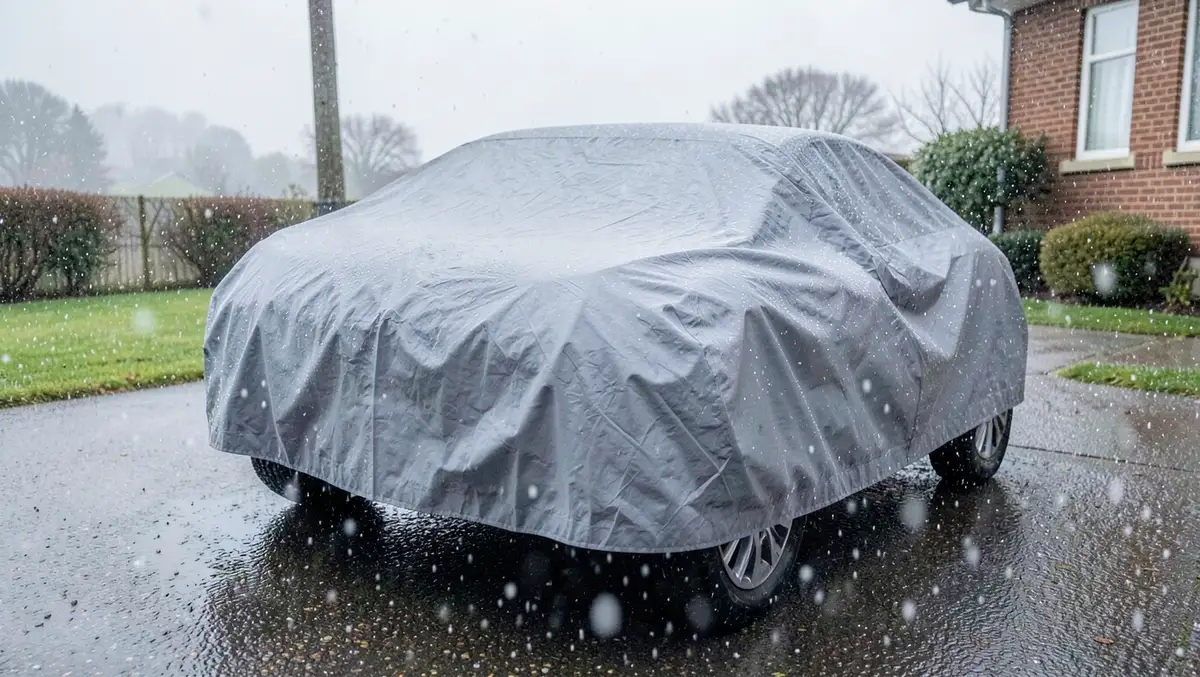
Not every hail-prone driver needs a thick padded storm cover. A basic all-weather car cover — waterproof, UV-rated, and much cheaper — is often enough if you mainly deal with small hail (pea to dime size) rather than golf-ball-size stones.
“Car covers for hail” is a broad category that spans two very different products: lightweight all-weather covers built mainly for rain, UV, and dust that happen to soften small hail too, and purpose-built padded hail covers with 3-8mm of EVA or XPE foam specifically engineered to absorb bigger impacts. Buying the wrong one wastes money either way — overpaying for padding you don’t need, or under-protecting your paint when a real storm hits.
This guide covers how to tell which type you actually need, what to check before buying a general-purpose cover, and a budget-friendly pick that handles everyday weather plus light hail.
Quick Answer
A basic all-weather car cover protects against pea-to-dime-size hail (up to about 0.75 in) and general weather. Once hail reaches quarter-size (1 in) or larger, switch to a purpose-made padded cover with multi-layer EVA or XPE foam — a thin all-weather cover alone won’t stop dents from stones that size.
Do You Need a Padded Cover, or Will a Basic Cover Do?
The right cover depends on the hail size your area typically sees, not just on “hail protection” marketing language. Check your local hail history (NWS storm reports or an insurance loss report for your ZIP code) before you buy:
| Typical Hail in Your Area | Diameter | Cover Type Needed |
|---|---|---|
| Pea to dime | 0.25–0.75 in | Basic all-weather cover is fine |
| Quarter | 1.0 in | Padded multi-layer cover recommended |
| Golf ball or larger | 1.75 in+ | Thick padded cover or covered parking — a cover alone may not be enough |
If you live somewhere hail rarely gets past dime-size, or you’re mainly buying a cover for everyday rain, sun, and dust protection with light hail as a bonus, a basic all-weather cover like the one below is the more practical buy — it’s lighter, cheaper, and easier to store than a dedicated padded cover.
Budget All-Weather Pick
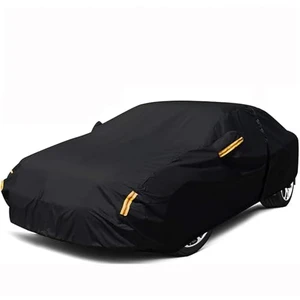 |
NEVERLAND Car Cover Waterproof All Weather (Sedan) – $29.99 A lightweight, budget-friendly all-weather cover that handles rain, UV, dust, and light hail without the bulk or cost of a dedicated padded storm cover.
|
What to Look for in a General-Purpose Hail Car Cover
A basic all-weather cover still needs to fit and function correctly, or it won’t stay put during the wind that usually comes with a hailstorm. Check these before buying:
- Exact size match, not “universal”: use the manufacturer’s size chart (length, and sedan vs. SUV vs. coupe) rather than a generic one-size cover — a loose cover flaps in wind and can rub the paint.
- Waterproof outer layer with a soft inner lining: the outer shell keeps rain and hail moisture out, while a fleece or non-abrasive inner layer stops the cover itself from scratching your clear coat.
- Wind straps or a cinching hem: hailstorms come with gusts — a cover with no way to secure it at the wheels or hem is likely to blow loose mid-storm, which defeats the purpose.
- Driver-door access zipper (optional but convenient): lets you get in and out without removing the whole cover if the storm passes and you need to move the car quickly.
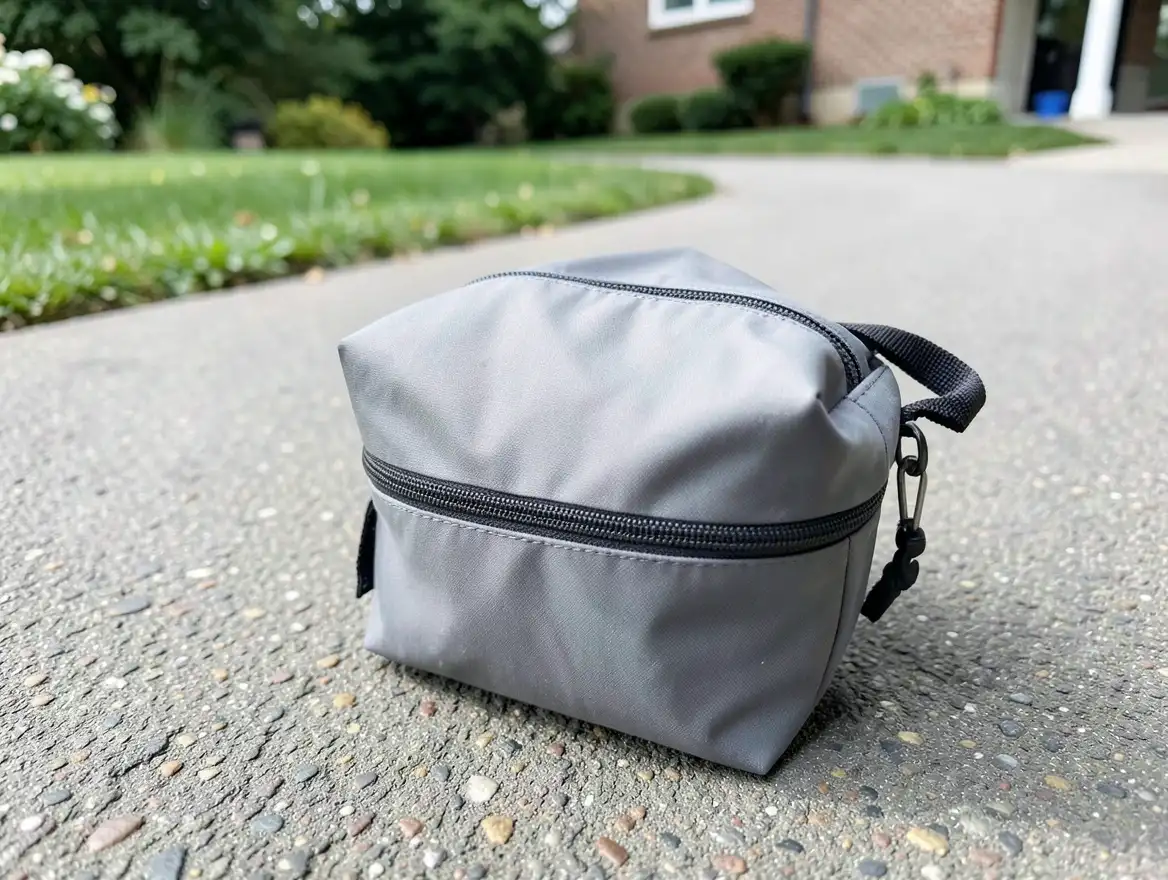
- Compact storage: a cover that folds into a small bag is easier to keep in the trunk so it’s actually on hand when a storm warning comes through, instead of sitting unused in the garage.
How to Use a Car Cover During a Hailstorm
- Cover the car before the storm arrives, not once hail is already falling — check a weather alert app for advance warning.
- Fold in your side mirrors first so the cover lies flatter and the mirror glass has one less exposed edge.
- Drape the cover fully over the roof, hood, and trunk, keeping it centered so no panel is left exposed.
- Secure the wind straps or hem at the wheels so gusts can’t lift or strip the cover mid-storm.
- Inspect the car and cover after the storm passes, checking for tears in the cover and any dents or water intrusion on the vehicle itself.
Frequently Asked Questions
Does a Regular Car Cover Protect Against Hail?
A regular all-weather car cover offers some cushioning against small hail (roughly pea to dime size, up to about 0.75 inches) since the fabric layer softens the impact slightly. It is not designed to stop dents from quarter-size hail or larger — for that, you need a purpose-made padded cover with multi-layer EVA or XPE foam.
What Is The Difference Between A Padded And Non-Padded Hail Cover?
A non-padded (basic) all-weather cover is a single or double layer of waterproof fabric designed mainly for rain, UV, and dust, with light hail resistance as a side benefit. A padded hail cover adds 3-8mm of foam padding between fabric layers, specifically engineered to absorb the impact energy from larger hailstones and prevent dents. Padded covers cost more and are bulkier to store.
How Do I Know If I Need A Padded Hail Cover?
Check your area’s hail history. If you’re in a state with frequent large-hail events (Texas, Colorado, Kansas, Nebraska, and much of the Great Plains hail corridor all see regular quarter-size-plus hail), a padded cover is worth the extra cost. If large hail is rare where you live and you mainly want everyday rain/UV protection, a basic all-weather cover is usually sufficient.
Can I Use A Regular Car Cover During A Hailstorm If That Is All I Have?
Yes — a basic cover is still better than no cover at all, since any fabric layer absorbs some impact energy and reduces glass and mirror exposure. It just won’t reliably stop dents once hail reaches quarter-size or larger. If a storm is approaching and covered parking is available, prioritize that over any cover.
How Much Do All-Weather Car Covers Cost?
Basic all-weather car covers typically run $25-$60 depending on vehicle size and material quality. Purpose-built padded hail covers with multi-layer foam start around $70 and can run $150-$250+ for SUV-size options, while inflatable airbag-style covers cost $400 or more.
Conclusion
Match the cover to the hail you actually get, not the biggest one you can find. A basic all-weather cover handles everyday weather plus small hail at a fraction of the cost and bulk of a padded cover. If your area regularly sees quarter-size hail or larger, step up to a padded multi-layer cover built specifically for hail impact. And whichever cover you choose, covered parking always beats any cover when a serious storm is forecast — see our full guide to protecting your car from hail for parking strategies, DIY backup methods, and what to do after a storm.
Products related to this article
Sponsored / affiliate links. As an Amazon Associate I earn from qualifying purchases. I may earn additional commission from eligible campaigns.
 Car Cover Hail Protection Padded Compatible with Toyota MR2 Roadster, Hail Protector Car Cover Protection, Snowproof Waterproof Windproof Sun Uv Protection Hail Blanket FY13Car Cover Hail Protection Padded Compatible with opel Astra TwinTop, Hail Protector Car Cover Protection, Snowproof Waterproof Windproof Sun Uv Protection Hail Blanket FY13