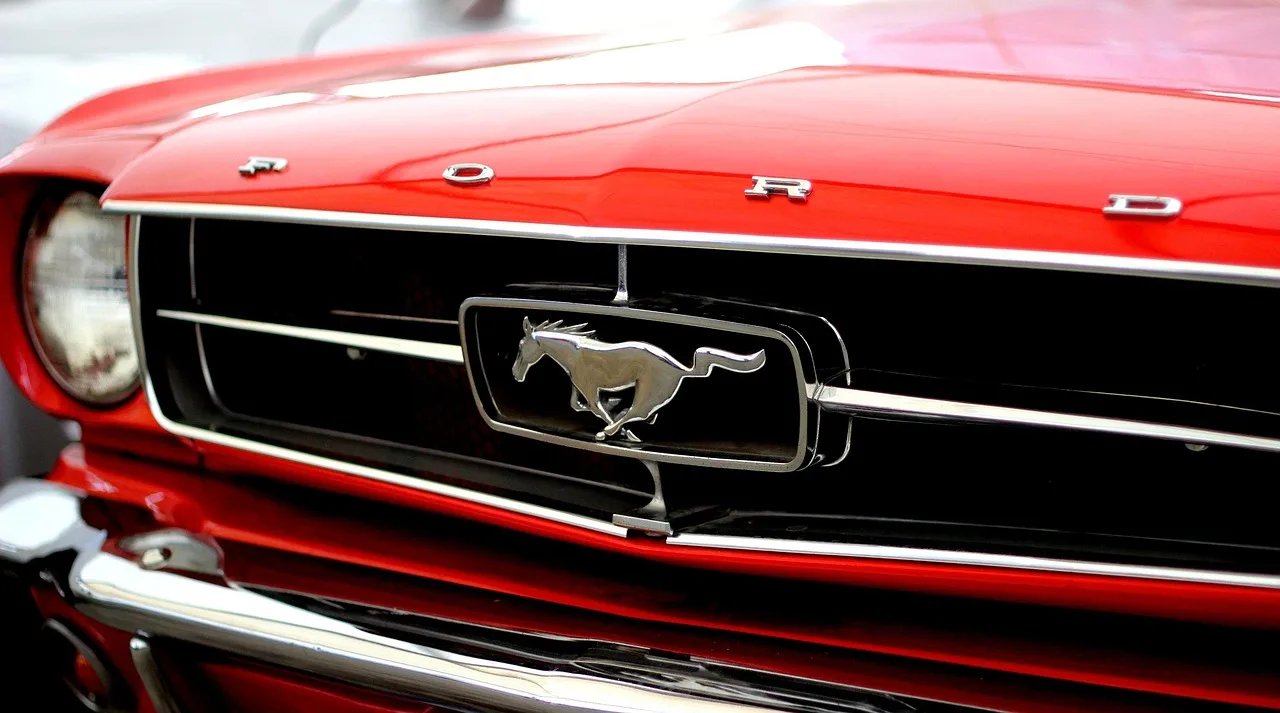
3 Best Custom Emblems for Cars (2026): We Compared
The best custom emblems for cars are usually stainless steel or zinc alloy badges for daily use, chrome emblems when you want a brighter finish, and crystal emblems when appearance matters more than long-term abuse resistance. Pick the wrong material or mounting method and you can end up with peeling adhesive, heat damage, or a badge that looks out of place at close range. This guide compares the three by fitment, durability, and install risk, so you can buy the right one for outdoor use.
Quick comparison
| Product | Badge | Best for | Price | ||
|---|---|---|---|---|---|
 |
Custom Metal Car Emblem Gift for Cars Lovers, VechicleDIZZY | Our pick | 3D metal · 3M adhesive · gift box | $29.99
Price as of 25 Oct 2026
|
View |
 |
Custom Metal Car Emblem 3D Text Logo for BoatHDSD | Also great | 3D chrome · 1.5mm profile · 35 icons | $17.99
Price as of 25 Oct 2026
|
View |
 |
LZLRUN Custom Car Metal Emblems & Badges, PersonalizedLZLRUN | Budget pick | 0.1in stainless · rust-proof · multi-use | $7.99
Price as of 25 Oct 2026
|
View |
For most daily drivers, metal is the safest default because it stands up to weather and washing better than a highly decorative badge. Chrome wins on shine. Crystal is the most visual, and the least forgiving if you park outside often.
| Option | Outdoor durability | Wash resistance | Visual impact | Install difficulty | Best-fit vehicle type | Avoid this if… |
|---|---|---|---|---|---|---|
| Metal | High with zinc alloy or stainless steel | Good if the adhesive is properly prepped | Moderate to high, depending on polish | Low to moderate | Daily drivers, trucks, SUVs, restoration-style builds | You want a jewel-like finish or a show-first badge |
| Chrome | High when the plating and backing are quality-made | Good, but edges can show wear if prep is poor | Very high | Moderate | Black paint, chrome trim, modern street builds | You want a matte look or minimal attention |
| Crystal | Moderate | Fair to good, depending on exposure and mounting | Very high | Moderate to high | Show cars, event cars, gift builds | Your car sees frequent brushing, pressure washing, or winter road salt |
How we chose
The comparison favors outdoor use, not shelf appeal. That means the main filters are weather resistance, paint-safe mounting, size availability, and how likely the badge is to suit a daily driver without drawing the wrong kind of attention.
We also separated decorative custom badges from restoration-correct emblems. That matters because an OEM-style replacement aims to match the factory look, while a custom badge is chosen for finish, shape, and personalization.
Price is normalized by material, size, and mounting method. A small adhesive badge should not be judged against a larger metal emblem without noting that size and backing change both cost and risk.
Metal emblems: best for all-weather use
Metal is the best all-around choice when the badge has to stay on the car through rain, heat, and regular washing. Zinc alloy emblems are the durable side of that category, while stainless steel gives you a harder, more weather-resistant face with a cleaner embossed look.
Zinc alloy construction
Cartune and Tire lists DXNQ as using zinc alloy, which is the right call for buyers who want a dense, durable badge instead of a lightweight trim piece. Zinc alloy is commonly used in metal badge options because it can stand up to corrosion better than plain decorative plastics when the finish and adhesive are done well.
That said, zinc alloy does not excuse poor prep. If the panel is waxed, dusty, or still warm from the sun, the adhesive bond can weaken at the edges.
Stainless steel and embossed badges
LZLRUN lists a 0.1in thick stainless steel badge with rust-proof and weatherproof claims, plus adhesive-backed installation. Stainless steel is a good fit when you want a sharp embossed profile, UV resistance, and a finish that does not depend on paint-like coatings to look finished.
It is also the better choice when you want a more restrained look than chrome. The downside is that stainless can read more industrial than decorative, especially on a car with lots of polished trim.
Where metal beats chrome and crystal
Metal makes the most sense for a daily driver, a truck, or an SUV that sees weather, automatic washes, and parking-lot abuse. It is also the cleaner choice for restoration work when you want the badge to look appropriate without turning the back of the car into a display piece.
Say your trunk lid has a flat 4-inch by 2-inch mounting area and the car gets washed weekly. A stainless or zinc alloy emblem is more likely to hold position cleanly than a crystal badge with a taller profile.
Chrome emblems: best for shine
Chrome custom car emblems are the right pick when you want a rich metal appearance with polished edges and a brighter finish than plain stainless. PremiumEmblem says its chrome emblems use electro-chrome plating and can suit both interior and exterior environments, which is the kind of finish detail that matters on black paint or a vehicle with factory chrome trim.
Electro-chrome plating and polished edges
Electro-chrome plating is what gives chrome badges their mirror-like effect, and polished edges help the shape read clearly from a distance. PremiumEmblem also references DIN EN ISO9227-CASS requirements, which should be read as a corrosion-test reference for coated products, not a guarantee of indefinite survival.
Chrome can also be painted, which helps if you want the shape but not the full bright-metal look. That is useful on darker builds where the badge should match the body more than it reflects it.
Foam die-cut adhesive and 3M backing
The same source says chrome emblems can use automotive-grade foam die cut adhesive, and Cartune and Tire says LFPartS uses 3M adhesive. That matters because a paint-safe adhesive is the usual method for peel-and-stick mounting and is the main reason these emblems can be installed without drilling.
3M adhesive backing is still only as good as the surface underneath it. If the paint has wax, ceramic coating residue, or fresh overspray, the bond can fail early at the corners.
When chrome paint or black trim works best
Chrome emblems look strongest on black paint, white paint, and vehicles that already have chrome window trim, grilles, or mirror caps. They can also work on dark gray wraps because the bright edges give the badge enough separation to be visible without looking oversized.
Suppose the rear deck of a sedan is already busy with chrome exhaust tips and bright window trim. A chrome emblem fits that visual language better than a crystal badge, which may look disconnected from the rest of the car.
The drawback is glare and upkeep. Chrome shows finger marks and wash streaks more clearly than brushed or embossed metal, so it rewards careful installation and regular cleaning.
Crystal emblems: best for show cars
Crystal emblems are the most visible option, but they are also the most style-dependent. Chromerimshop lists diamond emblems from 18 inches to 28 inches, which tells you these are often sold as larger statement pieces rather than subtle trunk badges.
Diamond crystal detailing
Crystal detailing adds sparkle and depth that metal cannot match. That is the appeal: the badge reads like an accent piece, especially in display settings or on cars that already have a lot of polish and lighting around them.
The drawback is practical. Crystal surfaces can attract attention in a good way on a show car, but on a daily driver they can look overdone and are more exposed to scuffs, pressure washing, and edge wear.
18-inch to 28-inch size range
The same source lists diamond emblems from 18 inches to 28 inches, and it also lists chrome emblems and bullet emblems in the same 18 inches to 28 inches range. Those sizes are far beyond a trunk-letter badge, so buyers should treat them as body or panel pieces, not small emblem replacements.
That size range matters because the mounting area has to be measured first. A large badge that overhangs a fender crease or trunk edge can look misaligned even if the finish is good.
Chrome or diamond finish options
Crystal badges often come with chrome or diamond finish options, which means you should decide whether the goal is bright trim harmony or full visual contrast. If the car already has a lot of glossy detailing, the chrome version usually looks cleaner and less busy.
The honest drawback is cost and fitment risk. Larger decorative pieces tend to be less forgiving on curved panels, and the installation becomes more sensitive to alignment than a small metal badge.
Which emblem lasts longest outdoors?
Stainless steel and zinc alloy usually last longest in sun and rain when they are paired with a quality adhesive and mounted on a properly cleaned panel. Chrome can also last well, but its finish and edge quality matter more, while crystal is the least durable option for harsh daily exposure.
Sun exposure
Direct sun tests the finish first. Stainless steel handles UV exposure well because its appearance depends less on a fragile coating, while chrome depends on plating quality and crystal depends on both adhesive stability and the condition of the detailing.
Cartune and Tire says the Elektroplate emblem is 3 inches by 3.4 inches, which is a useful reminder that even small badges need enough flat surface to avoid heat-related edge lift on curved bodywork.
Rain, road salt, and washing
Rain is usually less damaging than repeated pressure washing or winter salt spray. A metal badge with 3M adhesive backing is the safer daily-use setup, but it still needs clean paint, dry mounting, and enough cure time before the first wash.
A common first-timer mistake is sticking a badge onto a freshly detailed trunk and then running it through a wash the same afternoon. The adhesive may hold at first, but the edge can begin to lift once water and detergent work into the bond line.
What DIN EN ISO9227-CASS can and cannot tell you
DIN EN ISO9227-CASS is a corrosion-resistance test reference for coated products, including chrome badge quality. It is useful because it suggests the badge maker is thinking about coating durability, but it does not prove how a badge will survive your specific car wash routine, climate, or prep quality.
Use that standard as a quality clue, not a warranty. The adhesive, panel prep, and edge finishing still decide how the emblem behaves on the car.
What size should you buy?
Buy the size that fits the mounting area, not the size that sounds impressive. The right emblem leaves clean margins around the badge, clears panel curves, and matches the scale of the trunk lid, fender, or door section you are covering.
Measuring a trunk lid or fender
Measure the flat area first, then leave visible border space on each side. A practical rule is to keep the emblem smaller than the usable flat section so the ends do not sit on a crease, panel edge, or textured plastic.
For a trunk, measure the width between trim pieces or the center section between badge recesses. For a fender, measure the flat patch before the panel starts curving toward the wheel arch.
Proportions for trucks and SUVs
Trucks and SUVs can handle larger emblems because the body panels are broader and the badge has to read from farther away. Even then, a larger badge should still fit the panel geometry, especially if the surface is slightly crowned or sharply curved.
HDSD lists its custom metal emblem for cars, SUVs, and trucks, with specific size options and 35 icon choices. That is the right kind of listing to look for when the vehicle is taller and the badge needs to stay visible from a distance.
When a wheel center cap decal makes more sense
Wheel center cap decals are a separate fitment category. They need brand-specific sizing, and the best listings usually point buyers to customer photos and material guidance because wheel caps see heat, brake dust, and frequent cleaning that trunk badges do not.
Do not use a center-cap decal as a substitute for a trunk emblem. The diameter, curvature, and wear pattern are different, so the fitment logic is different too.
Which one should you buy?
If you want the safest all-around choice, start with stainless steel or zinc alloy. If you want the brightest appearance, choose chrome. If the car is a show build or weekend car, crystal is the most dramatic option, but it asks the most from your paint prep and installation.
Best choice by budget
The lowest entry price in this group is the LZLRUN stainless steel emblem at $7.99, which makes it the strongest value if you care most about weather resistance and simple install risk. HDSD at $17.99 sits in the middle, while DIZZY at $29.99 is the priciest of the three listed options.
Price should be weighed against size and finish. A bigger chrome or crystal badge costs more because material, plating, and installation risk all increase together.
Best choice for daily drivers
Choose stainless steel or zinc alloy if the car lives outside, sees rain, or goes through routine washes. These materials are less likely to look out of place over time, and they are easier to justify on a car you use every day.
If the car has black paint or a lot of chrome trim, a chrome emblem can still work well. Just expect more visual upkeep.
Best choice for show builds
Pick chrome or crystal if appearance matters more than long-term abuse resistance. The same source gives a clean reflective edge, while crystal is for buyers who want the badge to read as a display piece.
Chromerimshop’s 18 inches to 28 inches sizing for chrome, diamond, and bullet styles is a reminder that these options are often aimed at larger visual statements, not factory-replacement subtleties.
Best choice for restoration-correct looks
Restoration work should stay separate from decorative customization. If you are replacing a factory badge on a classic or preserving an OEM-style appearance, choose the closest shape, size, and finish match instead of the flashiest emblem in the catalog.
That usually means stainless or plain metal over crystal, and it means checking the original panel location before buying anything with custom text or oversized styling.
Choose DIZZY if you want a gift-ready custom metal badge with a matte or glossy finish and 3M automotive adhesive. Choose HDSD if you need icon variety, specific size options, and a lower-priced metal badge with two adhesive options included. Choose LZLRUN if you want the simplest metal option with rust and corrosion resistance at the lowest listed price.
Choose DIZZY if… / Choose HDSD if… / Choose LZLRUN if…
Choose DIZZY if you want a 3D metal emblem that feels gift-ready, want either matte or glossy styling, and care more about a polished presentation than the lowest price. Its drawback is simple: it costs more than the other two listed options, so it only makes sense if the finish matters.
Choose HDSD if you want a lower-cost metal badge with 35 icon choices, a 1.5mm profile, and specific size options already listed. Its drawback is that a lighter-profile badge can be less visually substantial than a thicker embossed piece.
Choose LZLRUN if your priority is weather exposure, corrosion resistance, and a straightforward stainless steel badge that can be sized from 0.5 to 3 inches in height. Its drawback is that the look is more restrained, so it may not satisfy buyers who want strong chrome-like flash.
Frequently asked questions
What are the best custom emblems for cars?
For most cars, the best custom emblems are stainless steel or zinc alloy badges with quality adhesive backing. They hold up better outdoors than decorative crystal options, and they are easier to live with on a daily driver. Chrome is the best visual upgrade if the rest of the car already has bright trim.
Which custom car emblem lasts longest in sun and rain?
Stainless steel usually lasts longest in sun and rain, followed by good zinc alloy and well-made chrome. The finish matters, but so does the backing and surface prep. A high-quality badge with poor installation can fail before a simpler one that was mounted correctly.
Are chrome emblems better than metal or crystal emblems?
Chrome is better only if you want a brighter, more reflective look. For pure durability, stainless steel and zinc alloy are usually safer daily-use choices. Crystal wins on visual impact, but it is the least forgiving when the car sees constant weather, washing, or rough handling.
What size car emblem should I buy for a trunk or fender?
Measure the flat area first and buy a badge that leaves clear margin around the edges. For trunks, the usable center section often matters more than the full lid width. For fenders, check the flat patch before the panel curves toward the wheel opening.
Will peel-and-stick emblems damage my paint?
They usually will not damage healthy paint if the surface is clean, dry, and fully cured, but they can lift clear coat or leave residue if the paint is weak, repainted poorly, or removed roughly. Heat, wax, and contamination all raise the risk, so prep matters.
Can custom emblems be used on trucks and SUVs?
Yes, but only if the size and curvature match the panel. Trucks and SUVs often need larger badges than sedans, and some placements need stronger visual contrast. Do not assume universal fit. Measure the exact area before ordering, especially on tailgates and fenders.
Products related to this article
Sponsored / affiliate links. As an Amazon Associate I earn from qualifying purchases. I may earn additional commission from eligible campaigns.