Dead Man Switch for a Car: What It Means | Kill Switch Guide
A car does not come with a true dead man’s switch – that term actually describes a safety device used on things like forklifts, trains, and jet skis that cuts power the instant the operator lets go. Most people who search for a “dead man switch for car” are really looking for an aftermarket kill switch, a hidden device that stops your car from starting unless it’s manually armed.
What People Usually Mean by “Dead Man Switch for Car”
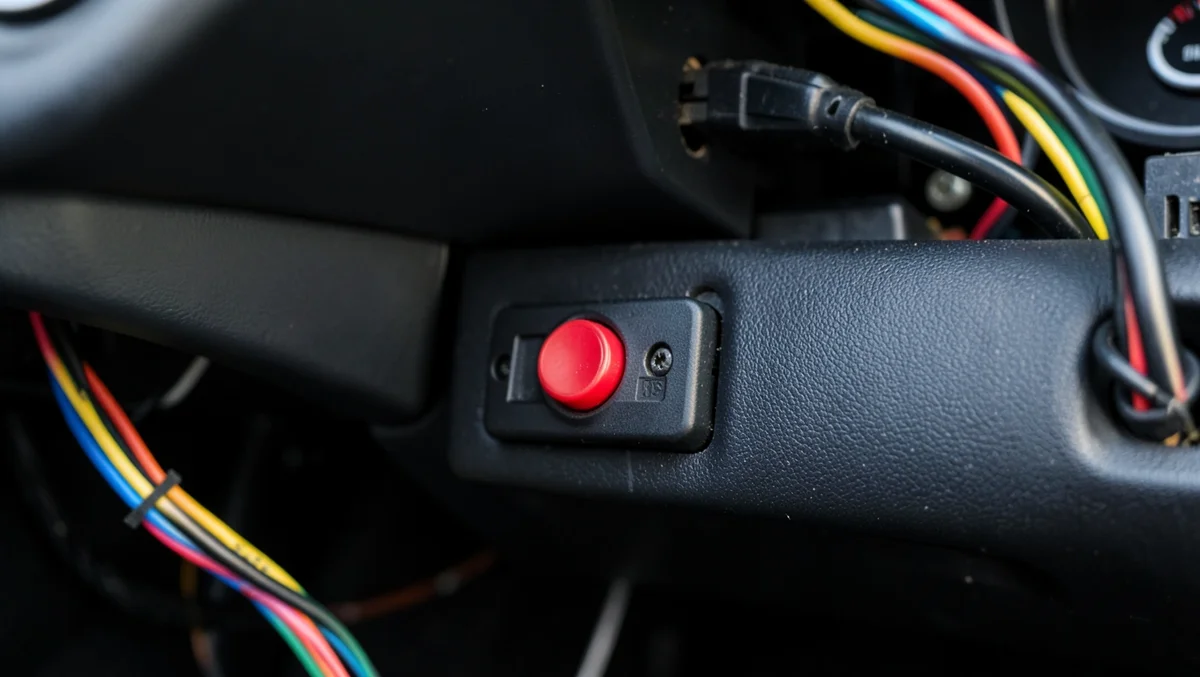
The phrase “dead man switch” gets used loosely online, and most of the time it’s standing in for something else: a car kill switch. A kill switch is a hidden device, usually wired into the ignition, fuel pump, or starter circuit, that you flip manually to stop the car from starting. It’s a theft-deterrent, not a fail-safe – nothing about it responds automatically to the driver.
A genuine dead man’s switch works the opposite way. It requires the operator to actively hold, press, or grip something the entire time the machine is running, and it cuts power automatically the moment they stop. If you want the anti-theft device most people are picturing when they search this term, that’s a kill switch, and we cover exactly how those work and what they can and can’t do for car theft below.
UNIVERSAL ANTI-THEFT PICK
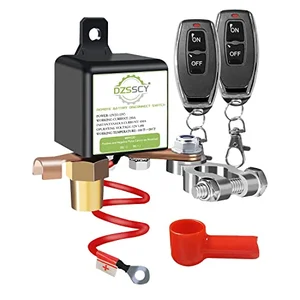 |
Remote Battery Disconnect Switch, 12V Kill Switch for Car/Truck – $17.98 This is the kind of hidden switch most “dead man switch for car” searchers actually want – a manual cutoff that keeps your car from starting until you arm it.
|
What a Real Dead Man’s Switch Is (and Where They’re Actually Used)
A true dead man’s switch is a fail-safe: it has to be actively held or engaged to keep a machine running, and it shuts things down automatically the second the operator lets go, passes out, or gets thrown clear. The idea dates back over a century, to foot pedals on early streetcars that a motorman had to keep pressed to keep the tram moving. Let go, and the brakes applied on their own.
That same principle shows up across a surprising number of everyday machines, just not in your car:
- Forklifts and warehouse trucks – a presence sensor in the seat, or a lever the operator has to hold, cuts drive power the moment they stand up or let go.
- Jet skis and personal watercraft – the lanyard clipped to your wrist is a genuine dead man’s switch. Fall off, and the engine cuts instantly.
- Riding and push lawn mowers – the blade brake bar you have to keep squeezed against the handle is required safety equipment in the US, and it releases the moment you let go.
- Trains and light rail – many transit systems still use a vigilance pedal or handle the operator must keep depressed, which is where the whole concept started.
- Snowblowers and some power tools – the same squeeze-to-run bail handle you find on mowers shows up here too.
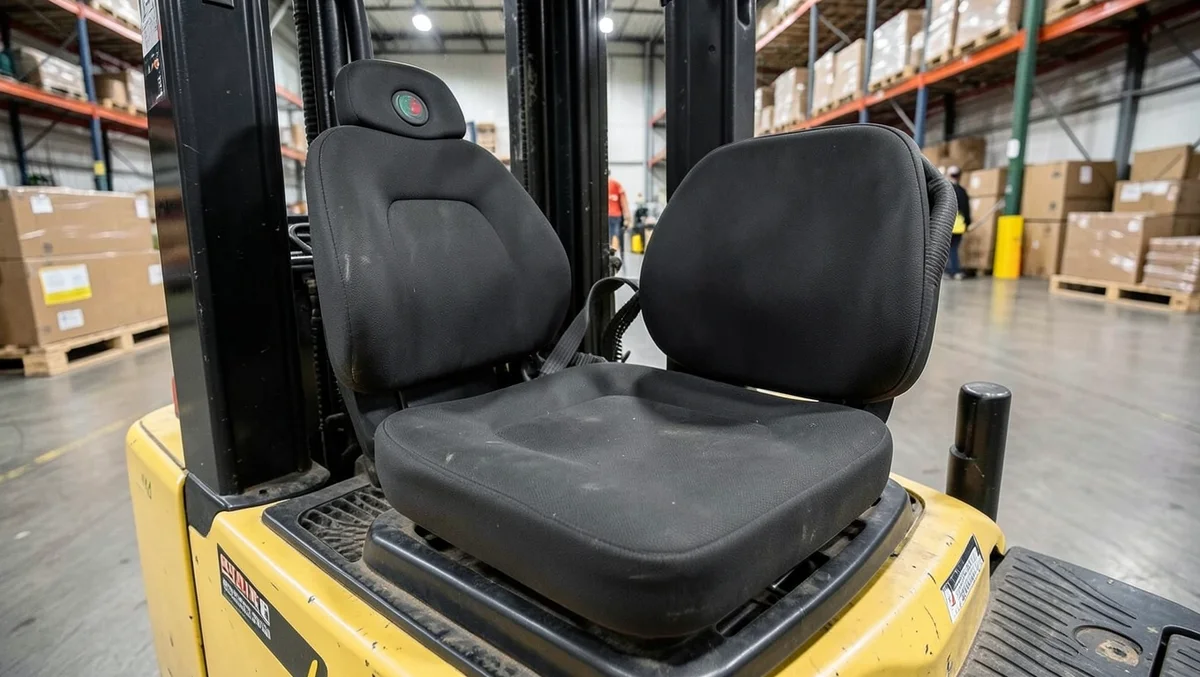
Notice the pattern: every one of these is a machine an operator physically rides or stands on, where a sudden loss of control – a fall, a medical event, being thrown off – is an immediate danger to the operator and anyone nearby. That’s the exact scenario a dead man’s switch is built to catch.
Do Any Passenger Cars Actually Have a Dead Man’s Switch?
Not as standard equipment, no. A regular car doesn’t need one in the same way a forklift or jet ski does, because you’re strapped into a seatbelt inside a cage of steel, not standing on an open platform. If you become unresponsive at the wheel, the car doesn’t need to cut power instantly the way a mower blade does – it needs to slow down and stop safely, which is a much harder problem.
That said, a few modern driver-assistance systems now do something close to the same job with cameras instead of a physical switch. GM’s Super Cruise and Ford’s BlueCruise, both hands-free highway driving systems, use an interior camera to watch whether the driver is paying attention. If a driver ignores repeated visual and audio warnings, Super Cruise will bring the vehicle to a stop in its lane, turn on the hazard lights, and automatically contact OnStar Emergency Services. BlueCruise similarly slows the vehicle if the driver keeps ignoring “watch the road” alerts. It’s not a mechanical dead man’s switch, but it’s the closest thing a passenger car has to the same fail-safe idea.
Long-haul trucks and buses are a bit different: some fleets and some countries do use driver vigilance devices, similar in spirit to a train’s pedal, but this still isn’t something you’ll find in an ordinary passenger vehicle off a dealer lot.
Dead Man’s Switch vs. Kill Switch: The Key Difference
It’s worth being precise about this, because the two terms get used interchangeably online and they do very different jobs:
- A dead man’s switch is a safety mechanism. It has to be actively engaged to keep something running, and it fails safe – power cuts automatically if the operator lets go, on purpose or not.
- A kill switch is a security mechanism. It’s a manually flipped, hidden switch that a car owner engages on purpose to keep the vehicle from starting, meant to deter or stop a thief.
If what you actually want is a way to make your car harder to steal, a kill switch is the right term and the right product category. We’ve gone deep on how effective they really are, where they typically get installed, and how thieves try to work around them in our full breakdown on whether a kill switch actually prevents car theft.
Should You Install an Aftermarket Kill Switch in Your Car?
A hidden kill switch is a reasonable, low-cost layer of security, especially for older cars that don’t have a factory immobilizer. It won’t stop every thief, but it adds friction that a lot of opportunistic theft attempts won’t bother working around.
A few things worth knowing before you install one:
- Never wire a switch into a circuit you might need while the car is moving, and never treat it as something to flip while driving – it’s a parked-car security device, not a driving control.
- Battery disconnect switches are the simplest option to self-install and are easy to reverse if you sell the car.
- If you’re not confident working with your car’s wiring, a shop that installs remote starters or alarms can usually wire one in for you.
Frequently Asked Questions
What Does Dead Man Switch Mean for a Car?
Technically, it means a safety switch that automatically cuts power if the operator lets go – the same kind of device used on forklifts, jet skis, and lawn mowers. Cars don’t have one as standard equipment. Most people using this phrase about a car actually mean a kill switch, a hidden anti-theft device you flip manually.
Is a Car Kill Switch the Same Thing as a Dead Man’s Switch?
No. A kill switch is manually engaged on purpose to stop a car from starting, mainly to deter theft. A dead man’s switch works the opposite way – it has to be actively held to keep a machine running and cuts power automatically the instant it’s released.
Do Any Cars Have a Dead Man’s Switch Built In?
Not as standard equipment on passenger cars. The closest modern equivalent is camera-based driver monitoring in hands-free systems like GM’s Super Cruise and Ford’s BlueCruise, which will slow the vehicle and, in Super Cruise’s case, stop it and contact OnStar if the driver stops responding to warnings.
Is It Safe to Install a Kill Switch in My Car?
Yes, as long as it’s wired correctly and only ever used while the car is parked. A battery disconnect or hidden ignition-circuit switch is generally safe and reversible. It should never be something you engage while driving.
Where Are Dead Man’s Switches Actually Used?
Mainly on machines an operator rides or stands on where a sudden loss of control is an immediate hazard: forklifts, jet skis and personal watercraft, riding and push lawn mowers, trains and light rail, and some snowblowers and power tools.
So if you searched “dead man switch for car” hoping to make your vehicle harder to steal, you’re not looking for the wrong thing – just the wrong name for it. A hidden kill switch is the product you actually want, and it’s a genuinely useful, low-cost layer of security on top of whatever anti-theft tech your car already has.
Products related to this article
Sponsored / affiliate links. As an Amazon Associate I earn from qualifying purchases. I may earn additional commission from eligible campaigns.