Does A Kill Switch Damage Your Car? Truth Revealed
The general consensus among mechanics and auto security experts is that a properly installed kill switch should NOT damage your car. Damage typically arises from incorrect installation, not the switch itself. It’s a safeguard that interrupts a car’s electrical flow, usually to the ignition or fuel pump.
Understanding How a Kill Switch Works
A kill switch is a simple device. Its main job is to cut off a vital part of your car’s starting system. This makes it very hard for someone to drive your car away. Think of it like a secret button. When you push it, the car’s engine gets cut off. It’s designed to be hidden. Only you know where it is.
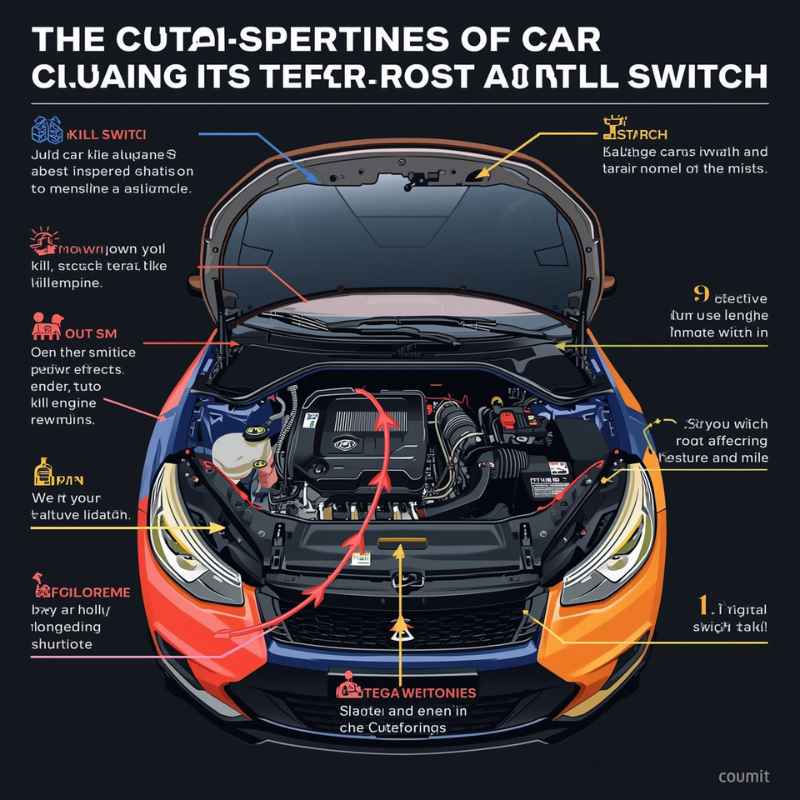
There are a few ways these switches work. Most often, they interrupt the flow of electricity to the starter motor. Without power, the starter can’t spin the engine. Other switches might cut power to the fuel pump. The fuel pump sends gas to the engine. If it doesn’t get power, the engine won’t run. Some advanced systems even cut power to the ignition coil. This stops the spark plugs from firing.
The goal is always the same: to stop the car from starting. It’s a direct way to prevent theft. The switch itself is usually just a simple lever or button. It’s connected to your car’s wiring. When flipped, it breaks the circuit. This stops the electrical signal from reaching its intended destination.
It’s important to understand that the kill switch itself is not inherently damaging. It’s a passive device. It only acts when you use it, or when a thief tries to start the car without deactivating it. The switch just opens or closes an electrical path. It doesn’t add voltage or create surges that would harm other components. The risk isn’t with the switch, but with how it’s put in place.
My Experience with a Close Call
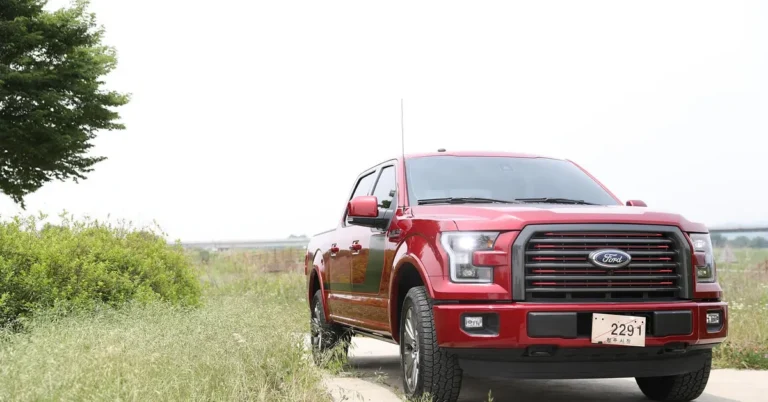
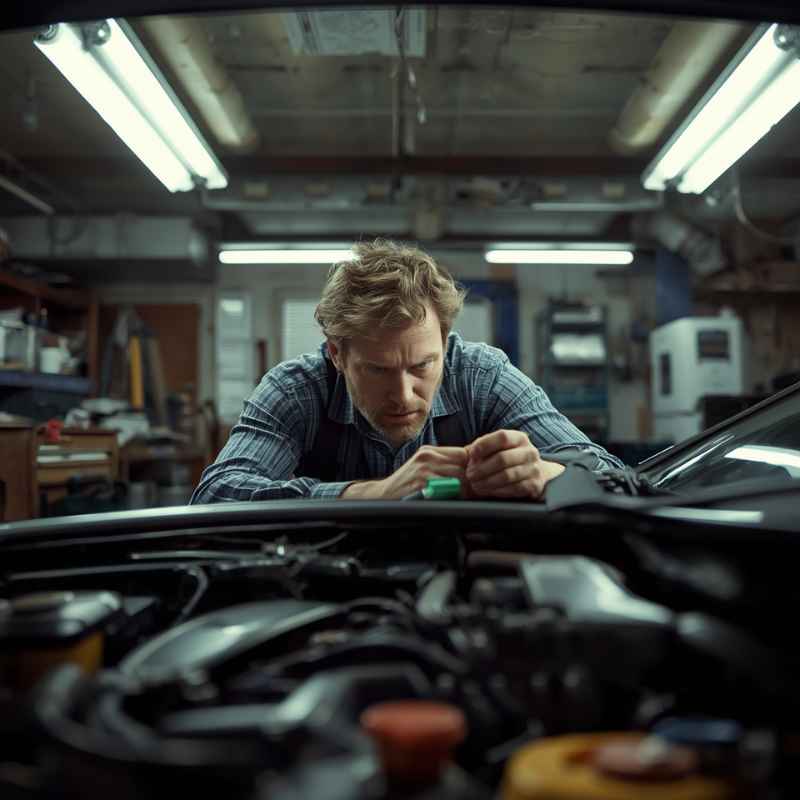
I remember a time when I was helping a friend install a kill switch on his older pickup truck. It was a weekend project. He’d had it stolen once before. He was determined not to let it happen again. We found a good spot, tucked away under the dashboard. The instructions seemed pretty clear. We were cutting into a wire that powered the fuel pump.
We got everything connected. Then came the test. He turned the key. Nothing. He turned it again. Still nothing. Panic started to set in. We checked our connections. Everything looked right. We traced the wires back. That’s when we saw it. One of the wires we’d spliced into was much thinner than the instructions suggested. It looked like we’d accidentally used a wire that was meant for a smaller accessory, not the main fuel pump feed.
He was so worried he’d fried something. We spent the next hour carefully disconnecting the kill switch. We reconnected the original fuel pump wire. We held our breath as he turned the key. The engine sputtered to life. Relief washed over us. The truck was fine. But that moment of fear was intense. It showed me how critical proper installation is. We were lucky. A bad splice could have caused a short circuit. That could have damaged the fuel pump or other parts of the electrical system. It taught me that “doing it yourself” needs serious care.
The Real Risks: Installation Errors
The biggest danger with a kill switch is not the switch itself. It’s how someone installs it. This is where most of the problems happen. If the wiring is done incorrectly, it can cause serious issues.
One common mistake is using the wrong wires. Cars have many different electrical circuits. Each one has a specific job. Some wires carry a lot of power. Others carry very little. If you tap into the wrong wire, you could overload it. This can cause that wire to overheat. It might melt its insulation. It could even start a small fire.
Another issue is poor connections. If the splices are not secure, they can come loose. This can create an intermittent connection. It might work sometimes and not others. This can be confusing. It can also lead to erratic behavior in your car’s systems. A loose connection can also create resistance. This can cause parts to not get enough power.
Short circuits are another big risk. If bare wires touch each other, or touch metal parts of your car, it creates a short. This sends a huge amount of electricity flowing where it shouldn’t. This can blow fuses. It can damage control modules. In severe cases, it can damage the entire electrical system. This is very expensive to fix.
It’s also about understanding the car’s electrical system. Modern cars have complex computers. These computers manage everything. They control the engine, the transmission, the lights, and more. Tapping into the wrong circuit could confuse these computers. This can lead to warning lights coming on. It might cause systems to not work correctly.
Why Proper Installation Matters So Much
Think of your car’s electrical system like a highway. Each wire is a lane. Each component is a town. The electricity is the traffic. A kill switch, when installed correctly, is like a small, well-marked exit. It’s there if you need it, and it doesn’t disrupt the main flow of traffic.
But an incorrect installation is like building a dirt road across the highway. It can cause massive traffic jams. It can lead to accidents. The electricity gets rerouted in ways it was never meant to go.
A professional installer knows which wires are safe to tap into. They understand the load each wire can handle. They use the right tools for making connections. They ensure that the connections are secure and protected. They also know how to hide the switch and its wiring so that a thief won’t find it easily.
They will also test the system thoroughly after installation. They’ll start the car. They’ll turn it off with the switch. They’ll check for any warning lights. They make sure everything is working as it should. This peace of mind is worth the cost.
Common Myths About Kill Switches and Car Damage
There are a lot of stories and beliefs floating around about kill switches. Some of these are not true. Let’s clear up a few common myths.
Myth #1: Kill switches will drain your battery.
This is generally not true. A kill switch is a simple switch. It’s either open or closed. When it’s in the “off” position (meaning the car won’t start), it’s just breaking a circuit. It’s not actively using power. It only uses a tiny bit of power when it’s first engaged, but it’s negligible. The real battery drainers are things like leaving lights on or faulty alternators.
Myth #2: Kill switches mess with your car’s computer.
If installed incorrectly, yes, it could. But a properly installed switch is designed to interrupt a specific, basic circuit. It doesn’t usually interact with the car’s main computer (ECU). It’s more like cutting off the power to a light switch, not messing with the building’s central control panel. The computer won’t even know the kill switch is there unless the wiring job is really bad.
Myth #3: Kill switches will cause your car to break down later.
Again, this comes back to installation. If the switch itself is faulty or wired poorly, it could lead to future problems. But the device itself isn’t designed to cause wear and tear. It’s a simple on-off mechanism. It doesn’t add stress to the engine or other parts. Think of it like a gate. The gate itself doesn’t make the road wear out.
Myth #4: Kill switches are only for old cars.
This is definitely false. Kill switches can be installed on almost any car, truck, or SUV. While they might be more common on older vehicles where security systems were less advanced, modern cars can benefit too. Especially if you want an extra layer of protection beyond factory alarms.
What Does a Kill Switch Actually Affect?
A kill switch is designed to affect a very specific part of the car’s operation. It doesn’t affect the car’s overall performance when it’s not engaged.
When the switch is “on” (meaning the car is ready to start), it has no effect. All the car’s systems work normally. The engine runs as it should. The transmission shifts smoothly. The radio plays music. The air conditioning blows cool air.
The moment you flip the switch to the “off” position (to make the car undrivable), it interrupts a chosen circuit. As we’ve talked about, this is usually:
The starter motor circuit: This prevents the starter from engaging when you turn the key. The engine won’t crank at all.
The fuel pump circuit: This stops fuel from reaching the engine. The engine might crank, but it won’t start because it has no fuel.
The ignition circuit: This stops the spark plugs from firing. The engine will crank and may even try to start, but it won’t catch without a spark.
These are all basic functions. They are not typically linked in a way that disabling one would automatically harm another if done correctly. The car’s computer is usually designed to handle a temporary loss of power to these specific systems, especially if it’s done cleanly.
When Might a Kill Switch Seem to Cause Problems?
Even with correct installation, sometimes users think a kill switch is causing a problem. This is often a misunderstanding of how the car works.
One scenario is if the kill switch is accidentally activated while driving. This is extremely rare with good installation. But if it happened, the engine would suddenly cut out. This can be startling. It might feel like the car is having a major mechanical failure. However, if you simply flip the switch back, the car should restart after a brief moment. The key is to avoid this scenario in the first place.
Another situation is after the kill switch has been installed for a long time. Connections can sometimes corrode over years. This is not unique to kill switches. Any wiring can degrade. If a connection corrodes, it can become less efficient. This might cause slight performance issues. It’s more about general maintenance of the electrical system than the kill switch itself being the culprit.
A Look at Different Types of Kill Switches
Not all kill switches are the same. They vary in complexity and how they are activated.
Manual Toggle Switches: These are the most basic. They are often hidden under the dashboard. You flip a lever to turn them on or off. Simple and effective.
Hidden Buttons: Similar to toggle switches, but use a push button. Often disguised to look like a normal car part or button.
Relay Switches: These are more advanced. They use a small amount of power to control a larger circuit. This can be safer for the car’s wiring.
Key Fob Activated: Some systems integrate with a remote or key fob. You press a button on the fob to arm or disarm the kill switch. This is more convenient but can be more complex.
App-Controlled: The most modern systems might allow you to control the kill switch via a smartphone app. This offers great flexibility but relies heavily on reliable software and connectivity.
Each type has its pros and cons. The risk of damage is always tied to the quality of the installation for that specific type. A complex system, if installed poorly, has more potential points of failure.
The Impact on Resale Value
This is a valid concern for many car owners. Will installing a kill switch hurt your car’s resale value? The answer is usually no, but with a few conditions.
If the kill switch is installed cleanly and professionally, and the installer has been careful to not alter original wiring in a messy way, it likely won’t have a negative impact. In fact, for some buyers, the presence of a hidden kill switch might be seen as a positive. It shows you took steps to protect your vehicle.
However, if the installation is messy, if there are visible wires, or if there are any signs of electrical problems linked to the switch, it will definitely hurt the resale value. A potential buyer might see it as a sign of potential future problems. They might also worry about the complexity.
The best approach is to have it installed by a reputable professional. Ask them to make it as discreet as possible. If you ever decide to sell the car, you can either leave it in and explain its benefits, or have it professionally removed. Removing it cleanly is key to avoid any negative impact.
Preventing Damage: What to Look For
When considering a kill switch, or if you already have one, here’s what you should be thinking about to prevent damage.
Key Installation Checklist
- Professional Installer: Always use a qualified auto electrician or security specialist.
- Wire Quality: Ensure they use the correct gauge wire for the circuit being interrupted.
- Secure Connections: Look for crimped connectors or soldered joints, not just twisted wires.
- Insulation: All connections should be properly insulated with heat shrink tubing or electrical tape.
- Circuit Choice: The installer should explain which circuit they are interrupting and why it’s safe.
- Fuses: Some systems incorporate fuses for added protection.
- Testing: The system should be thoroughly tested after installation.
- Discretion: The switch should be well hidden, with wiring kept neat and out of sight.
If you are unsure about your existing kill switch, it’s worth having a mechanic or auto electrician inspect it. They can tell you if it was installed correctly and if it poses any risks.
When to Seek Professional Help
If you’re not comfortable with car wiring, or if you don’t have much experience with electrical systems, please do not attempt to install a kill switch yourself. This is one of those modifications where a little knowledge can be a dangerous thing.
You should seek professional help if:
You are buying a car that already has a kill switch installed.
You are considering having one installed.
You are experiencing strange electrical issues after a kill switch was installed.
You simply want peace of mind that your current kill switch is safe.
A professional can not only install it correctly but also advise you on the best type of switch for your vehicle and your needs. They have the tools and the knowledge to do it right.
Real-World Scenarios
Let’s picture this. You’ve parked your car in a busy city lot. You’re going shopping. You lock it up and walk away. You feel a little more secure knowing that even if someone breaks in, they won’t be able to drive off easily. That’s the everyday peace of mind a kill switch can offer.
Or, imagine you live in an area where car theft is more common. You park on the street at night. You know that a factory alarm might deter some thieves, but a determined one might still try. A hidden kill switch adds that extra layer of difficulty. It makes your car a much less attractive target.
Consider a classic car enthusiast. They might have a beautiful vintage vehicle that’s a target for collectors and unfortunately, thieves. They might want to preserve the car’s original look. A well-hidden kill switch can provide security without altering the car’s aesthetic.
What This Means for Your Car’s Health
In short, a kill switch itself does not harm your car. It’s a tool. Like any tool, it can be used correctly or incorrectly. When used correctly by a skilled hand, it provides security without negative side effects.
The potential for damage comes entirely from:
Poor installation: Incorrect wiring, bad connections, wrong circuits.
Faulty components: A poorly made switch that fails internally.
Accidental activation: While driving, which is rare.
If you have a kill switch, and your car has been running fine, chances are it’s installed correctly and is not causing any harm. If you’re experiencing electrical problems, it’s important to investigate the cause thoroughly. Don’t automatically blame the kill switch. It might be unrelated.
Quick Checks You Can Do
If you have a kill switch, here are a few simple things you can check yourself, without being an expert:
Is it visible? Look under the dashboard, near the steering column, and around the pedals. Can you see any wires that look out of place or hastily added?
Are there any warning lights? Has a check engine light or other warning light come on since the switch was installed?
Does the car start normally? When the switch is in the “on” position, does your car start up without any hesitation or strange noises?
Can you find the switch? If you don’t know where it is, try to locate it. Knowing its location is part of being in control.
If you see anything suspicious or are worried, it’s always best to get a professional opinion.
Frequently Asked Questions About Kill Switches
Will a kill switch void my car’s warranty?
It depends on the manufacturer and the specifics of the warranty. Some manufacturers might argue that any aftermarket modification can void related warranty components. However, if the kill switch is installed professionally and does not interfere with any factory systems, it is less likely to cause issues. It’s always best to check your specific car warranty terms or consult your dealership.
Is it legal to install a kill switch?
In most places in the U.S., installing a kill switch for anti-theft purposes is legal. However, it is essential to ensure that it does not impede the normal operation of safety features or create a hazard. Always check your local and state laws regarding vehicle modifications.
Can a kill switch be detected during a vehicle inspection?
A well-hidden kill switch is unlikely to be detected during a standard safety inspection. These inspections usually focus on the condition of brakes, tires, lights, and emissions. Only a very thorough electrical system check by someone specifically looking for modifications would likely find it.
What’s the difference between a kill switch and a car alarm?
A car alarm is designed to alert you (and others) if someone tries to break into your car, usually by making noise. A kill switch is a physical mechanism that prevents the car from being driven away, even if someone bypasses the alarm. They are often used together for maximum security.
My car has a push-button start. Can I still install a kill switch?
Yes, kill switches can be adapted for cars with push-button start systems. The installation might be slightly different, often involving interrupting the power to the start button or related control modules. It’s crucial to have this done by a professional who understands these newer systems.
What happens if I try to start my car with the kill switch on?
If the kill switch is wired to the starter or fuel pump, the engine will not start. It might crank briefly (if wired to the starter) or not crank at all. If wired to the ignition, it will crank but not run. It’s essentially a security feature preventing unauthorized operation.
Conclusion: Security Without Sacrifice
So, to sum it up: does a kill switch damage your car? The answer is a resounding no, provided it’s installed correctly. The fears often stem from misunderstandings about how they work or from experiences with shoddy installations. A well-implemented kill switch is a fantastic tool for deterring theft, offering peace of mind without compromising your car’s mechanics. Always prioritize professional installation for a secure and worry-free experience.
Products related to this article
Sponsored / affiliate links. As an Amazon Associate I earn from qualifying purchases. I may earn additional commission from eligible campaigns.