What Is a Kill Switch for a Car? Types, Cost & How It Works
A car kill switch is a hidden manual or electronic device that cuts power to the engine — usually to the ignition, fuel pump, or battery — so the car cannot start or keep running. Flip it and the vehicle is dead in its tracks until you flip it back.
It’s a low-cost, DIY-friendly way to deter theft: even if someone breaks in, the engine simply won’t turn over. Below, we cover the 5 real types of kill switches, what installation actually costs, the legal side (including the federal “kill switch” mandate most articles confuse this with), and how to install one yourself.
Quick Answer
A car kill switch is a hidden switch (manual toggle, battery disconnect, fuel pump, ignition wire, or remote-controlled) that interrupts a critical electrical or fuel circuit so the engine can’t start. DIY kits cost $10-$100 and take under an hour to install. It’s legal in nearly every U.S. state for your own vehicle, and it’s a completely different thing from the federal “kill switch” law aimed at detecting drunk driving in new cars.
The 5 Real Types of Car Kill Switches
Most guides only mention “manual” vs. “automatic” switches, but that’s really just describing how you activate one. In practice, kill switches are grouped by which circuit they interrupt:
| Type | How It Works | Typical Cost |
|---|---|---|
| Battery Disconnect | Cuts power from the battery, de-energizing the whole car | $10-$40 |
| Fuel Pump Switch | Breaks the electrical connection to the fuel pump — no fuel, no start | $15-$50 |
| Ignition Wire Switch | Puts a break in the ignition wire so the starter never gets a signal | $10-$30 |
| Fuse Box Switch | Lets you pull a specific fuse to disable a system, no extra wiring needed | $5-$20 |
| Remote Switch | Key-fob or app-activated battery/ignition cutoff you can trigger from a distance | $20-$100 |
Manual switches (the most common DIY option) need you to physically flip a hidden toggle before the car will start — cheap, simple, and effective, but you have to remember where you hid it. Remote and app-based switches skip that step: you arm the car from your phone or a key fob, which is why they cost more but are popular for fleet vehicles and teen drivers.
Our Pick: Best Kill Switch for Most Cars
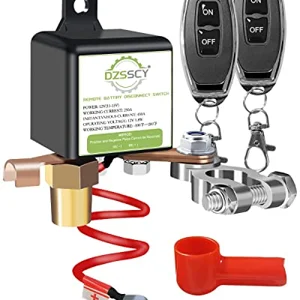
Remote Battery Disconnect Switch 12v, Kill Switch for Car Truck, Anti-Theft
Best for: drivers who want theft protection without hiding a manual toggle switch
Why we picked it: arms/disarms from a key fob at a distance, so there’s nothing for a thief to find and no wire-cutting workaround
Main drawback: like any battery-side switch, it won’t stop someone who tows the car instead of driving it away
View Our Pick on Amazon| Product | Type | Price | |
|---|---|---|---|
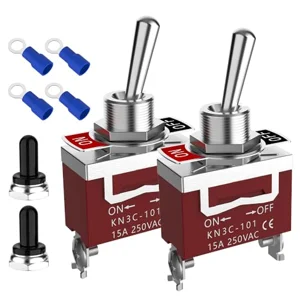 |
Manual toggle | $6.99 | Check Price |
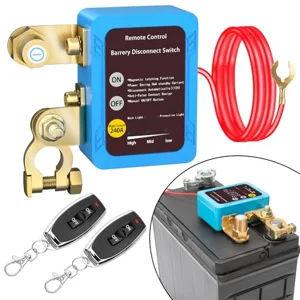 |
Upgraded remote | $29.98 | Check Price |
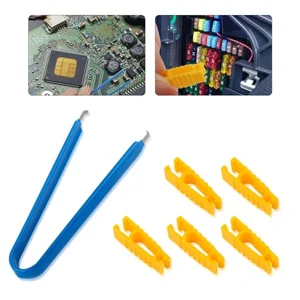 |
Fuse-box tool | $4.88 | Check Price |
As an Amazon Associate we earn from qualifying purchases.
How Kill Switches Work
Every kill switch does the same basic job: interrupt a circuit the engine needs to run. Some cut fuel, some cut electricity, but the goal is identical — keep the car from moving. Fuel-based switches (fuel pump, sometimes a fuel solenoid) starve the engine of gas. Electrical switches (battery disconnect, ignition wire, fuse box) stop the spark or the starter motor from ever getting power.
Installation means tapping into one of these circuits and running the switch’s leads to a spot you can reach but a thief can’t easily find — under the dash, behind a trim panel, or inside the center console are common spots. On modern cars with more complex wiring harnesses and onboard computers, it’s worth double-checking your specific circuit with a wiring diagram or a mechanic before cutting anything, since some ignition and fuel-pump circuits are now tied into the engine control module.
Benefits of Using a Kill Switch
- Cheap theft deterrent — most manual kits cost under $30 and don’t require a monthly subscription like a GPS tracker.
- Invisible to thieves — unlike an alarm or a steering wheel lock, there’s nothing visible to signal the car is protected, so a thief wastes time trying to start a “dead” car.
- Works even if keys are stolen — a hidden kill switch stops a car even if someone has the actual key or fob.
- Possible insurance discount — insurers already discount 5-20% for documented anti-theft devices; check with your provider before installing to make sure yours qualifies.
Potential Drawbacks
- Installation mistakes can strand you — wiring into the wrong circuit, or wiring loosely, can cause stalling or a no-start you didn’t intend.
- You can forget where you hid it — the single most common complaint from DIY installers; write it down somewhere safe.
- Doesn’t stop towing — a kill switch stops the engine, not the wheels from rolling onto a flatbed, so pair it with a wheel lock if that’s a real risk in your area.
- Complex modern wiring — cars with keyless start or drive-by-wire systems may need a professional to avoid tripping a check-engine light or an anti-theft computer fault.
Installation Process
A kill switch is an anti-theft device that disrupts power to the engine, preventing it from starting. Installation typically means connecting the switch to the ignition, fuel pump, or battery circuit, often accessible under the dashboard or in the engine bay.
DIY Installation Tips
- Identify the circuit you want to interrupt (ignition wire, fuel pump wire, or battery cable) using your car’s wiring diagram.
- Choose a hidden but reachable mounting spot — under the dash, behind trim, or in the console.
- Disconnect the battery before cutting any wire, to avoid a short or shock.
- Cut the target wire, strip about half an inch of insulation from both ends.
- Connect each end to one terminal of the switch and secure the connections with heat-shrink or electrical tape.
- Reconnect the battery and test the switch in both positions before driving.
Professional Installation Options
A mobile installer or local mechanic can wire a kill switch in under an hour, usually for $50-$150 in labor on top of the switch itself — more if your car’s ignition and fuel systems are tied into a factory anti-theft computer. This is the safer route on newer keyless-start vehicles.
Is a Kill Switch Legal? What the Law Actually Says
Installing a hidden kill switch on your own vehicle is legal in nearly every U.S. state — there’s no broad federal or state law banning DIY anti-theft devices on a car you own. The one area that does carry disclosure requirements is lender- or dealer-installed starter-interrupt devices and GPS trackers: California, for example, requires lenders to disclose any starter interrupt device or tracker they install as loan collateral protection. If you’re financing your car, check your loan agreement before adding your own switch on top of one the lender may already control.
DIY Kill Switch vs. the Federal “Kill Switch” Law — Don’t Confuse Them
If you’ve seen news headlines about a government-mandated “kill switch” in cars, that’s a completely different thing from what this article covers. Section 24220 of the 2021 Infrastructure Investment and Jobs Act requires future new passenger vehicles to eventually include factory-installed technology that detects driver impairment and can limit vehicle operation — it’s a passive monitoring system aimed at drunk driving, not a remote government shut-off switch, and no agency can log into your car and disable it. The rulemaking has missed its original deadline and remains unfinished, so no vehicle on a dealer lot today is actually subject to it yet.
The DIY anti-theft kill switch this guide is about is something you install yourself, control yourself, and use to protect your own car from theft — the opposite of a factory-mandated monitoring system.
Privacy Considerations
A basic DIY kill switch (toggle, battery disconnect, fuse-box) doesn’t collect or transmit any data — it’s a dumb mechanical interrupt. Remote and app-based kill switches are different: they typically connect over cellular or Bluetooth and may log location or usage data. If you go with a remote switch, check the manufacturer’s privacy policy for what’s collected and who can access it.
Future of Kill Switch Technology
Newer kill switch products are moving toward smartphone-app control, voice-activated triggers, and biometric (fingerprint) activation, cutting out the “find the hidden switch” step entirely. Whatever type you choose, the core security benefit is the same: a documented anti-theft device can qualify you for an insurance discount, and it makes your car meaningfully harder to steal without needing an expensive alarm system.
For a deeper look at how effective these devices actually are against real-world theft attempts — and whether they can cause unintended engine damage — see our companion guides on does a kill switch really prevent car theft and does a kill switch damage your car.
Frequently Asked Questions
What Happens When a Kill Switch Is Activated on a Car?
Activating a car’s kill switch immediately cuts power to the engine, preventing it from running. This security feature helps deter theft and unauthorized use. The car cannot be started until the kill switch is deactivated, ensuring protection against potential threats.
Do Kill Switches Stop Thieves?
Yes, for the most common form of car theft — a hidden kill switch stops a thief from starting or driving off in your car, because the engine simply won’t run with the circuit broken, even if they have a key. It won’t stop a car from being towed, so pair it with a steering wheel or wheel lock if towing theft is a concern in your area.
How Much Does a Kill Switch Cost for a Car?
Car kill switch costs range from $5 to $100 depending on the type: fuse-box tools and basic toggle switches run $5-$30, battery disconnect switches $10-$40, and remote or app-controlled switches $20-$100. Professional installation typically adds $50-$150 in labor.
How Do I Know if My Car Has a Kill Switch?
Check your car’s manual for details on a factory-installed anti-theft system. For a DIY switch someone else installed, inspect the dashboard, under the steering column, behind trim panels, and inside the center console for a hidden toggle or wire junction.
Is a Kill Switch the Same as the Federal “Kill Switch” Law?
No. A DIY kill switch is a device you install to prevent theft of your own vehicle. The federal “kill switch” you may have seen in the news refers to Section 24220 of the 2021 Infrastructure Investment and Jobs Act, a still-unfinished rule requiring future new cars to include passive drunk-driving-detection technology — it’s not a remote government shut-off and has nothing to do with the anti-theft devices in this guide.
Is Installing a Kill Switch Legal?
Yes, installing a hidden anti-theft kill switch on a vehicle you own is legal in nearly every U.S. state. The main exception to watch for is if you’re financing the car — some lenders install their own starter-interrupt device or GPS tracker as loan collateral protection, which must be disclosed to you, and your own switch shouldn’t interfere with it.
A hidden kill switch is one of the cheapest, most reliable ways to make your car a harder target — a $15-$30 part and an hour of your time can be the difference between a thief driving off and a thief walking away.
Products related to this article
Sponsored / affiliate links. As an Amazon Associate I earn from qualifying purchases. I may earn additional commission from eligible campaigns.