Different Gears Used For Driving And When To Use Them
Understanding your car’s gears is key. Different gears help you drive better. They help save gas and make your engine last longer. This guide will explain each gear and how to use it right. You’ll feel more confident on the road.
What Are Car Gears?
Think of gears as the muscles of your car. They help your engine’s power get to the wheels. Your engine can spin very fast.
But wheels don’t always need to spin that fast. Gears change how much the wheels turn for each engine spin. This is called gear ratio.
A low gear ratio means the wheels turn a little for a lot of engine spins. A high gear ratio means the wheels turn a lot for fewer engine spins.
Why do we need this? Well, starting a car takes a lot of power. Your engine needs to work hard to get things moving.
That’s where lower gears come in. They give your car more power to get going. Once you’re cruising on the highway, you don’t need as much power.
You want to go fast with less effort. That’s when higher gears are better. They let your wheels spin faster without making your engine scream.
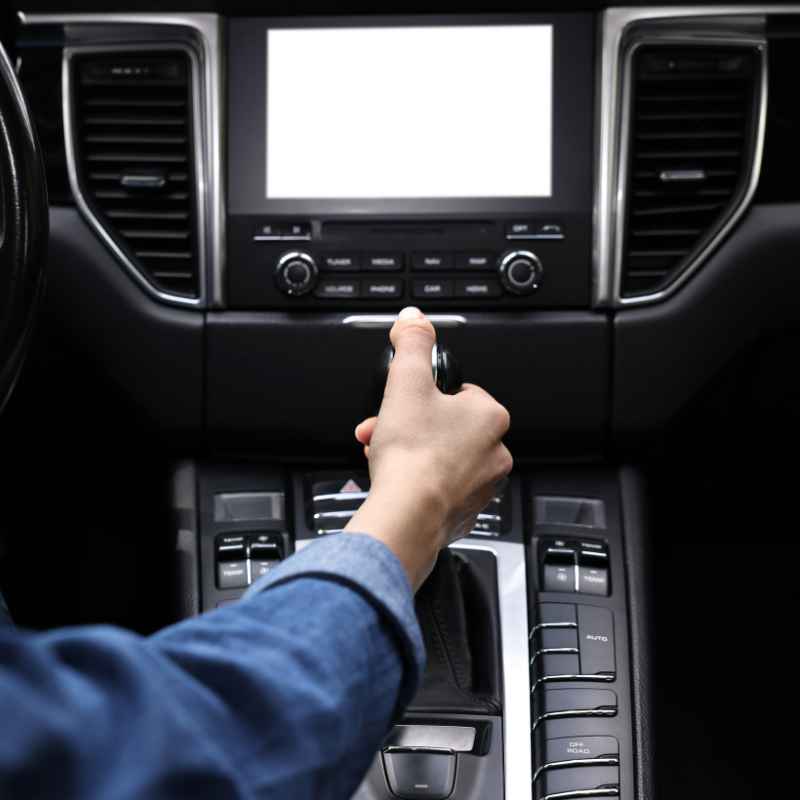
Most cars today have automatic transmissions. They shift gears for you. You just put it in ‘D’ for Drive.
But even with an automatic, knowing about gears helps. It helps you understand why your car behaves a certain way. For manual cars, it’s even more important.
You are the one doing all the shifting. Getting it right makes driving smooth and safe.
The Different Gears and Their Jobs
Let’s break down the common gears you’ll see. These are on most cars, automatic or manual.
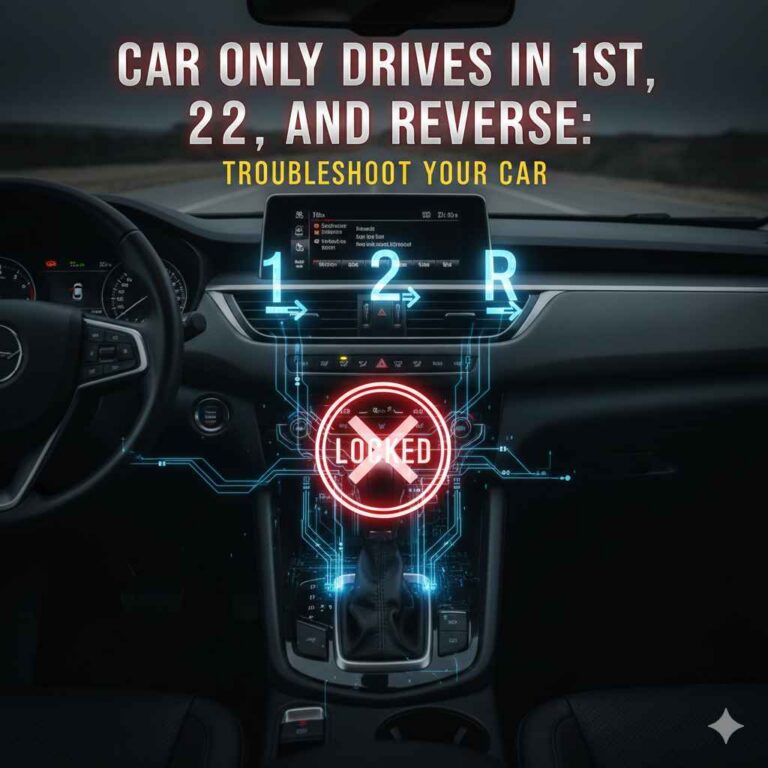
First Gear (1)
This is your starting gear. It’s like a strong push to get you moving. First gear gives your car a lot of torque.
Torque is turning power. It’s perfect for starting from a stop. It’s also good for very slow speeds.
Think of crawling in heavy traffic or going up a very steep hill right from the bottom.
Using first gear for too long at higher speeds is not good. It makes your engine work too hard. It uses more fuel than needed.
It can even make your engine overheat. So, you use it briefly to get going. Then, you shift to a higher gear quickly.
Second Gear (2)
This gear is still about getting moving. It offers good power. It lets you pick up speed faster than first gear.
You’ll use this gear right after first gear. It’s good for speeds up to about 15-20 miles per hour. It helps you merge into light traffic or go around a corner at a moderate speed.
Second gear is also helpful on slippery surfaces. It gives you a bit more control than first gear. But it still provides enough power for gentle acceleration.
If you’re driving in snow or ice, sometimes a slightly higher gear like second can offer smoother control than a very low gear.
Third Gear (3)
Now we are moving into more typical driving speeds. Third gear is often used in city driving. It’s good for speeds between 20-40 miles per hour.
You might use it when you’re in a residential area. Or perhaps on a road with a speed limit of 30 or 35 mph. It balances power and efficiency.
This gear allows your engine to run at a more relaxed pace. It’s not working as hard as in first or second gear. This means it uses less fuel.
It also creates less noise. It’s a versatile gear for many common driving situations.
Fourth Gear (4)
Fourth gear is a cruising gear. It’s for moderate highway speeds. Think speeds around 40-55 miles per hour.
If you’re on a country road or a less busy highway, you’ll likely be in fourth gear. Your engine speed is much lower here.
This is where fuel efficiency really starts to improve. The engine doesn’t have to spin as much. Less effort means less gas burned.
It’s a comfortable gear for steady driving. It allows you to cover distances without the engine straining.
Fifth Gear (5) and Higher Gears (6, 7, 8)
These are your high-speed, fuel-saving gears. Fifth gear is common on many cars. It’s for highway speeds, typically 55 mph and above.
If your car has six, seven, or even eight speeds, these higher gears are for even more efficient cruising.
The higher the gear number, the lower the engine RPM (revolutions per minute). This means your engine is spinning slower. This saves a lot of fuel.
It also makes the drive quieter. You’ll use these gears when you’re on the open road. Long trips on the interstate are perfect for these gears.
Reverse Gear (R)
This one is simple. It makes your car go backward. You only use it when you need to back up.
It’s important to be slow and careful in reverse. Always check your mirrors and surroundings.
Park (P)
This is for when you are stopped and the engine is on. It locks your transmission. This stops your car from rolling.
You should always put your car in Park before you turn off the engine.
Neutral (N)
In neutral, the engine is disconnected from the wheels. Your car can roll freely. You use neutral when you’re stopped for a short time, like at a long traffic light.
It lets your engine idle without putting stress on the transmission. It’s also used if you need to be towed. But don’t use it for coasting downhill.
That can be dangerous.
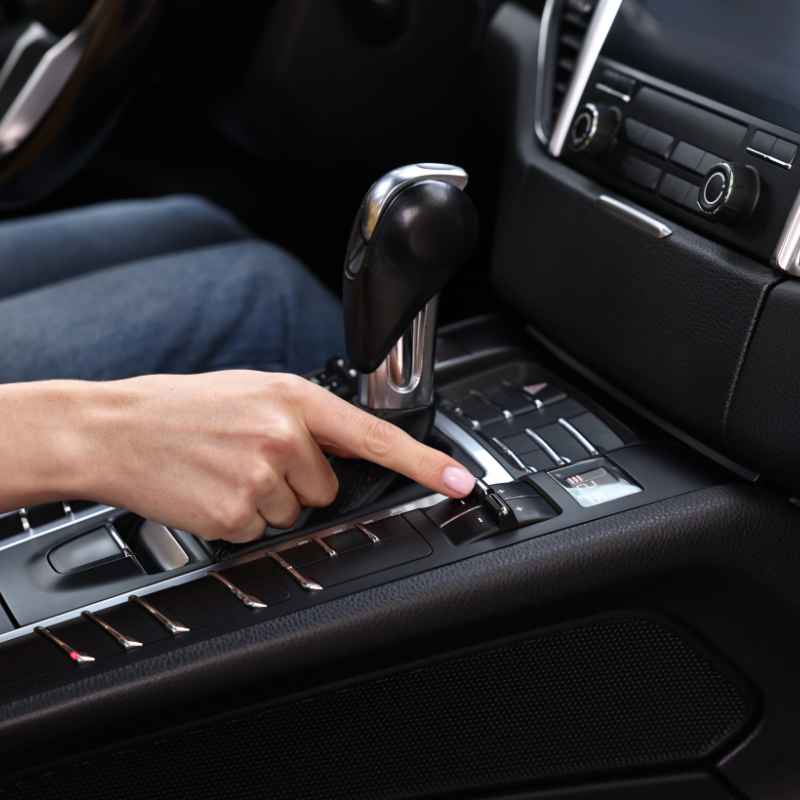
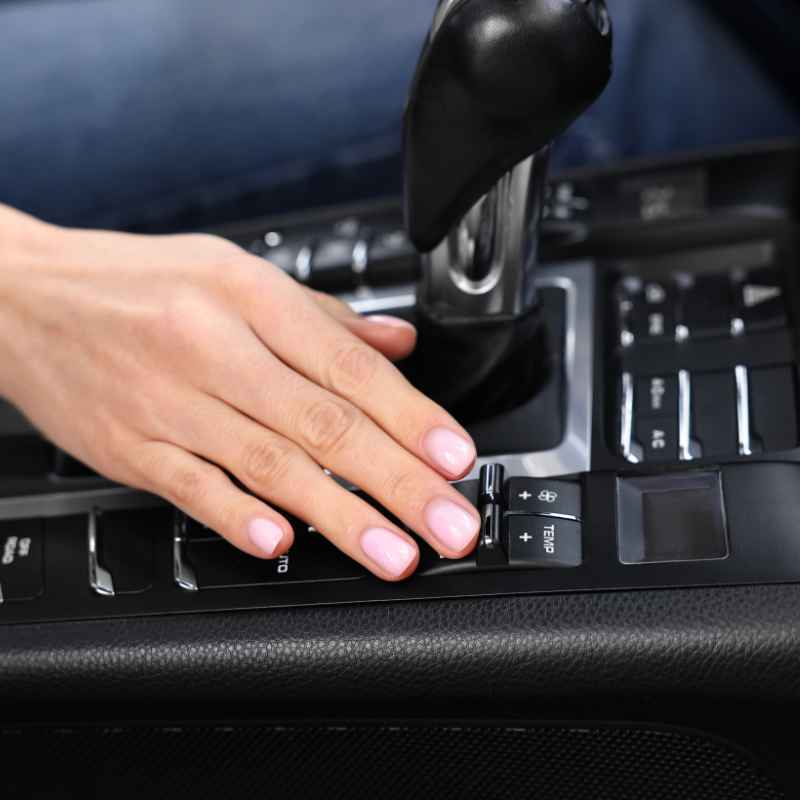
Understanding Your Gear Stick (Automatic)
P (Park): Locks the transmission to keep the car still.
R (Reverse): Makes the car move backward.
N (Neutral): Engine is running, but not connected to the wheels. Car can roll.
D (Drive): The main gear for moving forward. The car will shift automatically.
L (Low) or Manual Modes (e.g., 1, 2, S, M): For specific situations like steep hills or heavy towing. Some cars let you manually select gears.
Manual vs. Automatic Transmissions
The way you use gears differs a lot between manual and automatic cars. Let’s look at that.
Manual Transmissions
These require you to use a clutch pedal and a gear stick. You press the clutch to disengage the engine. Then you move the gear stick to select a gear.
Releasing the clutch smoothly connects the engine again.
With a manual, you decide every shift. You learn to listen to your engine. You feel when it’s time to shift up or down.
This gives you more control. But it also means more work. It takes practice to master smooth shifting.
Common Manual Shift Points (Approximate):
- 1st to 2nd: Around 5-10 mph
- 2nd to 3rd: Around 10-20 mph
- 3rd to 4th: Around 20-30 mph
- 4th to 5th (or higher): Around 30-40 mph
These are just guides. Engine sound and feel are the best indicators.
Automatic Transmissions
These are much simpler for the driver. You select a drive mode (like D). The car’s computer decides when to shift gears.
This makes driving easier. Especially in city traffic where gears change often.
Newer automatics are very smart. They can adapt to your driving style. They also have features like manual modes.
You can use paddle shifters or a special setting on the gear stick. This lets you pick gears yourself when you want. It’s great for engine braking on hills or for quicker acceleration.
When to Use Special Automatic Modes
L (Low Gear): Use for very steep descents. It keeps the engine in a low gear to control speed. It also helps prevent overheating of brakes.
2 or S (Second Gear): Good for moderate hills or when you need extra power for a short time. It limits the car to second gear and below.
M (Manual Mode) or +/- Paddles: Lets you choose gears. Useful for engine braking on downhills or for a more engaging driving experience.
When to Use Each Gear: Real-World Scenarios
Let’s put this knowledge into practice. Imagine these situations on the road.
Starting from a Stop
This is always first gear. Whether you’re at a stop sign or an intersection. If you have a manual, you’ll start by pressing the clutch and shifting into 1.
Then, smoothly release the clutch as you gently press the gas. If you have an automatic, just put it in D. The car handles the rest.
Driving in City Traffic
City driving involves a lot of stopping and starting. You’ll be in lower gears most of the time. Expect to use first, second, and third gears frequently.
If traffic is slow, you might stay in second or third. You’ll shift up and down often. An automatic transmission makes this much easier.
I remember one time, I was stuck in downtown traffic. It was bumper-to-bumper. My old manual car had a stiff clutch.
My left leg was aching so much! I really wished I had an automatic that day. It made me appreciate how much easier modern cars are for city life.
Driving on Country Roads
These roads often have lower speed limits, maybe 40-50 mph. You’ll likely be in third or fourth gear for most of your journey. There might be a few short bursts where you need to accelerate.
But mostly, it’s steady cruising. This is where your car can get decent gas mileage.
Driving on the Highway
This is where higher gears shine. Once you’re up to speed, around 55-70 mph, you’ll be in fifth, sixth, or even higher. Your engine will be running at a low RPM.
This is great for fuel economy. It also means a quieter and more relaxed ride.
On the highway, you’ll only shift to a lower gear if you need to pass someone. Or if you’re going up a long, steep hill. For normal driving, stay in the highest gear possible.
This saves you money on gas.
Driving Uphill
Going uphill requires more power. You need to select a lower gear than you would for flat ground. This keeps your engine from struggling.
If you’re in manual, shift down one or two gears. Listen to your engine. If it sounds like it’s straining, shift down.
For automatic, you might want to use your manual mode or S (Sport) mode. This tells the car to stay in a lower gear.
A common mistake is staying in too high a gear on a hill. This makes the engine work much harder. It can lead to overheating.
It also uses more fuel. Think of it like walking up a hill in very heavy boots. You’d want to switch to lighter shoes if you could.
Lower gears are like those lighter shoes for your car.
Driving Downhill
Going downhill is different. You don’t need to accelerate. You need to control your speed.
Don’t just put your car in neutral and coast. This is dangerous because you lose engine braking. Your brakes will have to do all the work.
They can overheat and fail.
Instead, use a lower gear. If you’re in manual, shift down to third or second. If you have an automatic, use the L (Low) gear setting or manual mode.
This uses the engine’s resistance to help slow the car down. It’s called engine braking. It saves your brakes and gives you more control.
Gear Selection for Hills
Uphill: Shift to a lower gear (e.g., 3rd instead of 5th). Need more power.
Downhill: Shift to a lower gear (e.g., 2nd instead of D). Need engine braking to control speed.
Steep Uphill: May need 1st or 2nd gear. Check engine sound.
Steep Downhill: Use L (Low) gear or manual selection. Avoid neutral.
Driving in Bad Weather (Snow, Ice, Rain)
When roads are slippery, control is key. You want smooth acceleration. Avoid sudden bursts of speed.
Sometimes, starting in second gear in a manual can help. It gives less immediate power to the wheels. This can prevent them from spinning easily.
Automatics might have a “snow mode” or “winter mode.” This often does the same thing. It starts you in a higher gear.
For heavy rain or snow, avoid using higher gears too aggressively. If you start to hydroplane or lose traction, ease off the gas. Don’t slam on the brakes.
Gentle, controlled movements are best. Sometimes, shifting into neutral briefly can help regain control if you feel a skid.
Weather Driving Tips
Slippery Roads:
- Start gently in 2nd gear (manual) or use snow mode (automatic).
- Accelerate and brake smoothly.
- Increase following distance.
Heavy Rain/Snow:
- Reduce speed significantly.
- Use lower gears for more control.
- Avoid sudden steering or braking.
What This Means for You
Understanding gears isn’t just for mechanics or race car drivers. It’s for everyday drivers too. It directly impacts how your car feels, how much you spend on gas, and how long your car lasts.
Fuel Efficiency
The biggest takeaway is this: higher gears save fuel. When you’re driving at steady speeds, try to be in the highest gear your car can comfortably handle. If your engine is quiet and not struggling, you’re probably in a good gear.
Lower gears make your engine work harder. This uses more gasoline. On the highway, this can make a big difference over long trips.
Engine Health
Using the wrong gear can stress your engine. Forcing it to work too hard in a low gear at high speed generates a lot of heat. It can also cause premature wear on engine parts.
Constantly redlining your engine (driving it at its maximum RPM) is bad for its lifespan. Proper gear use helps your engine run cooler and smoother.
Driving Comfort and Safety
Smooth gear changes make for a comfortable ride. Jerky shifts can be annoying. Proper gear selection also improves safety.
Using engine braking on hills gives you better control. Starting gently in slippery conditions prevents accidents. Feeling in control of your car is a big part of safe driving.
When Is It Normal to Be in Lower Gears?
It’s completely normal to be in first gear when starting from a stop. Second gear is for low-speed acceleration. Third gear is common for city driving below 40 mph.
Using these gears when needed is what they are for. Don’t be afraid to use them.
When Should You Worry?
You should worry if your car makes strange noises when you shift. Or if the gear doesn’t seem to engage properly. If your automatic transmission is “hunting” for gears constantly (shifting up and down rapidly).
Or if you feel a harsh clunking. These could be signs of a transmission problem. In these cases, it’s best to have a mechanic check it out.
Quick Gear Checks
Listen to your engine: Does it sound strained or too loud? Shift up if it does (on manual).
Feel the road: Are you going too fast for a low gear? Or too slow for a high gear?
Check the speedometer: Compare your speed to typical gear ranges.
Automatic cars: Does it shift smoothly? Does it seem to get “stuck” in a gear?
Quick Tips for Better Gear Use
Here are some simple things you can do. They will help you use your gears better.
- Know your car: Read your car’s manual. It will tell you about its specific transmission.
- Listen to your engine: In a manual, the engine sound is your best guide. Learn what it sounds like when it’s happy in each gear.
- Feel the road: Pay attention to how your car responds. Does it accelerate smoothly? Is it struggling?
- Shift up early (manual): Generally, shifting up around 2000-2500 RPM in a manual car is good for fuel economy.
- Downshift for hills: Always use engine braking on downhill slopes.
- Don’t “ride” the clutch (manual): Keep your foot off the clutch pedal when you’re not shifting. Resting your foot on it can wear it out.
- Be gentle in bad weather: Smooth inputs are key to maintaining traction.
- Let automatics do their job: Unless you’re using a specific mode, trust your automatic transmission.
Frequent Questions About Car Gears
What is the best gear for highway driving?
The best gear for highway driving is the highest gear your car has. This is usually fifth, sixth, or even higher. It allows your engine to run at a low RPM.
This saves fuel and makes the drive quieter. Always aim for the highest gear your car can comfortably maintain at your current speed.
When should I downshift gears?
You should downshift gears when you need more power. This is for going uphill, accelerating to pass someone, or slowing down on a downhill slope. Downshifting uses the engine to help slow the car (engine braking).
It also makes sure your engine has enough power for the situation.
Is it bad to drive in a low gear for too long?
Yes, it can be bad. Driving in a low gear for too long at higher speeds makes your engine work very hard. This uses more fuel.
It can also cause the engine to get too hot. It puts extra wear on engine parts over time. It’s best to shift to higher gears as your speed increases.
Can an automatic transmission be damaged by using the wrong gear?
Modern automatic transmissions are very smart. They are designed to prevent you from selecting a gear that would immediately damage the transmission. However, constantly using special modes like ‘L’ on flat ground, or forcing it into a gear it doesn’t want to go into (if possible), can cause extra wear.
Using gears as intended is always best for longevity.
What does “gear hunting” mean in an automatic car?
Gear hunting happens when an automatic transmission can’t decide which gear to use. It will shift up and down rapidly. This often happens on hills or when the car is struggling to maintain speed.
It can be a sign that the transmission is working too hard or has an issue. It’s not comfortable and can cause wear.
How does the number of gears affect my car?
Cars with more gears (like 8-speed automatics) tend to be more fuel-efficient. They can keep the engine in its optimal power band more often. This means the engine is working at its most efficient RPM more of the time.
More gears also often lead to smoother acceleration.
Conclusion
Understanding your car’s gears transforms driving from a simple task into a more informed experience. Each gear has a purpose, from the initial pull of first gear to the fuel-saving ease of higher gears. By selecting the right gear for the situation, you can improve fuel economy, reduce engine wear, and drive more safely.
It’s all about matching your car’s effort to the road ahead.
Products related to this article
Sponsored / affiliate links. As an Amazon Associate I earn from qualifying purchases. I may earn additional commission from eligible campaigns.