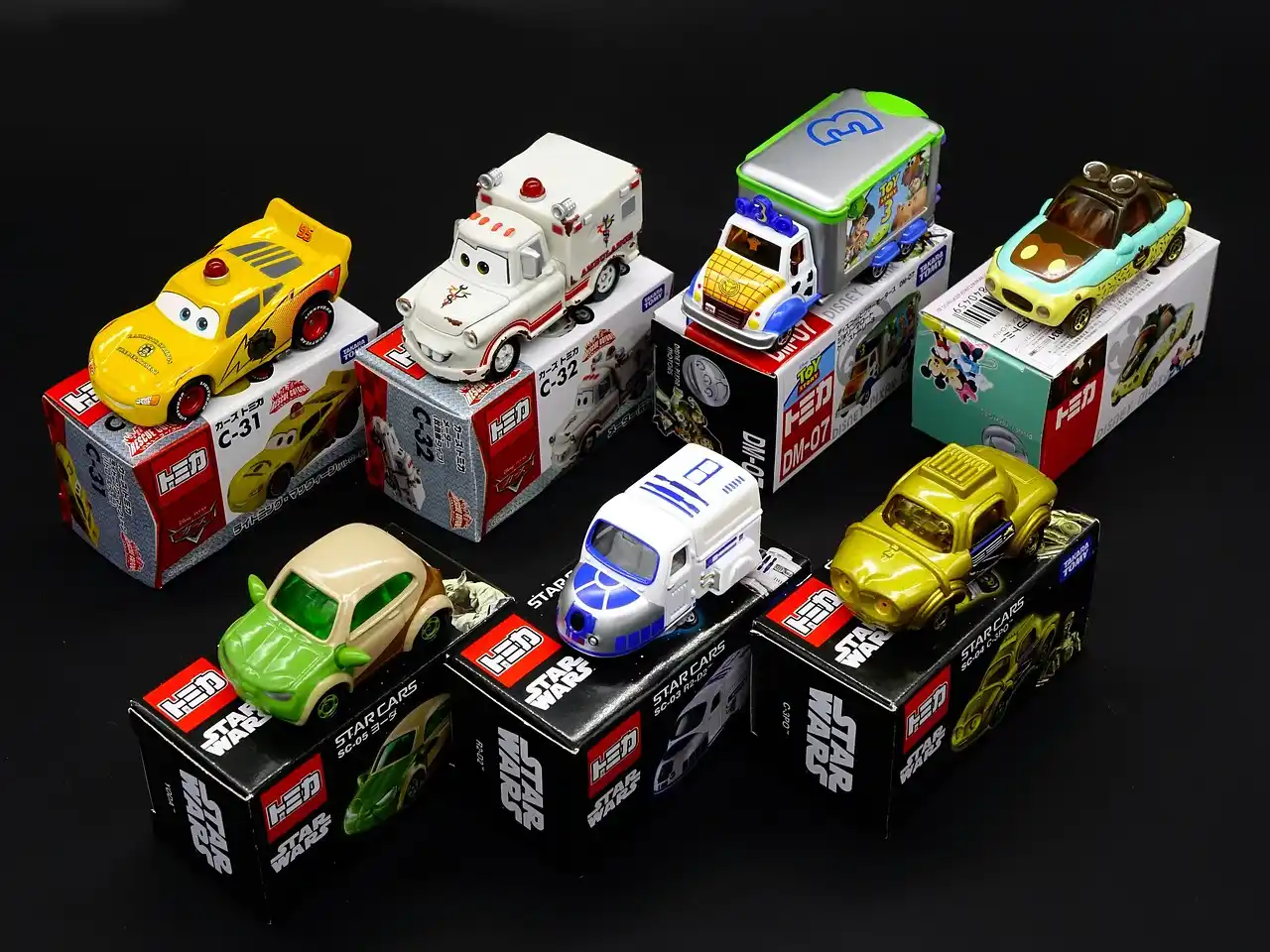
Display for Hot Wheels Cars: Best Ways to Showcase
The best Hot Wheels display depends on what matters most to you: wall cases and acrylic cabinets for presentation, enclosed boxes for dust control, and tiered shelves for the most cars per square foot. Bad storage chips cards, scratches loose cars, and turns a collection into clutter. This guide compares display types by presentation, protection, space use, and price, then matches each option to loose, carded, and mixed 1:64-scale collections.
Which display fits your collection?


Match the display to your goal
If you want photo-friendly presentation, look for clear walls, a clean base, and lighting that does not throw harsh reflections across the hood and windshield. If dust control matters more, choose an enclosed case with a cover or clear walls that limit open access. If density is the goal, use shelves or risers that let you line up more cars without wasting vertical space.
For 1:64 cars, the default fit is straightforward. Pioneer Plastics sells 1:64 scale diecast display cases for Hot Wheels, and its single-car case lists inner dimensions of 3-1/2″ x 1-3/4″ x 1-5/8″. That size works for most loose Hot Wheels and Matchbox cars, but carded cars need extra depth and wall clearance because the blister and card add bulk.
Choose by collection size
A single grail needs a different setup than a whole wall of mainlines. One car can sit in a sealed case with a mirror base or a wooden base. A small set may fit better in a garage-style display or on stepped acrylic risers. A larger collection usually needs shelves, modular cases, or a mixed system that combines protection with density.
Picture a collector with six loose premium castings and one chase piece in mint condition. A sealed 1:64 case with a clear wall and mirror base can keep the grail visible while limiting handling. Now picture 60 carded mainlines stored in a closet. The better move is not a single showpiece case; it is shelving, risers, or a wall system that can handle volume without crowding the cards.
Separate loose cars from carded cars
Loose cars and carded cars do not need the same clearance. Loose cars need floor space, stable support, and a display that keeps them from sliding. Carded cars need taller cavities, deeper shelves, or wall mounts that leave room for the card backing. If you mix the two, check the usable depth before you buy.
Hot Wheels display decision matrix
This matrix compares five common display types by the tradeoffs that matter most: protection, presentation, density, build effort, and cost per car. Use it to match the case to the collection goal instead of buying by looks alone.
| Display type | Dust protection | Photo appeal | Space efficiency | Scalability | Assembly effort | Cost per car |
|---|---|---|---|---|---|---|
| Single-car enclosed case | High | High, especially with a mirror base | Low | Low unless you stack or wall-mount many units | Low | High |
| LED garage display case | Medium | Very high | Medium | Medium to high if the unit is stackable | Medium | Medium |
| Acrylic display stand | Low to medium | High for multi-car scenes | Medium to high | High for shelf builds | Low | Low to medium |
| Wall or shelf system | Medium | Medium to high | Very high | Very high | Medium to high | Low |
| Riser pack for cube shelving | Low to medium | Medium | Very high | High | Low | Low |
| Recommendation row | Loose cars: enclosed case or acrylic stand | Carded cars: wall or shelf system | Single grails: enclosed case with clear cover | Desk displays: LED garage case | Wall/shelf installs: risers or modular panels | Large collections: risers and shelves |
Read the six criteria
Dust protection means the case limits exposed openings. Photo appeal means the car reads well through the front, side, and top without distracting glare. Space efficiency means how many cars fit per shelf foot or cube. Scalability means how easily the setup grows without starting over.
Assembly effort matters more than many buyers expect. A simple acrylic box may need little more than placement on a shelf. An LED garage display case adds a power cord, stacked alignment, and a few minutes of assembly. Cost per car changes fast once you move from one car to a multi-car base or a full wall system.
Use the recommendation row
The recommendation row gives the short answer. Loose cars do well in enclosed cases or acrylic stands. Carded cars need wall or shelf solutions because packaging depth changes the fit. Single grails need the cleanest enclosure you can justify. Desk displays work well with LED garage units. Wall or shelf installs favor risers and modular layouts.
What size case do Hot Wheels cars need?
Most Hot Wheels and Matchbox cars are built around 1:64 scale, so a 1:64 display case is the starting point for fit. A typical small single-car case around 3-1/2″ x 1-3/4″ x 1-5/8″ is generally made for loose cars, not carded packaging. If you want the card to stay in place too, the case needs more depth and more clearance.
1:64 scale fit basics
For loose cars, the main checks are length, height, and wheel clearance. The car should sit flat without rubbing the roof or spoiler against the lid. Clear walls help because they let you judge alignment and wheel stance from more than one angle. That matters for casting lines, custom paint, and wheels that deserve a clean view.
Single-car case dimensions
Pioneer Plastics lists inner dimensions of 3-1/2″ x 1-3/4″ x 1-5/8″ for its 1:64 case. That tells you the case is aimed at a single loose car, not a blister card. It also explains why mirrored bases and black bases are popular: the footprint is small enough that the base becomes part of the display, not just the support.
Carded car clearance
Carded cars need a different approach because the blister and paper backing push the package well past the dimensions of the vehicle alone. A wall mount, shelf slot, or deeper cabinet is safer than a tight single-car case. If the card bends, the case is too shallow. If the edges scrape the wall, the fit is too narrow.
Display types for different setups
The right format changes with the job. Single-car cases are for grails. LED garage scenes are for a desk or a small focal point. Acrylic stands fit multi-car displays. Wall and shelf systems work when the collection is large enough that the display itself becomes part of the room.
Single-car cases for grails
For a mint-condition treasure or a custom build you want to keep pristine, a sealed single-car case is hard to beat. Pioneer Plastics offers a 1:64 display case with a mirror and also a 1:64 display case with a wooden base. A mirror base adds depth and reflections. A wooden base reads more traditional and less flashy.
Pioneer Plastics also lists free shipping in the United States, lower 48, which matters if you are ordering several cases at once. It also offers 1:24 scale and 1:18 scale diecast cases, but those are different products for larger vehicles. Do not expect a 1:24 or 1:18 case to solve a 1:64 fit problem.
LED garage display cases for desk setups
LED garage display cases are for collectors who want a dramatic, photo-friendly scene on a desk or small shelf. Aventi Designs sells a Hot Wheels 1/64 LED garage display case for $39.95. It lists 12x5x4 inches, is USB-powered, comes unassembled, and should take no more than 5 minutes to assemble. Aventi also says the unit can be stacked with others and linked by outlet connectors.
That stackability is useful, but it is not free. More units mean more cords, more power management, and more chances to create a cable mess behind the shelf. LED lighting also changes the look. It can reduce flat shadows and make a casting pop, but it can also throw glare across a clear wall if the light angle is poor.
Acrylic display stands for multi-car scenes
An acrylic display stand is the better choice when you want multiple 1:64 cars arranged as a set. Wicked Brick describes its diecast and Hot Wheels solutions as for 1:64 cars and offers vertical and horizontal display stands. That gives you options for garage-style set pieces, side-by-side lineups, or stepped scenes that look cleaner than stacking loose cars on a shelf.
Acrylic has a modern look and works well when the collection is meant to be seen, not hidden. It is less about sealing each car and more about organizing the group. For that reason, it suits custom themes, rally groups, and color runs. It is not the strongest answer for dust control, so place it where the room stays reasonably clean.
Wall and shelf systems for larger collections
When the collection grows, wall and shelf systems usually beat a pile of individual cases. They use vertical space and let you sort by theme, year, or casting family. For carded cars, this is the most practical route because the packaging stays flat and easy to scan. For loose cars, shelves and risers keep rows visible without wasting floor space.
How do you protect Hot Wheels from dust and fading?
Dust protection starts with enclosure. Clear walls or a clear cover reduce exposed surfaces, which means less wiping and less handling. UV protection is a separate feature and should be treated as optional, not automatic. It helps block fading from sunlight, but it does not replace a shaded location or a proper case.
Enclosed case design
An enclosed case is the simplest way to keep loose cars cleaner. The better cases keep openings tight and the cover stable, so dust has fewer entry points. That matters most for grails, customs, and mint-condition pieces that lose value if the paint or packaging gets dirty.
UV protection options
UV protection belongs in the discussion if your shelf gets direct daylight. It can help reduce discoloration on paint, cards, and documents. It is useful, but it is not a cure-all. A case with UV protection still needs the right location, because prolonged sun exposure through a window can overwhelm a basic display.
Glare and dust entry points
Clear walls improve visibility, but they can create glare under bright room light or LED strips. That can make photos harder, not easier. Dust entry points matter too. A lid that sits loosely or a wall mount with open sides may look good at first and still let particles collect over time.
A common first-timer mistake is buying a glossy LED case for a bright desk near a window. The car looks dramatic for a day, then glare makes the windshield hard to see and the sun starts fading the card edge. The fix is simple: move the display out of direct light and choose a cover or base that suits the room, not just the product photo.
Can you stack Hot Wheels display cases?
Some display cases can stack, but stacking is a stability problem as much as a space solution. If the units do not lock together well, the top case can shift or lean. Stackable cases are useful when the collection grows, but only if the base is flat, the alignment is stable, and the load stays light.
Stacking limits and stability
Stacking works best when the manufacturer designs for it. A stackable case with matching feet and recesses is better than relying on friction alone. If the stack gets tall, wall support becomes more important. The higher the stack, the more likely a small bump turns into a crooked tower.
Modular power connections on LED units
Aventi Designs says its LED garage display case can be stacked with others and linked by outlet connectors. That makes modular rows easier to build. Still, power planning matters. Each added unit increases the chance of a loose connector, a hidden plug, or a cable draped across the display front.
Cable management on shelves
Keep the adapter and cord behind the shelf line if you want the front of the display to stay clean. Use the shortest route possible and avoid pinching the cable between cases. On open shelves, cable clutter is often what makes a display look unfinished, not the cars themselves.
Display risers for Kallax shelves
Display risers help cube shelving act like a proper display instead of a storage bin. They are especially useful for IKEA Kallax, where the square openings can swallow a row of cars unless you build up the vertical space. The right riser pack turns one cube into a layered display with better sightlines and less wasted depth.
Starter and intermediate packs
Starter and intermediate packs make sense when you are testing a theme or filling a few cubes at a time. They help organize a small number of cars by lifting the back row into view. That is useful for loose cars, but it also helps carded cars if the cards are arranged flat and the front edge stays visible.
Essentials and ultimate packs
Essentials and ultimate packs are better when the shelving system is already the main display. They create a more complete vertical presentation across multiple cubes. The practical gain is simple: more cars fit in view without turning the shelf into a single flat row. That matters when density is the main goal.
If you are choosing between a table-top case and a cube-shelf setup, ask which problem matters more. A table-top case gives one car a cleaner stage. A riser pack gives the whole collection better structure. The first is for a focal point. The second is for a room.
Frequently asked questions
What is the best way to display Hot Wheels cars?
The best way depends on the goal. Wall cases and acrylic cabinets are strong for presentation, enclosed cases are better for dust protection, and shelves with risers are the best fit when you want to show the most cars in the least space. No single format does every job well.
How do I choose a display case for 1:64 scale Hot Wheels?
Start with the car type. Loose 1:64 cars fit standard 1:64 cases, while carded cars need deeper clearance and a different mounting approach. Then decide whether you want dust control, stronger photo appeal, or higher density. A mirror base or clear wall can improve the look, but fit comes first.
What size display case do Hot Wheels cars need?
For loose cars, a typical small 1:64 case around 3-1/2″ x 1-3/4″ x 1-5/8″ is the right starting point. That is the kind of size Pioneer Plastics lists for its 1:64 case. Carded cars need more depth than that because the packaging takes up extra room.
Are LED Hot Wheels display garages worth it?
They are worth it if you want a display that looks more like a scene than a shelf. Aventi’s unit is USB-powered, costs $39.95, measures 12x5x4 inches, and comes unassembled. The tradeoff is cable management, assembly, and less dust protection than a sealed case.
How can I protect Hot Wheels cars from dust and fading?
Use an enclosed case with clear walls or a clear cover to limit dust. If the display sits near sunlight, look for optional UV protection, but do not rely on that alone. Keep the case out of direct sun and avoid open designs if the car or card needs long-term cleanliness.
Can I stack Hot Wheels display cases together?
Yes, if the case is designed for stacking. The same source says its LED garage display case can be stacked and linked by outlet connectors, which helps with modular setups. The main cautions are stability, cord routing, and making sure the stack does not lean or shift on the shelf.
Products related to this article
Sponsored / affiliate links. As an Amazon Associate I earn from qualifying purchases. I may earn additional commission from eligible campaigns.