Best Universal Digital Speedometer for Car: We Compared
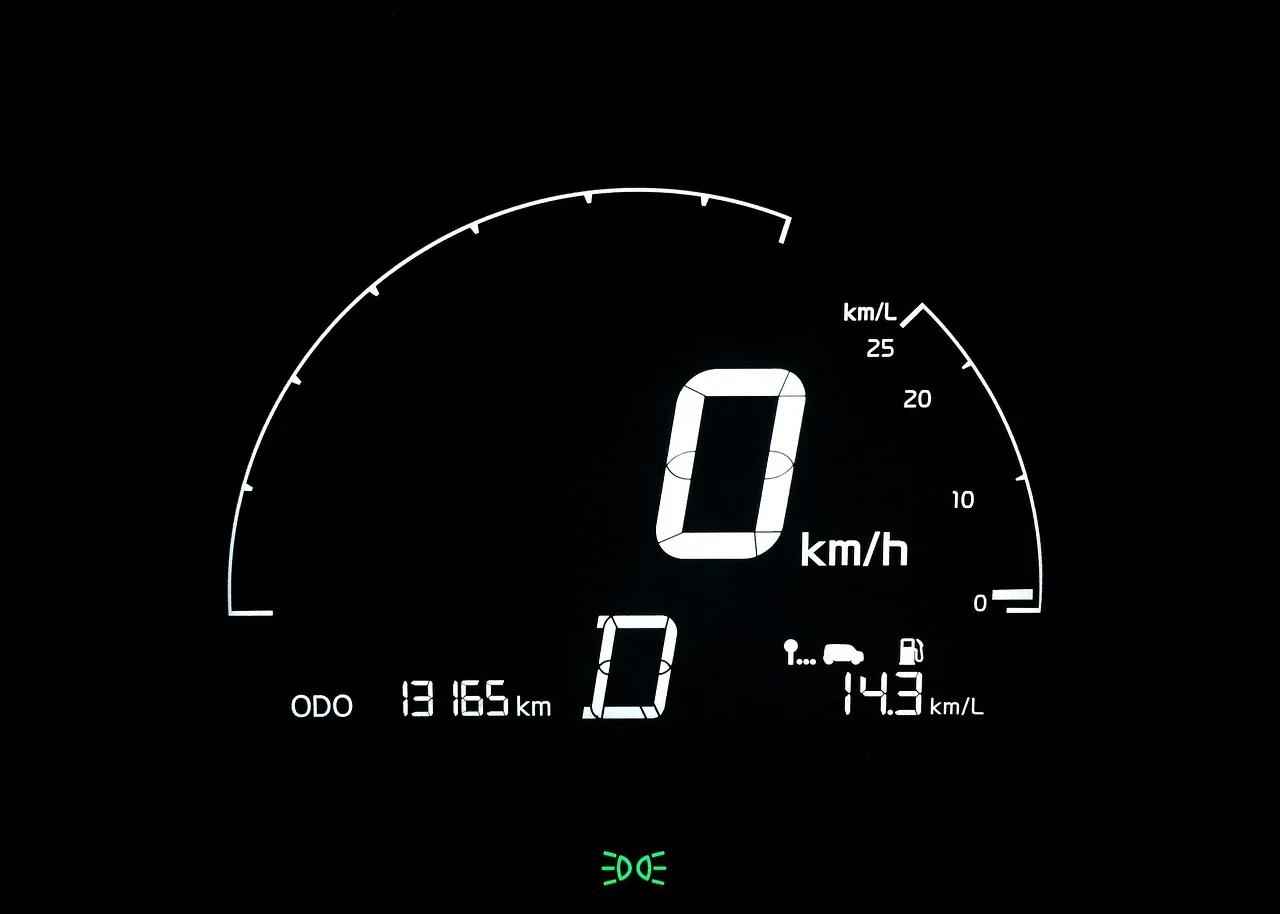
The best universal digital speedometer for most drivers is a GPS HUD, and if you want the easiest swap between cars, pick a self-powered model; choose OBD2 only if you want vehicle data and a more permanent install. A poor choice can mean glare, laggy readings, dead signal time in tunnels, or a setup you stop using. This comparison covers two plug-and-play picks, with portability, readability, GPS behavior, and install effort weighed head to head.
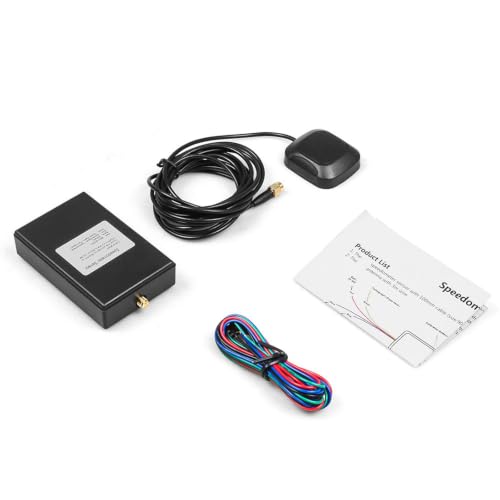
Quick comparison
| Product | Badge | Best for | Price | ||
|---|---|---|---|---|---|
 |
SinoTrack Digital GPS Speedometer Universal Heads UpSinoTrack | Our pick | 5.5 inch LCD · SinoTrack · SinoTrack | $29.76
Price as of 25 Oct 2026
|
View |
 |
Mulcort Car Wireless Headup Display Solar GPS DigitalMulcort | Also great | $31.99
Price as of 25 Oct 2026
|
View | |
 |
Digital Speedometer for Car, Plug & Play GPS SpeedometerSalario | Also great | $56.99
Price as of 25 Oct 2026
|
View | |
 |
Universal GPS Speed Sender Speedometer Sensor Adapter forDyno Racing | Also great | $42.99
Price as of 25 Oct 2026
|
View |
This is the fastest way to separate the two real buyer choices: a commuter-friendly GPS HUD with extra satellite support, or a larger-screen budget pick with more alert features. The better answer depends less on headline compatibility and more on startup lock time, screen behavior in sunlight, and how much installation work you will accept.
How we chose
We compared the two picks on the things drivers actually notice every day. That means universal fit without OBD2, display readability in bright light, lock speed after startup, tunnel behavior, and how easily the unit moves between vehicles.
Also check the data each unit shows, because a speed-only display is a different tool from one that adds time, altitude, trip distance, alerts, or fatigue reminders. A universal unit can still be a poor fit if it needs more wiring than you want.
| Factor | SinoTrack Digital GPS Speedometer | wiiyii G10 Digital GPS Speedometer |
|---|---|---|
| Startup lock time | Good for quick daily use, but still depends on GPS lock | Good, with the same GPS-dependent startup behavior |
| Daylight readability | Strong, helped by the 5.5 inch LCD and automatic light-sensitive adjustment | Strong, with a 5.5-inch LCD that gives the display more presence |
| Tunnel performance | Poorer than OBD2 when satellite signal drops | Poorer than OBD2 when satellite signal drops |
| Installation effort | Low, because it is USB powered with no hardwiring | Low, but still requires a mounting plan and a clear USB power source |
| Portability between vehicles | Very good | Very good |
| Data fields shown | Speed, trip data, time, and safety alerts | Speed plus overspeed alarm and eight-hour fatigue reminder |
| Plain-English recommendation | Best for commuters who want the easiest daily setup and automatic brightness control | Best for budget buyers who want a larger screen and stronger alert reminders |
SinoTrack Digital GPS Speedometer: best for commuters
The SinoTrack unit is the stronger commuter pick because it keeps the setup simple and the display easy to read. It uses GPS for speed, and the 5.5 inch LCD gives it enough size to read quickly without leaning in. The automatic light-sensitive screen adjustment is the feature that matters most in mixed daylight, dawn, and dusk driving.
It is also a better fit if you want a unit that stays easy to move between cars. USB power and no hardwiring make that possible, and the overspeed and fatigued driving alerts add a useful safety layer without forcing a permanent install.
The drawback is the same one that affects all GPS-only speedometers: if satellite signal weakens, the reading depends on lock quality and signal conditions. That makes it less useful than OBD2 in tunnels, and it is not the right choice if you want engine data such as RPM or coolant temperature.
Wiiyii G10 Digital GPS Speedometer: best for budget buyers
The wiiyii G10 is the budget-friendly pick for drivers who want a larger display and alert features without stepping into a wired gauge. Its 5.5-inch LCD gives it a similar screen size advantage, and the three-stage overspeed alarm plus eight-hour fatigue reminder make it useful for long commuting days.
Where it stands out is in alert behavior rather than deep data. If you want the display to remind you when you are pushing too fast or driving too long, the G10 gives you that nudge. That makes it a practical choice for drivers who value warnings more than extra vehicle telemetry.
The tradeoff is that it still lives in the GPS category, so tunnel performance and any covered-parking start-up delay remain part of the deal. It is also less specific on the display data mix than an OBD2 HUD, so it is not the better choice if you want engine codes or ECU-based readings.
Mulcort Car Wireless Headup Display: best for simple solar-assisted use
The Mulcort model is the simplest way to think about a solar-assisted GPS HUD: wireless, display-first, and aimed at drivers who want a quick speed reference. That makes it attractive for casual use, especially when you want to avoid hardwiring.
The main drawback is that the listing gives less concrete detail than the two picks above, so it is harder to judge on lock speed, alert logic, and display behavior with confidence. Buyers who care about those details should compare it carefully against the SinoTrack and wiiyii units before choosing.
Salario Digital Speedometer for Car: best for feature-heavy GPS use
The Salario GPS speedometer is the more feature-packed universal option in this group. It adds compass, distance, time, voltage, altitude, and acceleration test data, so it suits drivers who want more than a speed readout from a GPS unit.
The drawback is installation and display complexity. More functions often mean more on-screen information to process, and buyers who mainly want a fast, readable speed display may not need the extra data fields. It is also still a GPS-based unit, so satellite dependence remains the same limitation in tunnels and garages.
GlowShift Tinted 7 Color In-Dash Speedometer: best for a wired gauge
GlowShift is the outlier here because it is not the same kind of plug-and-play dashboard accessory as the GPS HUDs. It is a 3-3/4 inch gauge with 7 selectable colors, and it is a wired in-dash option rather than a portable unit.
That gives it a cleaner permanent-gauge feel, but it also means more installation effort and less portability. If you want a unit you can move between vehicles, this is the wrong category. It makes more sense for a dedicated build where wiring is acceptable and the driver wants a fixed display.
Which one should you buy?
Choose the SinoTrack if you commute daily, want automatic brightness, and plan to move the unit between vehicles without dealing with hardwiring. It is the better all-around fit for drivers who value quick readability and a lower-friction install.
Choose the wiiyii G10 if you care most about alerts and want the more budget-friendly route into a large-screen GPS speedometer. The three-stage overspeed alarm and eight-hour fatigue reminder make it the stronger alert-focused pick.
Choose GlowShift only if you want a wired in-dash gauge and accept the extra install work. Choose Salario if you want more GPS data fields, and choose an OBD2 HUD such as the AUTOOL X60 when engine data matters more than portability.
Say your car is a 2004 sedan with no useful OBD2 add-ons, and you want a speed display you can move to a second vehicle next month. A GPS HUD is the sensible path, because it does not depend on wheel sensors or ECU compatibility. The limitation is still satellite signal, so tunnels and deep parking structures can interrupt the readout.
Suppose you drive a newer OBD2 vehicle and care about RPM or engine temperature during long trips. That is where an OBD2 HUD has the advantage, even if it is less universal than a GPS unit. You trade portability for vehicle data and better behavior when GPS reception is weak.
Best universal digital speedometer for a car
The best universal digital speedometer for a car is a GPS HUD if you want the broadest fit and the simplest install. For most drivers, the SinoTrack is the better pick because it combines GPS speed with automatic brightness, a large 5.5 inch LCD, and USB power that keeps the setup portable.
If your top priority is vehicle data, then an OBD2 HUD is the smarter category. That is where the AUTOOL X60 fits, especially for newer OBD2 vehicles that can supply more than speed alone.
Is a GPS speedometer more accurate than the factory speedometer?
A GPS speedometer can be more accurate in the sense that it measures speed from satellite positioning rather than relying on tire size assumptions or wheel-sensor calibration. It can be especially useful on modified vehicles, but its accuracy still depends on lock quality and signal conditions.
The factory speedometer can read high by design, and it is usually steady in places where GPS loses sight of the sky. That means the “more accurate” answer depends on where you drive and whether the signal is clean.
Can I use a digital speedometer in any car?
You can use a GPS-based digital speedometer in almost any vehicle because it does not need OBD2 to read speed. That includes older cars, vans, trucks, and many custom builds. Universal compatibility, however, does not mean universal mounting or universal power.
You still need a place to mount the display and a suitable power source. USB-powered units are easiest to move between vehicles, while wired gauges need a more permanent installation plan.
What should I look for in a HUD speedometer?
Look for a bright display, auto-dimming or brightness adjustment, clear speed digits, and an installation method that fits your car’s power layout. Overspeed alarms are worth considering if you want a warning rather than just a number on the screen.
The practical checks matter most: readable in sunlight, visible without stretching your neck, and simple enough that you will actually keep using it. If you drive in mixed lighting, auto brightness is a real advantage.
Do GPS speedometers work in tunnels or parking garages?
Not always reliably. GPS speedometers depend on satellite signal, so tunnels, covered parking, dense city blocks, and some garages can cause lag or temporary loss of speed data. That is the biggest operational weakness of a GPS-only unit.
OBD2 speedometers are usually better in those situations because they read vehicle data from the ECU instead of from satellites. If your route includes long tunnels, that distinction matters more than screen size.
Is OBD2 or GPS better for a digital speedometer?
GPS is better if you want universal compatibility, easy transfer between vehicles, and a speed readout that is independent of the factory wheel-sensor setup. OBD2 is better if you want engine data, a more integrated feel, and better behavior when satellite reception drops.
For most commuters, GPS is the simpler answer. For newer OBD2 cars, and especially for drivers who want RPM, engine temperature, or code-related data, OBD2 is the better tool.
How hard is it to install a universal digital speedometer?
A USB-powered GPS HUD is usually the easiest install. You place the display, connect power, and position it so the digits are visible without blocking the road view. That is why these units are popular with drivers who want a quick setup.
Wired in-dash gauges take more work. They are not portable in the same way, and they need a more deliberate mounting and wiring plan. If you want to move the display between vehicles, avoid permanent installs.
Which digital speedometer is best for older cars?
A GPS digital speedometer is usually the best fit for older cars because it avoids OBD2 compatibility questions and does not depend on the factory speed sensor setup. That is especially useful for classic vehicles, swaps, and modified tire setups.
The SinoTrack is the better everyday choice here if you want a portable, easy-to-read unit. If you want more alert features at a lower entry point, the wiiyii G10 is the budget alternative.
Products related to this article
Sponsored / affiliate links. As an Amazon Associate I earn from qualifying purchases. I may earn additional commission from eligible campaigns.