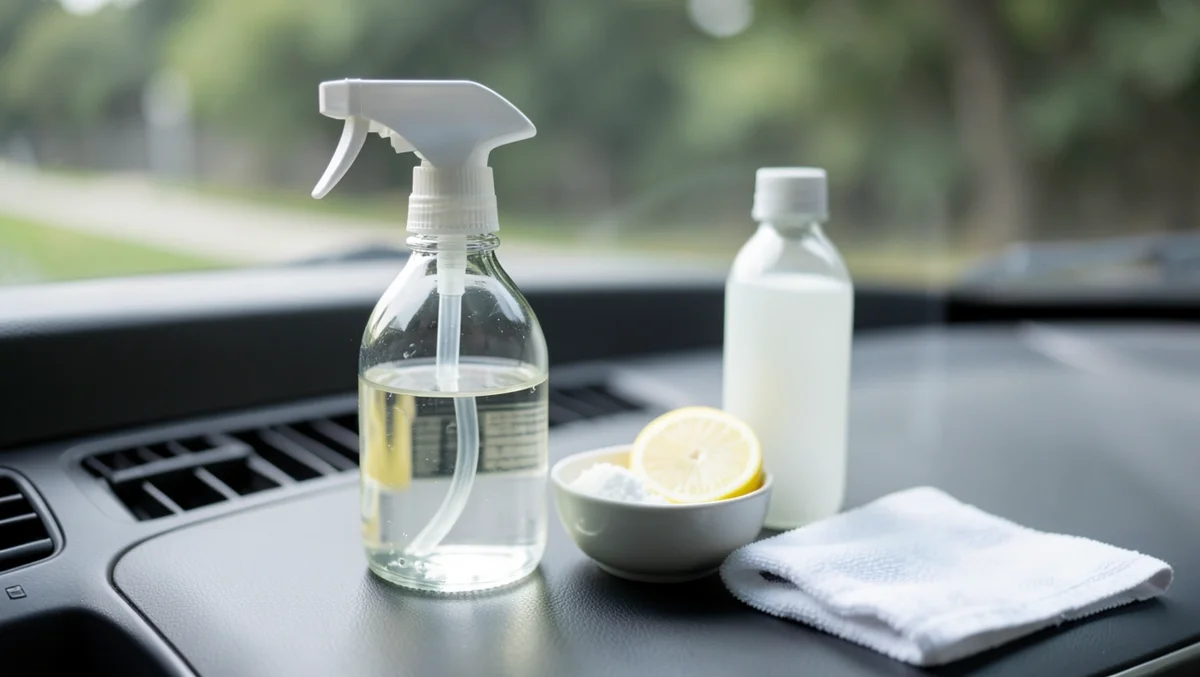
DIY Cleaner for Car Interior: Homemade Recipes That Actually Work
A DIY cleaner for your car interior is usually just a mix of water with white vinegar, dish soap, or baking soda — three pantry staples that handle glass, dashboards, and fabric for pennies per bottle. The catch is that the right mix depends on the surface: what is safe on a vinyl dashboard can dry out and crack real leather.
Below are the exact ratios that work for each surface in your car, plus which ones to avoid on leather and window tint. If you would rather skip the mixing altogether, our roundup of all-purpose car cleaners covers ready-made options like Chemical Guys and CAR GUYS Super Cleaner.
Dish Soap Solution for Dashboards, Vinyl & Plastic Trim
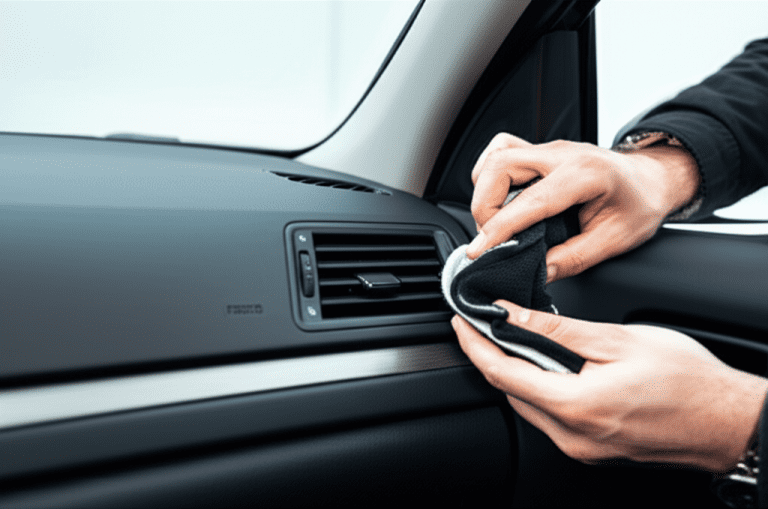
Mix about 1 teaspoon of dish soap into 2 cups of warm water in a spray bottle. This diluted ratio is gentle enough for hard interior surfaces — dashboards, door panels, plastic trim, and vinyl seats — without leaving the greasy residue or streaking you get from spraying soap on full-strength.
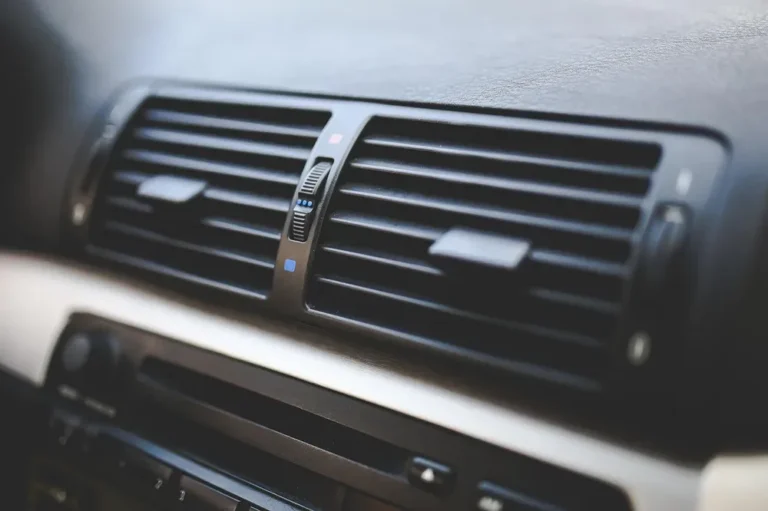
Spray lightly, wipe with a microfiber cloth, then go over the area again with a barely-damp cloth to rinse off any soap film. Avoid soaking the vents or any exposed electronics, and skip this recipe on leather — dish soap strips the natural oils that keep leather from drying out and cracking over time.
DIY KIT ESSENTIAL
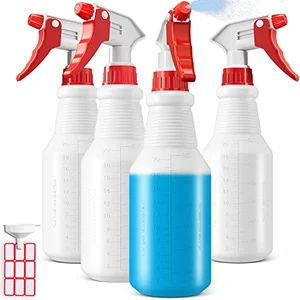 |
Bealee 24oz Spray Bottles, 4-Pack – $12.97 Every recipe below needs its own labeled bottle so you never mix leftover vinegar solution with dish soap by accident.
|
Vinegar and Water Glass Cleaner (Ammonia-Free and Tint-Safe)
Mix equal parts white vinegar and water in a spray bottle for the interior glass and mirrors. This is one case where the homemade version has a real advantage over a lot of store-bought glass cleaners: it contains no ammonia.
Ammonia-based glass cleaners are common on store shelves, but ammonia breaks down window tint film over time — it can cause bubbling, peeling, and discoloration, and it also dries out rubber seals and plastic trim if it drifts past the glass. A vinegar-and-water mix skips that risk entirely, which makes it a safer default if any of your windows are tinted. Spray onto a microfiber cloth rather than directly onto the glass (to keep moisture out of window seals and electronics), then wipe in straight lines and buff dry with a second dry cloth.
Baking Soda Paste for Carpet, Upholstery Stains & Odor
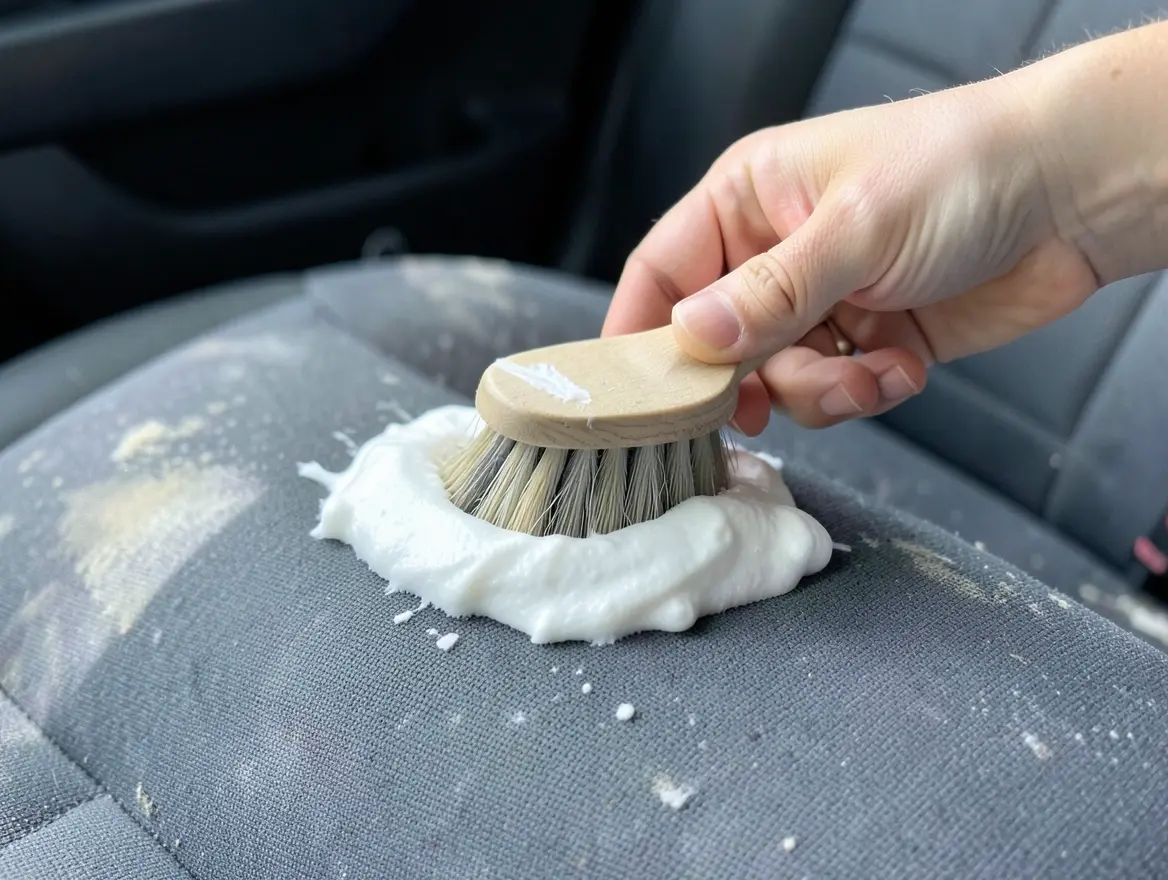
For a fresh stain on fabric seats or carpet, make a paste from baking soda and just enough water to form a thick, spreadable consistency (roughly 3 parts baking soda to 1 part water). Work it into the stain with a soft-bristled brush, let it sit for 10-15 minutes to pull moisture and odor out of the fibers, then vacuum up the dried residue.
For general odor control rather than a specific stain, skip the paste and simply sprinkle dry baking soda over the carpet or seat fabric, leave it for several hours (overnight works best), then vacuum thoroughly. It absorbs odor molecules rather than masking them with fragrance, which is why it works on smells that air fresheners just cover up.
Can You Use Vinegar or Dish Soap on Leather Car Seats?
Use caution here — this is the surface where DIY recipes cause the most damage. Full-strength vinegar is acidic enough to disrupt leather’s pH balance, leading to dryness, cracking, and discoloration with repeated use, and dish soap strips the natural conditioning oils that keep leather supple.
If you still want to try a homemade fix on leather, dilute vinegar much further than the glass-cleaner ratio — 1 part white vinegar to 2 parts water — apply it to a soft cloth rather than spraying it directly onto the seat, wipe a small hidden area first to check for discoloration, and never let the solution sit wet on the surface. Follow up with a pH-balanced leather conditioner afterward to replace the moisture the vinegar pulled out. For seats you actually care about, a dedicated leather cleaner is the lower-risk option — see our guide on restoring leather car seats.
DIY Car Interior Cleaner Ratios at a Glance
| Surface | Recipe | Avoid |
|---|---|---|
| Dashboard, vinyl, plastic trim | 1 tsp dish soap + 2 cups warm water | Full-strength soap, silicone dressings that cause glare |
| Interior glass, mirrors | Equal parts white vinegar + water | Ammonia-based cleaners near window tint |
| Carpet & fabric stains | 3 parts baking soda + 1 part water (paste) | Soaking the carpet backing — mold risk |
| Odor in carpet/fabric | Dry baking soda, sit overnight, vacuum | Spraying liquid directly onto foam padding |
| Leather seats | 1 part vinegar + 2 parts water, on a cloth only | Full-strength vinegar, dish soap, skipping the conditioner step |
When a Store-Bought Cleaner Makes More Sense
DIY recipes are hard to beat for routine touch-ups, but a dedicated commercial cleaner is worth the extra cost for set-in stains, real leather upholstery, or a full detail before selling a car. CAR GUYS Super Cleaner and Chemical Guys’ interior spray are both formulated to be safe across vinyl, leather, and fabric in one product, which takes the guesswork out of matching a recipe to a surface. If you want the full step-by-step process for a deep interior clean rather than just the cleaning-solution recipes, see our complete guide on how to clean a car interior.
Frequently Asked Questions
Is homemade car interior cleaner as effective as store-bought?
For routine dirt, dust, and light stains, yes — dish soap, vinegar, and baking soda handle most everyday cleaning jobs. Store-bought formulas tend to have an edge on set-in stains, added UV protection for dashboards, and safety across every surface in one bottle, which is why detailers still reach for a dedicated product before a full interior detail.
Can I use vinegar on my car dashboard?
Diluted vinegar (equal parts vinegar and water) is generally safe on hard plastic and vinyl dashboards, but always test a small hidden spot first, since some matte or soft-touch dashboard finishes can react differently. Wipe it on with a cloth rather than spraying it directly, and never let it pool in vent openings or around dash-mounted electronics.
What household product cleans car seats best?
For fabric seats, a baking soda paste worked into the stain with a soft brush is the most effective single household ingredient, since it lifts both the stain and the odor. For leather seats, skip the paste entirely and use a heavily diluted vinegar solution applied with a cloth, followed by a leather conditioner.
Why should I avoid ammonia-based cleaners in my car?
Ammonia is highly alkaline and breaks down the adhesive layer in window tint film, causing bubbling, peeling, and discoloration over time. It also dries out rubber seals and plastic trim, which can lead to cracking. A vinegar-and-water mix cleans glass just as well without any of that risk.
Will baking soda damage car carpet or upholstery?
No, plain baking soda is safe on carpet and fabric upholstery when used dry for odor control or as a diluted paste for stains. The only real risk is applying it wet and not fully vacuuming it out afterward, or oversoaking the carpet backing to the point that moisture gets trapped and encourages mold.
Is it safe to mix dish soap and vinegar together for car cleaning?
It will not create anything dangerous, but the two work against each other chemically — the acid in vinegar breaks down soap’s grease-cutting ability, so the combined mix cleans worse than either ingredient used on its own. Keep them in separate bottles and use vinegar for glass, dish soap for dashboards and vinyl.
Conclusion
A few pantry ingredients cover most of what a car interior needs: diluted dish soap for dashboards and vinyl, vinegar and water for glass, and a baking soda paste for fabric stains and odor. The one surface to treat carefully is leather — heavily dilute any vinegar solution, follow up with a conditioner, and reach for a dedicated leather cleaner if the seats are worth protecting long-term. Keep a labeled spray bottle for each recipe so you are never guessing which mix is in which bottle.
Products related to this article
Sponsored / affiliate links. As an Amazon Associate I earn from qualifying purchases. I may earn additional commission from eligible campaigns.