Do All Cars Have Cabin Air Filters? A Complete Guide to Understanding Your Car’s Air Filtration System
Hey there! If you’ve ever wondered why the air in your car sometimes smells musty or why your AC isn’t blowing as fresh as it used to, you might have thought about cabin air filters. I sure did when I noticed my car’s air wasn’t as clean as I’d like. A friend asked me recently, “Do all cars have cabin air filters?” and it got me thinking.
It’s a great question, and the answer isn’t as straightforward as you might expect. Over the years, I’ve dug into this topic while maintaining my cars, and I’ve learned a ton about how cabin air filters work, which cars have them, and why they’re so important. In this guide, I’m going to walk you through everything I’ve discovered about cabin air filters. Whether you’re a car newbie or a seasoned driver, I’ll break it down in simple terms so you can keep your car’s air clean and fresh. Let’s get started!
What Is a Cabin Air Filter?
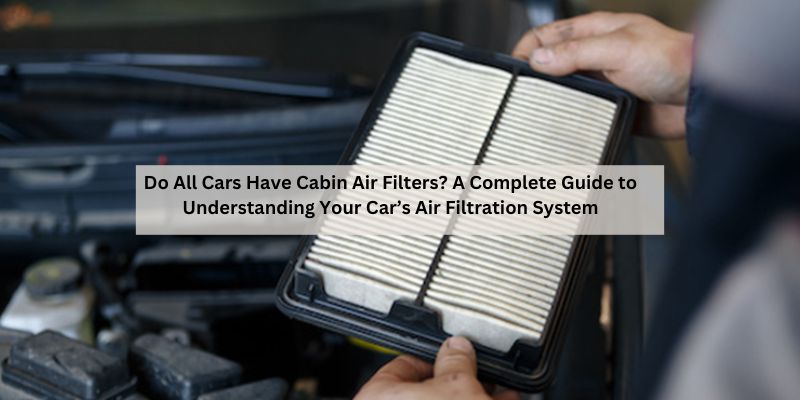
Let’s start with the basics. A cabin air filter is a small, often overlooked part of your car’s ventilation system. It’s like a mask for your car’s heating and air conditioning system. Its job is to trap dust, pollen, dirt, and other particles before they get blown into the cabin where you and your passengers breathe. I remember the first time I pulled out a cabin air filter from my old sedan—it was caked with dust and leaves! It made me realize how much junk it was keeping out of my lungs.
These filters are usually made of pleated paper or a mix of materials like cotton or activated charcoal. The charcoal ones are especially cool because they can also reduce odors, like that fast-food smell that lingers after a road trip. Cabin air filters are typically located behind the glovebox, under the dashboard, or under the hood, depending on your car. They’re small but mighty, and they play a big role in keeping the air inside your car clean.
Do All Cars Have Cabin Air Filters?
Here’s the million-dollar question: Do all cars have cabin air filters? The short answer is no, but let me explain. When I first started driving in the early 2000s, I had an old pickup truck that didn’t have one. I was surprised to learn that cabin air filters weren’t standard in cars until fairly recently.
Most cars made after the early 2000s come with cabin air filters as standard equipment, especially in the U.S. market. By around 2000, manufacturers like Toyota, Honda, Ford, and GM started including them in most models. However, some older cars—think pre-1990s or even early 2000s—might not have them. It also depends on the car’s make, model, and trim level. For example, budget models or base trims of certain cars might skip the filter to cut costs. I once owned a base-model compact car from 1998, and after searching high and low, I realized it just didn’t have one.
Luxury cars, on the other hand, almost always have cabin air filters, often with fancier materials like activated charcoal. If you’re driving a newer car (post-2010), chances are it has one, but it’s always worth checking. I’ll show you how to do that later.
Why Some Cars Don’t Have Cabin Air Filters
You might be wondering why some cars skip the cabin air filter. From my experience, it often comes down to cost and design. Back in the day, carmakers didn’t prioritize air quality inside the cabin as much as they do now. Older cars, especially budget models or trucks, were built with simpler ventilation systems. Adding a filter meant extra parts, extra cost, and more maintenance for owners, so some manufacturers left them out.
I’ve also noticed that certain types of vehicles, like heavy-duty trucks or off-road vehicles, might not have cabin air filters. These vehicles are often designed for rugged use, and manufacturers might assume drivers are less concerned about air quality. Plus, in some older designs, there just wasn’t space for a filter in the ventilation system. My old pickup was like that—the air came straight through the vents without any filtration.
How to Check If Your Car Has a Cabin Air Filter
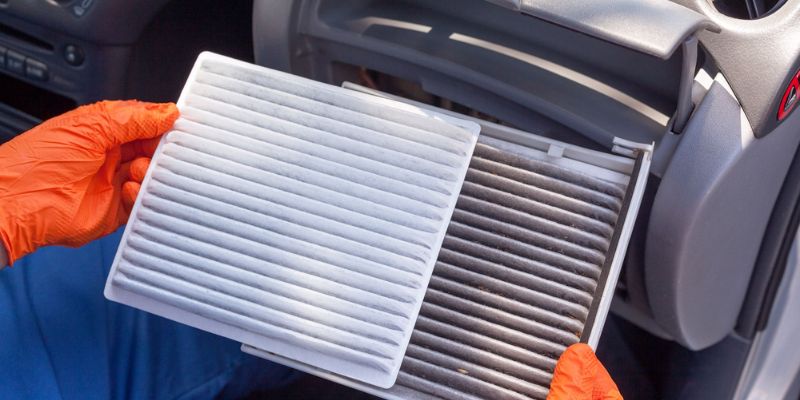
Not sure if your car has a cabin air filter? Don’t worry, I’ve got you covered. The easiest way to find out is to check your owner’s manual. Look for a section on maintenance or the HVAC (heating, ventilation, and air conditioning) system. It’ll usually mention the cabin air filter and where it’s located. If you don’t have the manual, no problem—I’ve lost mine a few times too. You can often find a digital version online by searching your car’s make, model, and year.
If you want to get hands-on, you can check it physically. Most cabin air filters are behind the glovebox or under the hood. Here’s how I do it:
- Behind the Glovebox: Open your glovebox and empty it. Some cars let you remove the glovebox or pop open a small panel to access the filter. Look for a rectangular cover or tray that slides out. If you see a filter, bingo! If not, there might not be one.
- Under the Hood: In some cars, the filter is near the windshield, under a plastic cover. Pop the hood and look for a compartment near the base of the windshield. You might need a screwdriver to open it.
- Under the Dashboard: This one’s trickier, but some filters are tucked under the passenger-side dashboard. You might need to get on your back and peek up with a flashlight.
I once spent an hour looking for a filter in my friend’s old car, only to realize it didn’t have one. Save yourself the hassle—check the manual first!
Benefits of Having a Cabin Air Filter
Let me tell you why cabin air filters are such a big deal. When I replaced the filter in my current car, I couldn’t believe the difference. Here are some of the benefits I’ve noticed:
- Cleaner Air: The filter traps dust, pollen, and other allergens, which is a lifesaver if you have allergies like I do. No more sneezing fits while driving!
- Better Smell: A good filter, especially one with activated charcoal, can reduce odors from exhaust fumes, food, or pets. My car used to smell like my dog’s wet fur, but a new filter fixed that fast.
- Improved HVAC Performance: A clean filter lets air flow freely, so your AC and heater work better. I noticed my AC blew colder after replacing a clogged filter.
- Healthier Passengers: If you drive with kids or people with asthma, a cabin air filter keeps the air free of harmful particles. It’s like giving your car a clean pair of lungs.
Types of Cabin Air Filters
Not all cabin air filters are created equal. I learned this when I went shopping for a replacement and saw all the options. Here’s a quick rundown of the types I’ve come across:
| Filter Type | Description | Best For |
|---|---|---|
| Particulate Filter | Made of pleated paper, traps dust, pollen, and debris. | Basic air quality needs, budget-friendly. |
| Activated Charcoal Filter | Has a layer of charcoal to absorb odors and harmful gases. | Odor reduction, urban driving. |
| HEPA Filter | High-efficiency filter that traps tiny particles, like allergens and bacteria. | Allergy sufferers, premium vehicles. |
| Electrostatic Filter | Uses static charge to attract and hold particles. | Long-lasting filtration, reusable. |
I usually go for an activated charcoal filter because I drive in the city a lot, and it helps with exhaust smells. If you’re on a budget, a particulate filter works fine, but don’t skimp if you deal with allergies or live in a dusty area.
How to Maintain Your Cabin Air Filter
Maintaining your cabin air filter is super easy, and it’s something I’ve gotten into the habit of doing regularly. A clean filter keeps your car’s air fresh and your HVAC system running smoothly. Here’s what I do:
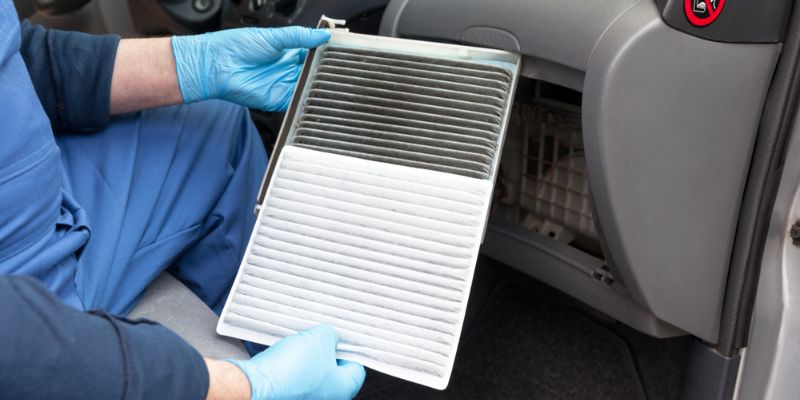
- Check It Regularly: I pop open the filter compartment every 6 months or so to see how dirty it is. If it’s gray or covered in debris, it’s time for a change.
- Vacuum for a Quick Clean: If the filter isn’t too bad, I sometimes vacuum it gently to extend its life. This works best with particulate filters, but don’t do it with charcoal ones—they lose effectiveness.
- Replace When Needed: Most manufacturers recommend replacing the cabin air filter every 12,000-15,000 miles or once a year. I replace mine every fall, right before I start using the heater more.
- Use the Right Filter: Always buy a filter that matches your car’s make and model. I made the mistake of buying a cheap, universal filter once, and it didn’t fit right, letting dust sneak through.
Replacing a filter is usually a 5-minute job. I just slide out the old one, pop in the new one, and make sure it’s facing the right way (there’s usually an arrow showing airflow direction). It’s one of the easiest car maintenance tasks, and it saves you money compared to paying a mechanic.
What Happens If Your Car Doesn’t Have a Cabin Air Filter?
If your car doesn’t have a cabin air filter, don’t panic—it’s not the end of the world. I drove my old truck for years without one, and I survived. But there are some downsides. Without a filter, dust, pollen, and debris can get sucked straight into your ventilation system. This can make the air dirtier, clog up your AC or heater, and even lead to mold if moisture gets trapped inside. I noticed my truck’s vents always seemed dusty, and the AC smelled funky after a while.
If your car doesn’t have a filter, you can still keep the air cleaner by regularly vacuuming the vents and using a disinfectant spray to kill bacteria. I also recommend keeping the cabin tidy—no food crumbs or pet hair piling up. If you’re committed, some cars can be retrofitted with a cabin air filter, but it’s not always easy or cheap. I looked into retrofitting my old truck, but it required modifying the ventilation system, so I passed.
Can You Add a Cabin Air Filter to a Car That Doesn’t Have One?
This is a question I get a lot, especially from folks with older cars. The answer is: sometimes. It depends on your car’s design. Some vehicles have space in the ventilation system where a filter can be added, and aftermarket kits are available for certain models. I looked into this for my 1998 car, but the kit was expensive, and I wasn’t confident about cutting into the dashboard.
If you’re thinking about adding a filter, check with your car’s manufacturer or a trusted mechanic. They can tell you if it’s possible and what parts you’ll need. Keep in mind that retrofitting can be pricey and might not work as well as a factory-installed filter. In my case, I decided to stick with regular vent cleaning instead.
Common Signs Your Cabin Air Filter Needs Attention
How do you know when your cabin air filter is crying for help? I’ve learned to watch for these signs:
- Musty or Bad Odors: If your car smells like mildew or old socks when you turn on the AC, the filter might be clogged or moldy.
- Weak Airflow: If the air from your vents feels weaker than usual, a dirty filter could be blocking it. I noticed this in my car last summer—the AC was barely blowing.
- More Allergies: If you’re sneezing or coughing more in your car, the filter might not be catching allergens anymore.
- Visible Dirt: If you check the filter and it’s covered in dust or debris, it’s time to replace it.
I check my filter every oil change, just to stay on top of things. It’s a quick habit that saves me from bigger problems later.
Choosing the Right Cabin Air Filter for Your Car
Picking the right filter can feel overwhelming with all the options out there. I’ve made the mistake of grabbing the cheapest one, only to regret it when it didn’t fit right. Here’s what I look for:
- Compatibility: Check your car’s manual or an online parts guide to find the exact filter for your make and model.
- Material: If you want basic protection, a particulate filter is fine. For odors or allergies, go for activated charcoal or HEPA.
- Brand: Stick with reputable brands like Fram, Bosch, or OEM (original equipment manufacturer) filters. They cost a bit more but last longer.
- Price: Filters range from $10 to $50. I usually spend around $20 for a good charcoal filter that balances cost and quality.
Pro tip: Buy your filter from an auto parts store or online retailer like Amazon or RockAuto. Dealerships often charge more for the same thing.
How to Replace a Cabin Air Filter
Replacing a cabin air filter is one of the easiest car maintenance tasks, and I’ve done it dozens of times. Here’s my step-by-step process:
- Find the Filter: Check your manual to locate the filter (usually behind the glovebox or under the hood).
- Access the Compartment: For glovebox filters, empty the glovebox and remove any clips or panels. For hood filters, pop open the cover near the windshield.
- Remove the Old Filter: Slide out the old filter carefully. Note the airflow direction (there’s usually an arrow).
- Clean the Area: Wipe down the filter housing with a damp cloth to remove dust.
- Install the New Filter: Slide in the new filter, making sure the arrow matches the airflow direction.
- Close Everything Up: Reattach any panels or covers, and you’re done!
The whole process takes me about 10 minutes. If you’re nervous, there are tons of YouTube videos for specific car models. I watched it the first time I did it, and it was a huge help.
When to Call a Professional
Most of the time, you can handle cabin air filter maintenance yourself. But if you’re not comfortable poking around your car or if you suspect bigger issues (like mold in the HVAC system), it might be time to call a pro. I had to do this once when my car’s AC smelled bad even after replacing the filter. A mechanic found a clogged evaporator coil and fixed it for me. It cost about $100, but it was worth it for the fresh air.
Tips for Keeping Your Car’s Air Clean
Even with a cabin air filter, there are things you can do to keep your car’s air fresh. Here’s what I’ve learned:
- Don’t Eat in the Car: Crumbs and spills can get sucked into the vents and cause odors.
- Vacuum regularly: Dust and pet hair can clog your filter faster. I vacuum my car every month or so.
- Run the Fan: Turn on the fan for a few minutes each week to blow out loose dust.
- Check for Leaks: Water leaks can lead to mold in the ventilation system. I had a clogged drain tube once that caused a musty smell.
Conclusion: Breathe Easy with a Clean Cabin Air Filter
After years of driving and tinkering with my cars, I’ve come to appreciate the humble cabin air filter. It’s a small part that makes a big difference in how fresh and clean your car feels. Whether your car has a cabin air filter or not, understanding your vehicle’s air filtration system is key to a comfortable and healthy ride. If your car has one, keeping it clean or replacing it regularly is an easy way to improve air quality and keep your HVAC system running smoothly. And if it doesn’t, a little extra care with vent cleaning can go a long way. I hope this guide has answered all your questions
System: your questions and gives you the confidence to take care of your car’s air quality. So next time you hit the road, take a deep breath and enjoy the fresh, clean air—you’ve earned it!
FAQs
Do all new cars have cabin air filters?
Most new cars (post-2010) in the U.S. come with cabin air filters, but some base models or budget brands might not. Check your owner’s manual to be sure.
How can I tell if my car has a cabin air filter?
Look in your owner’s manual for details on the HVAC system. You can also check behind the glovebox, under the hood, or the dashboard for a filter compartment.
What happens if my car doesn’t have a cabin air filter?
Without a filter, dust, pollen, and debris can enter the cabin through the vents, reducing air quality and potentially clogging the HVAC system.
How often should I replace my cabin air filter?
Replace it every 12,000-15,000 miles or once a year. If you live in a dusty area or have pets, you might need to replace it more often.
Can I clean my cabin air filter instead of replacing it?
You can gently vacuum a particulate filter to extend its life, but it’s better to replace it. Charcoal and HEPA filters should always be replaced.
What type of cabin air filter is best for allergies?
A HEPA or activated charcoal filter is best for allergies. They trap smaller particles and reduce allergens effectively.
How much does a cabin air filter cost?
Cabin air filters typically cost $10-$50, depending on the type and brand. Charcoal and HEPA filters are pricier but offer better filtration.
Can I drive without a cabin air filter?
Yes, but it’s not ideal. Without a filter, your ventilation system can get dirty, and air quality may suffer. I recommend installing one if possible.