Do All Cars Have Struts? What You Should Know
Understanding your car’s parts can feel overwhelming. You just want your car to run smoothly. When you hear terms like “strut” or “shock absorber,” it’s easy to get confused.
This article aims to clear up that confusion. We’ll break down exactly what struts are and why not all cars use them.
Not all cars have struts as the primary suspension component on every wheel. Some vehicles use a combination of separate shock absorbers and coil springs, while others, particularly MacPherson strut designs, integrate these functions into a single unit called a strut assembly. The design choice depends on the vehicle’s purpose and engineering.
Understanding Car Suspension
Cars need a way to handle bumps and keep the tires on the road. This is the job of the suspension system. Think of it as the car’s way of cushioning the ride.
It also helps the car steer and stay stable.
A good suspension system does a few key things. It absorbs shocks from uneven roads. It keeps the tires in contact with the ground.
This helps with traction and braking. It also helps the car handle turns without leaning too much.
Two common parts in suspension are shock absorbers and struts. They work together to control the movement of your car’s wheels. They are not always the same thing, though they serve similar purposes.
What Exactly Is a Strut?
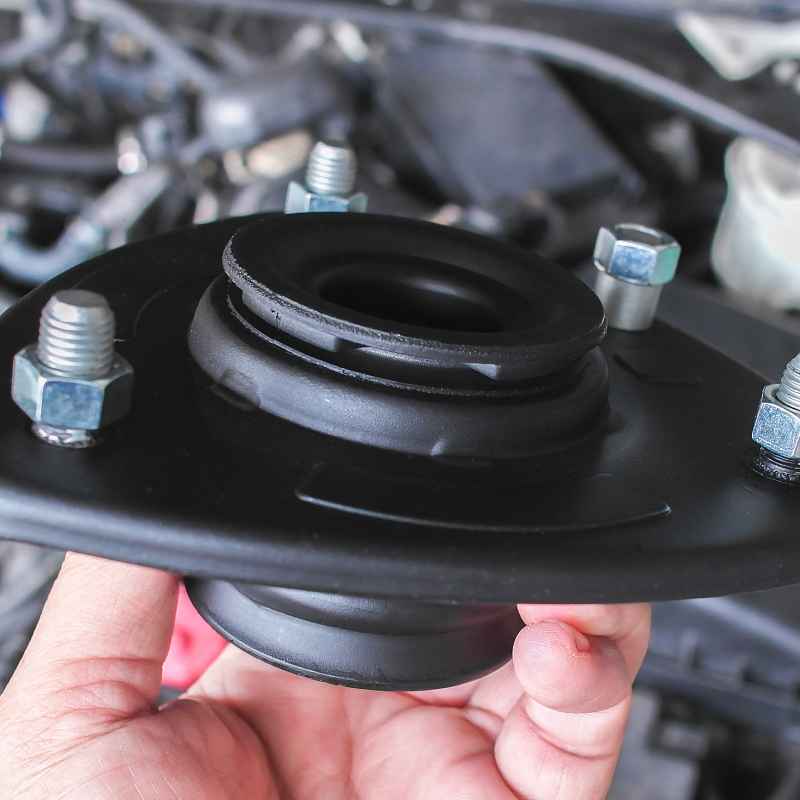
A strut is a type of suspension component. It’s a more complex part than a simple shock absorber. A strut actually combines two jobs into one unit.
It acts as a damping device. It also serves as a structural part of the suspension.
The damping job is like a shock absorber. It controls the spring’s movement. It slows down how quickly the suspension bounces.
This makes the ride smoother. It stops the car from bouncing too much after hitting a bump.
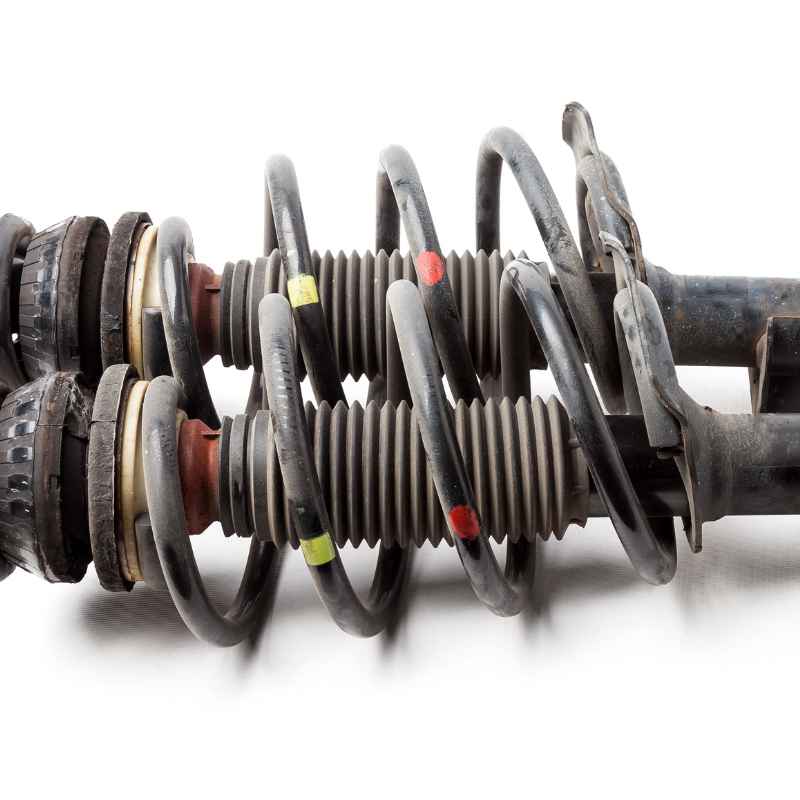
The structural job is where a strut is different. It’s a strong metal tube. It often has the coil spring wrapped around it.
This whole assembly helps support the weight of the car. It also helps locate the wheel and keeps it in place.
This integrated design is often called a “MacPherson strut.” It’s a very popular design in modern cars. It’s simpler and takes up less space than separate springs and shocks.
My Own “Aha!” Moment with Suspension Parts
I remember a time years ago when my old sedan started making a clunking sound over bumps. I’d never paid much attention to car parts before. My mechanic said, “Your front struts are shot.” I just nodded, not really knowing what that meant.
Was it like the shocks? Was it serious?
He explained that a strut is more than just a shock. It holds up part of the car’s weight. He showed me the old part.
It looked like a strong metal cylinder with a spring around it. He said the fluid inside had leaked out. This made it unable to control the spring’s bounce.
He also mentioned that the strut was a key part of how the wheel was positioned. If it failed, it could affect steering and alignment. That’s when I realized how important these parts are.
It wasn’t just about comfort; it was about safety and how the car drove.
That experience taught me that “strut” isn’t just a fancy word for “shock absorber.” It’s a vital, multi-functional piece of engineering. It made me appreciate the complexity and importance of a car’s suspension system. I’ve been paying more attention ever since.
How Suspension Systems Differ
Cars are built for different reasons. A sports car needs a stiff suspension for sharp turns. A truck needs a tough suspension for heavy loads.
A family car needs a comfortable ride for long trips.
These different needs lead to different suspension designs. Some cars use struts. Others use a different setup.
Let’s look at the main types.
MacPherson Strut System
This is the most common type. It uses a strut assembly. The strut itself is a structural part.
It holds the spring. It also contains the shock absorber. The wheel hub is attached directly to the strut.
Pros: Simple design. Takes up less space. Lighter weight.
Cheaper to produce.
Cons: Can offer less ride comfort. Less wheel travel sometimes.
Many sedans, compact cars, and SUVs use MacPherson struts. Think of everyday cars you see on the road. Many of them have this design.
Double Wishbone or SLA Suspension
This system uses two A-shaped arms (wishbones) for each wheel. It has a separate shock absorber and coil spring. The arms help control the wheel’s movement precisely.
Pros: Excellent ride quality. Great handling. Good tire contact.
Cons: More complex. Takes up more space. Heavier and more expensive.
You’ll often find this type of suspension on performance cars, luxury vehicles, and some trucks. It offers a higher level of control and comfort.
Multi-Link Suspension
This is a more advanced design. It uses several links or arms. These links connect the wheel to the car’s body.
It gives engineers a lot of control over how the wheel moves.
Pros: Very refined ride. Excellent handling. Adapts well to different road conditions.
Cons: Very complex. Expensive to design and build. Takes up significant space.
Many newer luxury cars and performance vehicles use multi-link suspensions. They aim for the best possible balance of comfort and handling.
Why Some Cars Use Struts and Others Don’t
The choice of suspension design comes down to several factors. Car makers look at the car’s intended use. They also consider cost and space.
These decisions shape whether a car has struts or not.
Cost is a big factor. MacPherson struts are less expensive to make. They use fewer parts. This lowers the overall manufacturing cost for the car.
For economy cars, this is a major advantage.
Space is another key element. A strut assembly is compact. It combines the spring and shock absorber. This saves space under the hood and around the wheel well.
This extra space can be used for other things, like a bigger engine or more cabin room.
Performance needs also play a role. For many regular driving situations, MacPherson struts work very well. They provide adequate support and damping. However, for high-performance driving, a double-wishbone or multi-link system might offer better control.
Ride comfort goals matter too. Some engineers find it easier to tune a suspension with separate shocks and springs. This can lead to a softer or more compliant ride. This is why luxury cars often avoid using struts for every corner.
Where Are Struts Typically Found?
MacPherson struts are most commonly found on the front suspension of vehicles. They are very effective at handling the steering forces and supporting the engine weight. They are also a good fit for the tighter space constraints at the front of many car designs.
Some cars use struts on all four wheels. Many others use struts at the front and a different type of suspension at the rear. This might be a multi-link or a simpler beam axle with separate shocks and springs.
The rear suspension design often depends on the type of vehicle. For example, a small hatchback might use struts in the rear. A larger sedan or SUV might use a more complex multi-link setup.
This offers better cargo space or a smoother ride.
It’s rare for a vehicle to have a double-wishbone or multi-link suspension at the front and a MacPherson strut at the rear. The design usually flows more consistently across the car.
Strut vs. Shock Absorber: Key Differences
Strut:
- Combines shock absorption and structural support.
- Is a load-bearing component.
- Often has the coil spring mounted on it.
- Integral part of the suspension geometry.
Shock Absorber:
- Primarily controls spring oscillation (damping).
- Is not load-bearing.
- Works with separate springs and control arms.
- Does not usually define suspension geometry on its own.
Understanding this difference is crucial. It helps explain why a “shot” strut can cause more problems than just a bouncy ride. It affects the entire wheel assembly’s stability.
What This Means for Your Car’s Performance
The type of suspension your car has impacts how it feels and handles. If your car has struts, it likely has a design that prioritizes efficiency and space. This is true for the vast majority of cars on the road.
A MacPherson strut system offers a good balance for everyday driving. It handles most road conditions well. It provides decent comfort and control for commuting and family travel.
However, when struts wear out, the effects can be noticeable. You might feel excessive bouncing. The car might lean more in turns.
You could also experience uneven tire wear. Steering might feel less precise.
If your car has a more complex suspension, like a double-wishbone or multi-link system, it’s designed for more. It offers sharper handling and a more refined ride. These systems often feel more planted on the road, especially at higher speeds or during spirited driving.
Quick Scan: When to Check Your Suspension
Signs of Worn Struts or Shocks:
- Excessive bouncing after hitting bumps.
- Nose-diving during braking.
- Rear end squatting during acceleration.
- Uneven tire wear (feathering or cupping).
- Leaking fluid on the strut or shock body.
- Strange noises (clunking, rattling) over bumps.
- Poor handling or reduced steering responsiveness.
Regular checks can prevent bigger issues. It’s good to be aware of these signs. They can alert you to potential problems before they become serious.
Real-World Scenarios: Struts in Action
Let’s imagine a few common driving situations. We can see how suspension designs, including those with struts, play a role.
Scenario 1: The City Commute
You’re driving your compact car to work. The road is a mix of smooth pavement and annoying potholes. You hit a small pothole.
Your MacPherson struts absorb the jolt. The coil spring compresses and then extends, controlled by the strut’s internal valving.
The strut’s damping prevents the car from bouncing wildly. The steering wheel stays relatively steady. You continue your commute, feeling the bumps but not being excessively jarred.
The strut assembly has done its job.
Scenario 2: The Weekend Road Trip
You’re in your family SUV, loaded with gear. You’re on the highway, and a large truck passes you. The wind buffets the car.
Your SUV, likely with MacPherson struts at the front and possibly a more complex system or struts at the rear, maintains stability.
The suspension controls the body roll caused by the wind. The tires stay firmly planted on the asphalt. The strut helps keep the car from leaning too much.
You feel secure and in control. The integrated nature of the strut contributes to this stability.
Scenario 3: The Spirited Drive on a Winding Road
You’re driving a sports car on a scenic route with many curves. This car might have a double-wishbone or multi-link suspension. As you enter a turn, the suspension works to keep the car level.
The control arms and links manage the wheel’s angle precisely.
The separate shocks and springs are tuned for responsiveness. The tires grip the road. You feel a direct connection to the pavement.
While a strut-equipped car can handle curves well, this advanced setup offers even more precision and feedback for enthusiasts.
Even in this scenario, if the sports car uses MacPherson struts at the front, they are engineered to be very robust. They are designed to handle the demands of performance driving. The quality of the strut and the overall suspension tuning are key.
When Is It Normal and When Should You Worry?
It’s normal for your car’s suspension to make some noise. You’ll hear subtle sounds when going over small bumps. It’s also normal for the car to settle after a sharp turn.
You should start to worry when these sounds become loud or constant. A clunking noise over every bump is not normal. Excessive bouncing that continues for several seconds after a bump is a sign of trouble.
Leaking fluid from a strut or shock absorber is a definite sign that it needs attention. If you see oily streaks on the metal body of the component, it’s time for a check-up. The fluid is essential for damping.
If your car pulls to one side, or if the steering feels loose or vague, this can indicate suspension issues. This includes problems with struts. These issues can affect your ability to control the car safely.
Quick Checks You Can Do
The Bounce Test: Push down hard on each corner of your car. Release quickly. The car should bounce back up once and then settle.
If it bounces more than twice, the shocks or struts might be worn.
Visual Inspection: Look for obvious signs of damage or leaks on the struts and shocks. Check the rubber boots for tears.
Listen Carefully: Pay attention to new noises coming from the suspension, especially when turning or going over bumps.
These simple checks can give you an early warning. They might help you catch a problem before it causes more damage or safety concerns.
Quick Tips for Suspension Care
While you can’t directly “fix” struts yourself without specialized tools and knowledge, you can take steps to prolong their life and address issues promptly.
- Avoid Potholes: This is the most obvious. Drive around them whenever possible. Hitting a large pothole can damage struts, shocks, and other suspension parts.
- Drive Smoothly: Avoid sudden braking or acceleration, especially on rough surfaces. Gentle driving puts less stress on your suspension.
- Check Tire Pressure: Properly inflated tires can help absorb some road imperfections, reducing the strain on your shocks and struts.
- Don’t Overload: Stick to your vehicle’s weight capacity. Overloading stresses the entire suspension system.
- Address Noises Promptly: If you hear new sounds, get them checked out. Small issues can become big problems if ignored.
- Regular Inspections: Have your suspension checked during your car’s regular maintenance. A mechanic can spot potential issues early.
These practices help maintain the overall health of your car’s suspension. They can prevent premature wear and tear on vital components like struts.

Frequently Asked Questions About Car Struts
Do all cars have struts on all four wheels?
No, not all cars have struts on all four wheels. Many vehicles use MacPherson struts on the front suspension. However, the rear suspension might use a different design, such as independent suspension with separate shock absorbers and springs, or a multi-link setup.
What’s the difference between a strut and a shock absorber?
A strut is a structural component that also dampens suspension movement, often supporting the vehicle’s weight and containing the coil spring. A shock absorber’s primary job is just to dampen the spring’s oscillations and is not typically load-bearing.
How long do car struts typically last?
The lifespan of struts can vary widely. They typically last between 50,000 to 100,000 miles. Factors like driving conditions (rough roads vs.
smooth highways), driving style, and the quality of the original parts influence how long they will last.
Can I drive with bad struts?
You can drive with bad struts, but it’s not recommended. Worn struts can lead to a rougher ride, decreased handling, longer braking distances, and uneven tire wear. Most importantly, they can compromise your safety and control of the vehicle.
Do sports cars use struts?
Some sports cars use MacPherson struts, especially at the front, because they are compact and effective. However, many high-performance vehicles opt for more sophisticated suspension systems like double-wishbone or multi-link designs for superior handling and ride control.
What happens if a strut breaks?
If a strut breaks, it can severely compromise your car’s handling and stability. The wheel might become misaligned, leading to steering issues and difficulty controlling the vehicle. It’s a serious safety concern that requires immediate attention.
The Bottom Line on Struts
So, to answer your question directly: no, not all cars have struts on every wheel. Many cars use them, especially at the front, due to their efficient design. They combine support and damping.
Understanding your car’s suspension is key to appreciating its performance and safety. Pay attention to how your car feels and sounds. Regular checks can keep you safe and your car running smoothly.
Products related to this article
Sponsored / affiliate links. As an Amazon Associate I earn from qualifying purchases. I may earn additional commission from eligible campaigns.