Do All Cars Have Timing Belts? Essential Facts Revealed
Have you ever wondered if all cars have timing belts? If you’re trying to understand how your engine works or planning maintenance, this question is important.
Knowing whether your car has a timing belt can save you from costly repairs and keep your vehicle running smoothly. You’ll discover the truth about timing belts and what it means for your car’s health. Keep reading to find out if your car is equipped with one and what you need to watch out for.
Timing Belt Basics
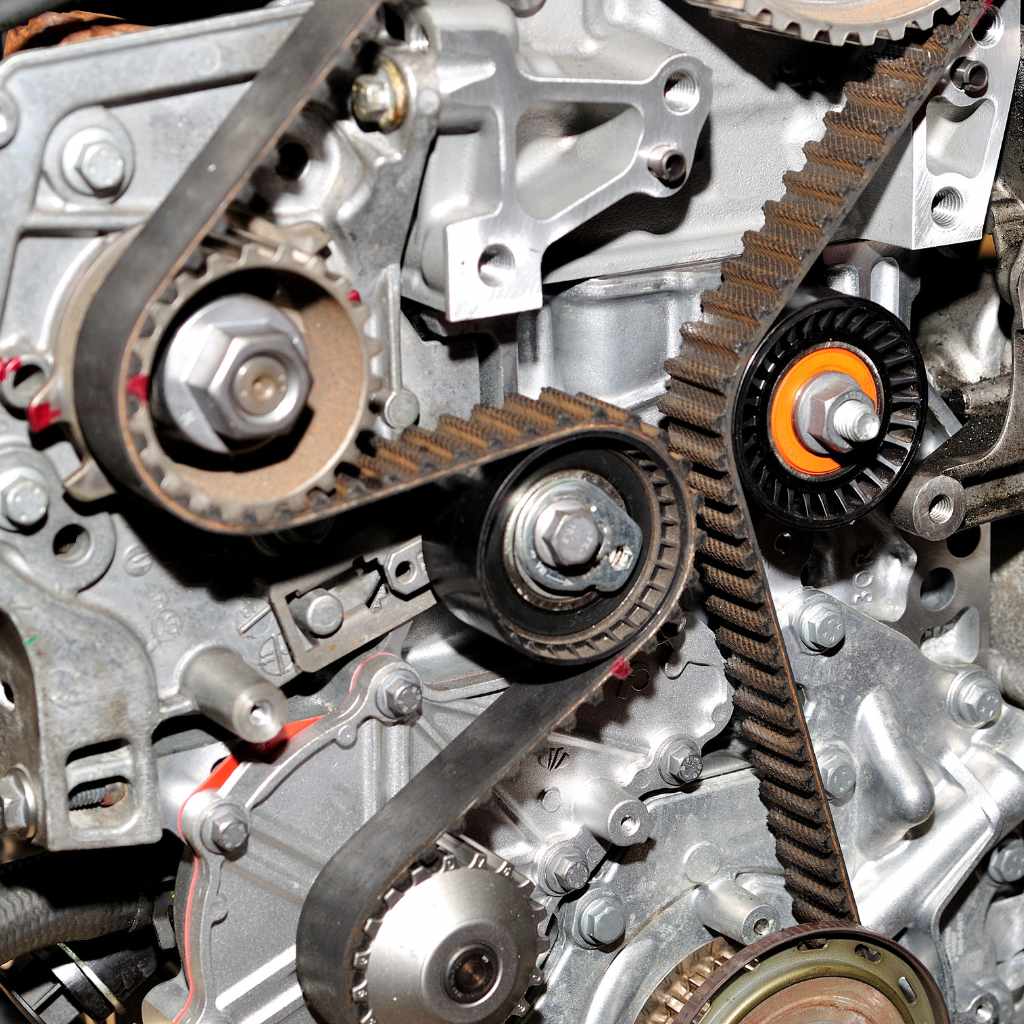
The timing belt is a key part of many car engines. It keeps engine parts working together in perfect timing. Without it, the engine cannot run smoothly. Knowing the basics of a timing belt helps you understand its importance.
Role In Engine Operation
The timing belt connects the crankshaft and camshaft. It controls the opening and closing of engine valves. This timing ensures fuel and air enter the engine at the right moments. It also helps exhaust gases leave the engine properly. If the belt slips or breaks, the engine can stop or get damaged.
Materials And Design
Timing belts are made from strong rubber with fibers inside. The fibers add strength and prevent stretching. The rubber is heat-resistant to handle engine temperature. Teeth on the belt fit into matching gears. This design stops the belt from slipping during engine operation. Regular checks keep the belt in good condition.
Timing Belt Vs. Timing Chain
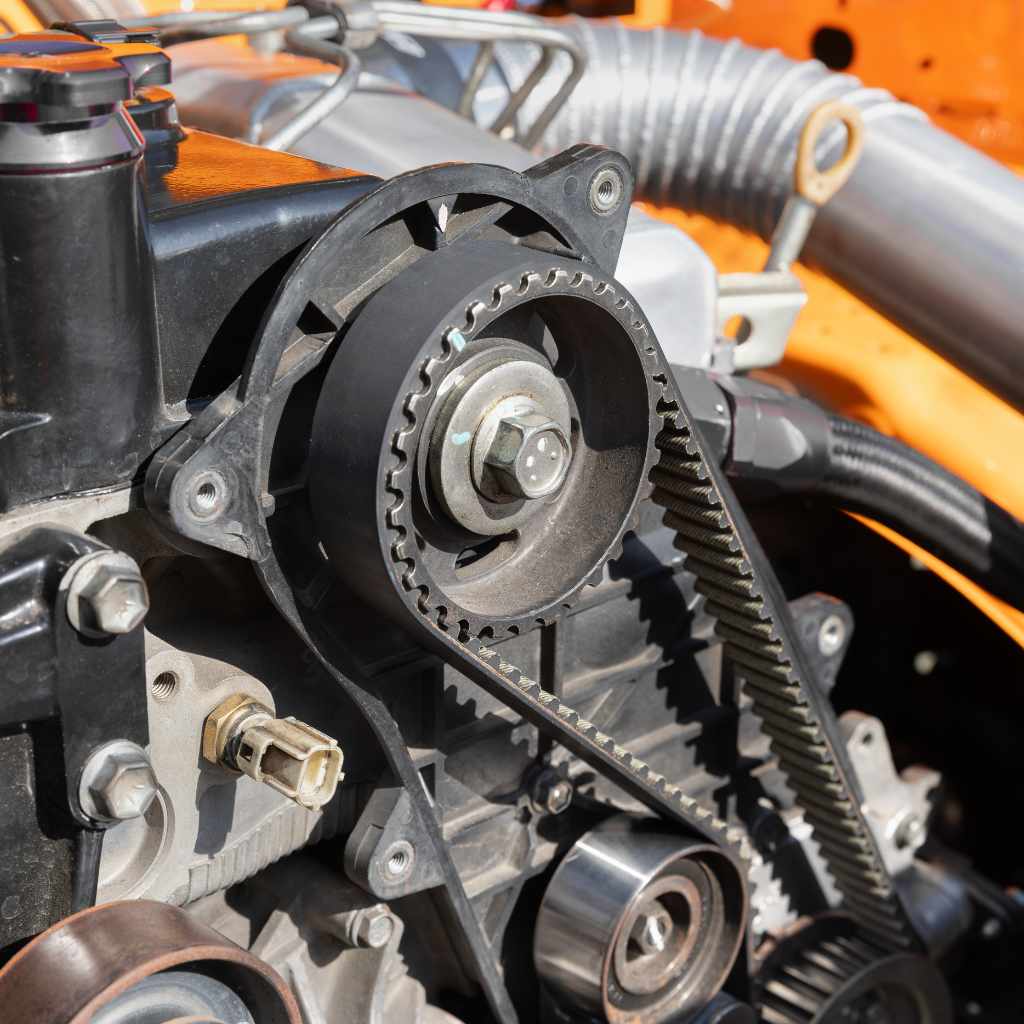
Cars use either timing belts or timing chains to control engine timing. Both parts keep the engine’s valves and pistons moving together. Choosing between a timing belt and a timing chain depends on the car’s design. Understanding their differences helps in car maintenance and repairs.
Key Differences
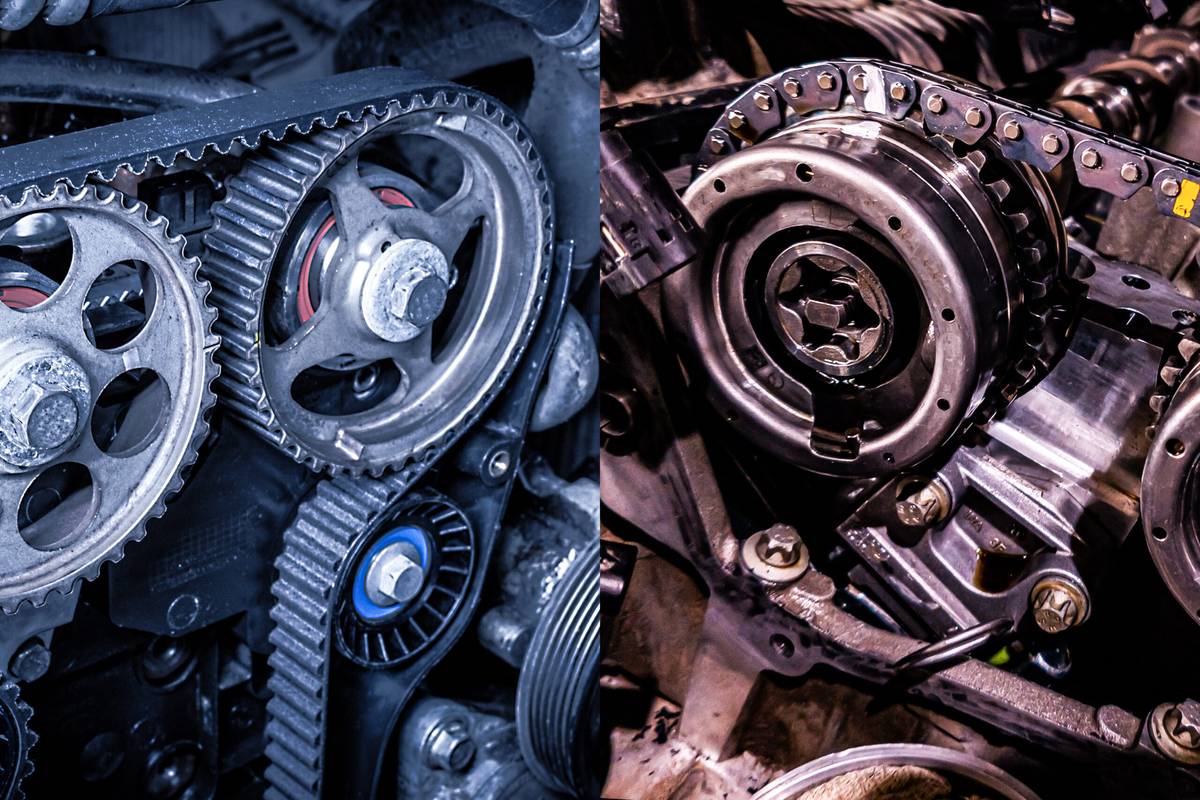
A timing belt is made of rubber with teeth. It runs outside the engine and needs regular replacement.
A timing chain is made of metal links. It runs inside the engine and lasts longer than a belt.
Belts are quieter but wear out faster. Chains are louder but more durable.
Advantages And Disadvantages
Timing belts are cheaper and easy to replace. They must be replaced every 60,000 to 100,000 miles.
Timing chains last longer and need less frequent changes. But they can be expensive to fix if they fail.
Belts can break suddenly, causing engine damage. Chains are less likely to break but can stretch over time.
Which Cars Use Timing Belts?
Timing belts play a key role in many car engines. Not all cars use timing belts. Some use timing chains or other systems. Knowing which cars have timing belts helps with maintenance and repairs.
Common Brands And Models
Many popular car brands use timing belts in some models. Honda often uses timing belts in their older Civics and Accords. Toyota uses timing belts in some Corolla and Camry models. Subaru is known for using timing belts in many of their vehicles. Volkswagen also uses timing belts in certain models like the Jetta and Golf. These belts help control engine timing for smooth performance.
Engine Types With Timing Belts
Timing belts are common in four-cylinder engines. Many inline-four engines use timing belts to synchronize parts. Some V6 engines also use timing belts, but fewer than four-cylinder engines. Engines with overhead camshafts often have timing belts. They help move the camshafts and valves in sync with the crankshaft. Diesel engines usually use timing chains instead of belts. Understanding engine type can guide timing belt care and replacement.

Cars Without Timing Belts
Not all cars use timing belts to control their engine’s timing. Some cars come with different systems that last longer and need less care. Understanding these options helps you know more about your car’s engine and maintenance.
Cars without timing belts often use metal chains or other parts to keep the engine parts working together. These alternatives can be stronger and last longer than belts.
Timing Chain Alternatives
Many cars use timing chains instead of belts. Timing chains are metal and sit inside the engine. They do not wear out as fast as belts. Chains often last the life of the engine. They need little or no regular replacement. But if a chain gets loose or breaks, it can cause serious engine damage.
Timing chains need oil to stay strong. The engine oil helps keep the chain moving smoothly. This is why changing oil regularly is very important in cars with timing chains.
Other Timing Mechanisms
Some cars use gear-driven timing systems. These use metal gears to control timing. Gears are very strong and reliable. They rarely need repairs but can be noisy.
Another option is the use of variable valve timing systems. These systems adjust timing automatically for better engine performance. They work with belts, chains, or gears. These systems improve fuel efficiency and reduce emissions.
Timing Belt Maintenance
Timing belt maintenance is very important for car health. The timing belt controls engine parts and keeps them working in sync. If it breaks, the engine can get damaged quickly. Regular care helps avoid costly repairs and keeps your car running smoothly.
Replacement Intervals
Most car makers suggest changing the timing belt every 60,000 to 100,000 miles. This can vary by car model and engine type. Check your owner’s manual for the exact interval. Don’t wait too long, as belts wear out over time even if you drive less.
Signs Of Wear
Look for cracks, fraying, or missing teeth on the belt. Squeaking noises from the engine area can also mean belt problems. If the engine runs rough or stalls, the timing belt might be slipping. Catching these signs early helps prevent breakdowns.
Costs And Consequences Of Failure
Replacing a timing belt usually costs between $300 and $800. Ignoring a worn belt can cause it to snap. This can lead to severe engine damage, costing thousands to fix. Timely maintenance saves money and keeps your car reliable.
Impact On Car Performance
The timing belt plays a key role in a car’s engine performance. It controls the timing of the engine’s valves and pistons. This affects how well the engine runs and how smooth the ride feels. Cars with timing belts need regular maintenance to keep the engine working properly. The impact on performance can vary between cars with timing belts and those with timing chains or other systems.
Engine Efficiency
The timing belt ensures the engine parts move in perfect sync. This helps the engine burn fuel cleanly and completely. Proper timing means the engine produces more power and runs smoothly. A worn or broken timing belt can cause the engine to misfire or lose power. Good timing belt condition keeps the engine efficient and reliable.
Noise And Vibration
A healthy timing belt reduces engine noise and vibration. It keeps the engine components moving quietly and smoothly. If the belt is loose or damaged, it can cause rattling or knocking sounds. This noise can make driving less comfortable. Proper belt tension helps maintain a quiet and stable ride.
Fuel Economy
The timing belt affects how well the engine uses fuel. Correct timing means the engine burns fuel more efficiently. This leads to better miles per gallon and fewer emissions. A slipping or broken timing belt can increase fuel consumption. Keeping the timing belt in good shape helps save money on gas.
Future Trends In Timing Systems
The future of car timing systems is changing fast. New ideas and materials are making these parts better and longer-lasting. These changes help engines run more smoothly and need less repair. Car makers work hard to improve timing systems for better performance and lower costs.
Advancements In Materials
Modern timing belts use stronger materials than before. Manufacturers add fibers to make belts tough and heat-resistant. These belts last longer and resist wear better. New materials reduce the chance of belt failure during driving. This means safer and more reliable cars on the road.
Shift Toward Chains And Alternatives
Many cars now use timing chains instead of belts. Chains last longer and need less maintenance. Some engines use gears or electronic systems as alternatives. These options can improve engine timing accuracy. The trend moves toward parts that last longer and need fewer repairs.
Frequently Asked Questions
Do All Cars Use Timing Belts For Engine Operation?
Not all cars use timing belts. Some use timing chains or gears instead. Timing belts are common in many engines but not universal.
How Can I Tell If My Car Has A Timing Belt?
Check your vehicle’s manual or under the hood for a cover labeled “timing belt. ” You can also ask a mechanic.
What Happens If A Timing Belt Breaks While Driving?
If a timing belt breaks, the engine can suffer severe damage. The car may stop running immediately, causing costly repairs.
How Often Should Timing Belts Be Replaced?
Most manufacturers recommend replacing timing belts every 60,000 to 100,000 miles. Check your owner’s manual for specific intervals.
Conclusion
Not all cars have timing belts; some use chains instead. Timing belts need regular checks and changes to avoid engine trouble. Knowing your car’s system helps you keep it running well. Always check your owner’s manual for the right maintenance steps.
Taking care of your car’s timing parts saves money and stress. A smooth engine means safer and better driving every day.