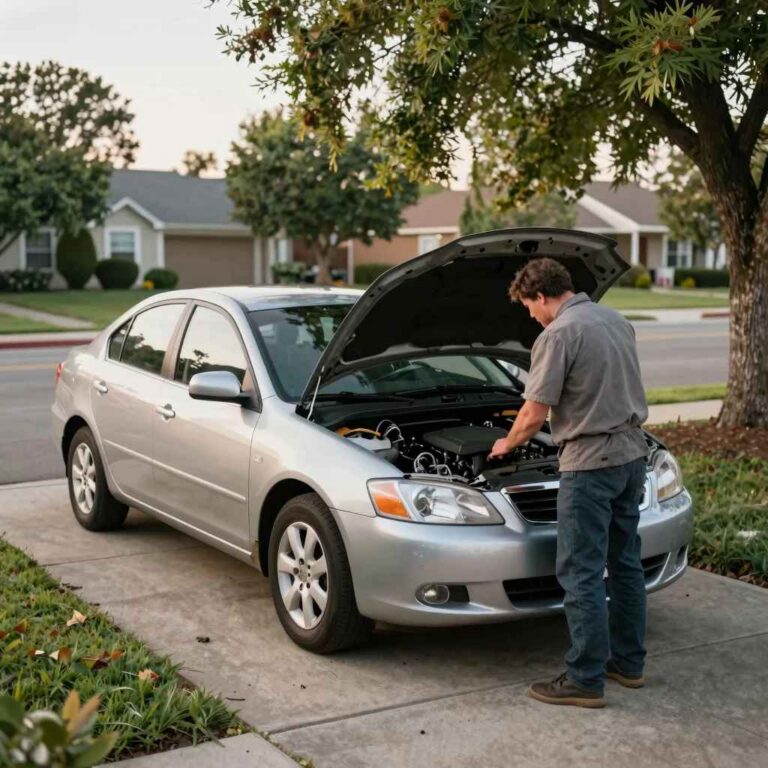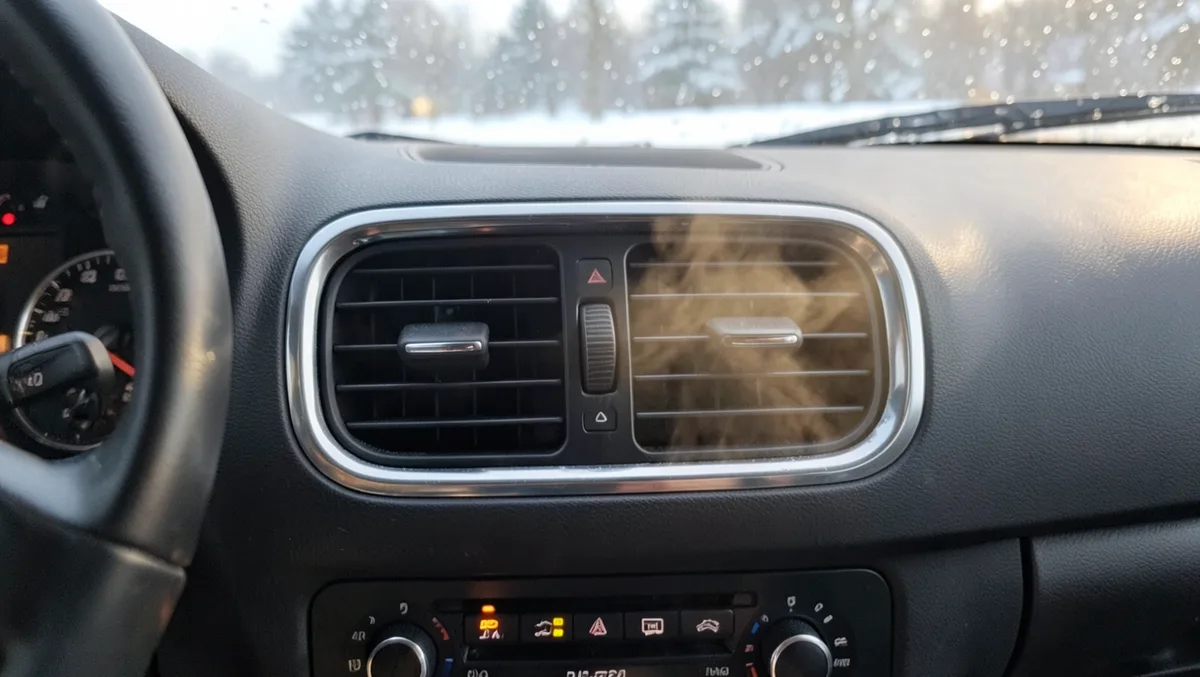
Why Does My Car Heater Smell? Causes by Odor Type
A burning smell usually means dust or debris cooking off the heater core, a musty smell points to mold on a damp evaporator, and a sweet or syrupy smell almost always means a coolant leak — often from the heater core itself.
That last one matters most: automotive coolant contains ethylene glycol, which is toxic to breathe in over time and can leak into the cabin through a cracked heater core. The odor type is the fastest way to narrow down what is actually wrong and whether it is safe to keep driving.
Common Car Heater Smells and What They Mean
BEST FOR MUSTY HEATER & AC SMELLS
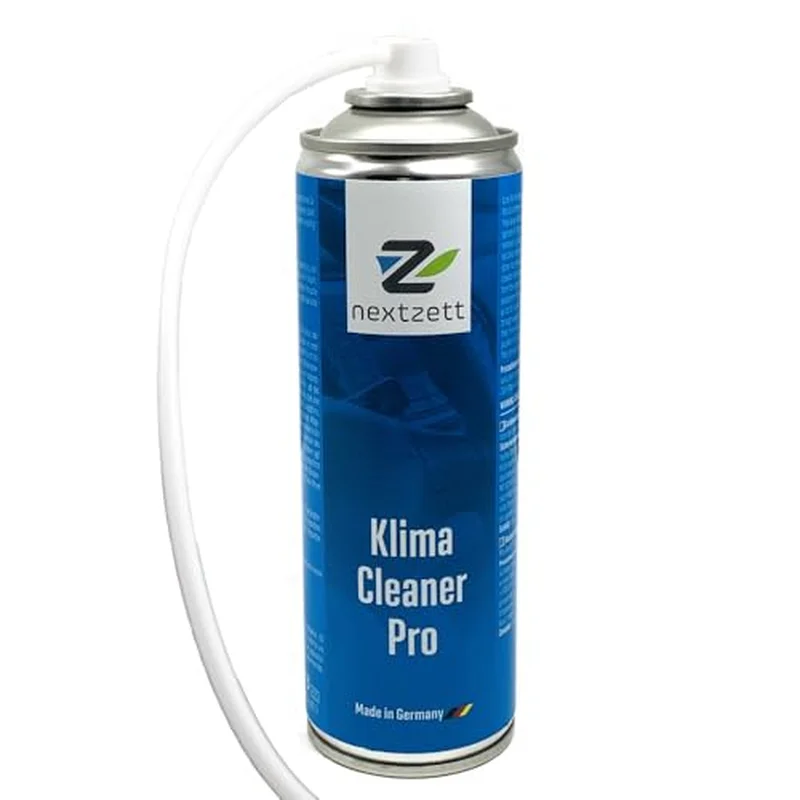 |
nextzett Klima Cleaner Pro Evaporator & AC Odor Eliminator – $19.95 Its 2-foot hose reaches the evaporator core behind the dash to break down the mold and mildew buildup that causes a musty heater smell, instead of just masking it with fragrance.
|
Match the smell you are noticing to the causes below, then jump to that section for the full explanation and fix.
| Smell | Most Likely Cause | What To Do |
|---|---|---|
| Burning or dusty | Dust burning off the heater core, common the first time you run heat each season | Usually clears in a few minutes; clean or replace the cabin air filter if it lingers |
| Musty or moldy | Mold or mildew growing on a damp evaporator core | Clean the vents and cabin filter; run the AC on the drive to help dry the system out |
| Sweet or syrupy | Coolant (ethylene glycol) leaking from the heater core — potentially toxic | Switch off recirculated air and get the heater core and hoses inspected right away |
| Burning rubber or plastic | A hose, belt, or wiring harness touching a hot engine part | Stop and have a mechanic check under-hood components before driving further |
| Rotten egg | A failing catalytic converter or degraded transmission fluid | Have the exhaust and drivetrain fluids inspected |
| Gasoline | A leaking fuel line, injector, or vapor hose being drawn into the cabin air intake | Stop driving and have it inspected immediately — this is a fire risk |
Burning Smell From the Heater
A burning odor the first time you switch on the heat each fall or winter is almost always dust and lint that settled on the heater core and blower motor while the system sat idle all summer. It burns off within a couple of minutes and does not come back. If the smell persists past the first few uses, three other causes are worth checking.
Burning Oil or Exhaust Odor
If engine oil is dripping onto a hot exhaust manifold, the heater’s fresh-air intake can pull that burnt-oil smell straight into the cabin. This points to an oil leak that needs attention on its own, separate from the heater itself.
Worn Belts, Wiring, or Blower Motor
A cracked serpentine belt rubbing against a pulley, or a blower motor resistor overheating, both produce a hot, slightly electrical burning smell. A resistor that is starting to fail often shows other symptoms too, like a fan that only works on one or two speed settings.
Musty or Moldy Smell
Musty odors come from mold and mildew colonizing the evaporator core, the cold, damp component tucked behind the dashboard that your AC condensation drips across. Once that moisture has nowhere to drain, or a clogged cabin air filter keeps the whole housing wetter than it should be, mold takes over and every blast of air carries the smell with it.
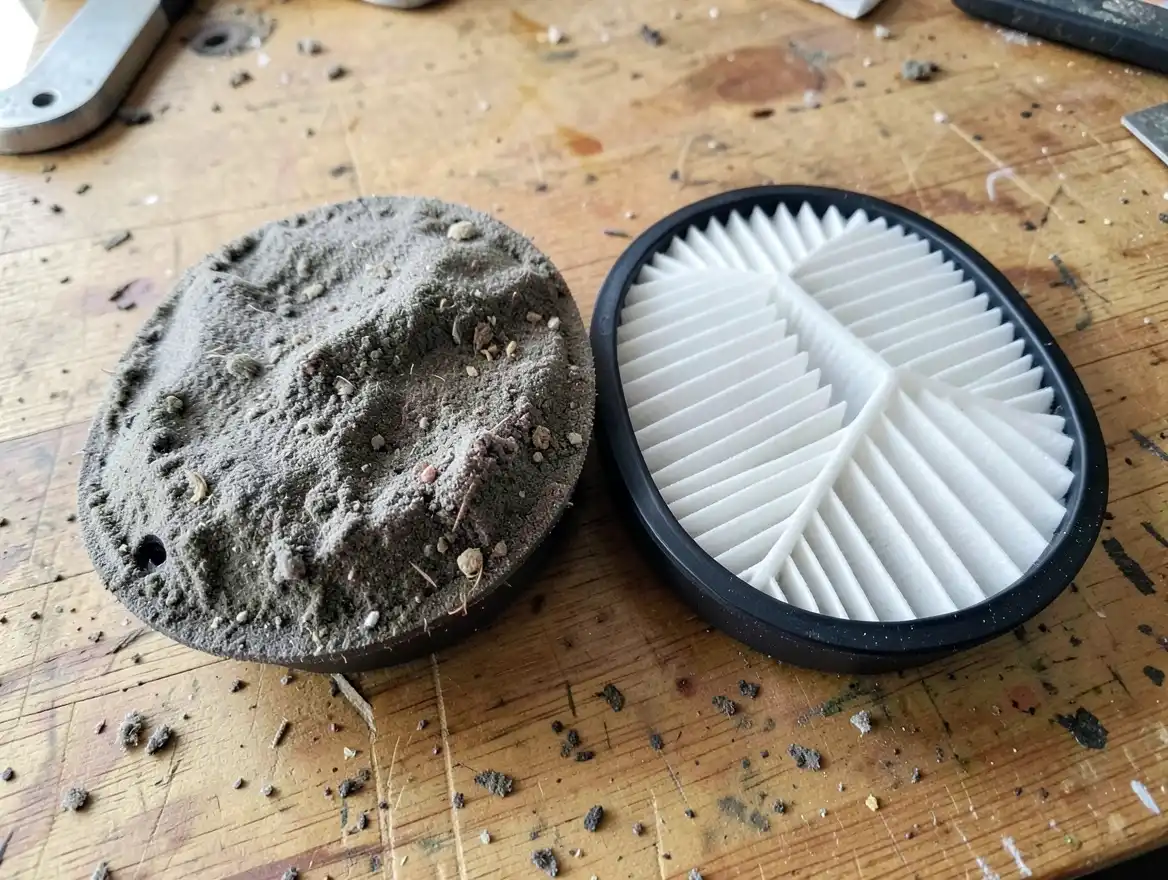
A cabin air filter is supposed to be changed roughly every 12,000 to 15,000 miles, but one that stays damp gets colonized by mold long before it looks visibly dirty. Swapping it is usually the cheapest fix, and it is also the first thing worth ruling out before paying a shop to clean the evaporator itself. The same evaporator is shared with the AC system, so if the vents smell musty even with the heat off, our guide to a bad-smelling car AC covers the same fix in more detail.
Sweet or Syrupy Smell: A Coolant Leak You Should Not Ignore
A sweet, syrupy odor almost always means coolant is leaking somewhere in the heating system, and the most common source is a cracked or corroded heater core — a small radiator hidden behind the dashboard that the blower motor pushes air across to warm the cabin. When it develops a pinhole leak, coolant vapor gets blown out through the vents instead of the engine bay.
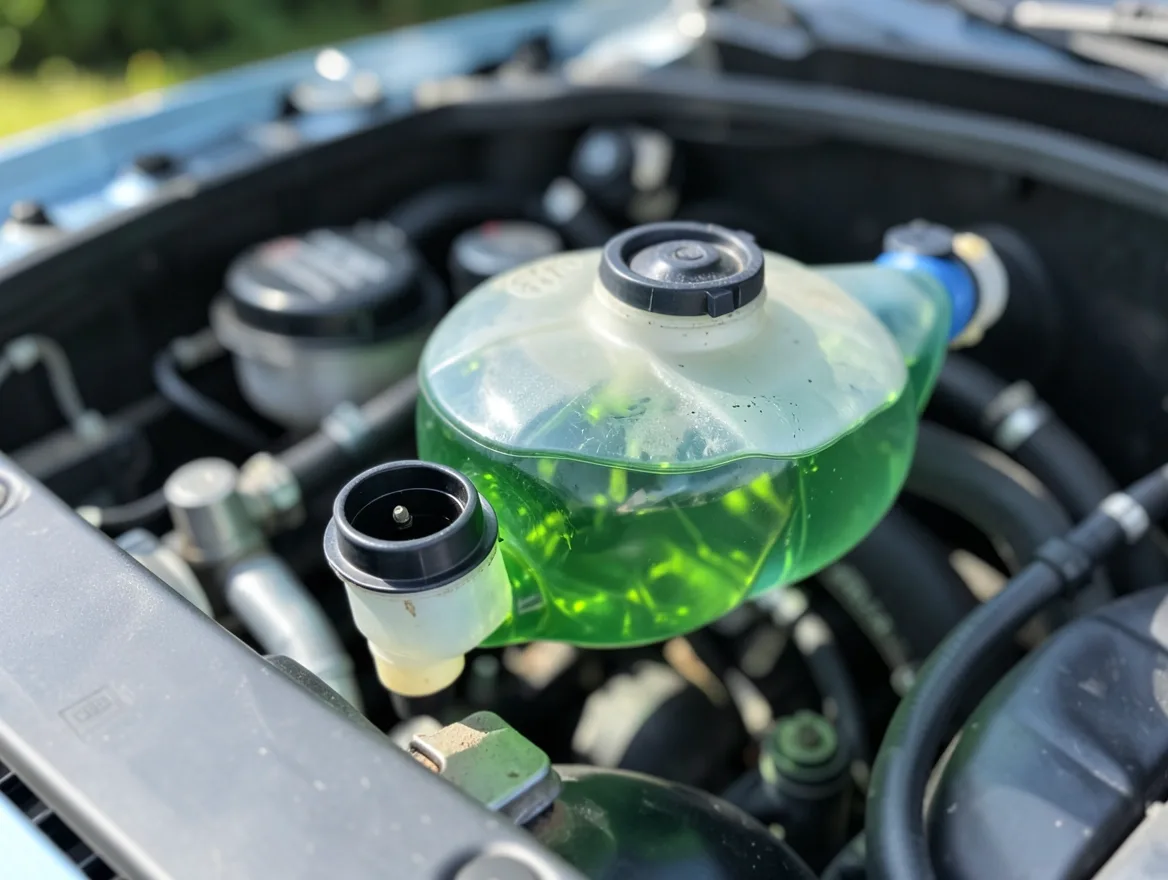
This is a genuine safety issue, not just an annoyance. Automotive coolant is made mostly of ethylene glycol, which is toxic to breathe in regularly. Brief exposure is unlikely to harm a healthy adult, but daily commuting in a closed cabin with the heat running can cause headaches, dizziness, nausea, and eye or throat irritation as the vapor builds up. Children and pets riding in the car are more vulnerable to the same exposure.
Other signs that confirm a heater core leak include fogged-up windows that leave an oily film on the inside of the glass, a wet or sticky passenger-side floorboard, cold air blowing when the heat is turned up, and coolant that keeps disappearing with no puddle visible under the car. If you notice any of these along with the sweet smell, switch the climate control off recirculate and onto fresh air immediately, crack a window, and get the heater core and hose connections inspected as soon as possible. Never open a hot cooling system to check the level yourself — see whether the engine should be running when you add coolant before topping it off.
Burning Rubber or Plastic Smell
This one usually has nothing to do with the heater box itself. Coolant hoses, vacuum lines, or a plastic wiring conduit that have shifted close enough to touch the exhaust manifold or another hot engine surface will scorch and give off an acrid, burning-rubber smell that the heater fan then pulls into the cabin. A mechanic can usually spot the melted or discolored part on sight, and it is worth fixing quickly since the same heat can eventually burn through the part entirely.
Gasoline Smell When the Heat Is On
A raw gasoline smell coming through the vents is different from every other odor on this list and should be treated as urgent. It usually means a fuel injector, fuel line, or evaporative emissions hose is leaking somewhere the heater’s outside-air intake can draw the fumes in. Because gasoline vapor is flammable, this is not a smell to wait out — stop driving and have the fuel system inspected before continuing.
Immediate Steps to Clear the Smell
- Roll the windows down and switch the climate control from recirculate to fresh air so the cabin can exchange air with the outside.
- Run the blower on high with the AC on for a few minutes, even in winter — the AC compressor helps dry out a damp, moldy evaporator.
- Check and, if needed, replace the cabin air filter; a clogged or wet filter is the single most common source of a lingering musty smell.
- Vacuum the floor mats and carpet and wipe down the vents, since trapped moisture or spilled liquids nearby can mimic a heater problem.
- Avoid masking a chemical, sweet, or gasoline smell with air fresheners — those point to a leak that needs a real repair, not a scent. For everyday freshness once a real leak is ruled out, a proper interior protectant is gentler on vents and trim than a heavy chemical spray.
Long-Term Fixes
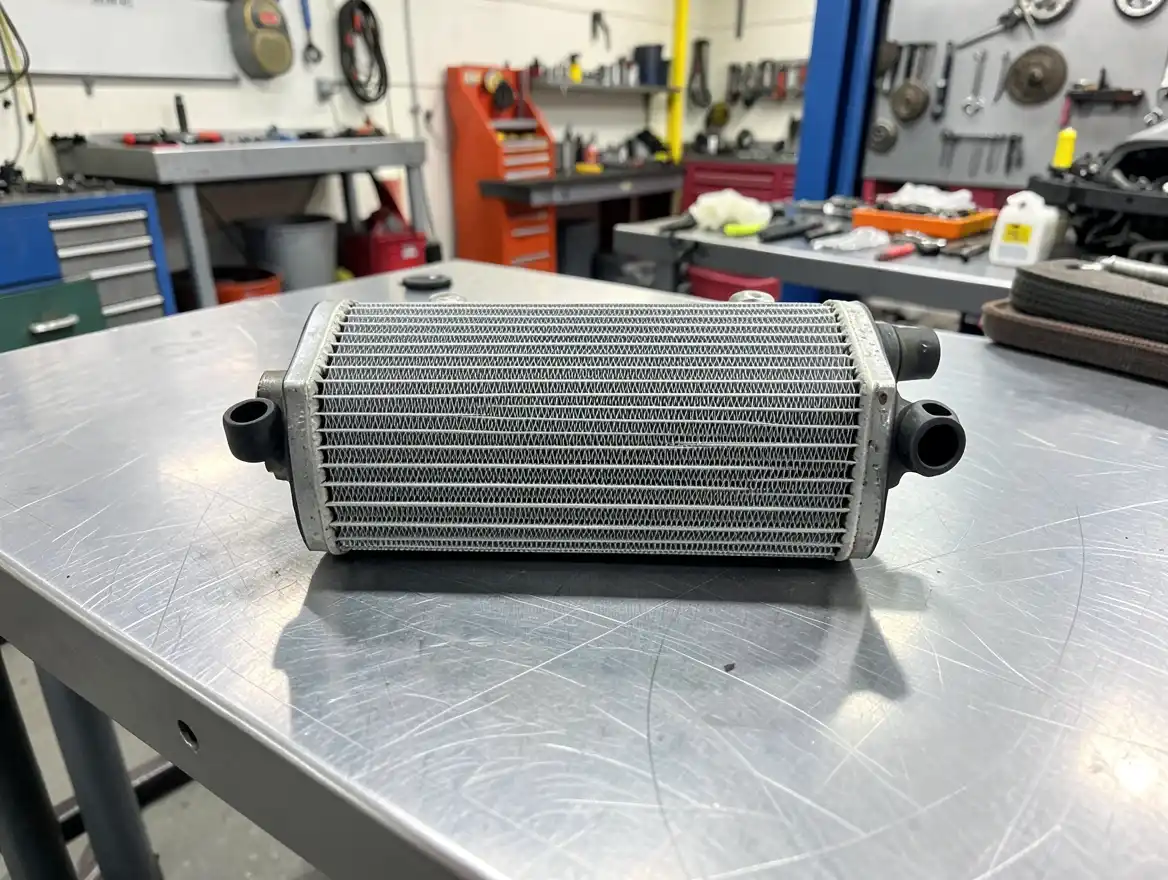
Once the smell has been traced to a specific cause, the permanent fix depends on what is actually failing. A leaking heater core has to be replaced rather than patched, since it sits deep in the dashboard and a sealant is, at best, a short-term stopgap. A mechanic can pressure-test the cooling system to confirm the heater core is the source before pulling the dashboard apart, which is the most labor-intensive part of the job.
For musty smells, having the evaporator core professionally cleaned or treated with an antimicrobial foam solves the problem at the source instead of just filtering the air downstream of it. Regularly replacing the cabin air filter and having the coolant system flushed on the manufacturer’s schedule both go a long way toward preventing the same smell from coming back. If you are not sure what is leaking, this guide to identifying car fluid leaks walks through how to tell coolant apart from oil, transmission fluid, and other common culprits by color and location.
When to See a Professional
A faint burning smell that clears up after a few minutes on the first cold day of the season is not worth a shop visit. Everything else on this list is: a sweet smell, a gasoline smell, a persistent burning-rubber smell, or a musty smell that keeps returning after you have changed the filter. These point to leaks or worn components that need diagnosis with real tools, not guesswork, and in the case of coolant or fuel, waiting can turn a simple repair into a more expensive one, or expose you to fumes you should not be breathing.
How to Prevent Heater Smells
- Run the heater and AC for a few minutes at least once a week, even in the off-season, so moisture does not sit stagnant on the evaporator.
- Replace the cabin air filter on schedule, typically every 12,000 to 15,000 miles or once a year.
- Keep the coolant system topped off and flushed per the owner’s manual, and watch for a coolant level that drops with no visible leak underneath the car.
- Dry out wet floor mats and carpet promptly after rain or snow instead of letting moisture sit.
- Avoid heavy fragrance sprays as a substitute for cleaning — they mask early warning smells that would otherwise tip you off to a real problem.
Frequently Asked Questions
How do I get rid of a bad smell in my car heater?
Start by cleaning or replacing the cabin air filter and running the blower on high with the AC on for a few minutes to dry out the evaporator. Vacuum the interior and wipe down the vents, and check for standing water or a slow leak if the smell keeps coming back. If it is sweet, chemical, or like gasoline, have a mechanic inspect the heater core, coolant system, or fuel lines instead of trying to mask it.
Why does my car smell when I turn the heat on?
Most often it is mold or mildew that has built up on a damp evaporator core, or dust that has settled on the heater core since you last used it. A clogged or wet cabin air filter makes both worse. If the smell is sweet rather than musty, it is more likely a coolant leak from the heater core, which should be checked promptly.
How do you get rid of smelly car vents?
Clean the vents with a foam HVAC cleaner or a disinfectant spray designed for evaporator cores, and replace the cabin air filter. Running the AC for a few minutes helps dry out trapped moisture that feeds mold. If the odor returns quickly after cleaning, the evaporator itself likely needs a professional cleaning or the drain that lets condensation escape may be clogged.
Why does my car smell like fumes when the heater is on?
A fumes-like smell usually means the heater’s outside-air intake is pulling in exhaust, burnt oil, or coolant vapor from under the hood or from a small leak. This can indicate an exhaust leak, an oil drip onto a hot engine part, or a failing heater core, and any of these should be inspected soon since exhaust fumes in the cabin are a carbon monoxide risk.
Is a sweet smell from my car heater dangerous?
Yes. A sweet or syrupy smell almost always means coolant containing ethylene glycol is leaking into the cabin, most often from a cracked heater core. Ethylene glycol is toxic to breathe in regularly, and repeated exposure during a commute can cause headaches, dizziness, nausea, or throat irritation. Switch to fresh-air mode, crack a window, and have the heater core and hoses inspected as soon as possible — children and pets are more sensitive to the fumes than adults.
Why does my car smell like gas when the heater is on?
A gasoline smell through the vents usually means a fuel injector, fuel line, or evaporative emissions hose is leaking near the heater’s air intake, and the fumes are being drawn into the cabin. This is a fire hazard and different from a normal heater odor, so stop driving and have the fuel system inspected right away rather than waiting for it to clear on its own.
The Bottom Line
The smell itself tells you most of what you need to know: burning usually clears on its own, musty means it is time to clean the evaporator and filter, and sweet, gas, or persistent burning-rubber odors mean something needs a real repair before you keep driving. When in doubt, treat any coolant or fuel smell as urgent rather than something to air out with the windows down.
Products related to this article
Sponsored / affiliate links. As an Amazon Associate I earn from qualifying purchases. I may earn additional commission from eligible campaigns.