Do All F1 Cars Use the Same Engine?
Many fans of Formula 1 wonder about the engines. It’s a common question, especially for newcomers, because you see all the cars on the track looking and sounding so different, yet also strangely similar. It can be a bit confusing to figure out if they all share the same power source or if each team builds its own unique beast.
But don’t worry! We’ll break it down step by step, making it super simple to grasp. Get ready to learn the real story behind Do All F1 Cars Use the Same Engine? and what that means for the racing you love.
Do All F1 Cars Use the Same Engine? The Truth About F1 Power Units
The world of Formula 1 is a spectacle of speed, sound, and incredible engineering. As the cars zoom around the track, their powerful engines roar, providing the thrilling soundtrack to the sport. For many watching, a natural question arises: Do all F1 cars use the same engine?
This is a fantastic question that touches on the core of what makes F1 so competitive and technically fascinating. While the visual of identical cars might suggest identical engines, the reality is a bit more nuanced and incredibly important to understanding the sport’s dynamics.
The short answer to “Do All F1 Cars Use the Same Engine?” is no, they do not. However, there’s a significant layer of regulation and standardization that prevents complete freedom in engine design. Think of it like a rulebook for engines; everyone has to follow it, but they can interpret and build within those rules to create their own unique power unit.
This balance between regulation and innovation is what drives the competition and keeps fans on the edge of their seats.
The Evolution of F1 Engines
Formula 1 has a long and storied history with engine technology. Over the decades, engines have changed dramatically. We’ve seen massive V12s, roaring V10s, and the iconic V8s.
Each era brought new challenges, speeds, and sounds. The technology pushed boundaries, and manufacturers competed fiercely to create the most powerful and reliable engines. This constant development made F1 a showcase for automotive innovation.
However, in recent years, the sport has shifted its focus. Environmental concerns and the desire to make F1 more relevant to road car technology led to a significant change in engine regulations. This move towards more efficient and complex power units has reshaped the competitive landscape.
The focus moved from raw power alone to a more integrated approach involving energy recovery systems and sophisticated electronics.
Current F1 Engine Regulations Explained
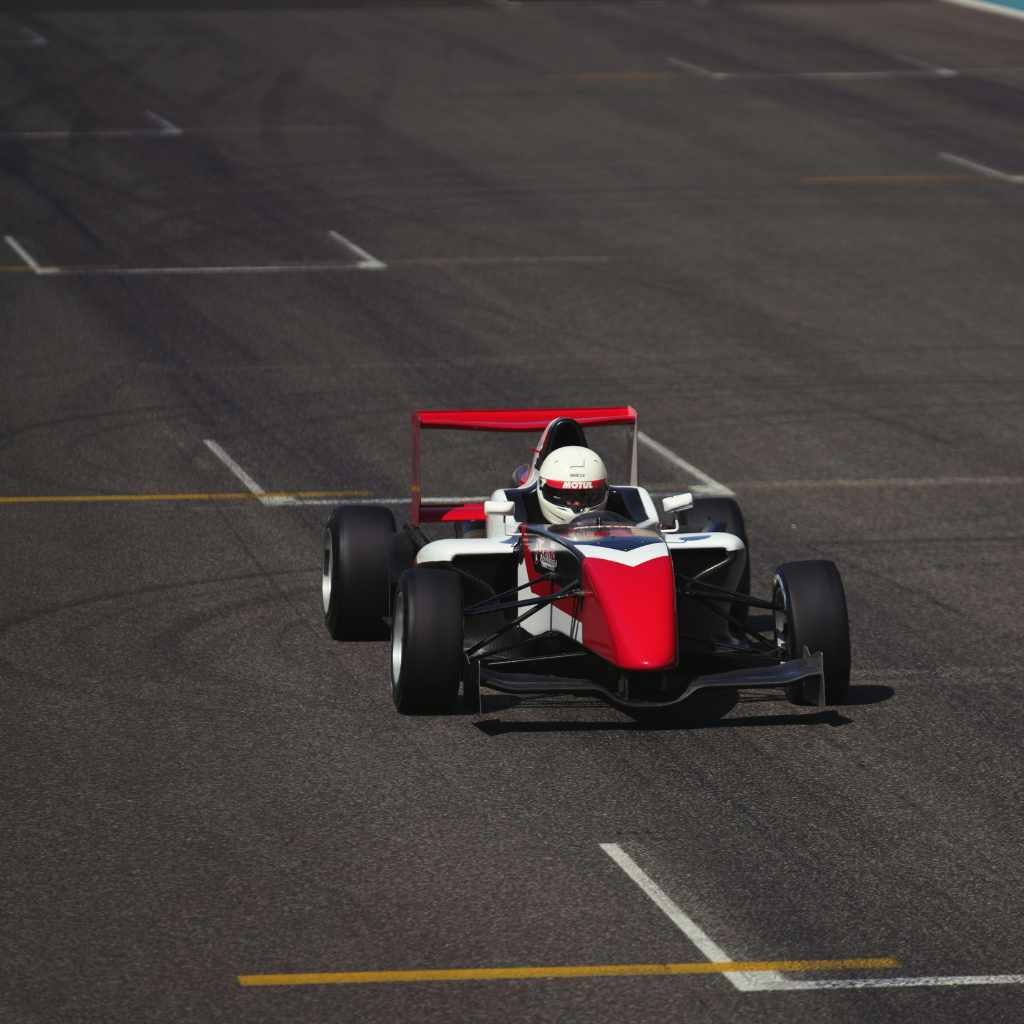
Today’s Formula 1 cars are powered by highly sophisticated 1.6-liter V6 turbo-hybrid power units. These are not just simple internal combustion engines; they are incredibly complex systems that combine several different elements. The regulations are very strict, meaning that while teams don’t use identical engines, they must all adhere to the same fundamental design principles and component specifications set by the FIA, the governing body of motorsport.
These power units are designed to be extremely efficient and powerful. They are built to meet stringent targets for performance, reliability, and fuel consumption. The goal is to promote sustainable technology and ensure that the engines are as cutting-edge as possible, reflecting advancements that could eventually find their way into road vehicles.
Key Components of an F1 Power Unit
To understand why F1 cars don’t have identical engines despite the regulations, it’s helpful to know what makes up an F1 power unit. It’s a marriage of advanced technology working together seamlessly:
- Internal Combustion Engine (ICE): This is the V6 engine itself, a 1.6-liter turbocharged unit. It’s the heart of the power unit, converting fuel into mechanical energy.
-
Energy Recovery Systems (ERS): This is where the “hybrid” part comes in. The ERS has two main components:
- MGU-K (Motor Generator Unit – Kinetic): This captures kinetic energy during braking and converts it into electrical energy, which is stored. It can also deploy this stored energy as extra power to the wheels.
- MGU-H (Motor Generator Unit – Heat): This harvests heat energy from the exhaust gases. It can use this energy to power the MGU-K or to help spool up the turbocharger, reducing turbo lag.
- Turbocharger: This forces more air into the engine’s cylinders, significantly increasing power output. The MGU-H plays a vital role in optimizing its performance.
- Energy Store: This is the battery where the electrical energy captured by the MGU-K and MGU-H is stored.
- Control Electronics: A highly complex system that manages all the interactions between the ICE, ERS, and other components, optimizing performance and efficiency.
Each of these components is subject to specific regulations regarding their design, size, weight, and how they function. However, within these rules, manufacturers have significant room for innovation and optimization.
Who Makes F1 Engines?
Unlike sports where every competitor uses the exact same equipment, Formula 1 allows engine manufacturers to develop their own power units. This creates a fascinating technical battle alongside the on-track racing. The companies that design and build these engines are some of the biggest names in automotive and engineering.
They see F1 as a supreme testbed for their technology.
The current engine suppliers in Formula 1 are:
- Mercedes-AMG High Performance Powertrains: Known for its consistent dominance in recent years.
- Ferrari: One of the oldest and most successful engine manufacturers in F1 history.
- Renault Sport Racing: A French manufacturer with a strong F1 pedigree.
- Honda (currently in partnership with Red Bull Racing/RB Powertrains): A Japanese powerhouse that has had periods of great success.
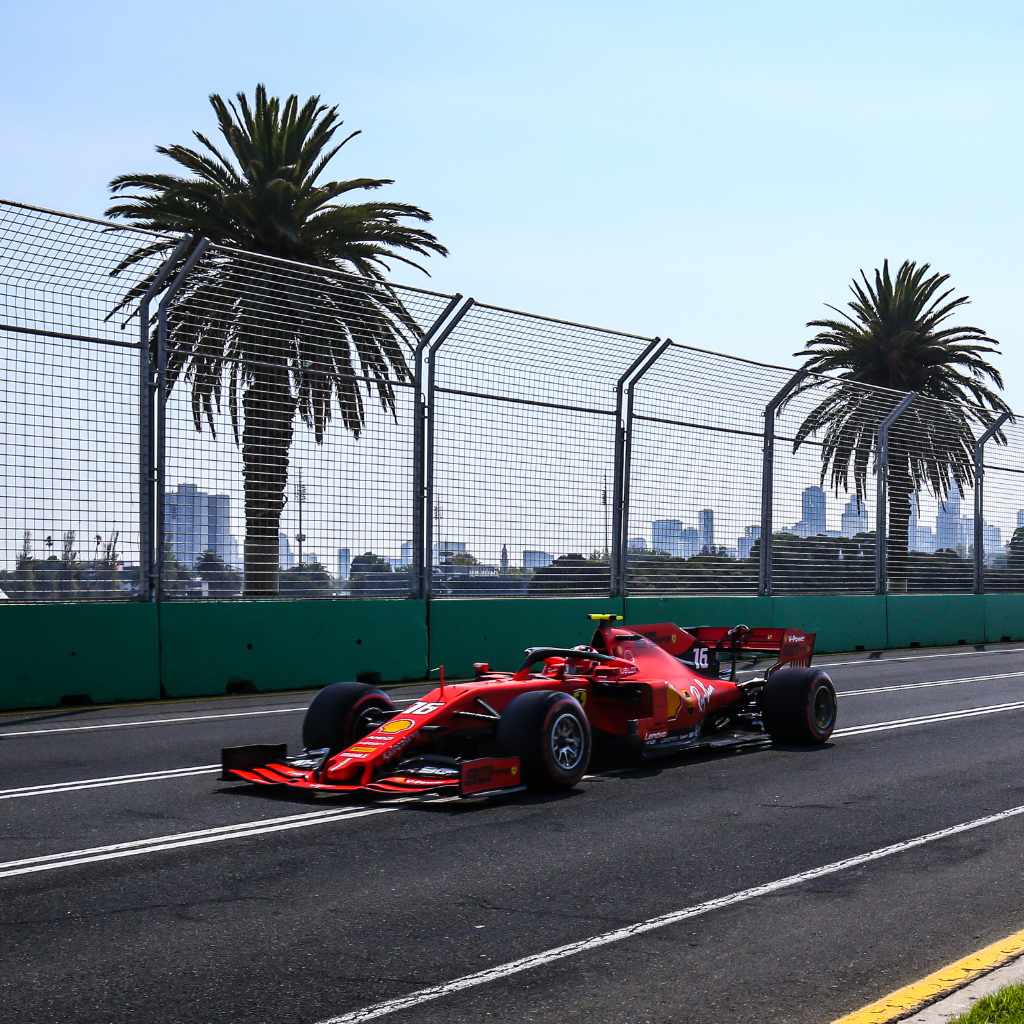
These manufacturers design, build, and supply their power units to their own factory teams and often to other customer teams. For example, Mercedes might supply engines to McLaren and Williams, while Ferrari supplies to Haas and Sauber (now Stake F1 Team Kick Sauber). This supplier relationship is a critical part of the F1 ecosystem.
Why the Differences Matter
Even though all engines are V6 turbo-hybrids, the subtle differences in how each manufacturer designs and integrates these components lead to significant performance variations. Think of it as different chefs using the same set of ingredients but preparing unique dishes. One chef might focus on a richer sauce, while another prioritizes a perfectly cooked main course.
Some engines might offer more raw power, while others excel in fuel efficiency. Some might have a more aggressive hybrid deployment strategy, giving them bursts of speed on certain parts of the track. The performance of the power unit is a massive factor in a team’s overall competitiveness.
It’s estimated that the power unit alone can account for more than half of a car’s performance.
This is why you see some teams consistently ahead of others. While aerodynamics, chassis design, and driver skill are all vital, a superior engine can make a huge difference. The battle between engine manufacturers is as intense as the battle between the drivers.
They are constantly pushing the boundaries to find even small gains, which can be crucial over a race weekend or an entire season.
The Impact on Team Strategy
The fact that teams can have different engine suppliers, and even different specifications within those suppliers (though this is limited), impacts team strategies in several ways:
- Car Design: A team’s chassis and aerodynamic package are designed to work in harmony with their specific power unit. A car designed around a compact Ferrari engine might look and perform differently from a car built for a larger Mercedes unit.
- Driver Strategy: Drivers and engineers will use the strengths of their engine to their advantage. If an engine is particularly strong on straights, a driver might push harder there. If it’s better at energy deployment, they’ll use that strategically in corners or for overtaking.
- Development Race: The engine suppliers are in a constant development race. A team might have a dominant engine one year and then struggle the next if their rivals make significant breakthroughs. This adds an element of unpredictability to the sport.
Historical Context: A Look Back
To truly appreciate the current situation, it’s useful to remember that engine supply has always been a significant factor in F1. In the past, teams either built their own engines or were supplied by major manufacturers. This often led to clear hierarchies based on who had the best engine.
For example, in the V10 era, Renault engines were incredibly strong, as were the Cosworth and Honda units in different periods. Teams that had access to the best engines often found themselves in a much stronger position. The regulations have evolved to try and balance this, but the engine remains a critical differentiator.
Future of F1 Engines
The discussion around the future of F1 engines is ongoing and exciting. The sport is committed to developing more sustainable power sources, with a focus on advanced biofuels and potentially new hybrid technologies or even fully electric elements. The aim is to make F1 a leader in green technology for the automotive industry.
New manufacturers are also expected to join the sport in the coming years, which will only intensify the technical competition. This means the question of “Do All F1 Cars Use the Same Engine?” will continue to evolve, but the fundamental principle of regulated, yet distinct, power units is likely to remain a core element of Formula 1 for the foreseeable future.
Frequently Asked Questions
Question: Are F1 engines all the same size?
Answer: No, not exactly. While current F1 regulations mandate a 1.6-liter V6 engine, the specific design and packaging of these engines can vary between manufacturers. So, while they adhere to the same displacement limit, they aren’t identical units.
Question: Can a team build its own F1 engine?
Answer: Yes, teams can develop and build their own engines if they are also a registered engine manufacturer with the FIA. Alternatively, teams can purchase engines from an official F1 engine supplier.
Question: What happens if an F1 engine fails during a race?
Answer: If an engine fails, the car must retire from the race. Drivers are also limited in the number of power units they can use per season, so engine failures can lead to grid penalties if a replacement unit outside the allowed allocation is needed.
Question: Is the hybrid system the same for all F1 cars?
Answer: The fundamental hybrid system, called the Energy Recovery System (ERS), follows the same regulations for all manufacturers. However, the way each manufacturer implements and controls their MGU-K, MGU-H, and battery systems can differ, leading to performance variations.
Question: Do F1 teams develop their engines throughout the season?
Answer: Yes, engine development is a continuous process. Manufacturers are allowed to upgrade their power units during the season, but within strict regulations regarding the number of upgrades and when they can be implemented to maintain fairness.
Final Thoughts
So, to circle back to the main question, Do All F1 Cars Use the Same Engine? The answer is a clear no, but with significant regulatory oversight. Each team relies on one of the four major engine suppliers—Mercedes, Ferrari, Renault, or Honda—to provide their power unit.
These are not off-the-shelf engines; they are highly specialized 1.6-liter V6 turbo-hybrid power units. While the core components and their performance parameters are governed by strict FIA rules, the design, integration, and optimization of these systems are where manufacturers can truly differentiate themselves. This technical competition between engine builders is a fundamental pillar of Formula 1, driving innovation and contributing significantly to a team’s overall performance on the track.
It’s this blend of standardization and creative engineering that makes the sport so captivating. For aspiring fans or those curious about the engineering marvels, appreciating these distinct power units is key to enjoying the full picture of F1 racing. Keep an eye on the engine performance throughout a season, as it often dictates who is leading the pack.